
Räuberanfall (Überfall auf eine Reisekutsche) — History & Facts
In the fraught stillness of Räuberanfall (Überfall auf eine Reisekutsche), betrayal hangs thick in the air, palpable and foreboding. The viewer is drawn into a world where trust shatters and danger lurks just out of sight. Look to the left, where the gleam of a polished carriage contrasts with the roughness of the lurking brigands. Notice how the muted tones of the landscape envelop the scene, each stroke breathing life into the tension of the unfolding drama.
Bürkel’s meticulous brushwork captures not only the physical forms but also the emotional turmoil, emphasizing the anxiety of the travelers as shadows loom ominously in the background. As the viewer delves deeper, they uncover layers of meaning beneath the surface. The expressions of fear and desperation etched on the faces of the passengers reveal the fragility of security in a world rife with treachery. The juxtaposition of the vibrant carriage against the dark figures of the attackers suggests an imminent clash between innocence and malevolence, evoking feelings of vulnerability and the stark reality of betrayal. In 1853, while living in Germany, Bürkel was influenced by the Romantic movement, which sought to convey deep emotional experiences through visual storytelling.
During this time, societal unrest and the increasing tensions in Europe shaped the artist’s worldview, infusing his work with a sense of urgency and depth. As he meticulously crafted this scene of ambush, he not only captured a moment in time but also spoke to the emotional and social upheavals of his era.
More Artworks by Heinrich Bürkel
Browse all →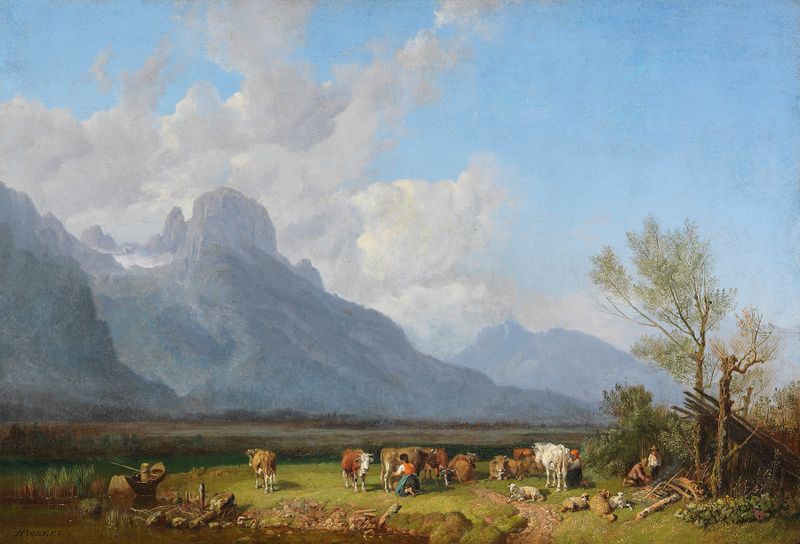
Viehhirten am Seeufer
Heinrich Bürkel
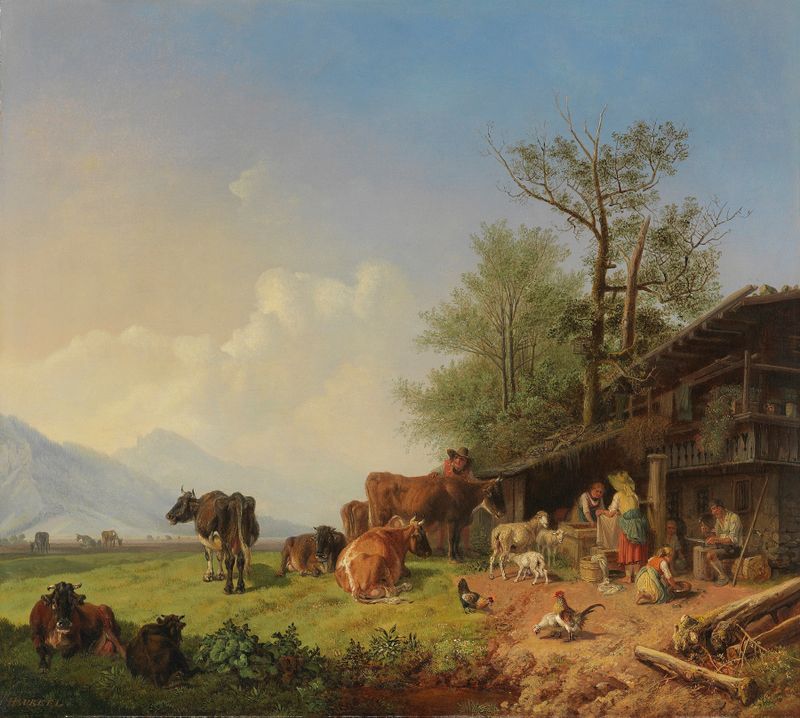
Bauernhof mit Brunnen
Heinrich Bürkel
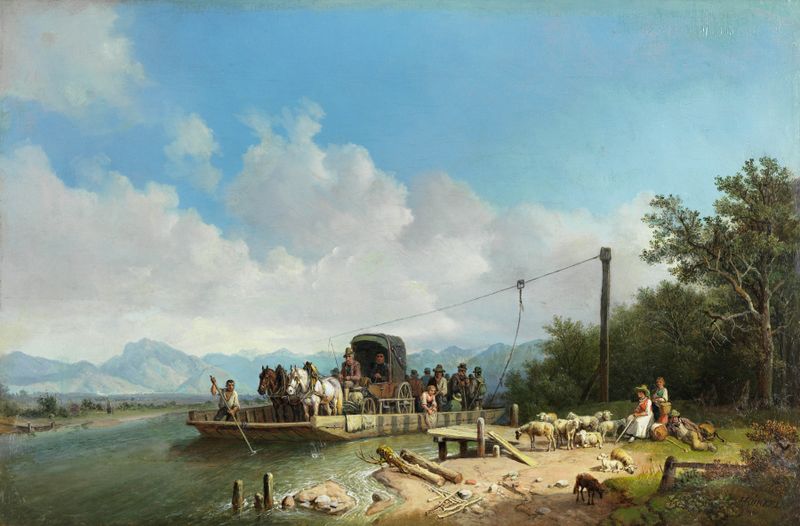
Fähre am Inn
Heinrich Bürkel

Am Dorfbrunnen in den italienischen Bergen
Heinrich Bürkel

Italienische Hirtenfamilie in der Felsenhöhle
Heinrich Bürkel
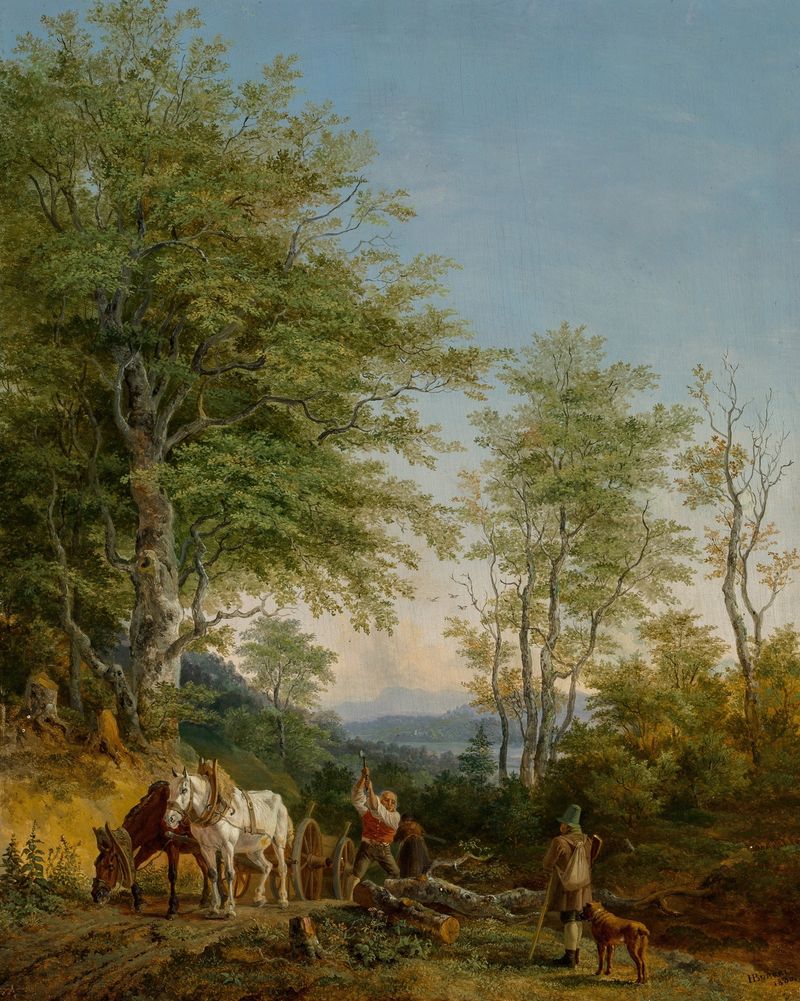
An Italianate wooded landscape with a woodcutter and his team of horses and a passerby with his dog
Heinrich Bürkel
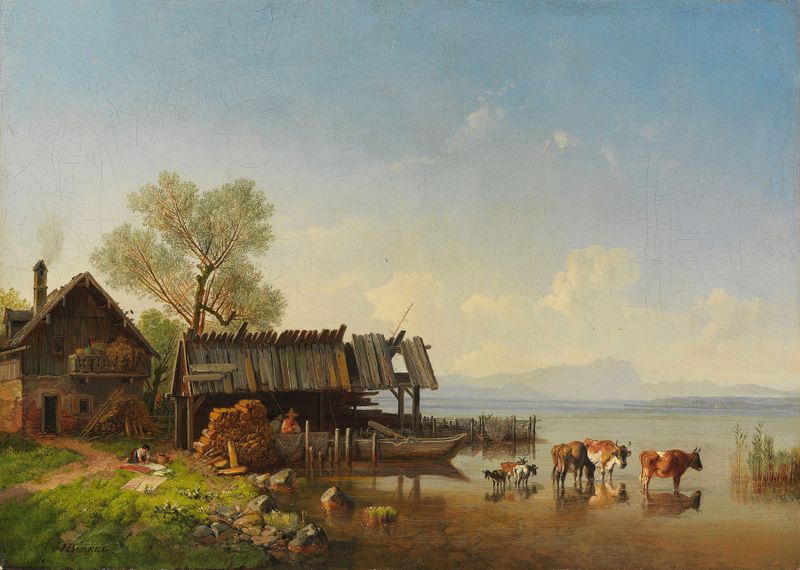
Der Starnberger See mit Blick auf das Wettersteingebirge
Heinrich Bürkel
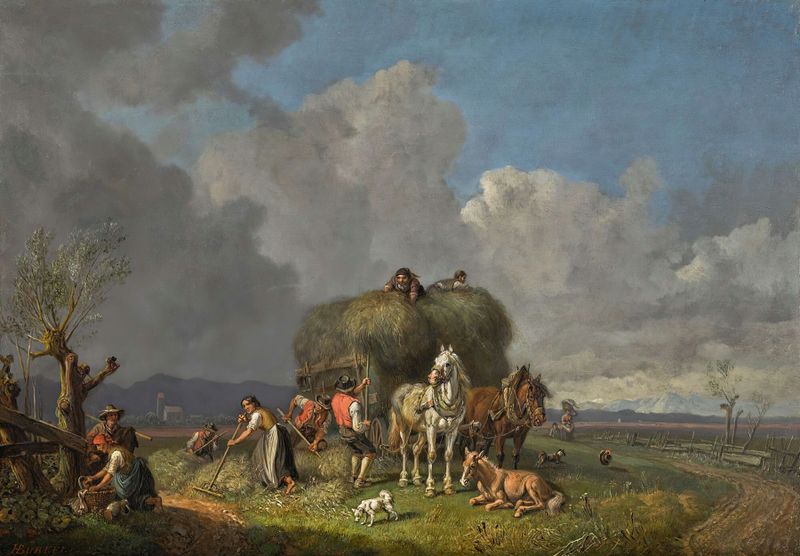
The Hay Harvest
Heinrich Bürkel
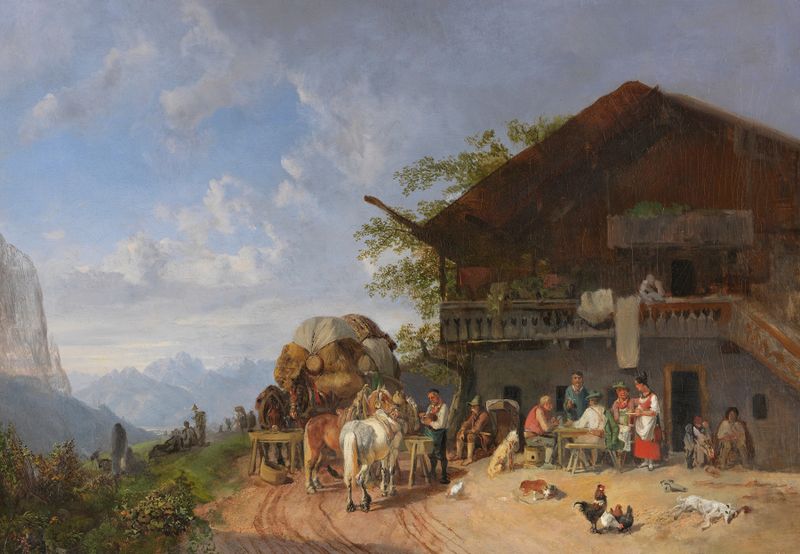
Rast vor einem Gasthof in den Bergen
Heinrich Bürkel

Blick auf den Monte Circeo
Heinrich Bürkel
More Historical Art
Browse all →
The Night Watch Militia Company of District II under the Command of Captain Frans Banninck Cocq
Rembrandt van Rijn

Lincoln Memorial
Henry Bacon

The Third of May 1808
Francisco de Goya

Isaac and Rebecca, Known as ‘The Jewish Bride’
Rembrandt van Rijn

The Charge of the Mamelukes (1814)
Francisco de Goya

De vier ruiters van de apocalyps
Albrecht Dürer