
Rue de la Rochefoucault — History & Facts
This poignant reflection reveals the essence of creation, capturing fleeting moments that would otherwise slip away. Look to the left at the delicate interplay of muted colors; the soft earth tones blend seamlessly, inviting you to wander down the cobblestone path. The composition is masterfully balanced, drawing your eye towards the dimly lit buildings that stand sentinel against the twilight sky. Notice how the gentle strokes suggest movement, as if the figures in the foreground are caught in conversation, their gestures animated yet subtle, evoking a sense of intimacy and shared experience. In the distance, hints of light spill from the windows, symbolizing the warmth of life amidst the encroaching shadows.
The contrasting tones between the darker foreground and lighter background create a palpable tension, suggesting the passage of time and the inevitability of change. Each brushstroke encapsulates an emotion, from nostalgia to anticipation, whispering of stories that linger just beyond the canvas. In 1893, Whistler was immersed in the Parisian art scene, navigating his evolving style amid the rise of Impressionism. During this period, he sought to capture not only the physical aspects of a scene but also the emotional resonance it could evoke.
This painting reflects a critical moment in his career, as he continued to push the boundaries of color and form, leaving a lasting impact on modern art.
More Artworks by James Abbott McNeill Whistler
Browse all →
Nocturne in Blue and Silver
James Abbott McNeill Whistler
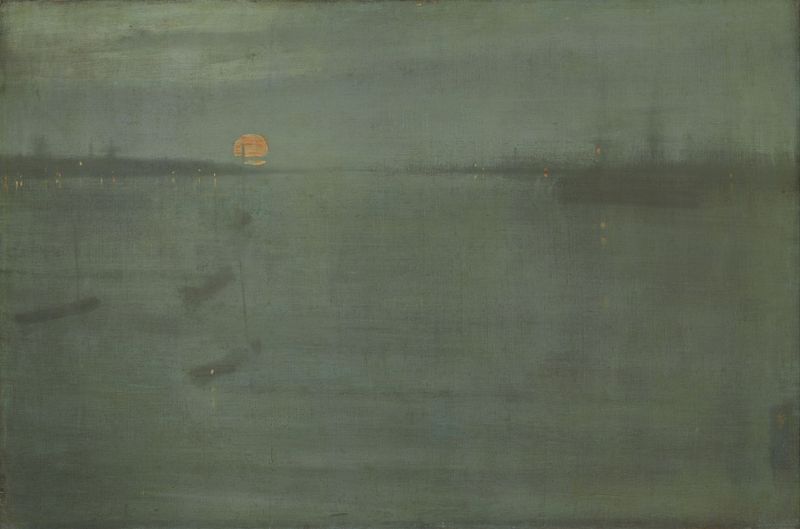
Nocturne: Blue and Gold–Southampton Water
James Abbott McNeill Whistler
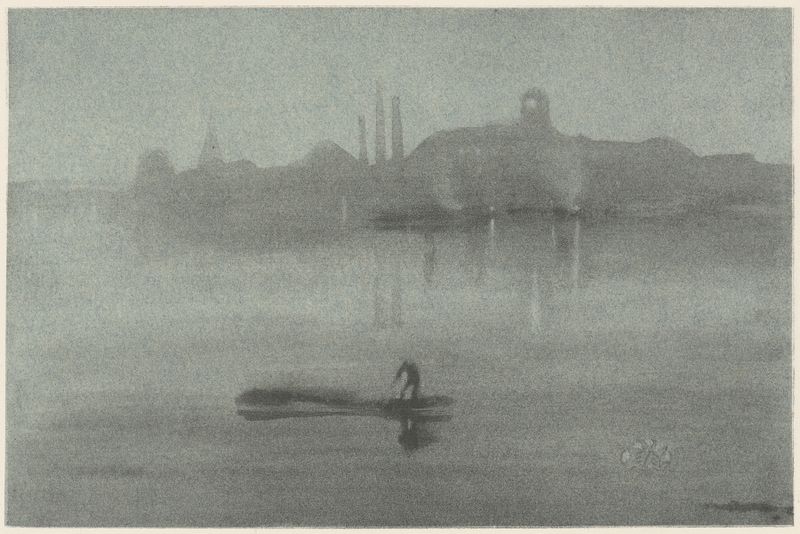
Nocturne
James Abbott McNeill Whistler
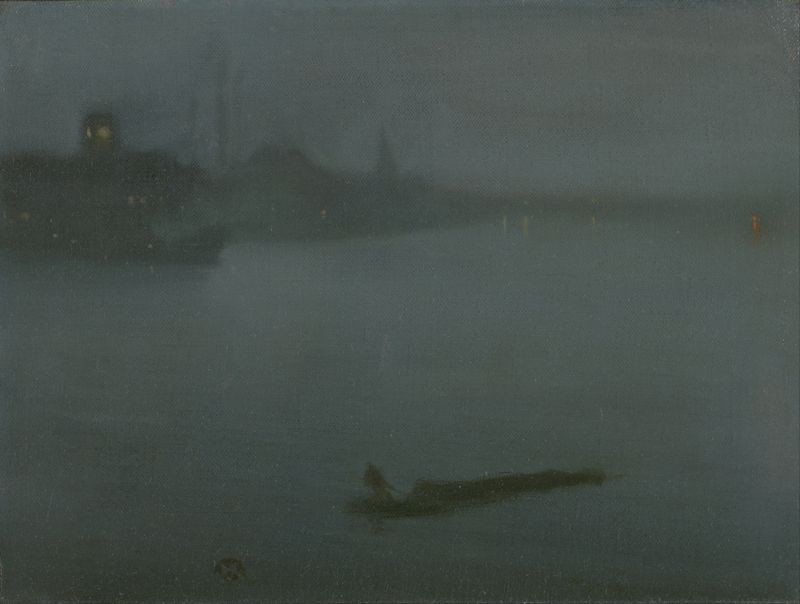
Nocturne in Blue and Silver
James Abbott McNeill Whistler
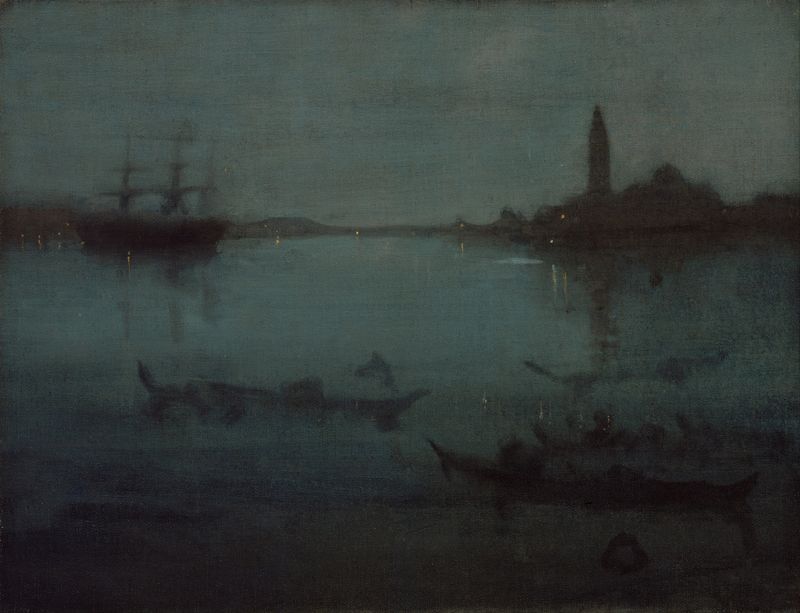
Nocturne in Blue and Silver- The Lagoon, Venice
James Abbott McNeill Whistler
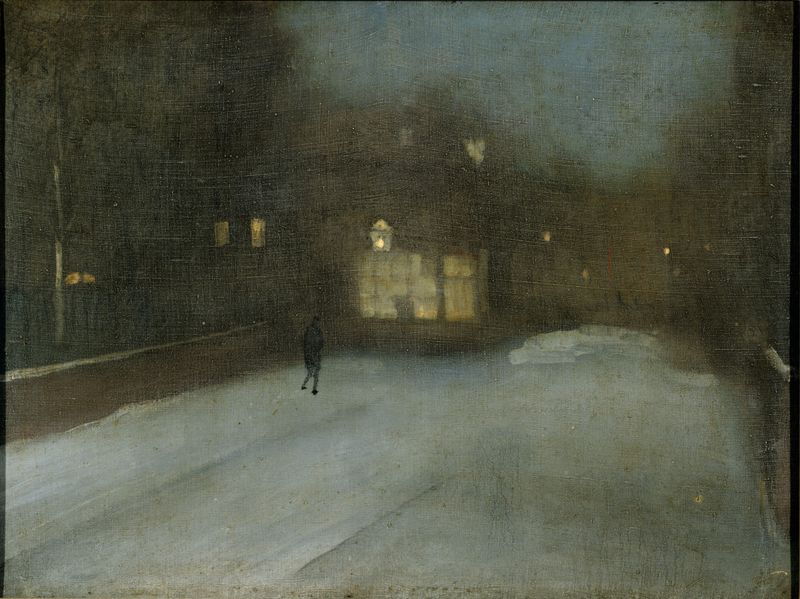
Nocturne in Grey and Gold: Chelsea Snow
James Abbott McNeill Whistler
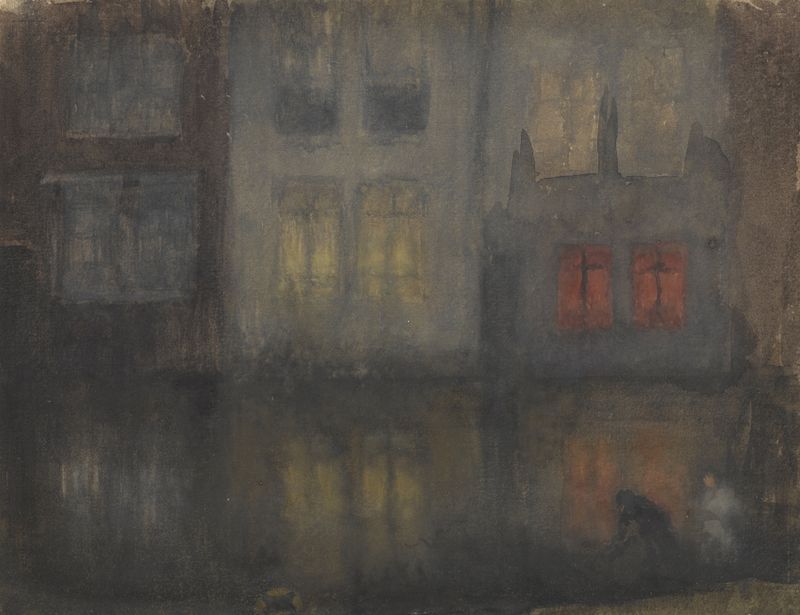
Nocturne: Black and Red—Back Canal, Holland
James Abbott McNeill Whistler
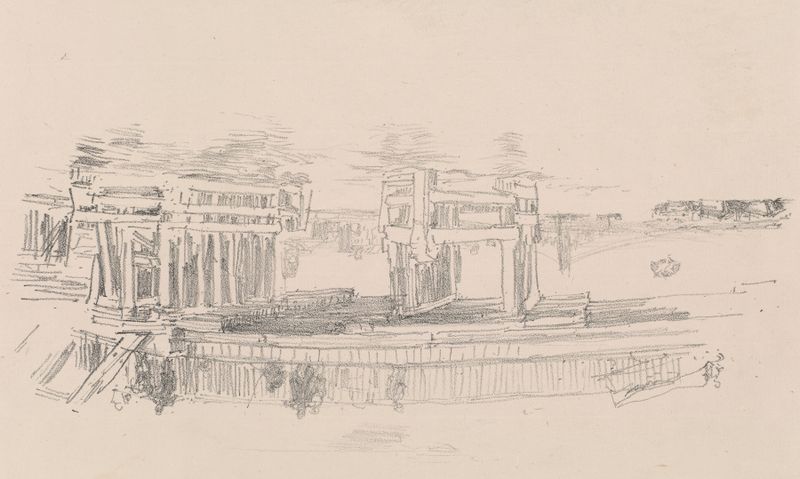
Old Battersea Bridge
James Abbott McNeill Whistler

Nocturne: Blue and Silver–Battersea Reach
James Abbott McNeill Whistler
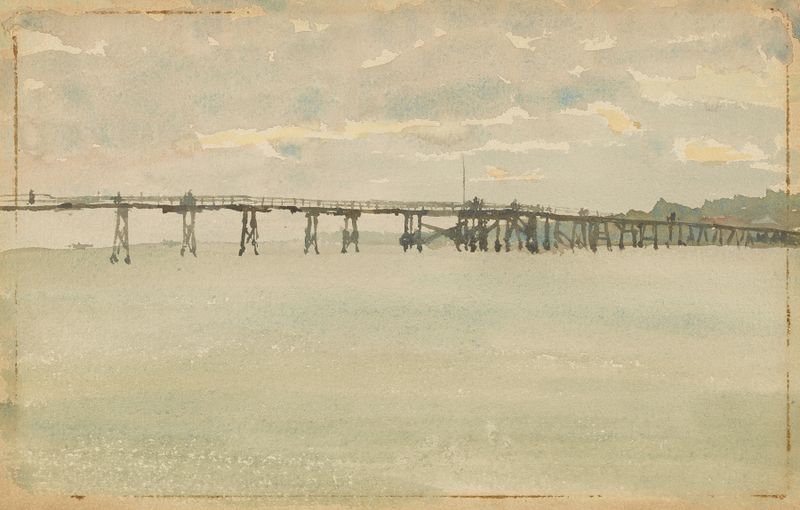
Grey and Silver–Pier, Southend
James Abbott McNeill Whistler





