
Rue du Bon Secrous, Brussels — History & Facts
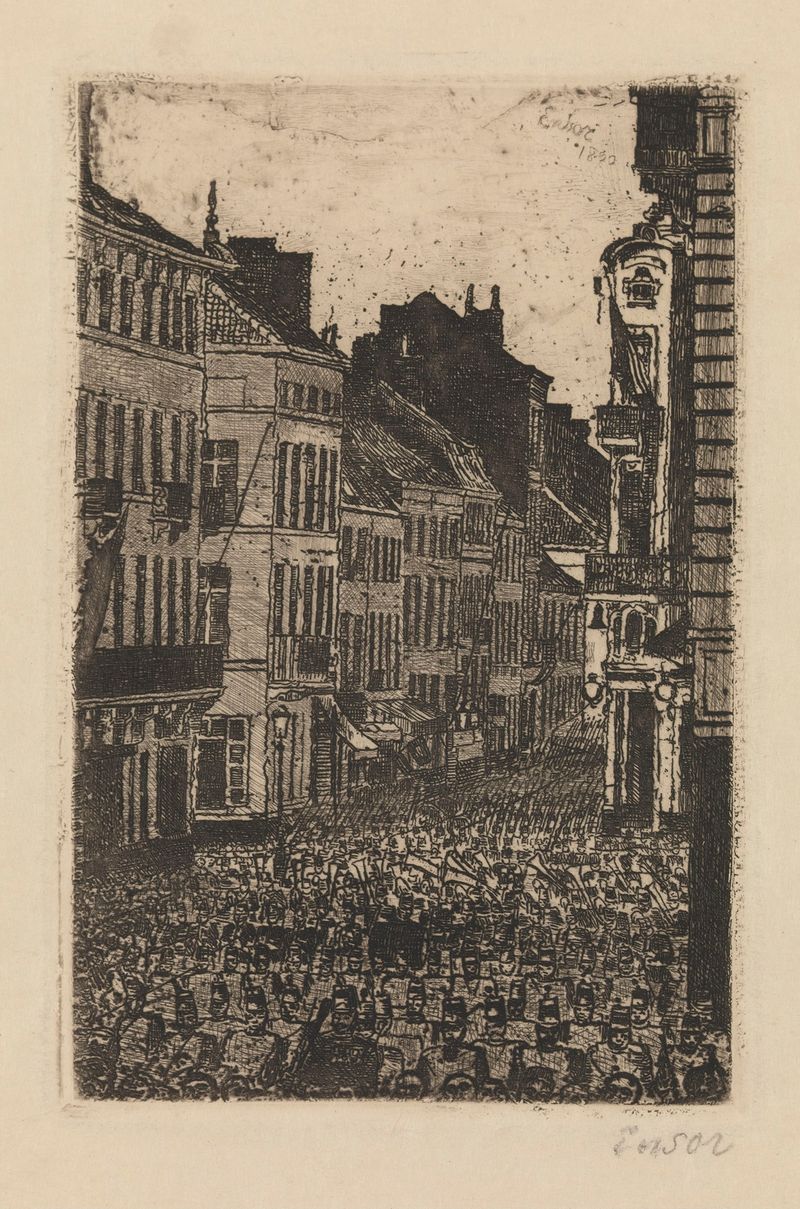
Who listens when art speaks of silence? In Rue du Bon Secours, the canvas captures a moment of introspective reflection, inviting viewers to explore the unvoiced narratives woven into its depths. Look to the left at the shadowy figures sliding through the narrow street, their identities shrouded in hues of muted browns and grays. The contrasts between light and darkness guide your gaze along the cobblestone path, leading you towards the faint yet warm glow emanating from the right. Notice how the color palettes interact, with the playful, almost chaotic brushstrokes of the architecture evoking a sense of unease, while the stillness of the street creates a haunting calm. As you delve deeper into the scene, the juxtaposition of figures—a blend of the lively and the spectral—suggests both presence and absence, a commentary on the human condition.
The vibrant flickers of color amidst the somber tones reflect an underlying tension, hinting at a world filled with silent stories waiting to be told. Each brushstroke invites contemplation, prompting viewers to ponder the emotional weight carried by both the living and the ghostly inhabitants of this narrow thoroughfare. In 1887, when this piece was created, Ensor was immersed in the avant-garde movement, responding to the rapidly changing world around him. Living in Belgium, a country rife with social and political turmoil, he sought to rebel against traditional artistic conventions, exploring themes of existentialism and the obscure.
This work, layered with a spectrum of emotions, embodies his desire to merge personal reflection with broader societal commentary, making it a notable point in his evolving repertoire.
More Artworks by James Ensor
Browse all →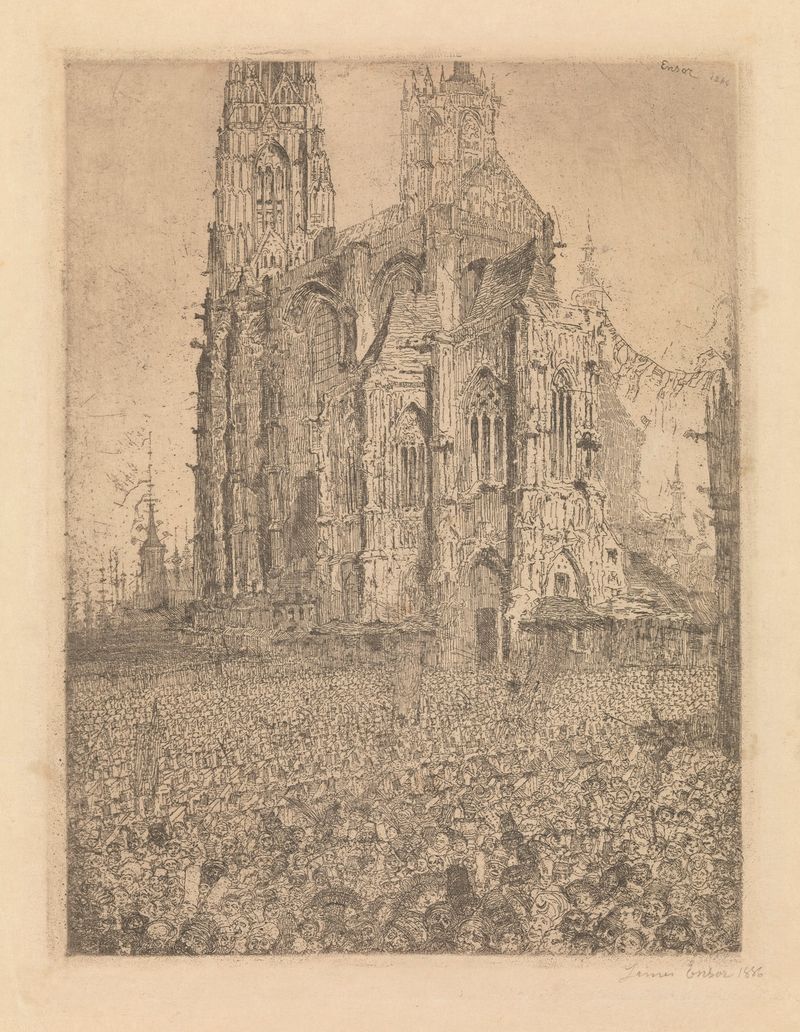
The Cathedral
James Ensor
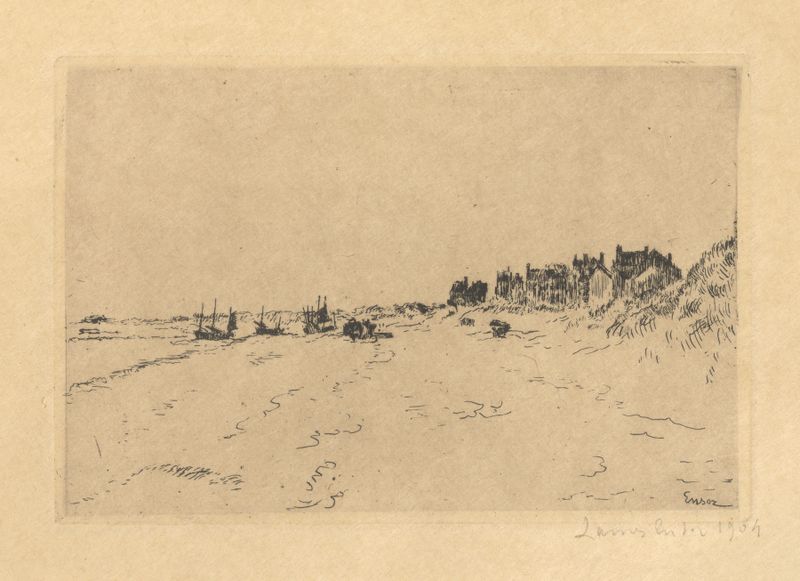
Het strand van De Panne
James Ensor
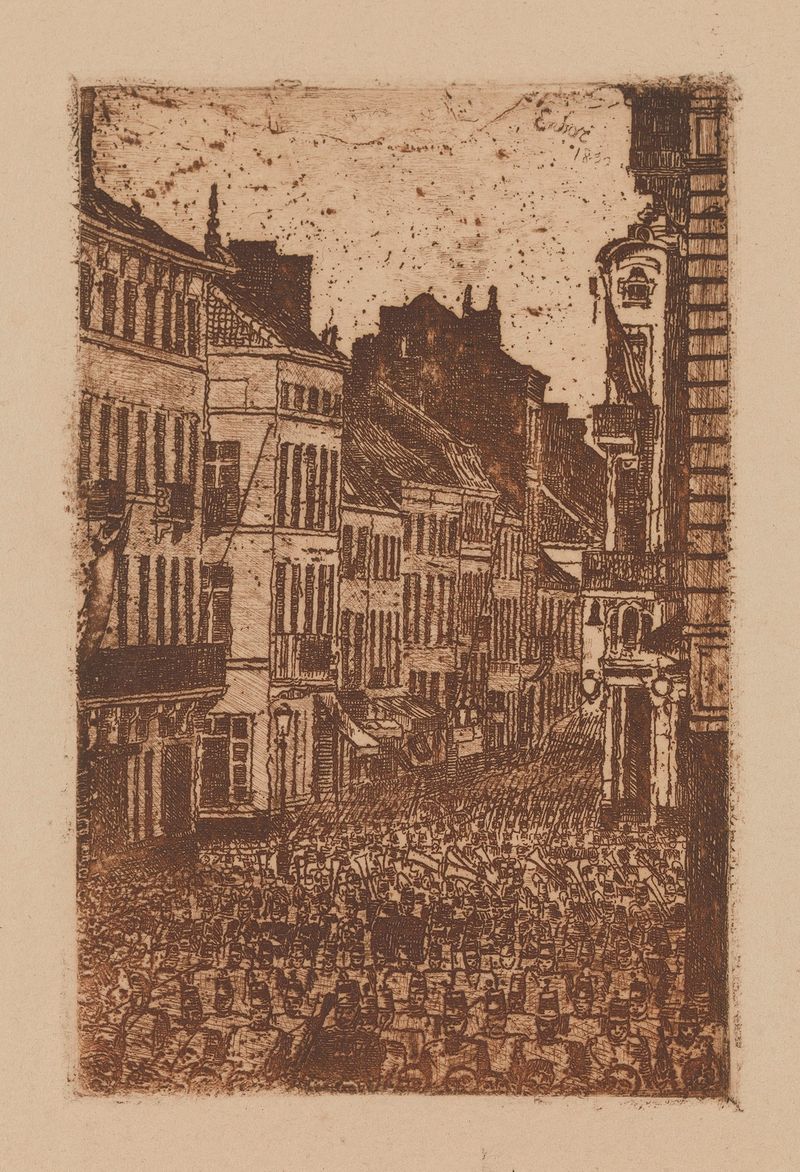
The Music in the rue de Flandre, Ostend
James Ensor
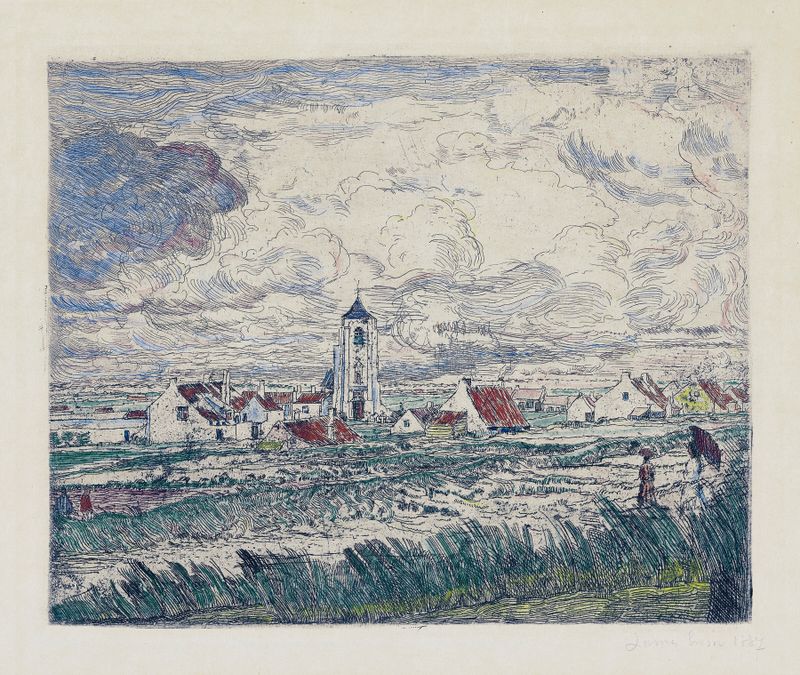
Grande vue de Mariakerke
James Ensor
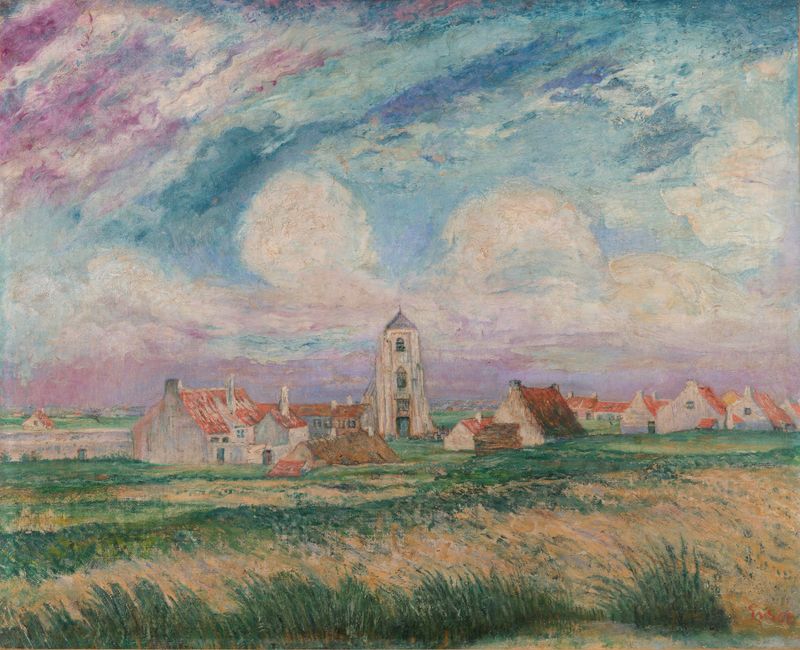
View of Mariakerke
James Ensor
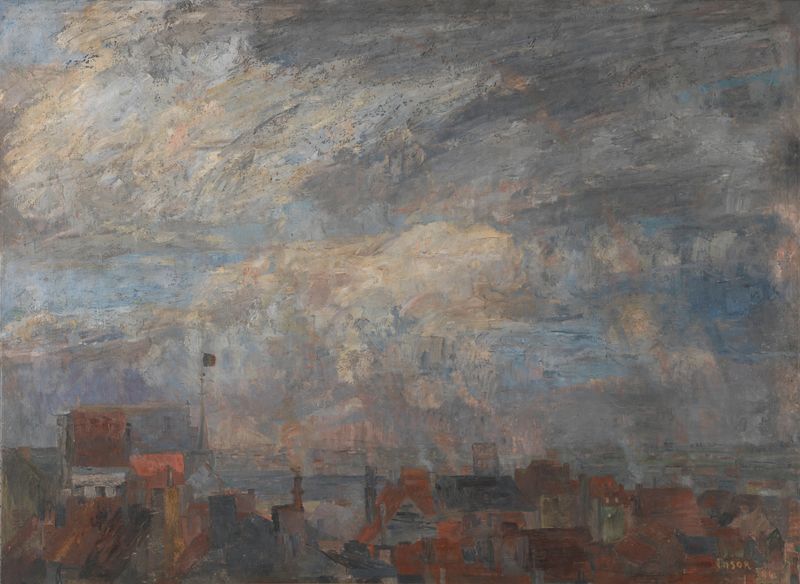
The Rooftops of Ostend
James Ensor
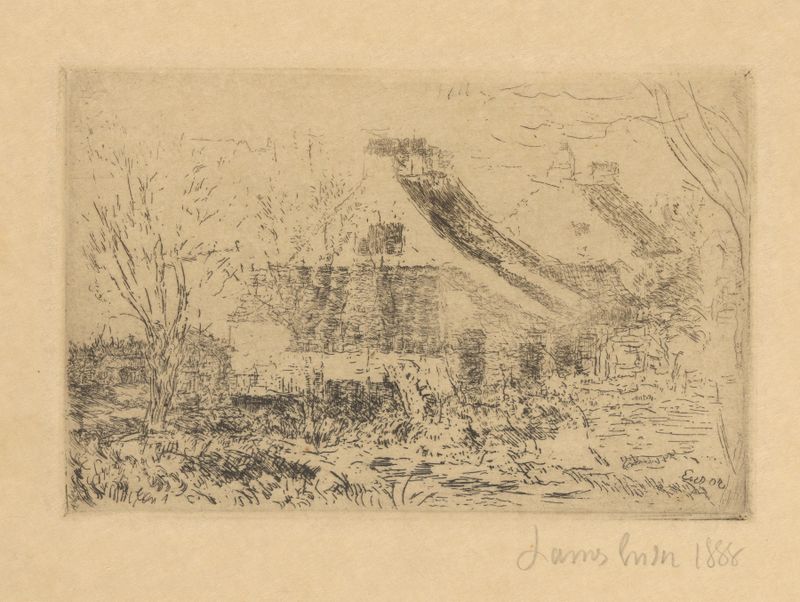
Huisjes in Mariakerke
James Ensor
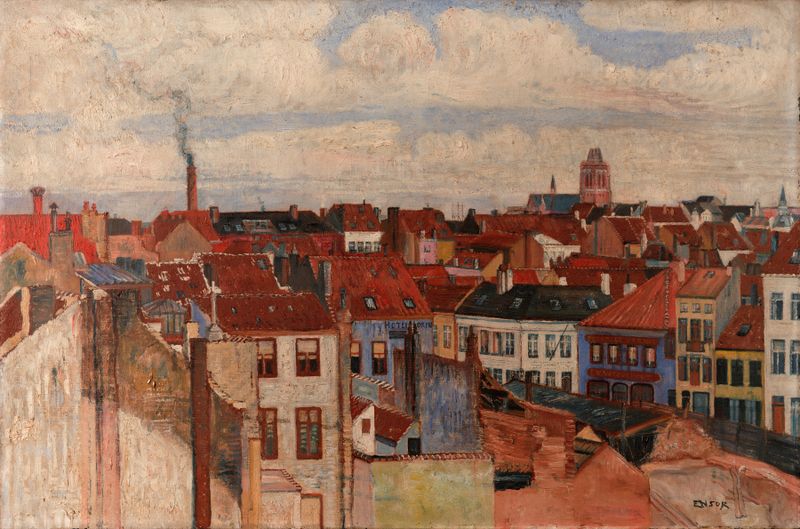
The rooftops of Ostend
James Ensor
The Music in the rue de Flandre, Ostend
James Ensor
Verovering van een vreemde stad
James Ensor





