
Rue Galande — History & Facts
It captures the essence of a moment where beauty intertwines with stillness, leaving a lingering sentiment that echoes in the heart. Look closely at the left side of the canvas, where the soft hues of twilight descend upon the cobblestone street. The gentle blush of pink and lavender dances with the muted grays, enveloping the scene in a dreamlike haze. Notice how Jouas masterfully captures the interplay of light and shadow, allowing the reflections in the puddles to mirror the world above, creating a delicate balance between reality and reflection. In this intimate urban tableau, the juxtaposition of abandoned architecture and the distant figures evokes a poignant sense of solitude.
The looming buildings, draped in whispers of history, seem to guard secrets while the flicker of distant lamplight invites contemplation. Each empty street corner tells a story, resonating with echoes of laughter and footsteps long faded, drawing viewers into a shared yet silent narrative. In 1906, Jouas was immersed in the vibrant art scene of Paris, a city alive with new ideas and movements. He meticulously painted Rue Galande during a time when the world was shifting towards modernity, yet he chose to capture a fleeting moment of timelessness.
It reflects his desire to preserve the beauty of everyday life against the backdrop of rapid change, inviting us to pause and appreciate the simple elegance often overlooked.
More Artworks by Charles Jouas
Browse all →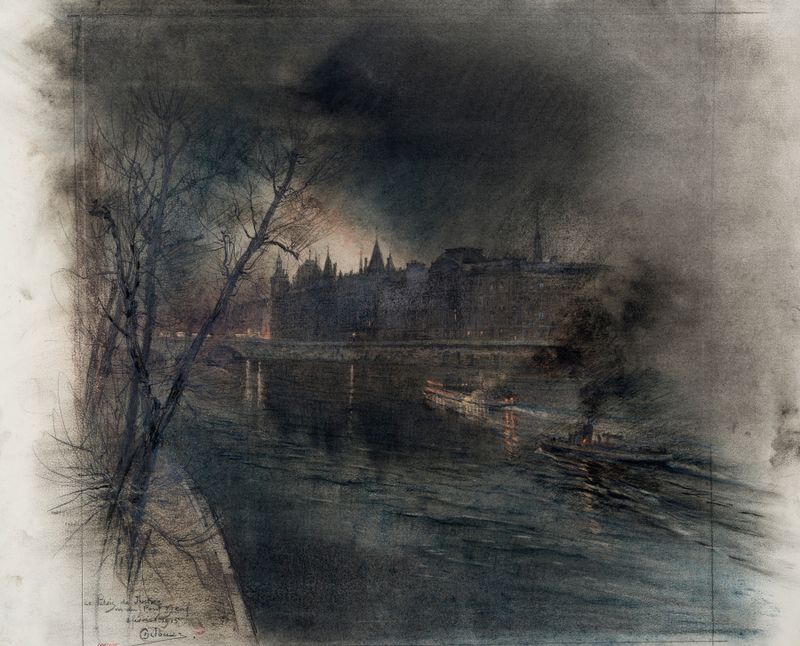
Le Palais de Justice vu du Pont-Neuf
Charles Jouas
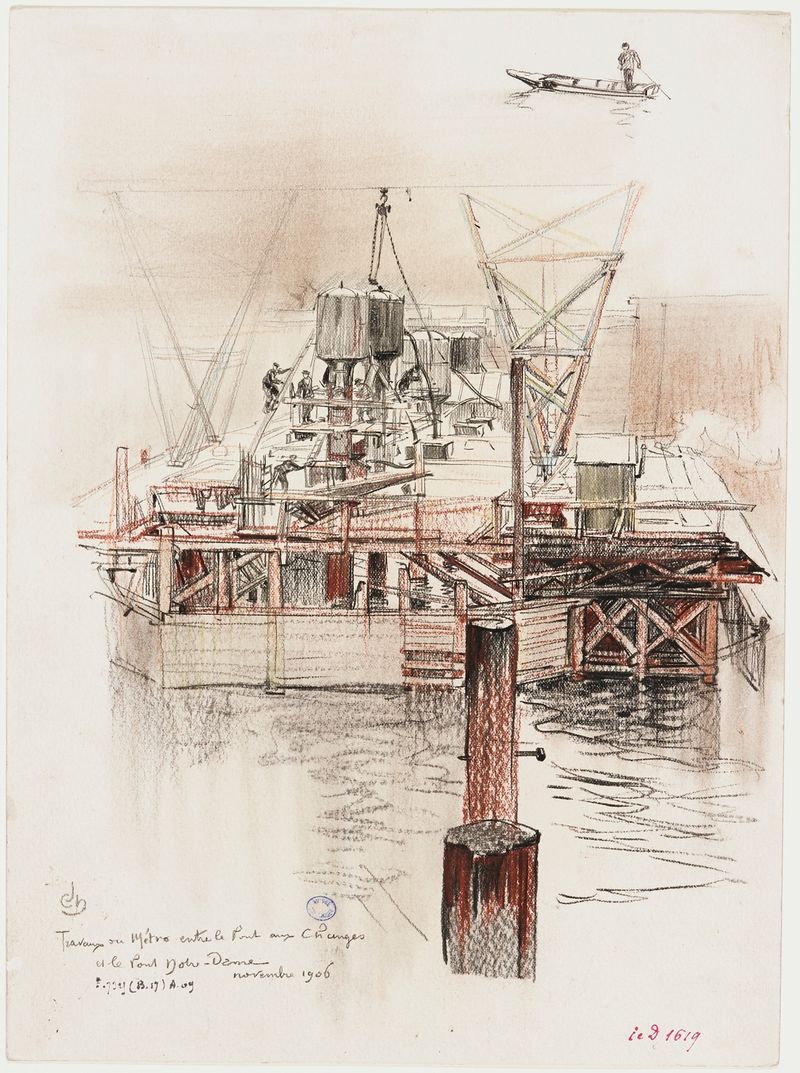
Travaux du métro entre le pont au Change et le pont Notre Dame
Charles Jouas
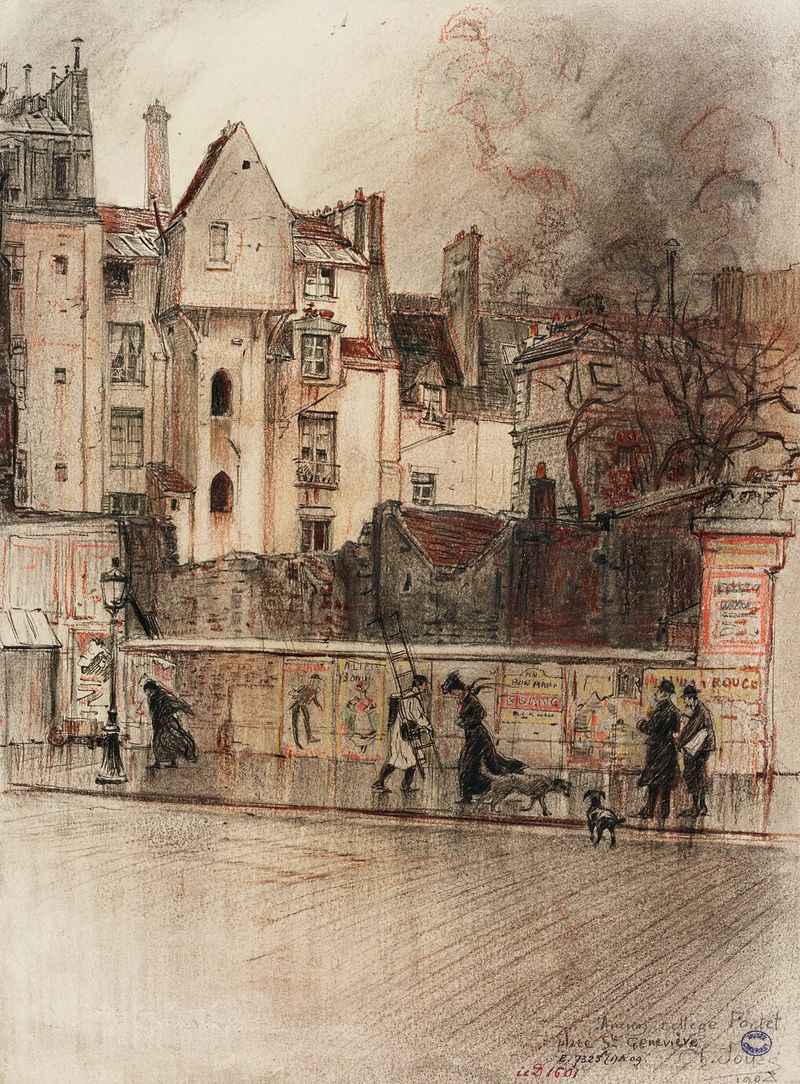
La tour de Calvin (ancien collège de Fortet), place Sainte Geneviève
Charles Jouas

Travaux du métro entre le pont au Change et le pont Notre Dame
Charles Jouas
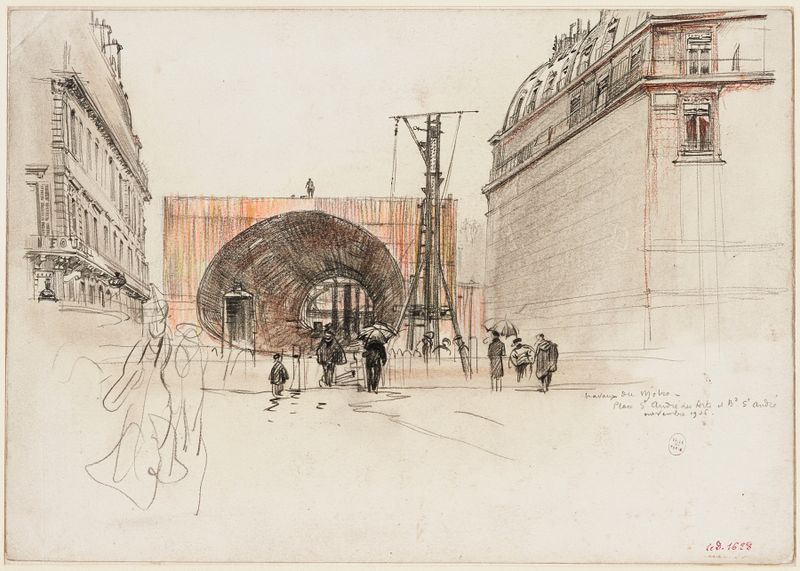
Travaux du métropolitain rue Danton et boulevard Saint-André (le caisson), 6ème aarondissement, Paris
Charles Jouas
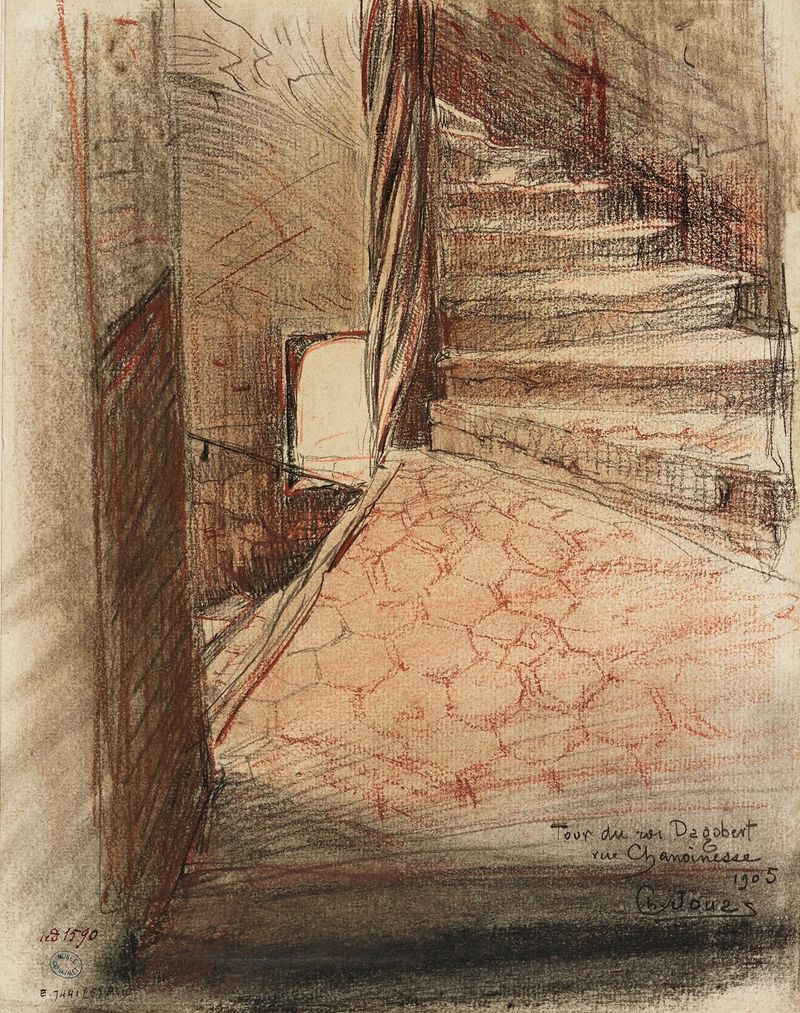
Escalier de la tour Dagobert, rue Chanoinesse
Charles Jouas

Escalier intérieur, 16 rue du Cloître Notre-Dame
Charles Jouas

L’escalier de la rue des Barres
Charles Jouas
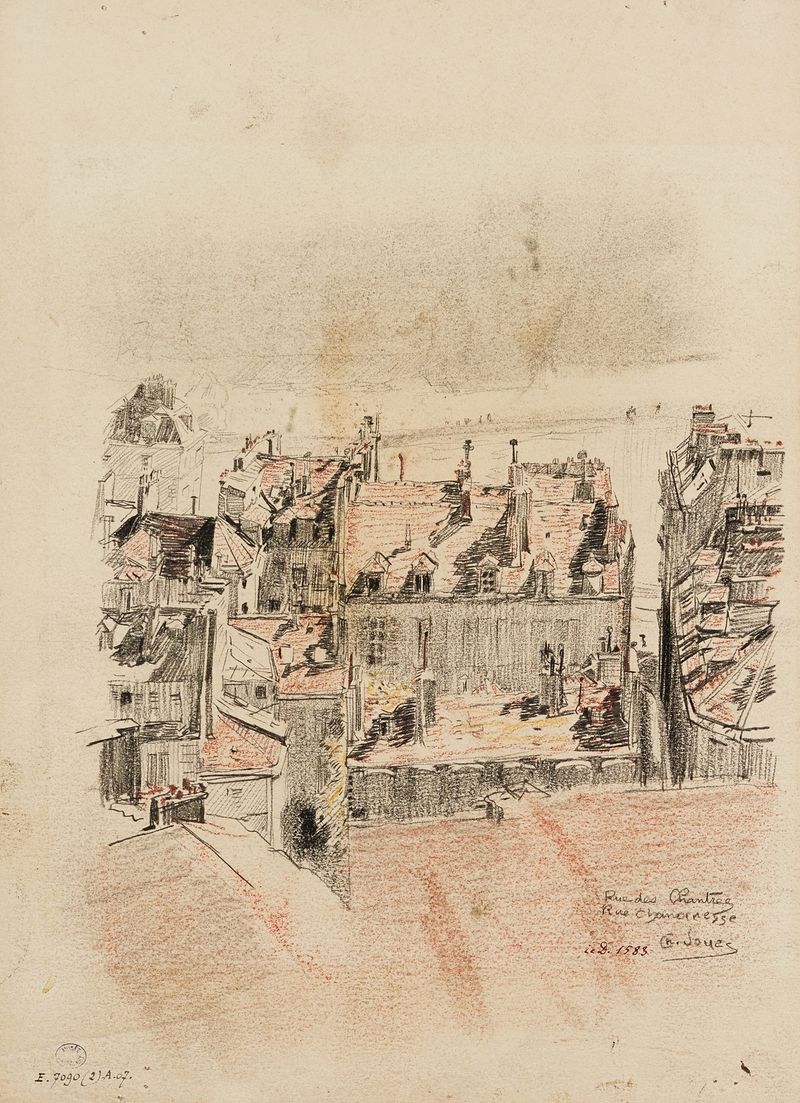
Rue des Chantres et rue Chanoinesse
Charles Jouas

Rue Grenier sur l’Eau
Charles Jouas





