
Rue Saint Jacques — History & Facts
In Rue Saint Jacques, the essence of awakening is palpable, a whisper of life captured on canvas. Look to the foreground where delicate, muted colors breathe life into the cobblestone street, hinting at the stories woven into its very fabric. Notice how Jouas employs soft, almost ethereal light filtering through the trees, casting dappled shadows that dance playfully across the scene. The warm ochres and cool blues meld seamlessly—an invitation to wander through this tranquil Parisian avenue, where time seems suspended. As you delve deeper, the painting reveals contrasts that echo with emotion.
The interplay of light and shadow speaks to the duality of urban existence—the vitality of life alongside the quiet solitude often found in bustling streets. The solitary figure, cloaked in mystery, represents both the individual and a collective experience, as if they are both a part of the vibrancy of Paris and apart from it. Each brushstroke becomes a subtle reminder of the passage of time, the awakening of a new day, and the life waiting just beyond the canvas. Created in 1906, Jouas painted this while Paris underwent significant transformation, a city blossoming with modernity yet rich in history.
He was deeply influenced by the Impressionists, yet sought to capture moments of stillness and introspection within the chaos. This piece reflects not only his artistic evolution but also a broader shift in the world of art, where the focus began to turn away from overt realism toward a more emotive, atmospheric portrayal of life.
More Artworks by Charles Jouas
Browse all →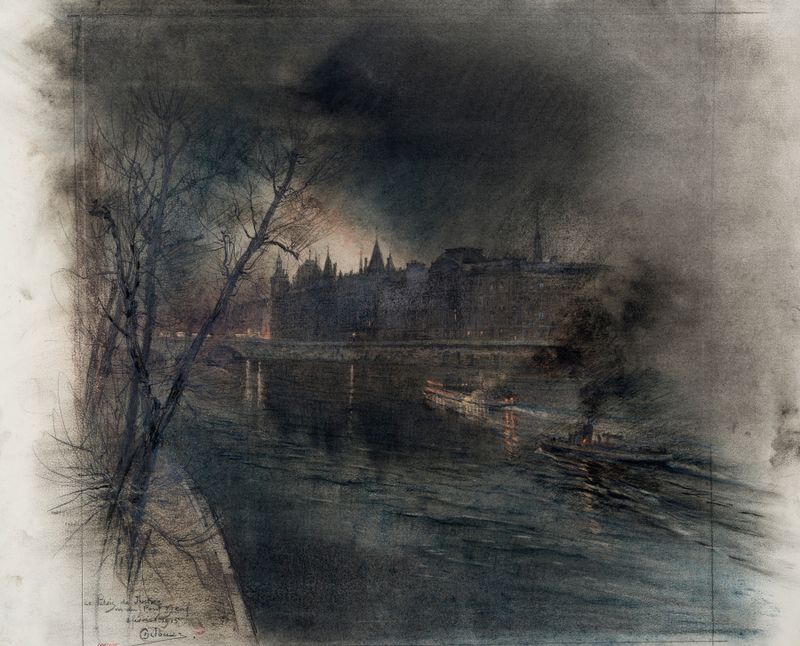
Le Palais de Justice vu du Pont-Neuf
Charles Jouas
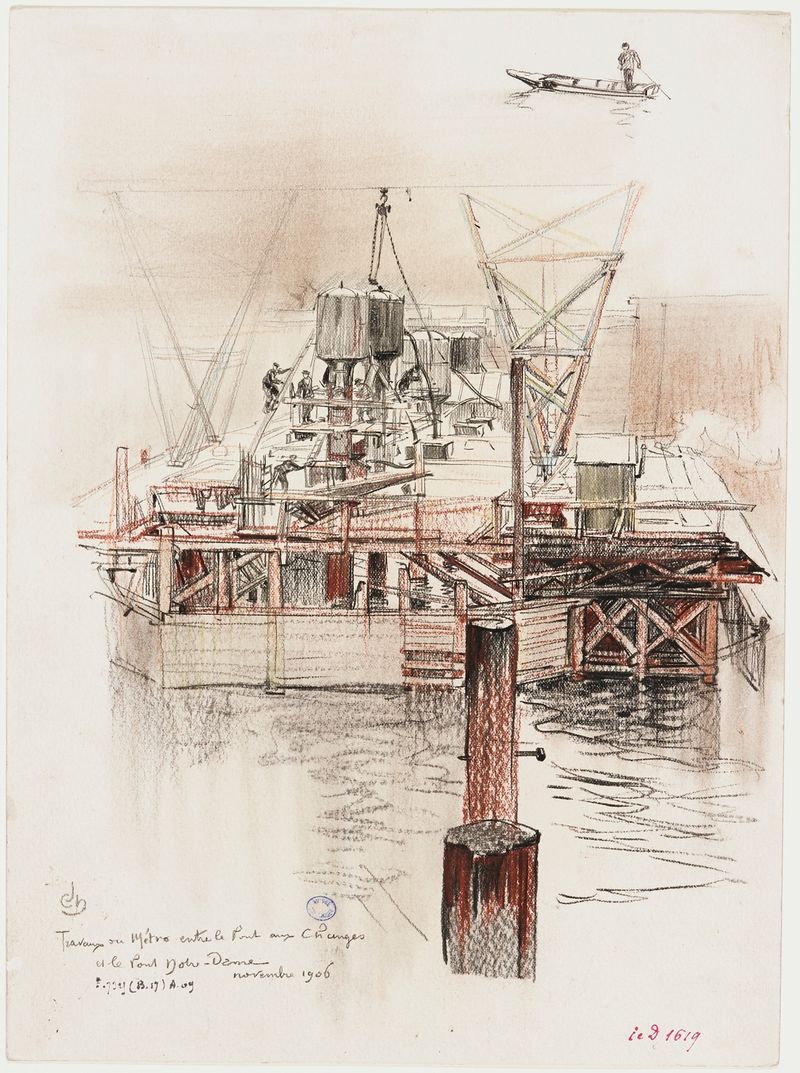
Travaux du métro entre le pont au Change et le pont Notre Dame
Charles Jouas
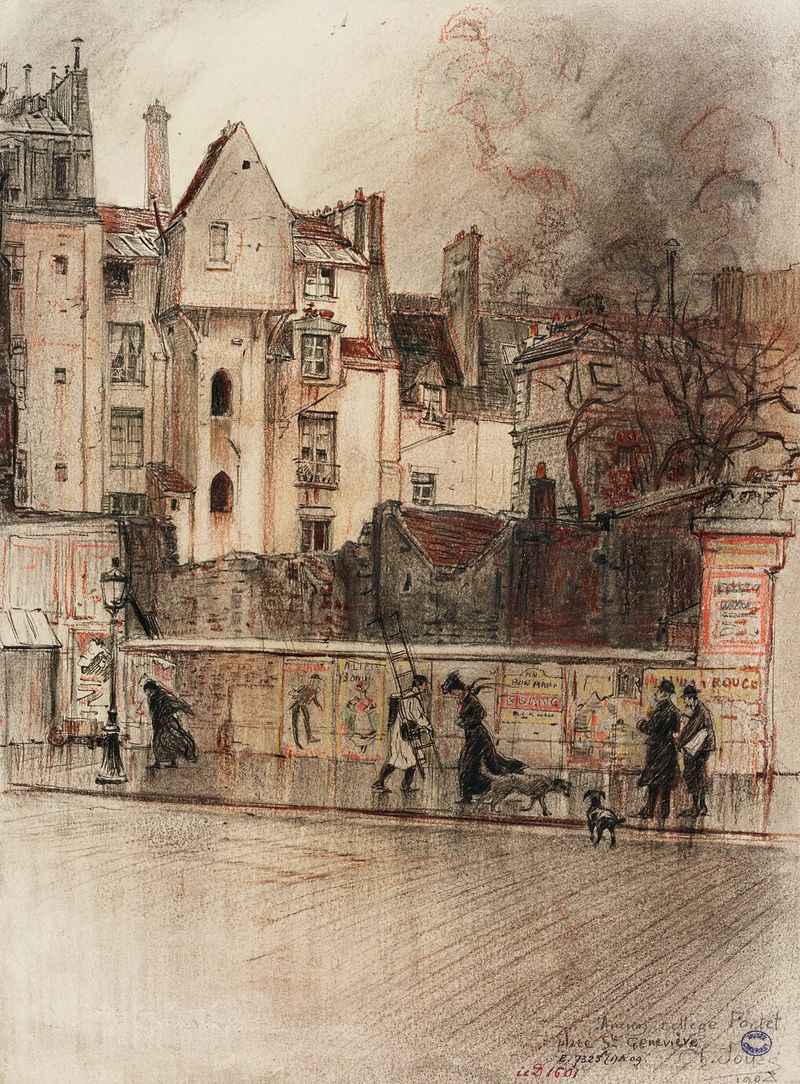
La tour de Calvin (ancien collège de Fortet), place Sainte Geneviève
Charles Jouas

Travaux du métro entre le pont au Change et le pont Notre Dame
Charles Jouas
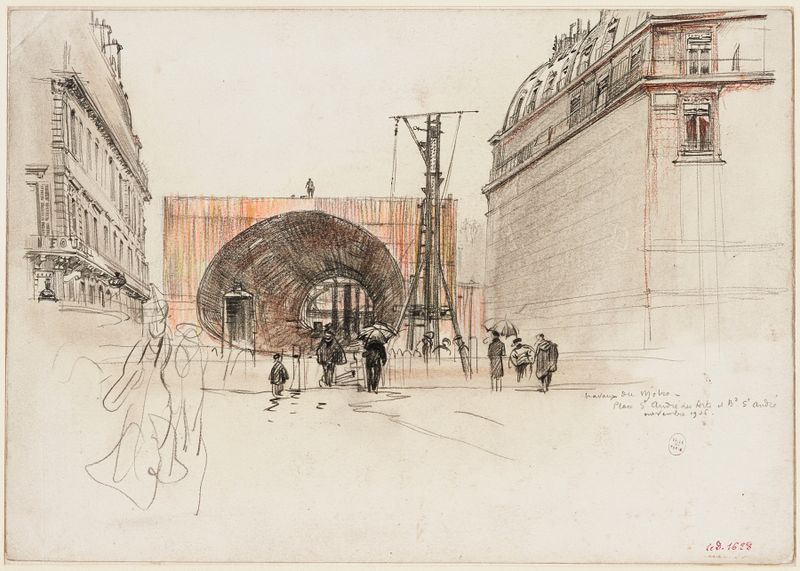
Travaux du métropolitain rue Danton et boulevard Saint-André (le caisson), 6ème aarondissement, Paris
Charles Jouas
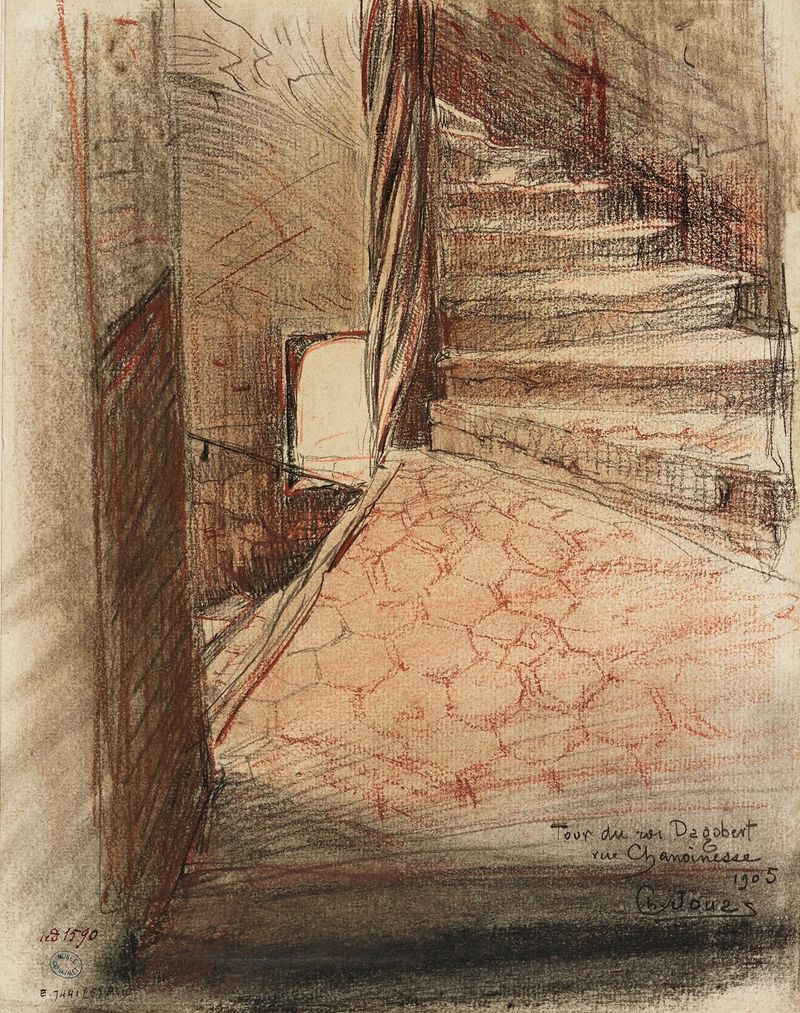
Escalier de la tour Dagobert, rue Chanoinesse
Charles Jouas

Escalier intérieur, 16 rue du Cloître Notre-Dame
Charles Jouas

L’escalier de la rue des Barres
Charles Jouas
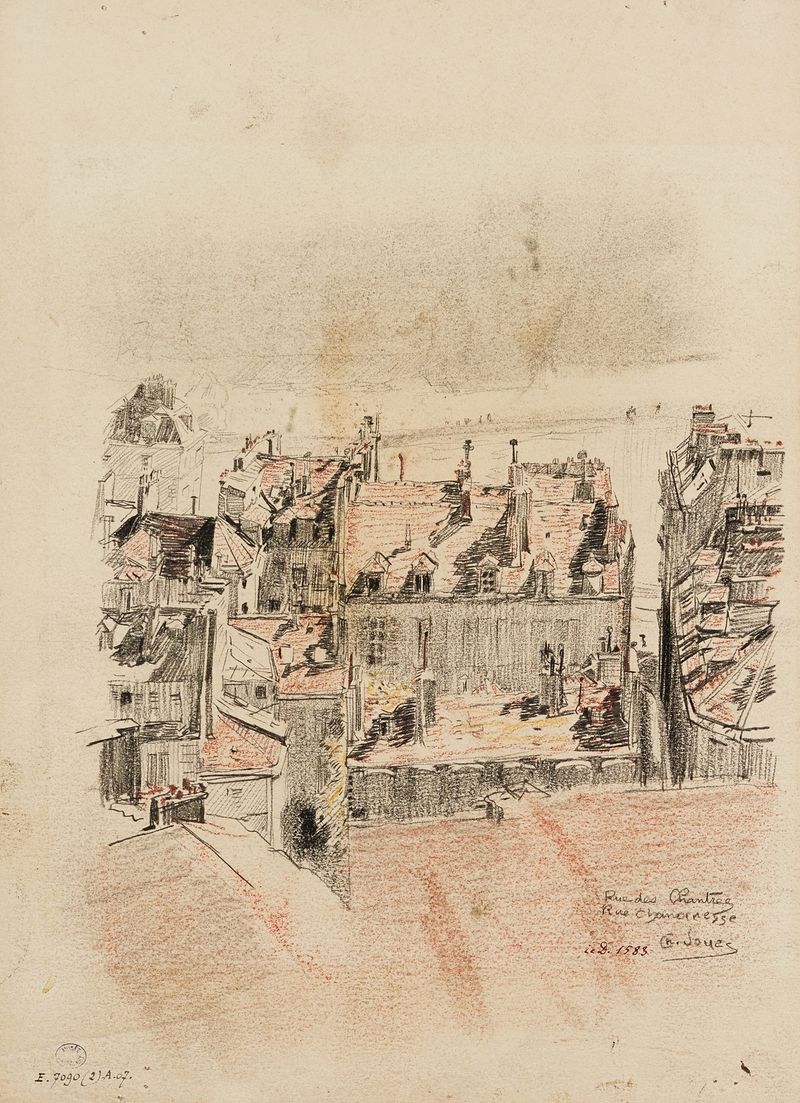
Rue des Chantres et rue Chanoinesse
Charles Jouas

Rue Grenier sur l’Eau
Charles Jouas





