
Ruins at Capua — History & Facts
In an age where innocence fades into the shadows of history, Ruins at Capua emerges as a poignant reminder of beauty and transience. This artwork invites reflection on the remnants of a once-vibrant world, asking us to grapple with our own lost certainties. Look to the center of the canvas, where crumbling columns and fragmented sculptures stand sentinel against a whispering breeze. The artist employs a soft palette of muted earth tones, allowing the golden light of a fading sun to embrace the ruins with warmth, contrasting the cool shadows that linger in the crevices.
The delicate brushwork captures the play of light and texture, creating a tangible sense of place that draws the viewer into this melancholic memory. Amidst the grandeur of decay, there lies a profound commentary on the passage of time and the innocence that drifts away like the dust of history. The juxtaposition of the once-majestic architecture against the encroaching elements reveals a silent dialogue about resilience and fragility. Each chipped stone hints at stories long forgotten, mirroring our own fleeting moments of youth and wonder, urging us to reflect on what remains when the noise of life quiets down. Carlo Labruzzi created Ruins at Capua during a period when neoclassical themes were gaining traction, likely in the late 18th century.
Working in Italy, he focused on capturing landscapes and architectural ruins that evoked nostalgia and historical awareness. This work stands as a testament to his ability to merge technical precision with emotional depth, reflecting a world teetering on the brink of modernity while still honoring the echoes of the past.
More Artworks by Carlo Labruzzi
Browse all →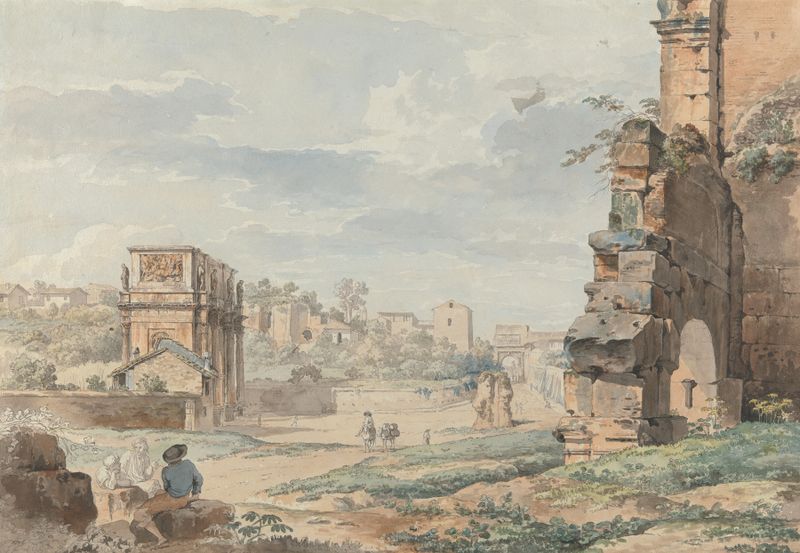
Part of the Colosseum with the Arch of Constantine and Arch of Titus in the Distance, Rome
Carlo Labruzzi
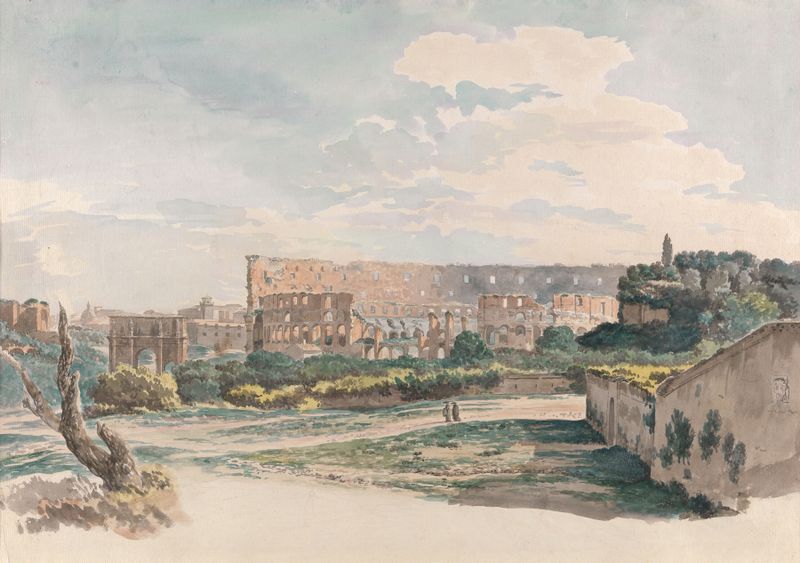
The Colosseum from the Caelian Mount, with the Arch of Constantine and a View of the Forum, Rome.
Carlo Labruzzi
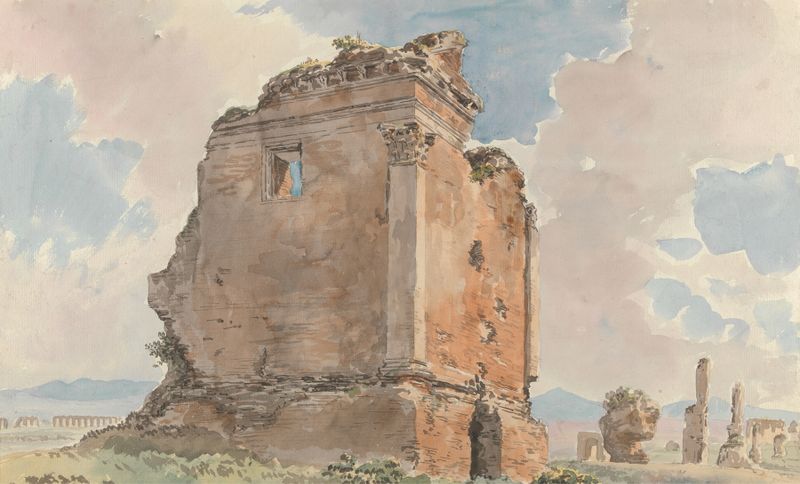
Sepulchre on the Via Nomentana in the Roman Campagna
Carlo Labruzzi
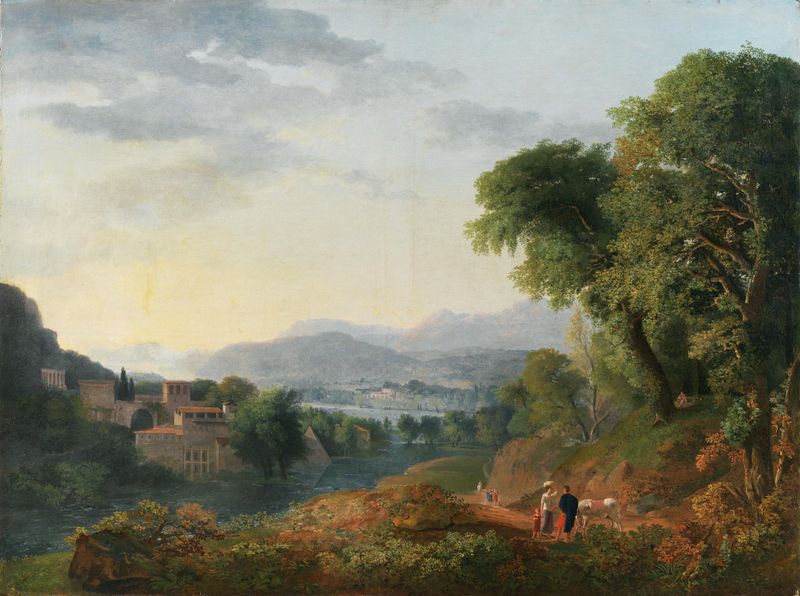
An Italianate landscape
Carlo Labruzzi
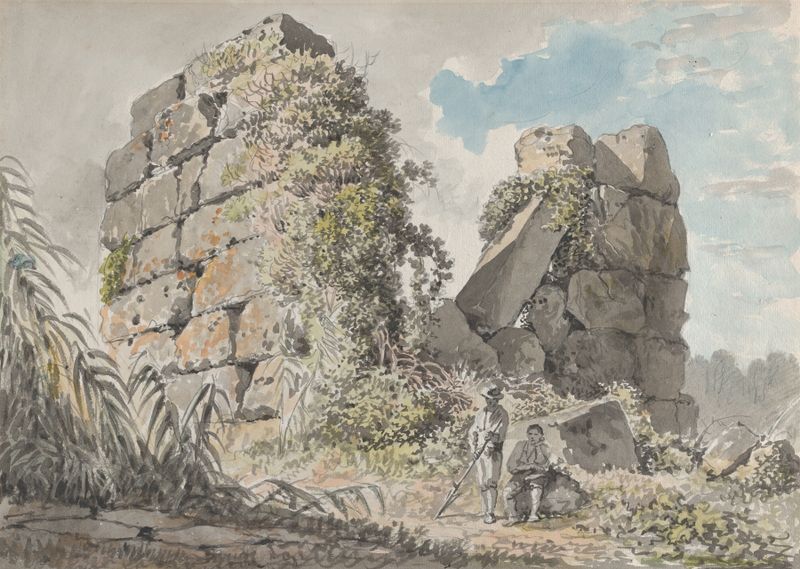
Ruins on the Right of the Via Appia
Carlo Labruzzi
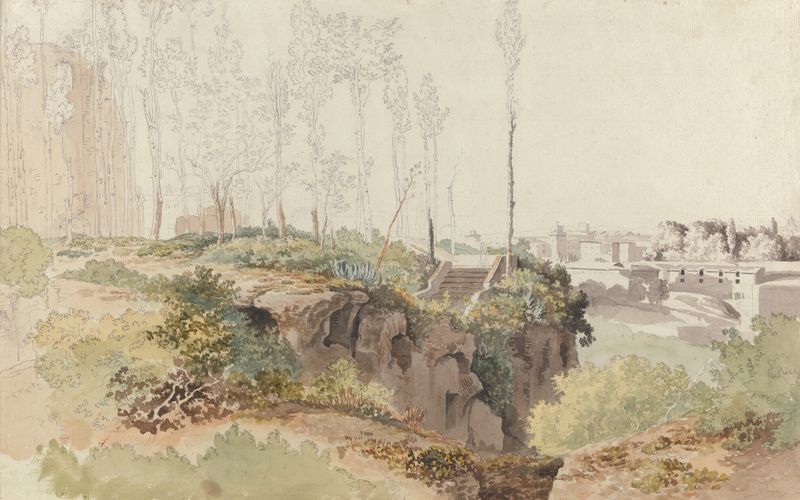
The Baths of Caracalla, Rome
Carlo Labruzzi
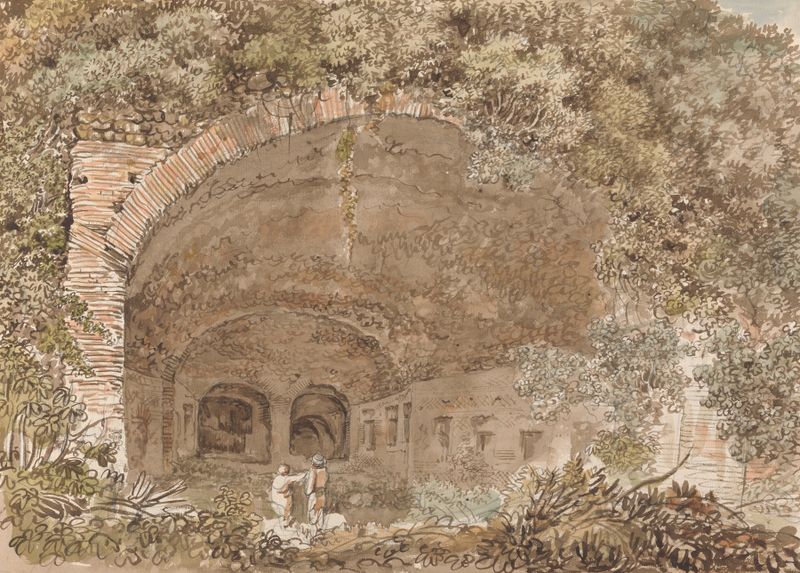
On the Appian Way
Carlo Labruzzi
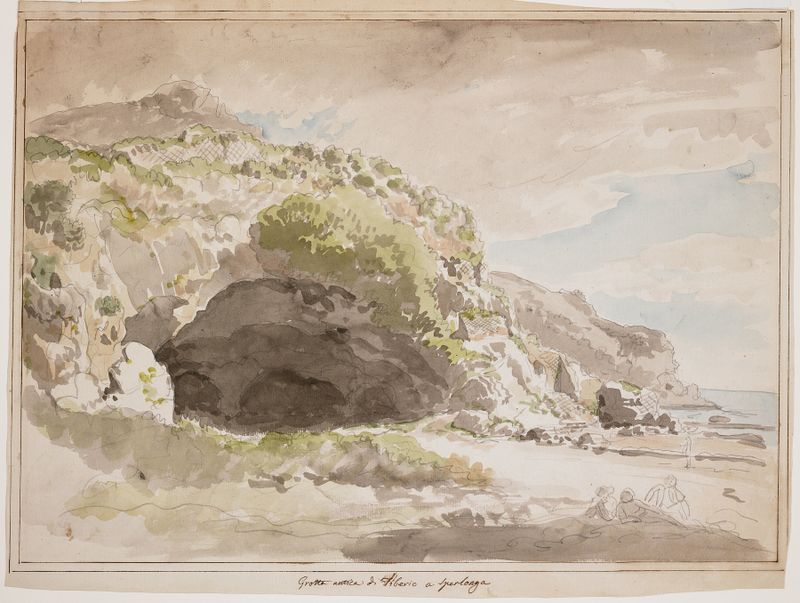
Grotto of Tiberius at Sperlonga
Carlo Labruzzi
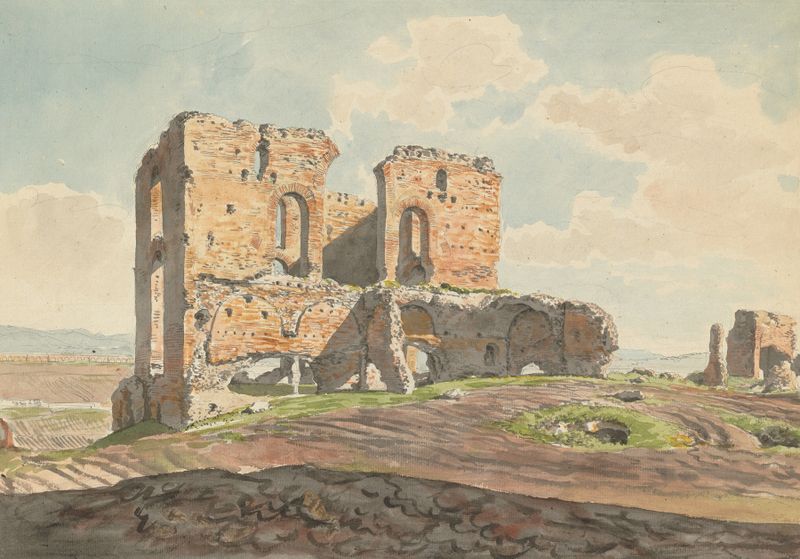
The Great Villa of the Quintilii on the Appian Way
Carlo Labruzzi
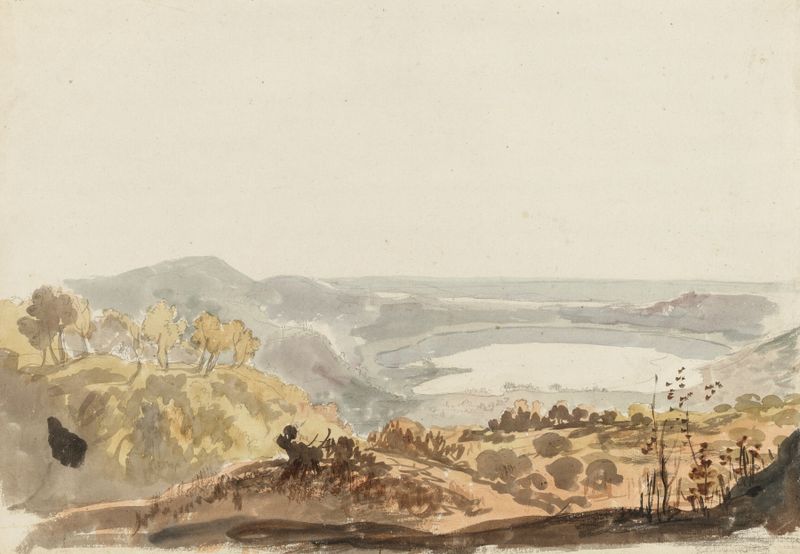
View of Lake Nemi looking towards Rome
Carlo Labruzzi
More Architecture Art
Browse all →
The statue of Liberty
Frédéric Auguste Bartholdi

View of Houses in Delft, Known as ‘The Little Street’
Johannes Vermeer

View of Houses in Delft, Known as ‘The Little Street’
Johannes Vermeer

The Cathedral in Rouen. The portal, Grey Weather
Claude Monet

The yellow house
Vincent van Gogh

The Church in Auvers-sur-Oise, View from the Chevet
Vincent van Gogh