
Ruins at the Vistula River bank – Janowiec — History & Facts
In the delicate interplay of color and form, one can sense the pulse of a world both lost and cherished, where balance becomes a silent conversation between decay and beauty. Look to the bottom left, where earthy tones of brown and ochre cradle the remnants of crumbling architecture, hinting at a forgotten past. Notice how the gentle greens and blues of the Vistula River flow seamlessly into the scene, drawing the eye upwards toward the hints of blue sky. The careful layering of brushstrokes creates a textured surface that invites exploration, while the light dances across the water, reflecting the ephemeral nature of time itself. As your gaze wanders, an emotional tension emerges between the ethereal presence of the river and the ruins that stand as silent witnesses to history.
The juxtaposition of vibrant life against the starkness of decay embodies a profound sense of nostalgia, evoking questions of permanence and transience. Each element serves as a reminder that beauty often resides within the remnants of what once was, creating an intricate narrative of loss and continuity. In 1906, Władysław Ślewiński painted this piece during a time of great artistic exploration in Poland, amidst the broader currents of impressionism and post-impressionism. Living in a period marked by national identity and change, he sought to capture the essence of his homeland's landscapes, merging personal reflection with the collective memory of a nation.
His approach to color and composition in Ruins at the Vistula River bank – Janowiec reflects both the intimate and the universal, a testament to the human experience steeped in history.
More Artworks by Władysław Ślewiński
Browse all →
Rough sea
Władysław Ślewiński
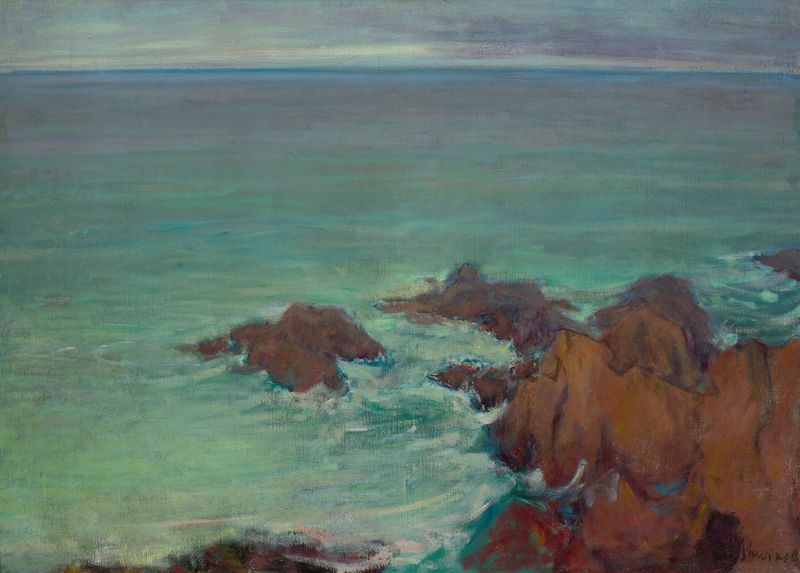
Sea in Brittany
Władysław Ślewiński
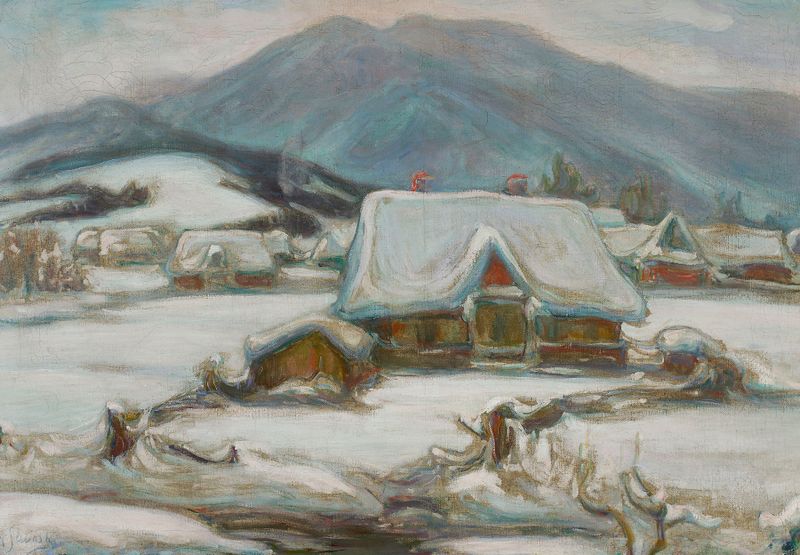
Cottages in the snow
Władysław Ślewiński

Sea
Władysław Ślewiński

Waves in a rocky bay
Władysław Ślewiński

Sea with white waves
Władysław Ślewiński
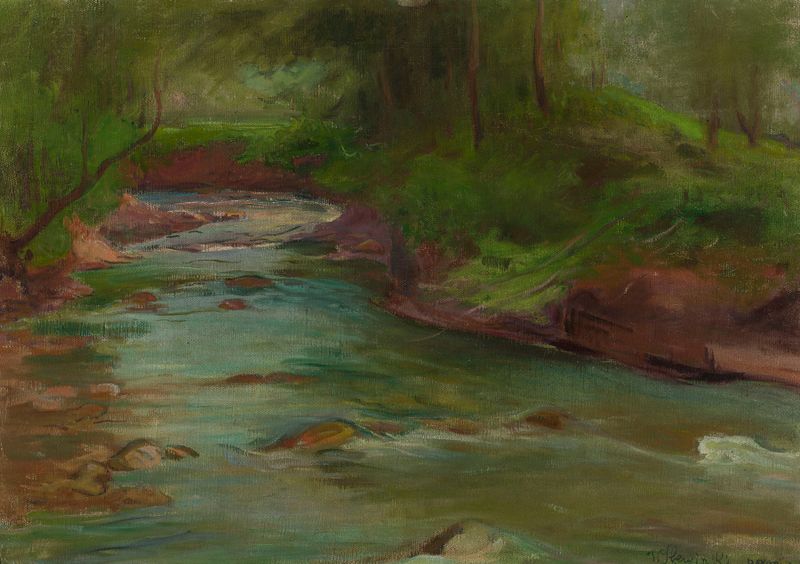
Mountain stream – in the Tatra Mountains below Mt Nosal
Władysław Ślewiński
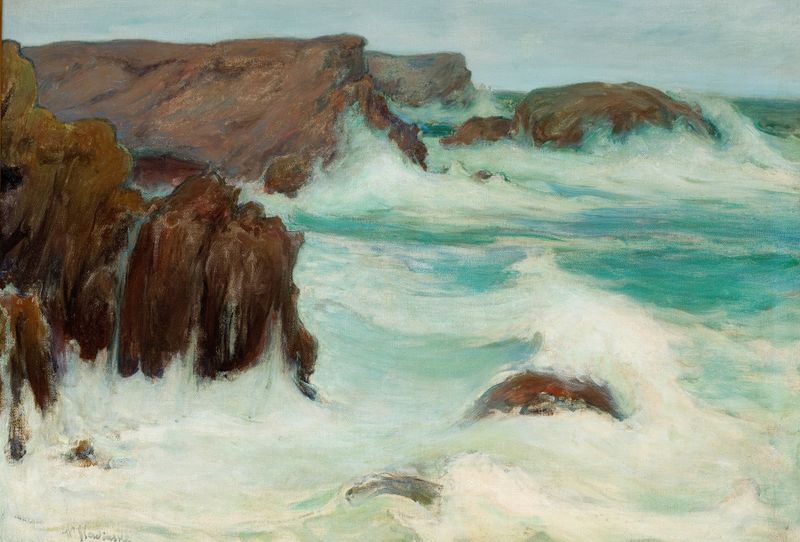
The Sea in Brittany
Władysław Ślewiński

A Coastal Landscape
Władysław Ślewiński

Sea at night
Władysław Ślewiński





