
Ruins in the Campagna — History & Facts
Where does light end, and longing begin? The delicate interplay between shadow and illumination in this artwork invites us to ponder the very essence of movement, both within the landscape and within ourselves. Look to the left at the crumbling arches, their weathered stone etched with the passage of time. The warm hues of ochre and soft greens envelop the scene, as sunlight filters through the scattered clouds, casting gentle light upon the ruins. Notice how the artist masterfully captures the undulating hills in the background, leading the eye toward the horizon where sky and earth converge, evoking a sense of infinite possibility amidst decay. The juxtaposition of the vibrant landscape with the remnants of civilization speaks volumes about the transient nature of beauty and existence.
Each brushstroke reveals a tender contradiction: the enduring power of nature against the fragility of manmade structures, a silent conversation between creation and destruction. The whimsical clouds seem to dance above, hinting at a breeze that stirs the stillness, inviting us to imagine the stories that echo through the ruins. Edward Lear painted this piece during a transformative period in his life, likely in the 1850s while he traveled through Italy. Often celebrated for his whimsical verses and illustrations, Lear's foray into landscape painting reflects a moment of personal exploration amidst the broader Romantic movement.
This artwork emerges from a time when artists began to value emotional expression and the sublime qualities of nature, allowing his brush to dance with both nostalgia and reflection.
More Artworks by Edward Lear
Browse all →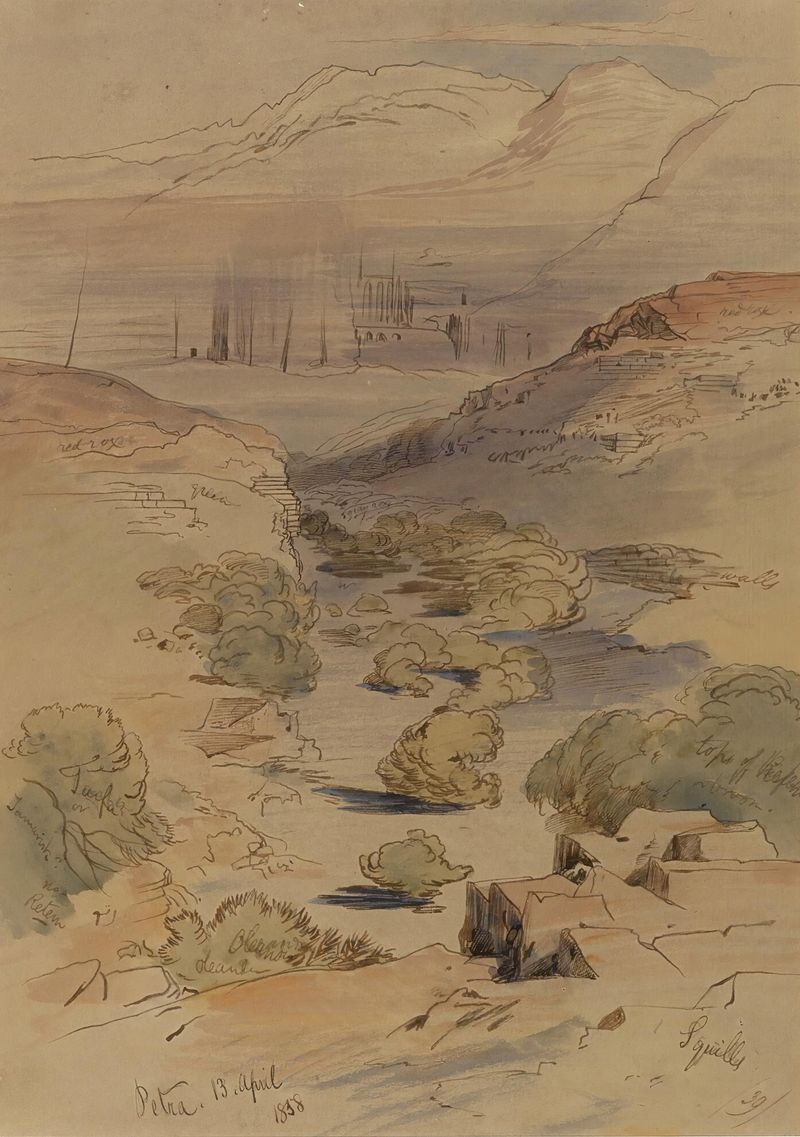
Petra
Edward Lear
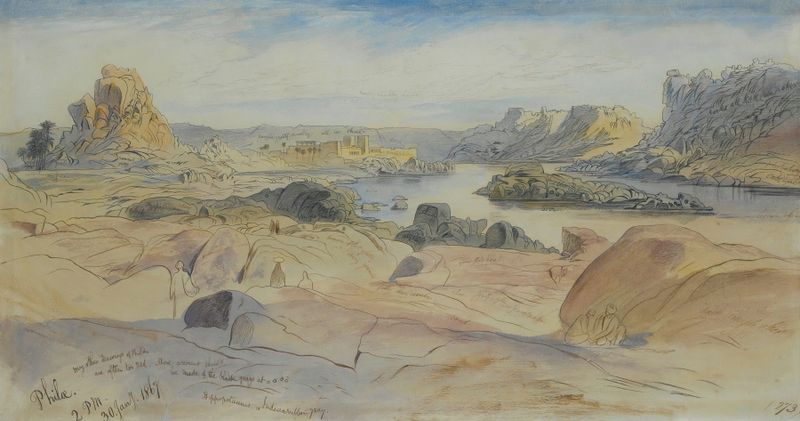
Philae, Egypt
Edward Lear
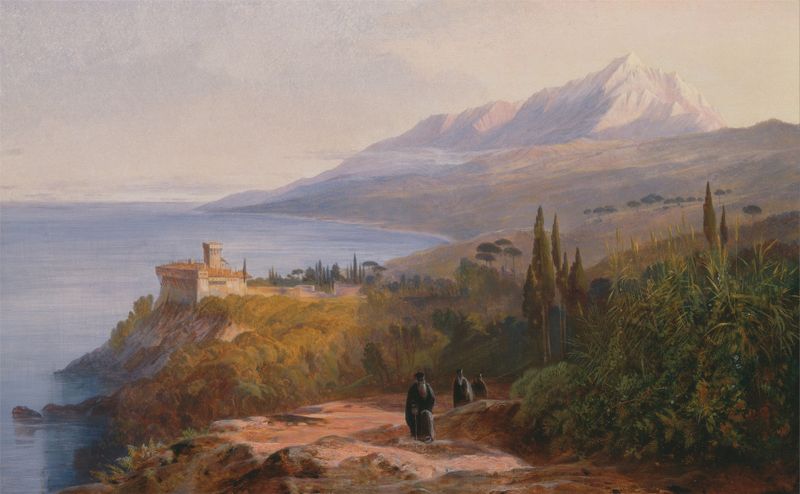
Mount Athos and the Monastery of Stavronikétes
Edward Lear
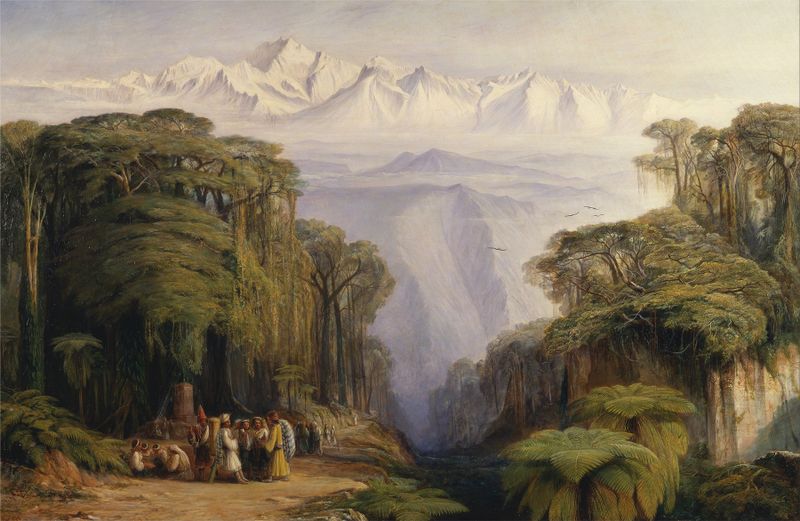
Kangchenjunga from Darjeeling
Edward Lear
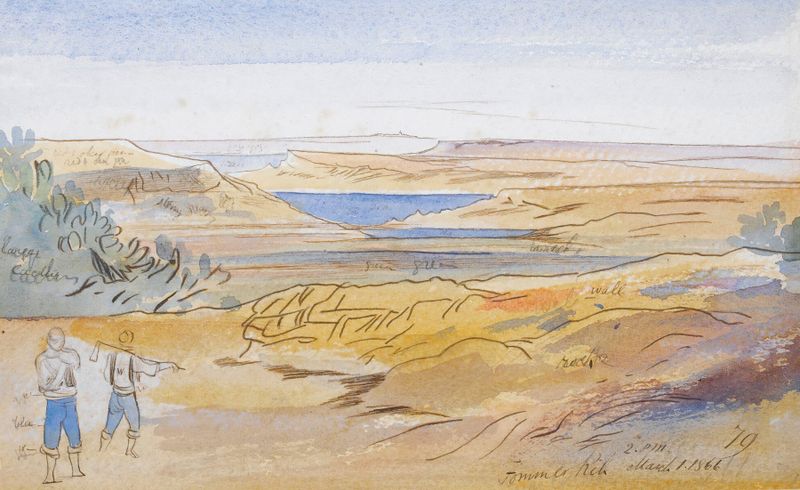
Fomm Ir-Rih, Malta
Edward Lear
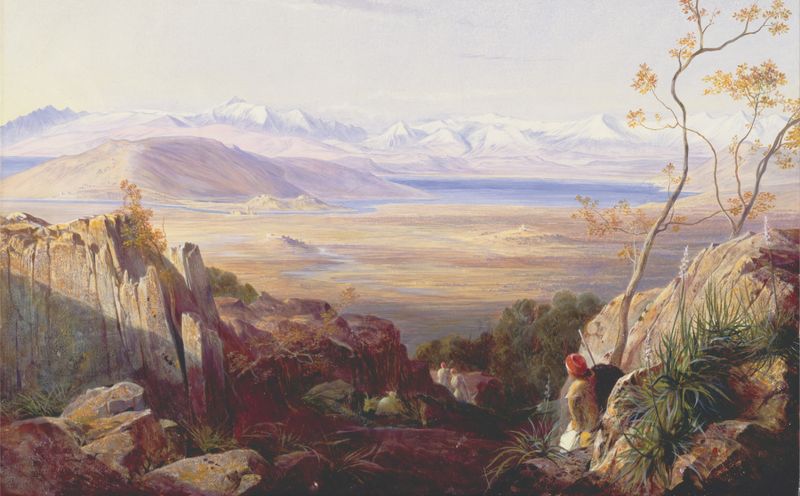
Butrinto, Albania
Edward Lear
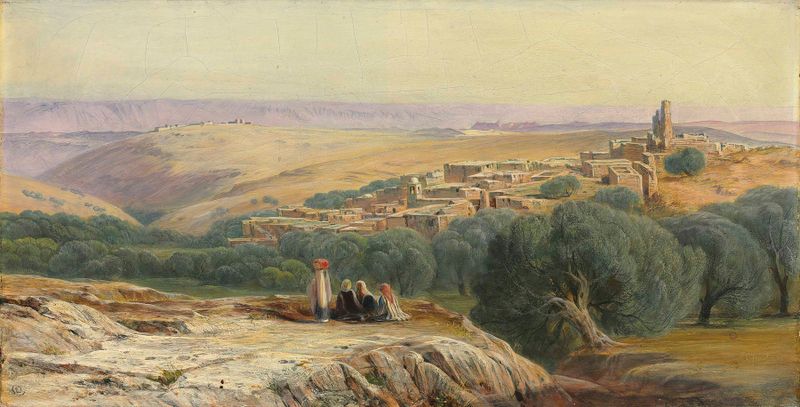
The Plains of Bethany
Edward Lear

Karnak, 9-30 pm, 22 January 1867
Edward Lear
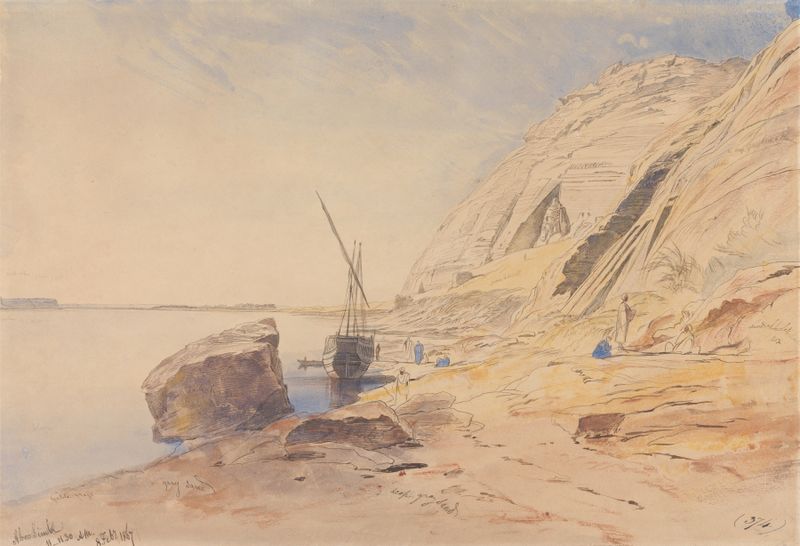
Abu Simbel, 11-11;30 am, 8 February 1867 (374)
Edward Lear

A View Of Mount Athos And The Pantokrator Monastery, Greece
Edward Lear





