
Ruins of church at Hampton, Va. — History & Facts
In the echoes of history, nostalgia resonates, breathing life into memories long past. Focus on the crumbling edifice of the church, where nature tentatively reclaims its territory. The artist’s brush captures the delicate interplay of light filtering through fractured walls, illuminating the debris that whispers stories of worship and community. Notice how the muted earth tones blend with patches of fading blue sky, creating a somber yet reflective atmosphere.
Each stroke evokes the passage of time, drawing the viewer into a contemplative embrace with the scene. Within this forlorn structure lies a profound tension between decay and resilience. The remnants of the church symbolize loss, yet the vibrant greenery pushing through the cracks represents hope and renewal. Look closely at the ivy clinging to the stone; it signifies nature’s tenacity, an eternal cycle of life amid abandonment.
This duality invites reflections on memory and heritage, prompting us to consider what is left behind as the world moves forward. William McIlvaine painted this evocative scene in 1862 amidst the turmoil of the American Civil War, a conflict that deeply affected the landscape of his nation and his personal life. During this time, artists were exploring themes of destruction and rebirth, as they sought to capture the emotional weight of their surroundings. McIlvaine’s work reflects the zeitgeist of a fractured society, offering a poignant reminder of what once stood and the resilience of the human spirit.
More Artworks by William McIlvaine
Browse all →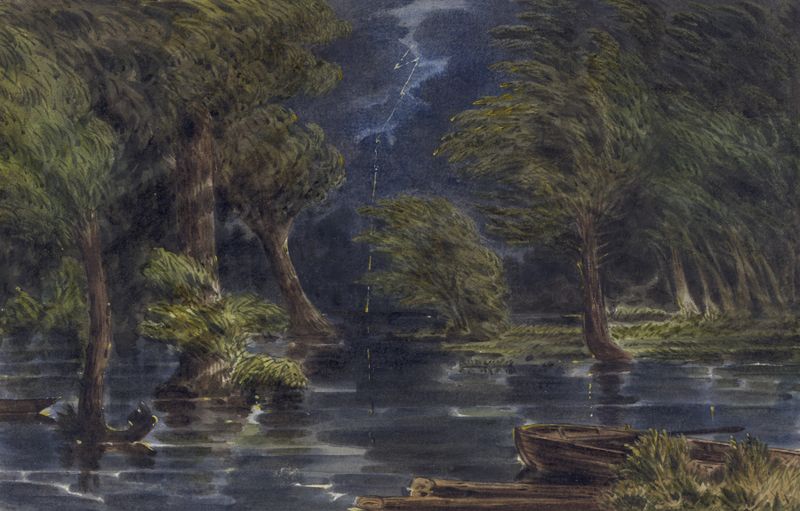
The Chickahominy Swamp
William McIlvaine
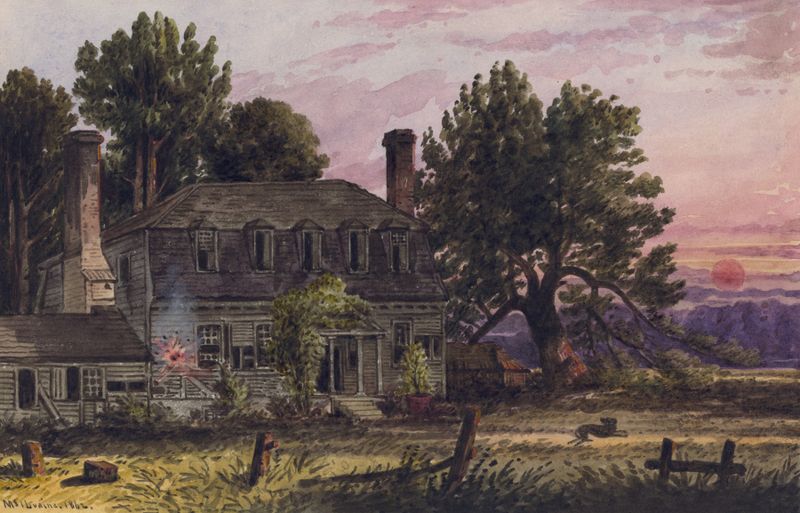
The Moore House near Yorktown, Va. (Front)
William McIlvaine

The Moore House near Yorktown, Va. (Rear)
William McIlvaine
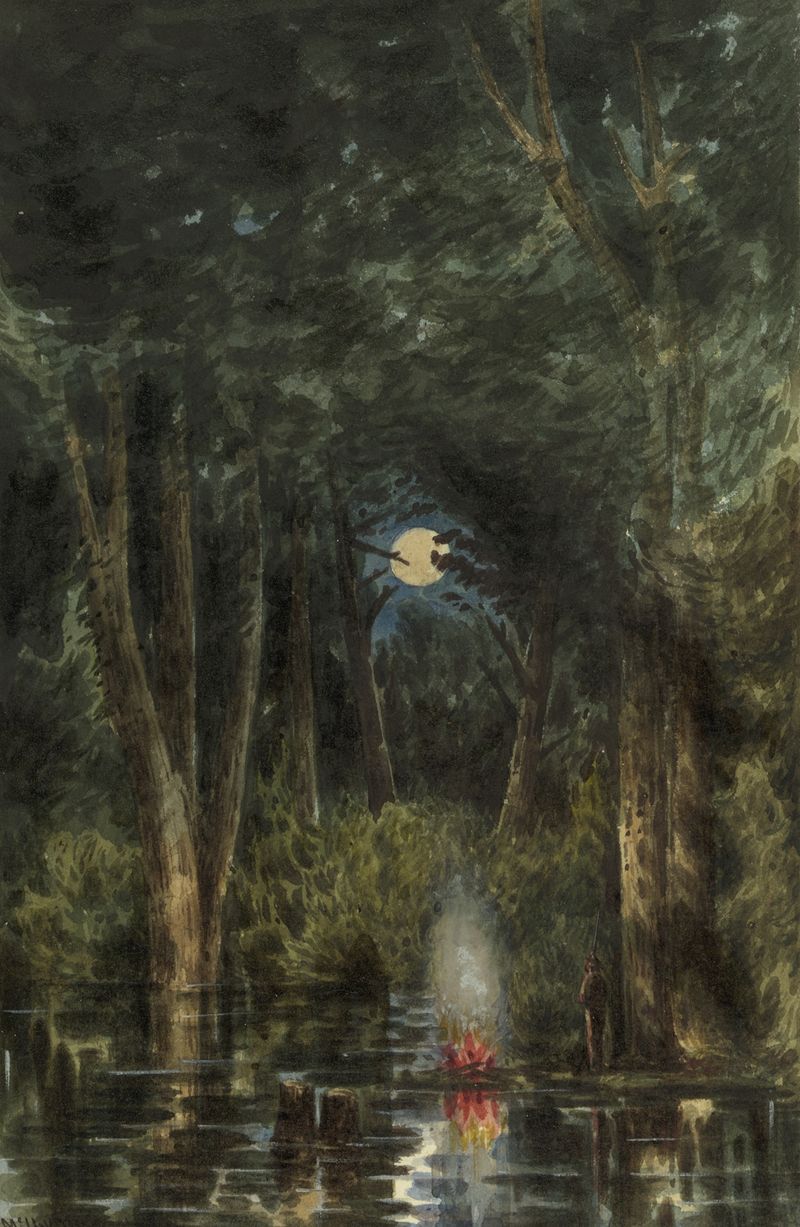
View in the Chickahominy Swamp
William McIlvaine
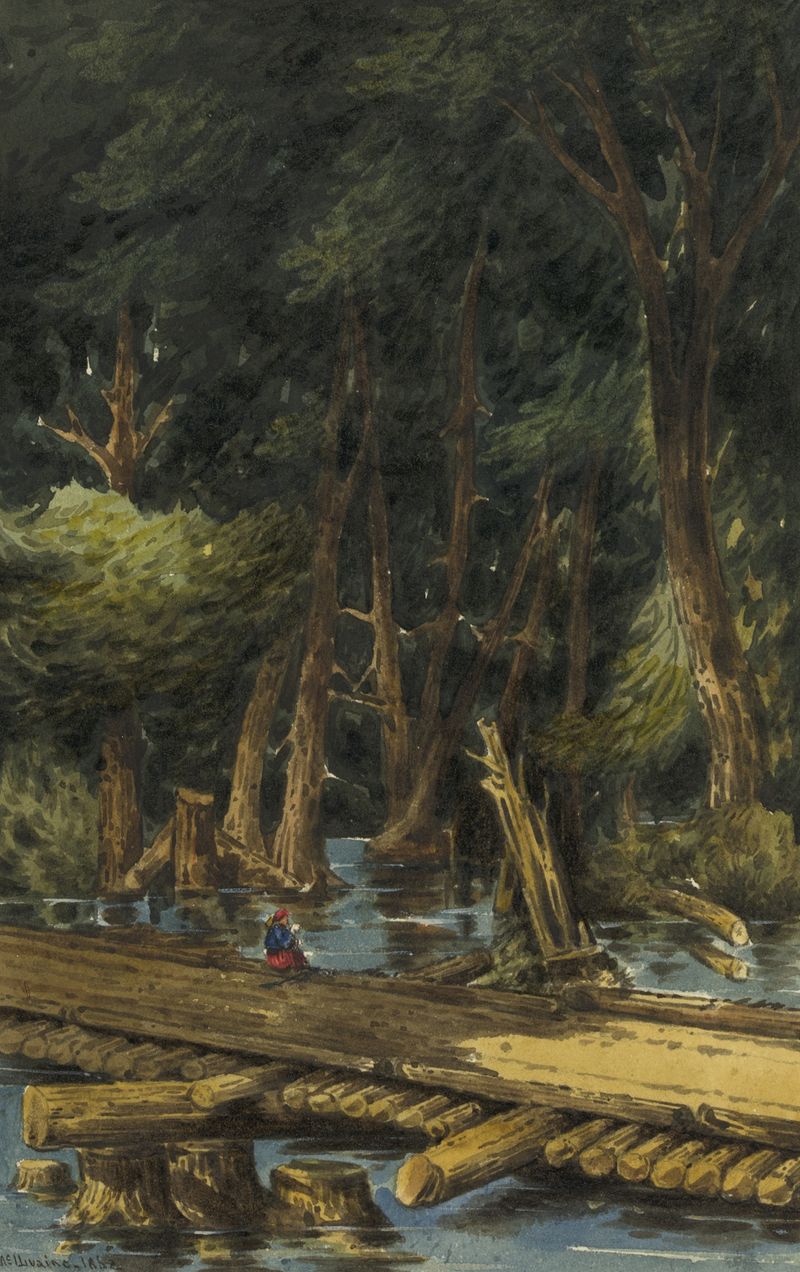
The Chickahominy – Alexanders Bridge
William McIlvaine
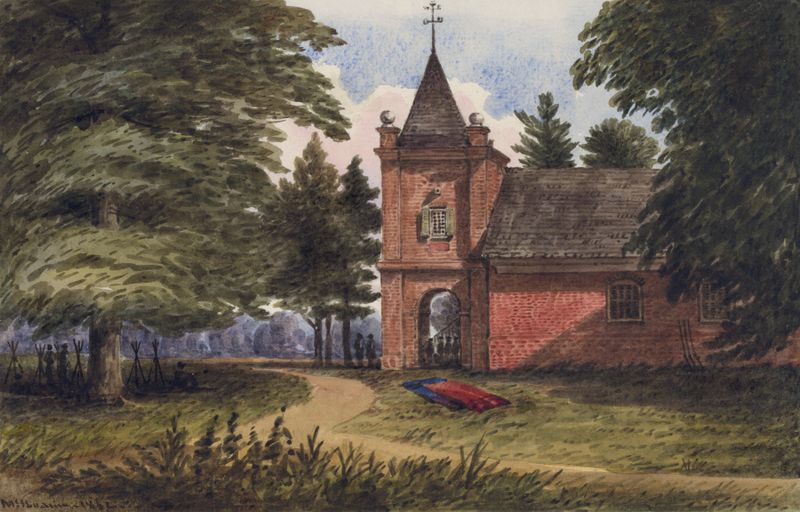
St. Peters Church, near White House, Va.
William McIlvaine

St. Peter’s Church interior
William McIlvaine
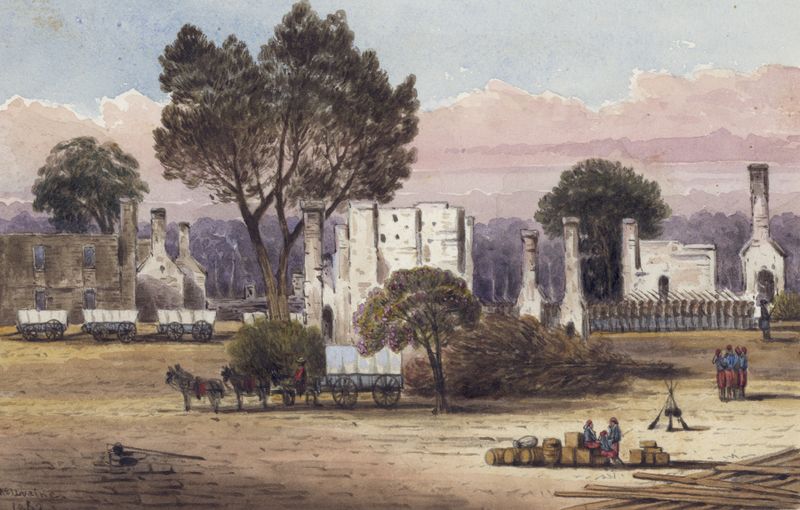
The ruins of Hampton, Va.
William McIlvaine

The Chickahominy – Sumners Upper Bridge
William McIlvaine
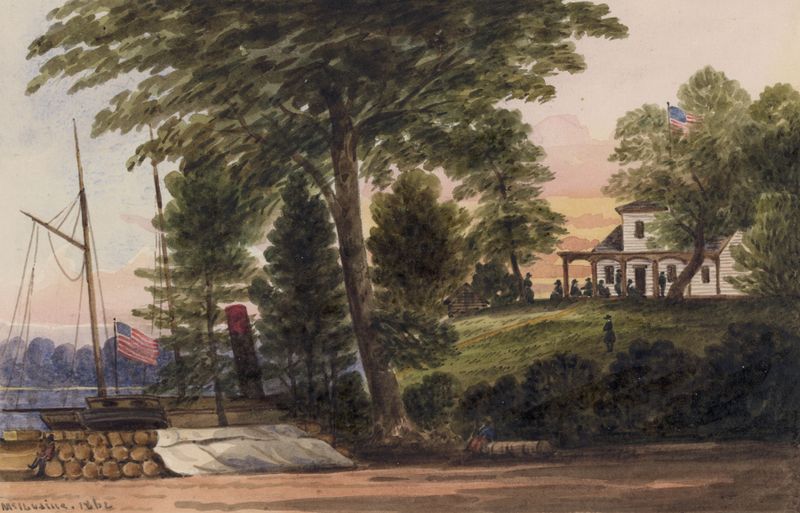
The White House – Pamunkey River, Va.
William McIlvaine
More Architecture Art
Browse all →
The statue of Liberty
Frédéric Auguste Bartholdi

View of Houses in Delft, Known as ‘The Little Street’
Johannes Vermeer

View of Houses in Delft, Known as ‘The Little Street’
Johannes Vermeer

The Cathedral in Rouen. The portal, Grey Weather
Claude Monet

The yellow house
Vincent van Gogh

The Church in Auvers-sur-Oise, View from the Chevet
Vincent van Gogh