
The Moore House near Yorktown, Va. (Rear) — History & Facts
In the stillness of a forgotten moment, the canvas lays bare a hidden reality, inviting contemplation of absence and void. Look to the left, where the weathered façade of the Moore House stands sentinel against the encroaching landscape. The muted earth tones of ochre and umber breathe life into the structure, its aged woodwork catching the gentle light of a waning day. Notice how the brushstrokes convey a sense of time, each stroke imbued with the weight of history that clings to the walls like a whisper of stories untold.
The carefully rendered shadows deepen the sense of stillness, creating a sanctuary of solitude amidst the sprawling Virginia terrain. Within this seemingly simple portrayal lies a profound tension between the house’s sturdy presence and the surrounding wilderness, suggesting both stability and the inevitability of decay. The sky, a soft, diffused blend of blues and grays, evokes a sense of melancholy, as if the atmosphere itself mourns what has been lost to time. The viewer is compelled to explore the emotional resonance of emptiness, where the absence of humanity speaks volumes about the transience of life and the passage of time. In 1862, William McIlvaine created this work during a time of great turmoil in America, marked by the Civil War.
Living in Virginia, he captured the essence of his landscape while grappling with the conflicts engulfing the nation. His focus on domestic spaces, like the Moore House, reflects a longing for stability and connection in a world frayed by strife, echoing the collective yearning for peace amidst chaos.
More Artworks by William McIlvaine
Browse all →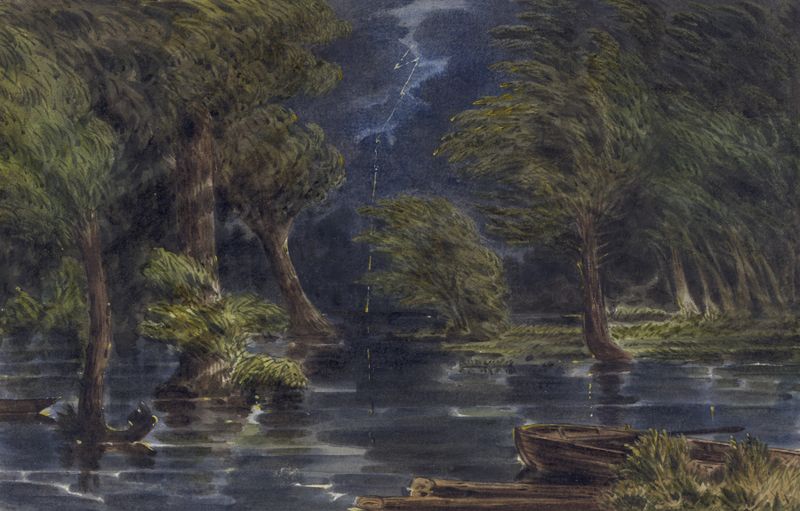
The Chickahominy Swamp
William McIlvaine
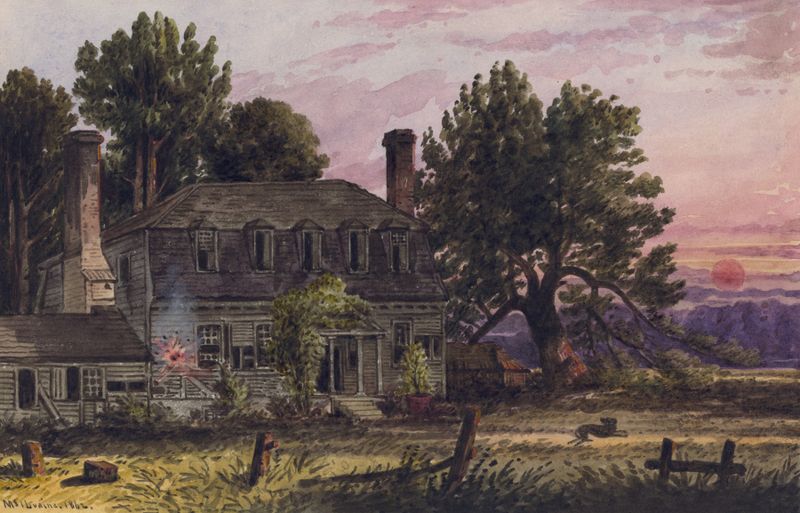
The Moore House near Yorktown, Va. (Front)
William McIlvaine
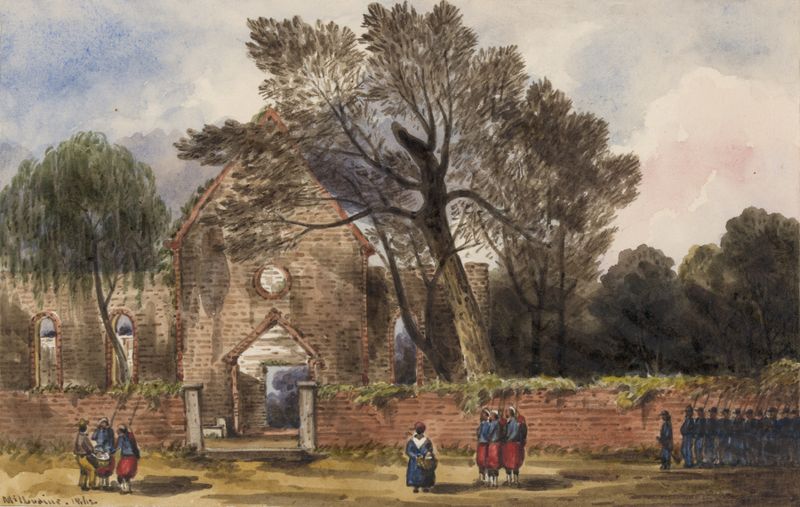
Ruins of church at Hampton, Va.
William McIlvaine
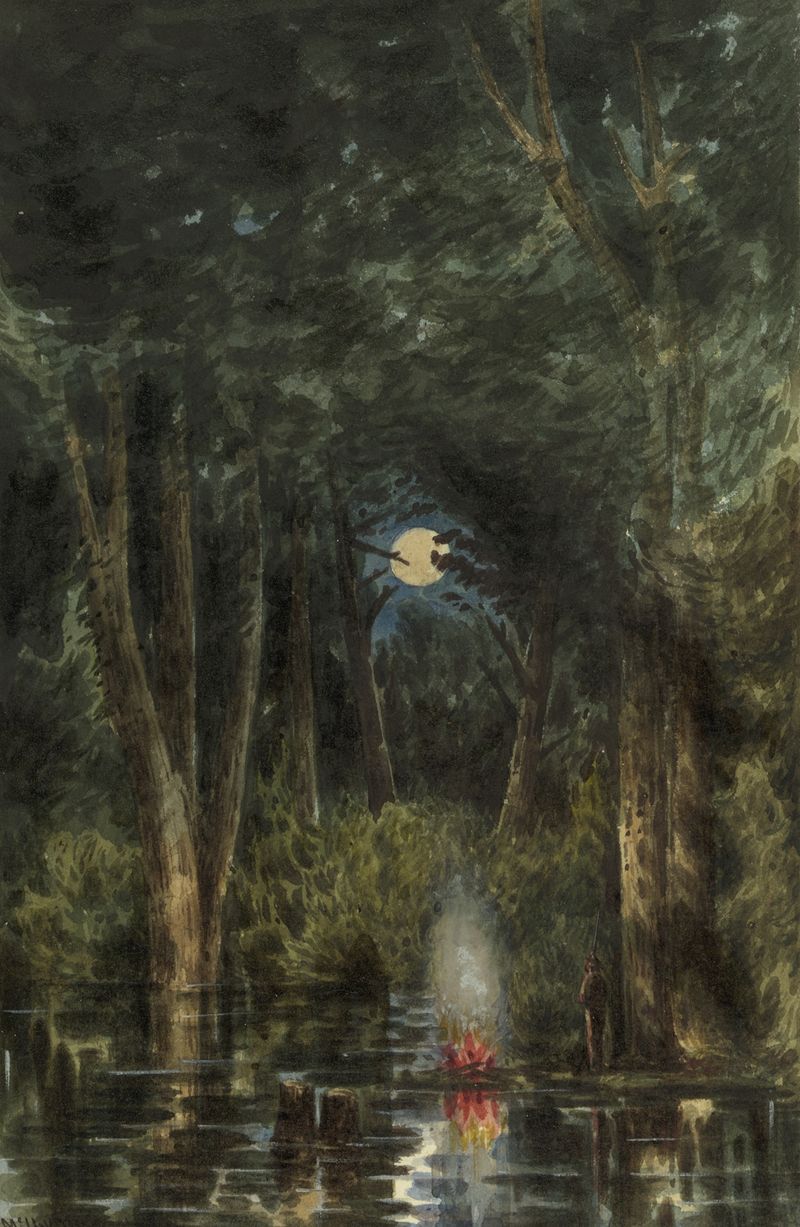
View in the Chickahominy Swamp
William McIlvaine
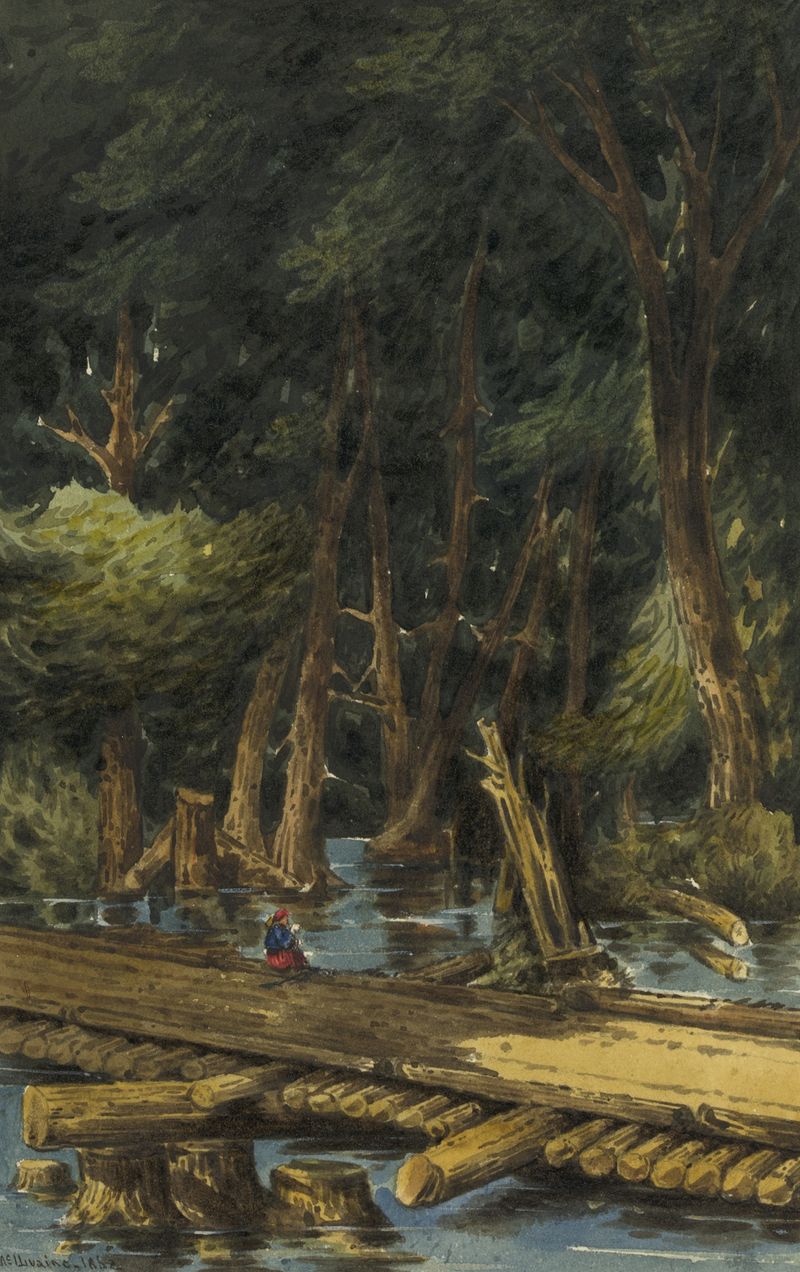
The Chickahominy – Alexanders Bridge
William McIlvaine
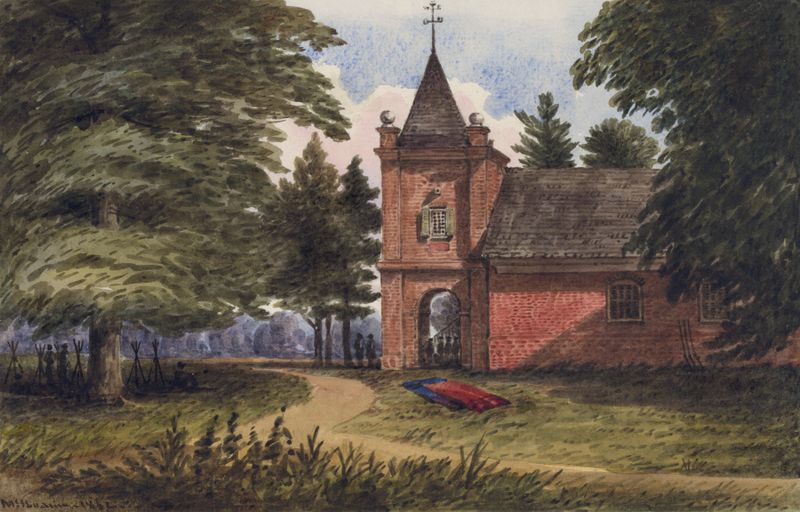
St. Peters Church, near White House, Va.
William McIlvaine

St. Peter’s Church interior
William McIlvaine
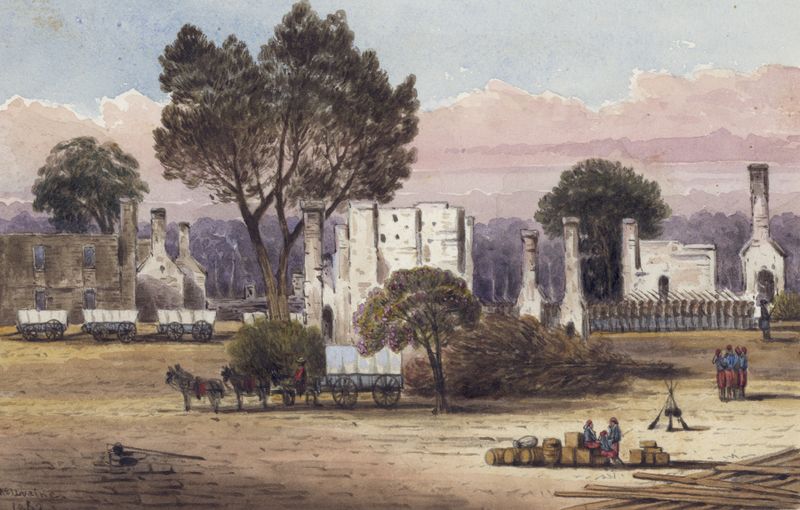
The ruins of Hampton, Va.
William McIlvaine

The Chickahominy – Sumners Upper Bridge
William McIlvaine
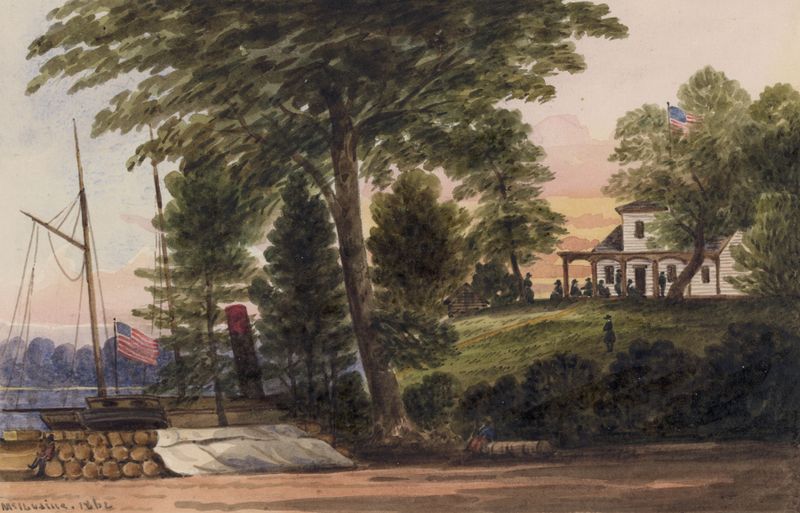
The White House – Pamunkey River, Va.
William McIlvaine
More Architecture Art
Browse all →
The statue of Liberty
Frédéric Auguste Bartholdi

View of Houses in Delft, Known as ‘The Little Street’
Johannes Vermeer

View of Houses in Delft, Known as ‘The Little Street’
Johannes Vermeer

The Cathedral in Rouen. The portal, Grey Weather
Claude Monet

The yellow house
Vincent van Gogh

The Church in Auvers-sur-Oise, View from the Chevet
Vincent van Gogh