
The Moore House near Yorktown, Va. (Front) — History & Facts
Where does light end, and longing begin? In the delicate interplay of shadow and illumination, one finds an obsession born of nostalgia and memory. Look to the foreground, where the Moore House stands resolute against the backdrop of a crisp Virginia sky. The soft light bathes the structure in warm hues, highlighting the weathered wood and inviting facade. Notice how the artist skillfully captures the play of light on the trees, their leaves shimmering as if whispering secrets of the past.
Each stroke is deliberate, creating a sense of stillness that draws the viewer into a moment suspended in time. As you explore the canvas further, consider the subtle contrasts at play. The vibrancy of life surrounding the house speaks to the vibrancy of human experience, while the shadowed areas suggest the weight of history and untold stories. The subtle asymmetry of the composition hints at a deeper yearning, as if the structure itself longs for connection or remembrance.
This duality of presence and absence envelops the viewer, urging them to reflect on their own attachments and the places they hold dear. In 1862, during the Civil War, William McIlvaine painted this work while grappling with the conflict's toll on society and personal relationships. Living in Virginia, a state deeply affected by the war, his experiences influenced his portrayal of the landscape, imbuing it with a sense of melancholy and longing. This painting emerged as a testament to both the beauty and fragility of home during turbulent times.
More Artworks by William McIlvaine
Browse all →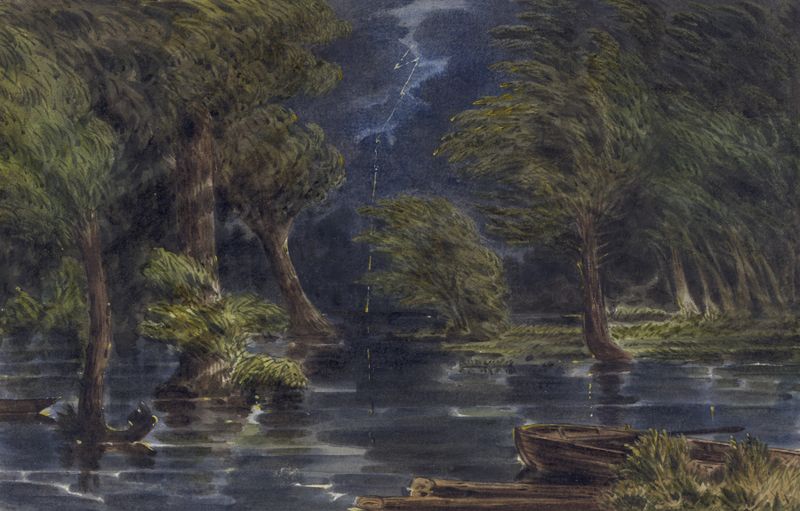
The Chickahominy Swamp
William McIlvaine
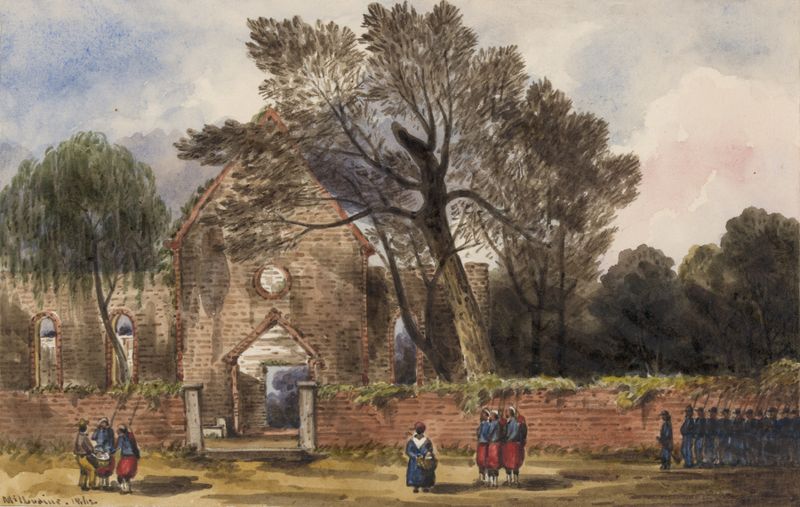
Ruins of church at Hampton, Va.
William McIlvaine

The Moore House near Yorktown, Va. (Rear)
William McIlvaine
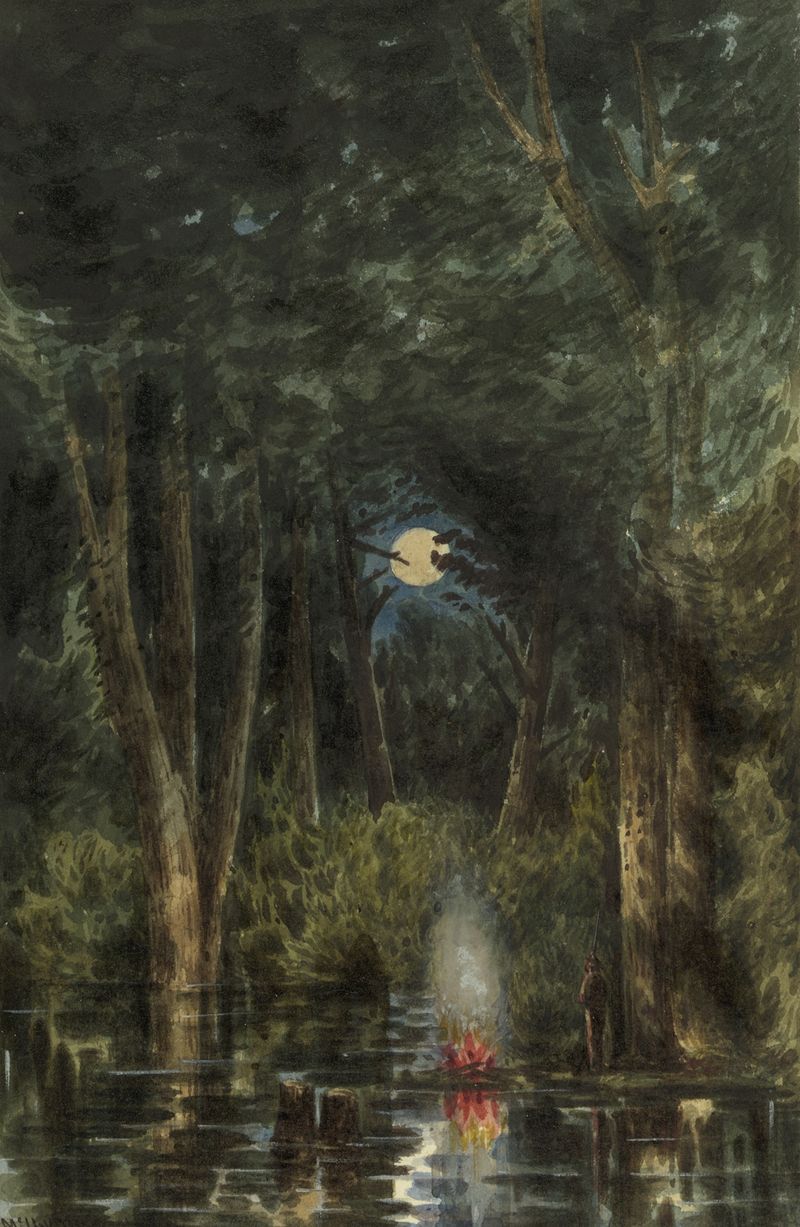
View in the Chickahominy Swamp
William McIlvaine
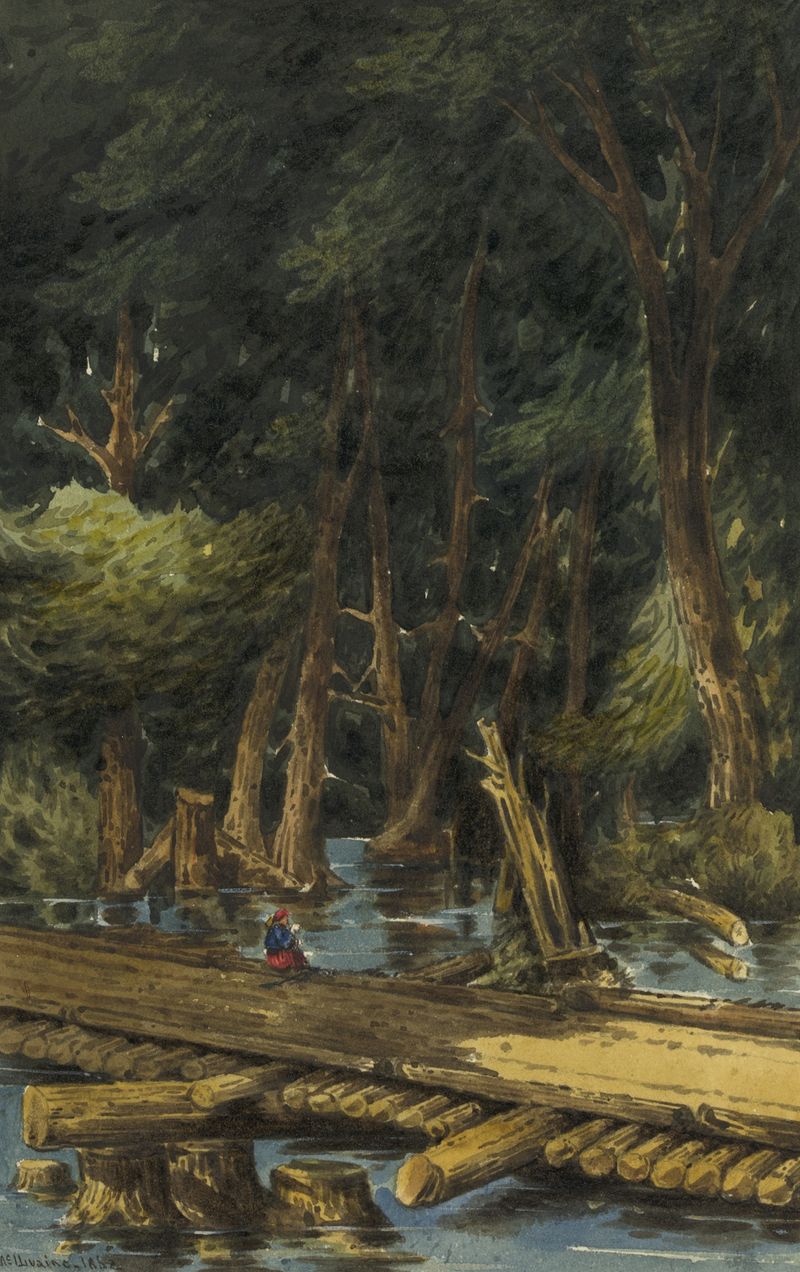
The Chickahominy – Alexanders Bridge
William McIlvaine
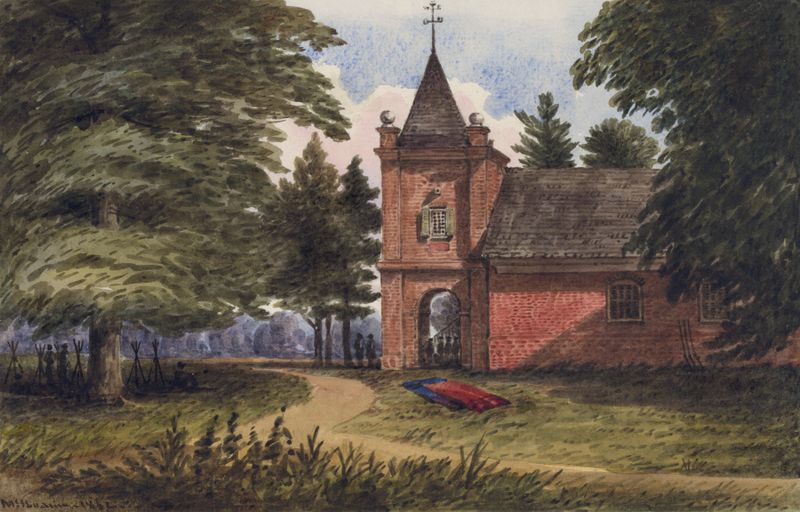
St. Peters Church, near White House, Va.
William McIlvaine

St. Peter’s Church interior
William McIlvaine
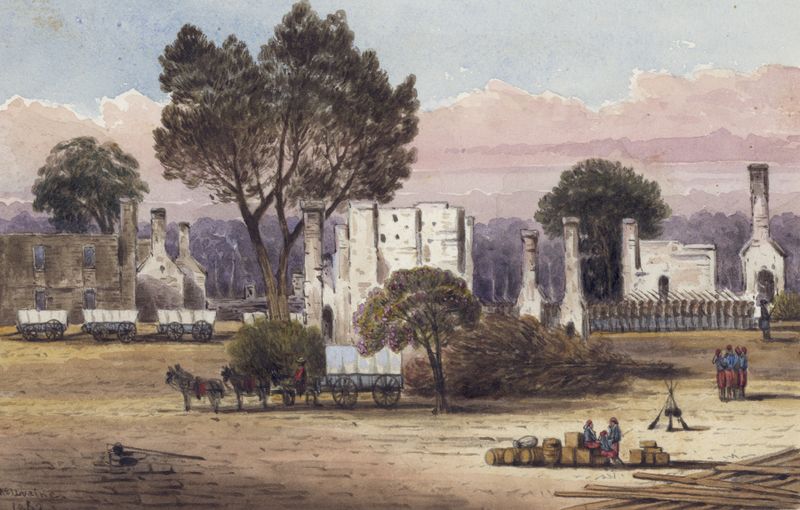
The ruins of Hampton, Va.
William McIlvaine

The Chickahominy – Sumners Upper Bridge
William McIlvaine
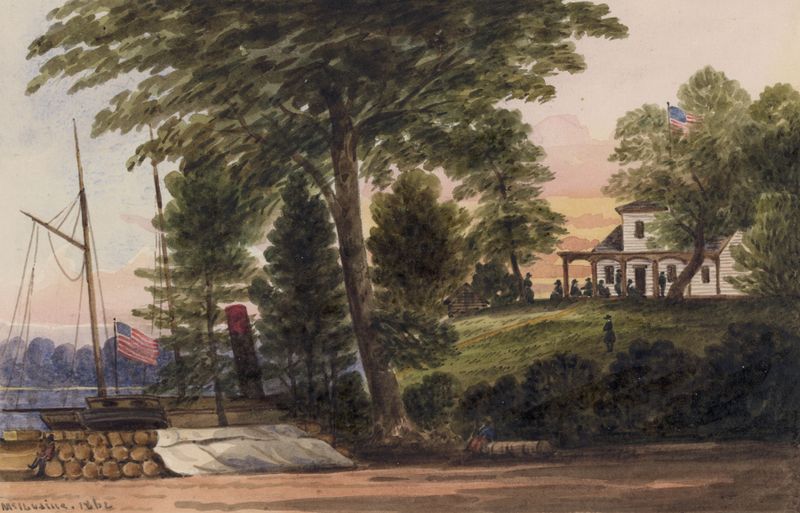
The White House – Pamunkey River, Va.
William McIlvaine
More Architecture Art
Browse all →
The statue of Liberty
Frédéric Auguste Bartholdi

View of Houses in Delft, Known as ‘The Little Street’
Johannes Vermeer

View of Houses in Delft, Known as ‘The Little Street’
Johannes Vermeer

The Cathedral in Rouen. The portal, Grey Weather
Claude Monet

The yellow house
Vincent van Gogh

The Church in Auvers-sur-Oise, View from the Chevet
Vincent van Gogh