
The White House – Pamunkey River, Va. — History & Facts
In the quiet folds of history, the landscapes we cherish often conceal the tremors of fear and uncertainty that shaped them. Look to the center of the canvas, where a stately white house rises against a backdrop of somber trees and a muted sky. The home stands firm, yet the surrounding water shimmers with a restless quality, as if reflecting the unease of a world on the brink of conflict. The artist's deft brushwork captures both the delicate beauty of nature and the underlying tension, with light rippling across the river, inviting yet ominous. Yet, beneath this picturesque exterior lies a deeper narrative.
The juxtaposition of the serene landscape against the looming shadows hints at the encroaching chaos of the Civil War, a time when even the most tranquil scenes were shadowed by fear of the unknown. The stillness of the house, emblematically white, evokes a haunting sense of isolation and vulnerability, suggesting that domesticity is but a fragile facade amid turbulent times. In 1862, McIlvaine painted this work in Virginia, a state deeply entrenched in the conflict that fractured the nation. It was a period of great upheaval, where the natural beauty of the land was co-opted by the realities of war.
The artist sought to capture this dichotomy, reflecting both artistic ambition and the turbulent socio-political landscape of his time.
More Artworks by William McIlvaine
Browse all →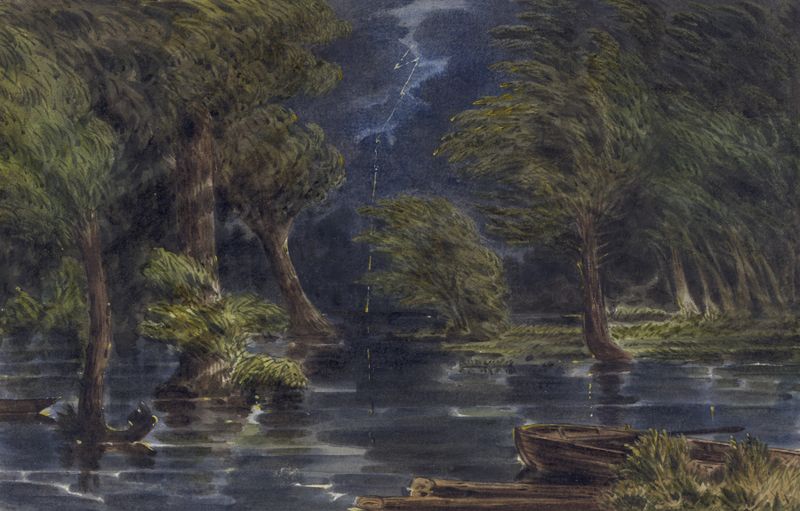
The Chickahominy Swamp
William McIlvaine
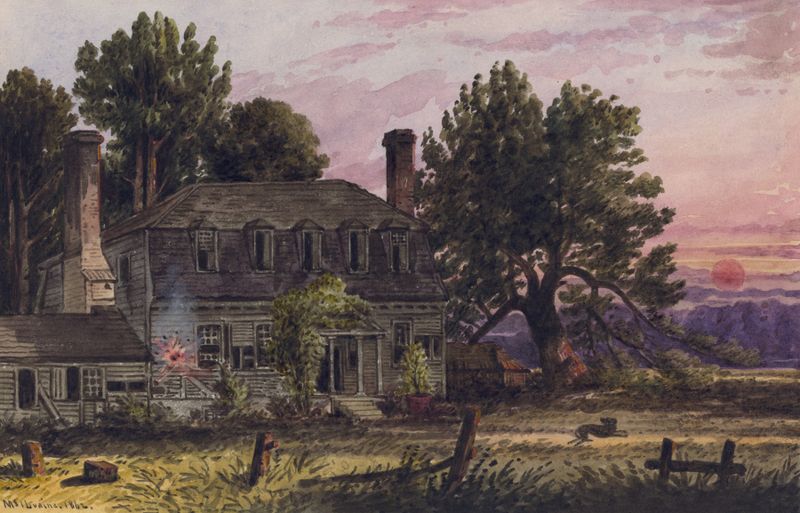
The Moore House near Yorktown, Va. (Front)
William McIlvaine
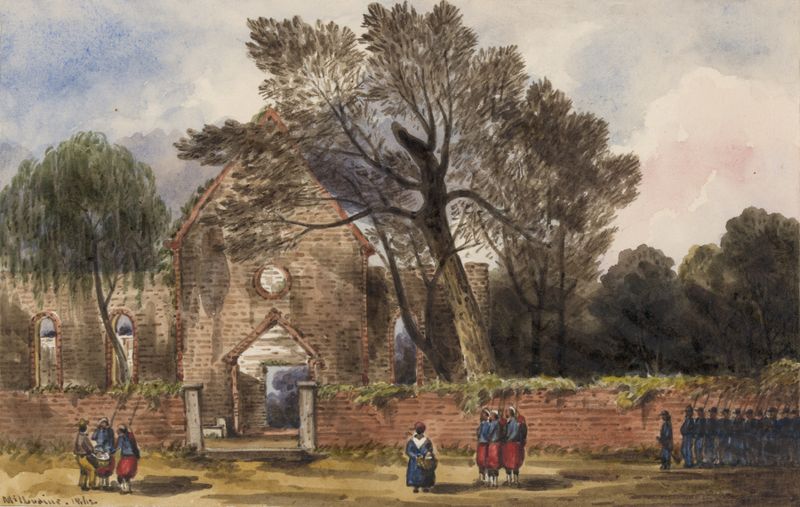
Ruins of church at Hampton, Va.
William McIlvaine

The Moore House near Yorktown, Va. (Rear)
William McIlvaine
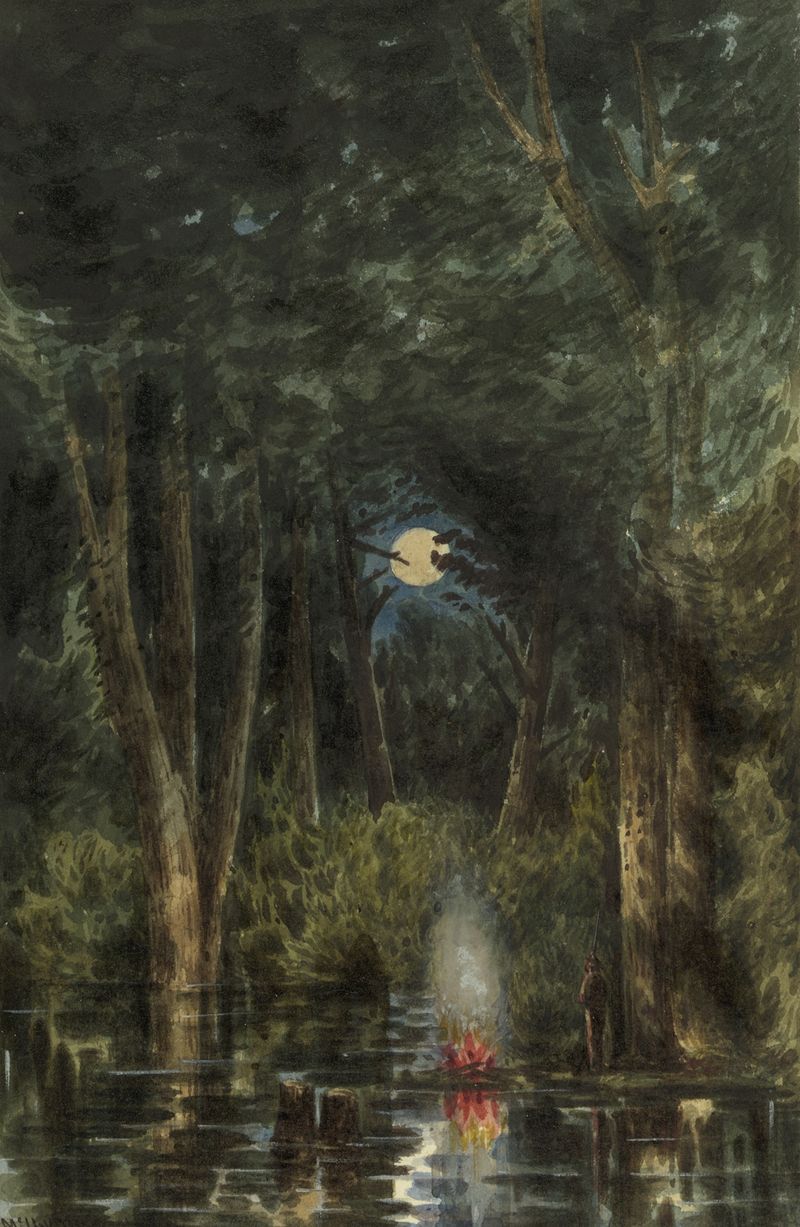
View in the Chickahominy Swamp
William McIlvaine
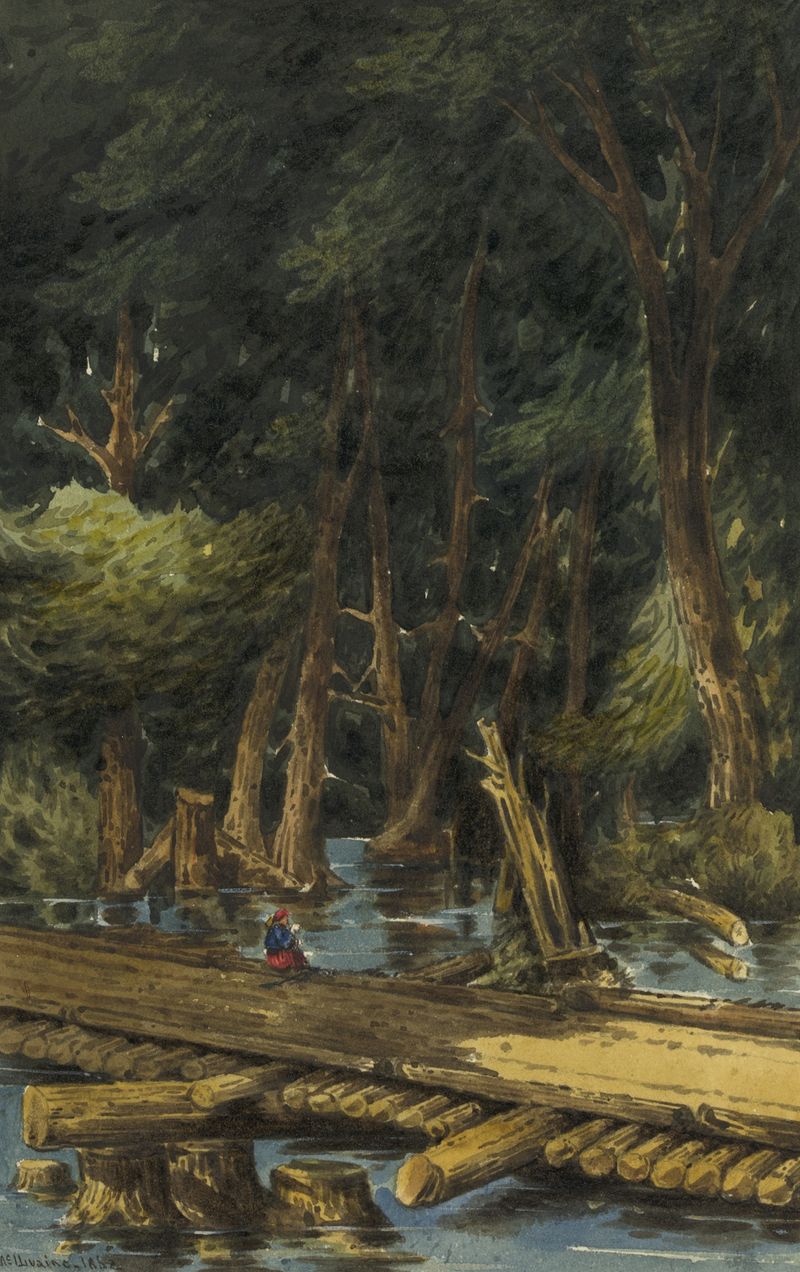
The Chickahominy – Alexanders Bridge
William McIlvaine
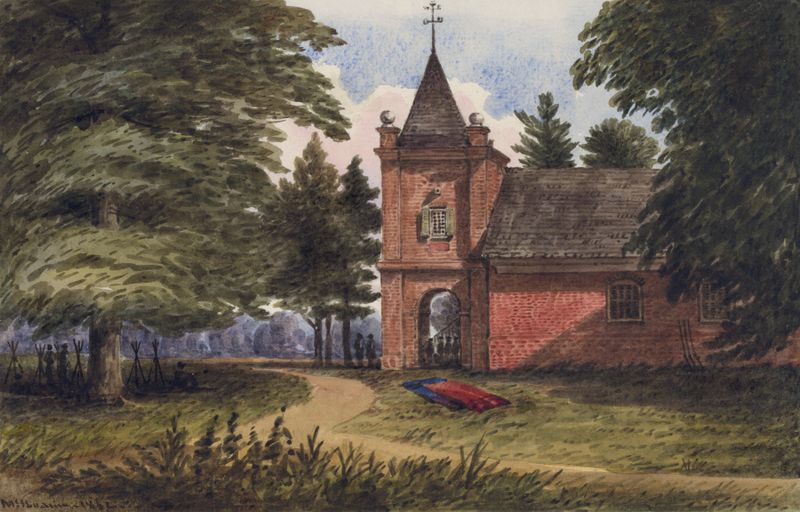
St. Peters Church, near White House, Va.
William McIlvaine

St. Peter’s Church interior
William McIlvaine
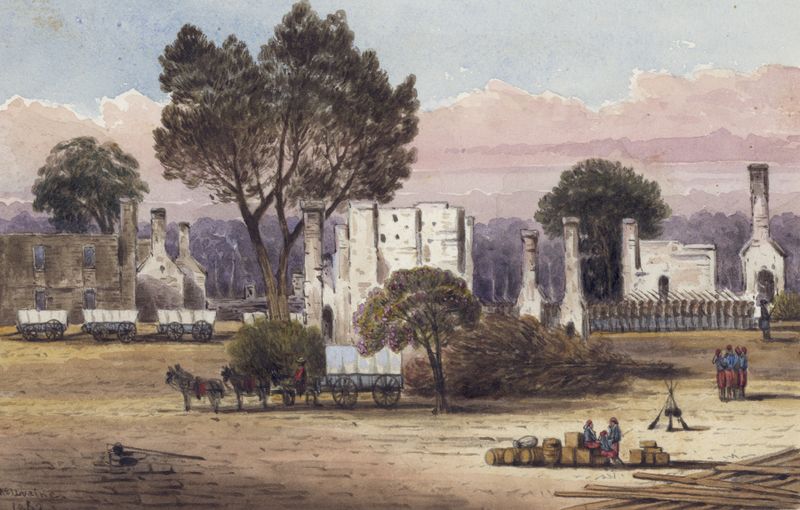
The ruins of Hampton, Va.
William McIlvaine

The Chickahominy – Sumners Upper Bridge
William McIlvaine





