
The Chickahominy – Sumners Upper Bridge — History & Facts
What secret hides in the quiet of the canvas? Beneath the surface of tranquility, a world brimming with awe unfolds, inviting reflection and contemplation. Look to the center where the gentle flow of the Chickahominy River takes form, its shimmering surface mirroring the soft hues of dawn. The brushwork is deft, blending earthy greens and warm browns that breathe life into the landscape. Notice how the bridge arches gracefully over the water, an elegant connection between the banks.
The muted sky casts a serene light, enhancing the scene's stillness, while wisps of fog cling to the water’s edge, echoing the mysteries that lurk within nature. Delving deeper, one can sense the contrast between the vibrant colors and the muted tones, a delicate balance that speaks to the tension of the moment. The bridge, both a symbol of passage and solitude, stands in stark contrast to the enveloping wilderness, suggesting themes of human endeavor against the vastness of nature. The presence of the distant trees, etched in shadow, hints at the unseen challenges that lie ahead, evoking a sense of reverence for the landscape. In 1862, during a time of fragmentation and turmoil in the United States, McIlvaine painted this work amid the backdrop of the Civil War.
Stationed in Virginia, he sought to capture both the beauty of the land and the complexities of human experience within it. This painting, a testament to the landscapes of his time, reflects a moment when nature offered solace amidst chaos.
More Artworks by William McIlvaine
Browse all →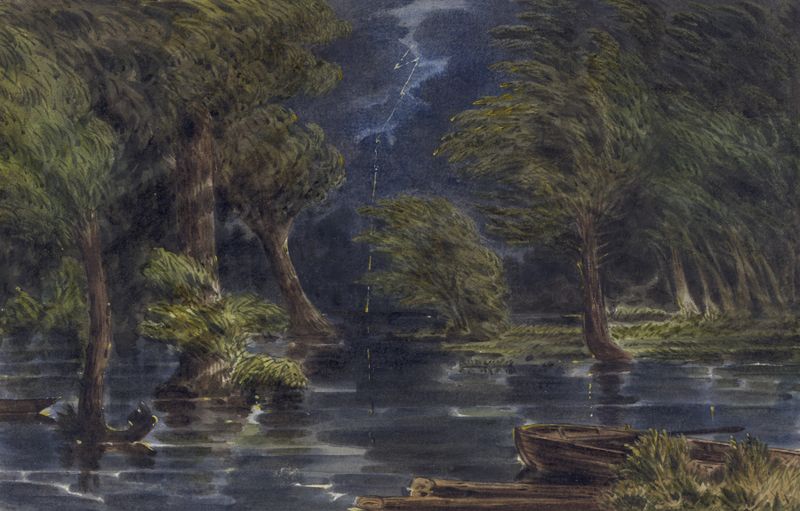
The Chickahominy Swamp
William McIlvaine
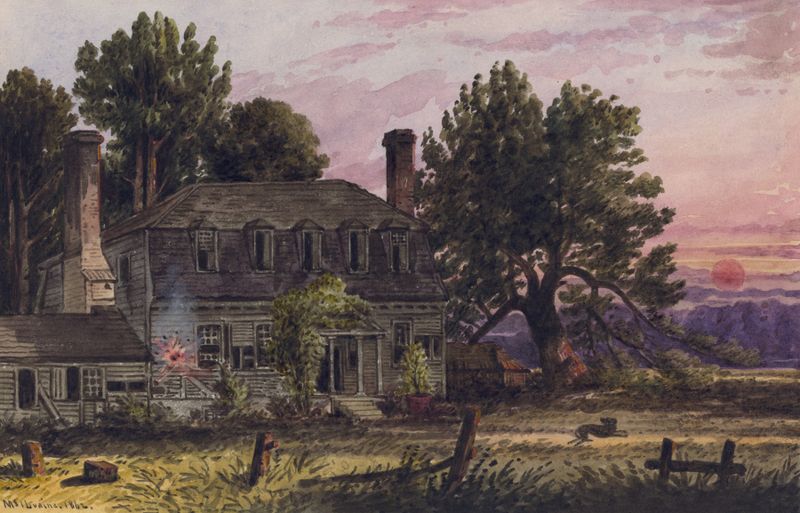
The Moore House near Yorktown, Va. (Front)
William McIlvaine
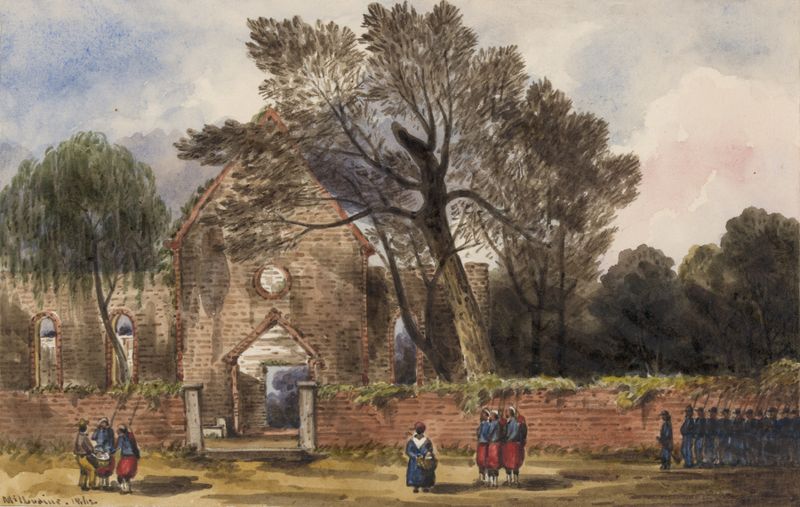
Ruins of church at Hampton, Va.
William McIlvaine

The Moore House near Yorktown, Va. (Rear)
William McIlvaine
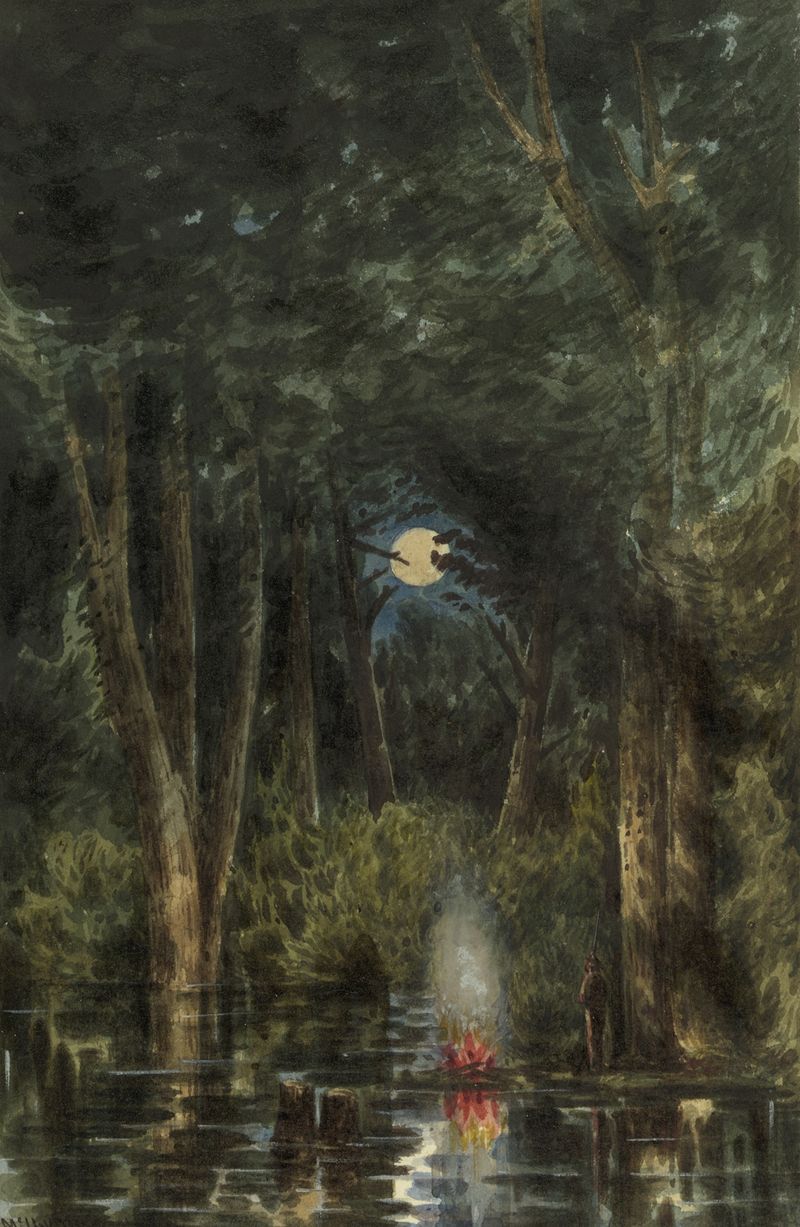
View in the Chickahominy Swamp
William McIlvaine
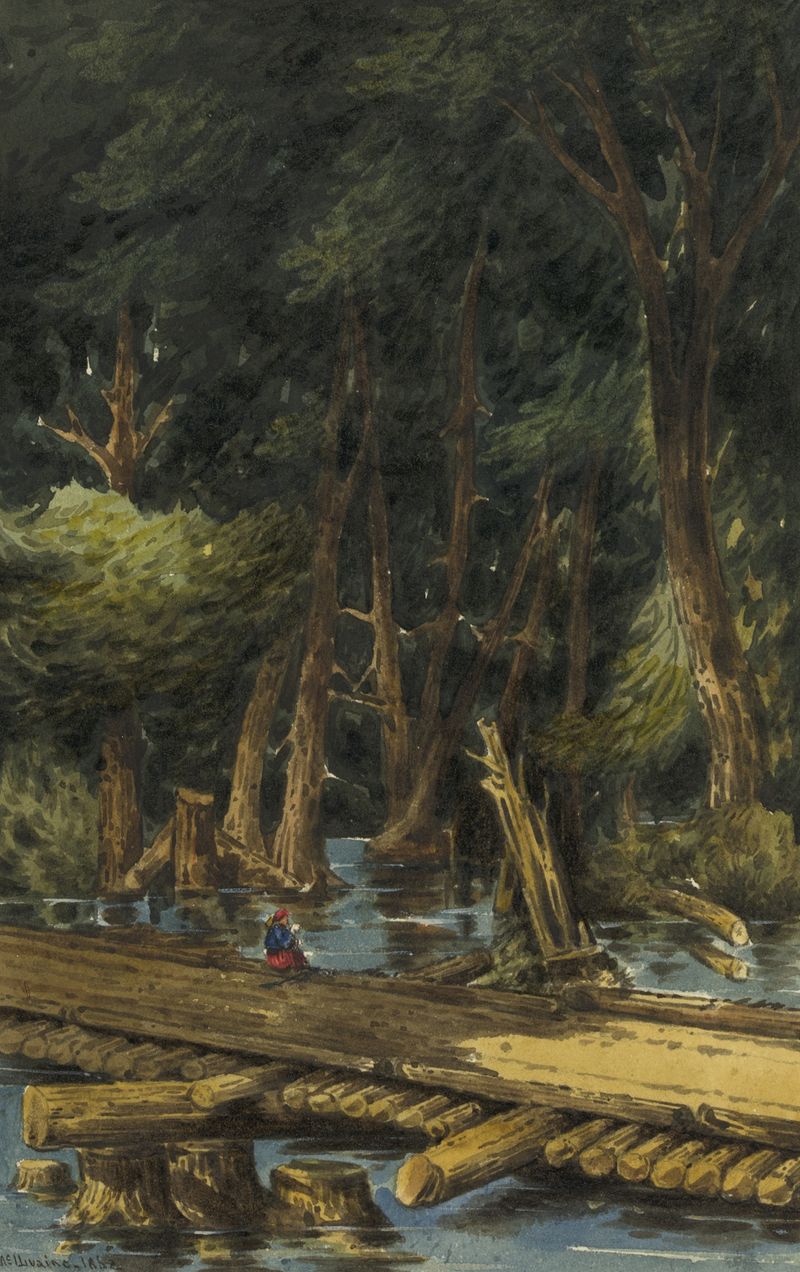
The Chickahominy – Alexanders Bridge
William McIlvaine
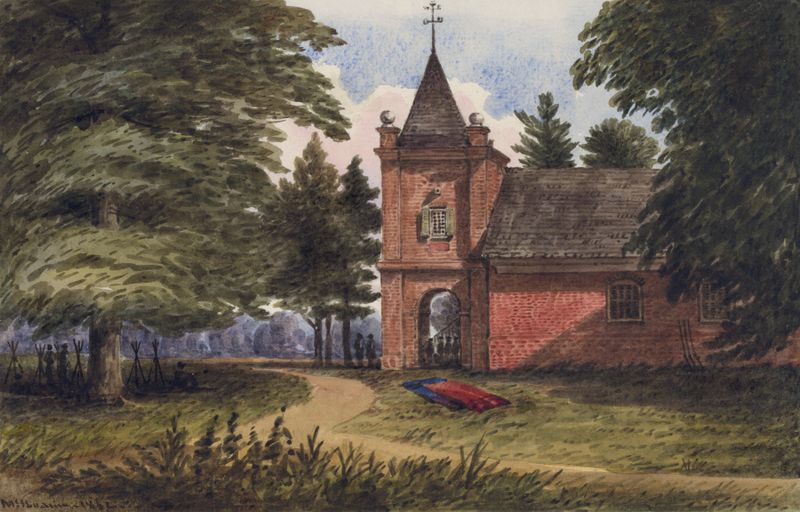
St. Peters Church, near White House, Va.
William McIlvaine

St. Peter’s Church interior
William McIlvaine
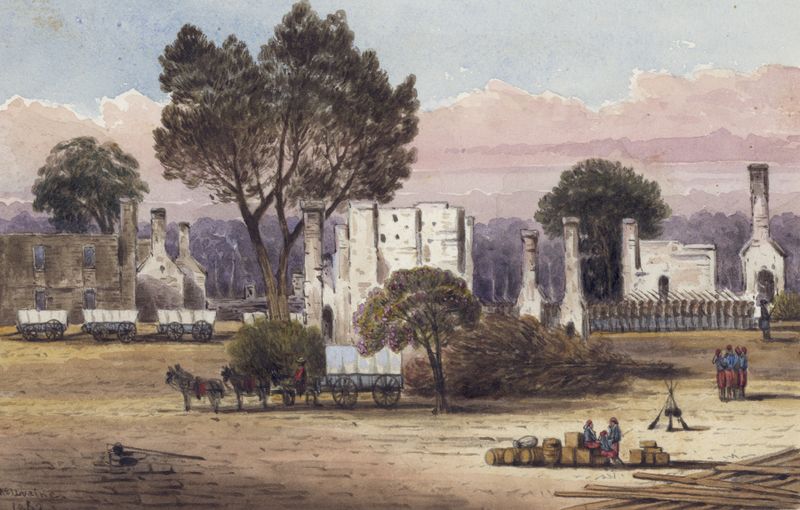
The ruins of Hampton, Va.
William McIlvaine
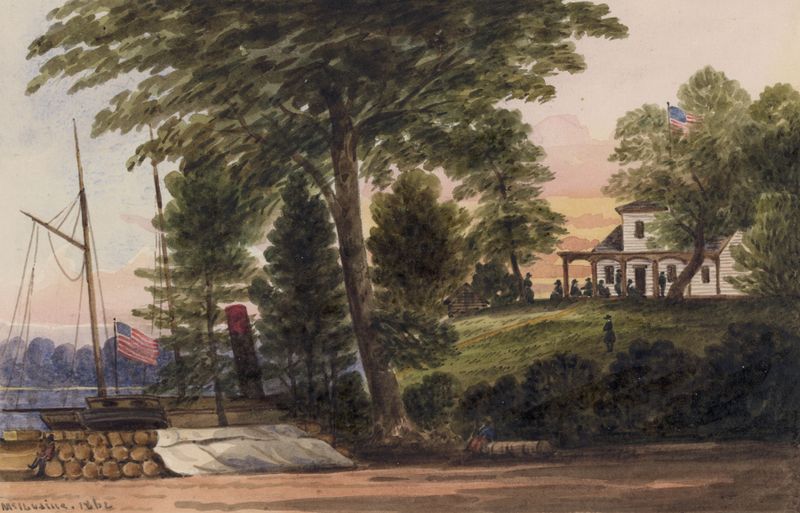
The White House – Pamunkey River, Va.
William McIlvaine





