
Ruins of the Baths at Ephesus — History & Facts
Is this a mirror — or a memory? The haunting remnants of a once-grand civilization emerge from the past, whispering tales of grandeur and despair. Focus on the crumbling stonework that dominates the foreground; the intricate details reveal a meticulous hand at work, inviting you to trace the lines of history that swirl within. Notice how the soft, muted colors blend seamlessly, evoking both warmth and decay. The sunlight bathes the ruins in a gentle glow, emphasizing the contrast between the living landscape and the lifeless remnants of architecture, hinting at the ephemerality of human endeavor. Amid this serene decay lies a profound tension — the juxtaposition of beauty and madness.
Each broken column stands as a testament to the passage of time, a memory of the chaos that once filled these halls. The stillness of the scene belies a history of vibrant life and tumult, while the creeping vines and wild flora reclaim the stone, embodying nature's indifference to human aspiration and ambition. Luigi Mayer painted this scene in 1810, during a time of burgeoning interest in antiquity as Europe was grappling with the aftermath of the Napoleonic Wars. He traveled extensively, documenting the classical ruins that captivated artists and historians alike.
The painting reflects not only his artistic skill but also a moment when the world was reconsidering its connection to the past, grappling with the remnants of both civilization and its madness.
More Artworks by Luigi Mayer
Browse all →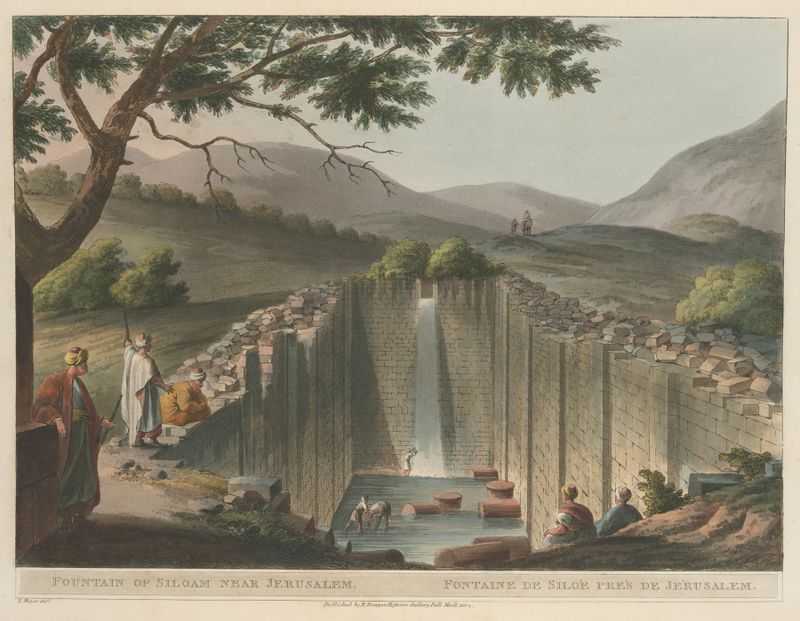
Fountain of Siloam Near Jerusalem
Luigi Mayer

View of the Dardanelles
Luigi Mayer
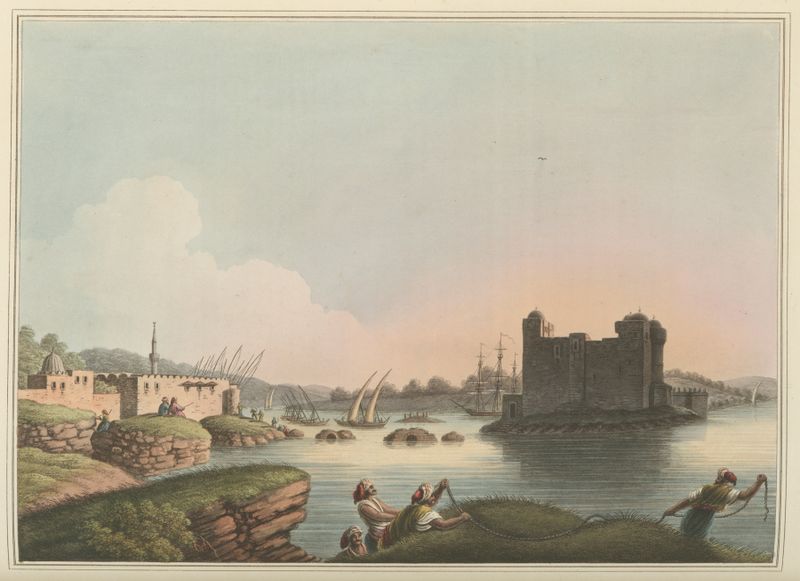
Port of Latachia
Luigi Mayer

Stadium at Ephesus
Luigi Mayer

Ancient Temples at Agrigentum
Luigi Mayer
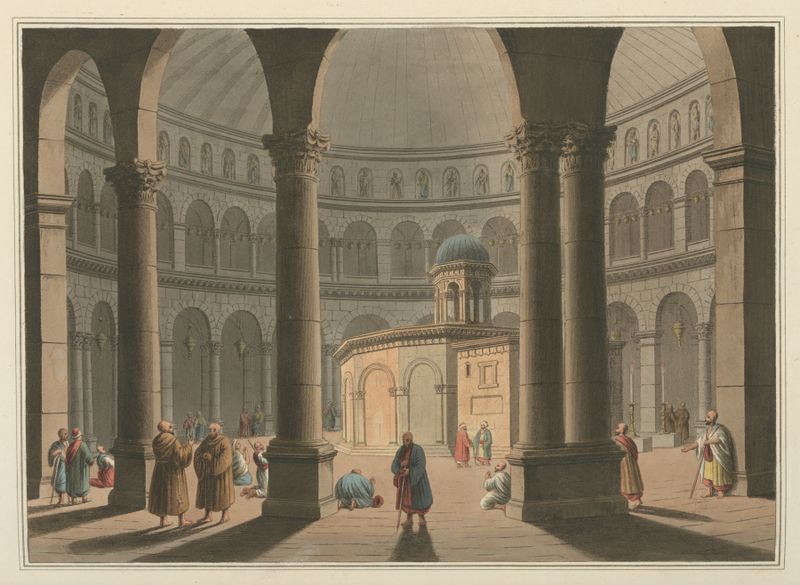
Church of the Holy Sepulchre
Luigi Mayer
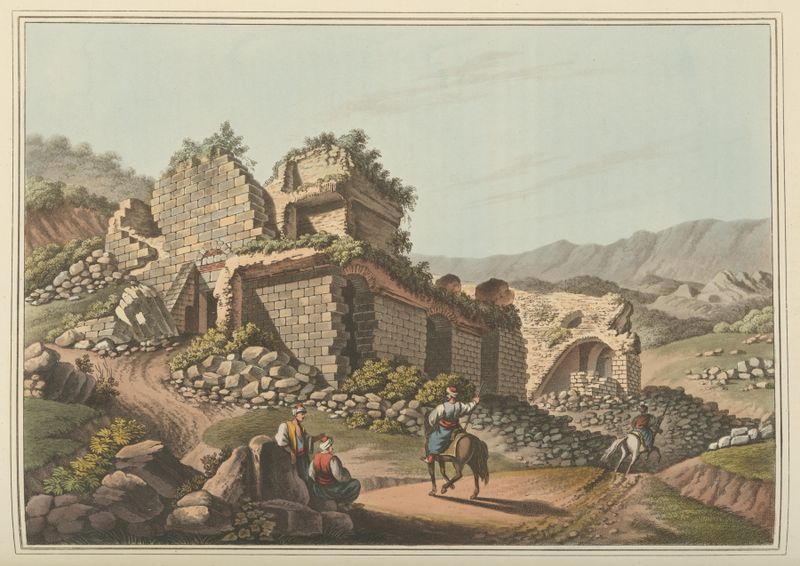
Theatre at Ephesus
Luigi Mayer
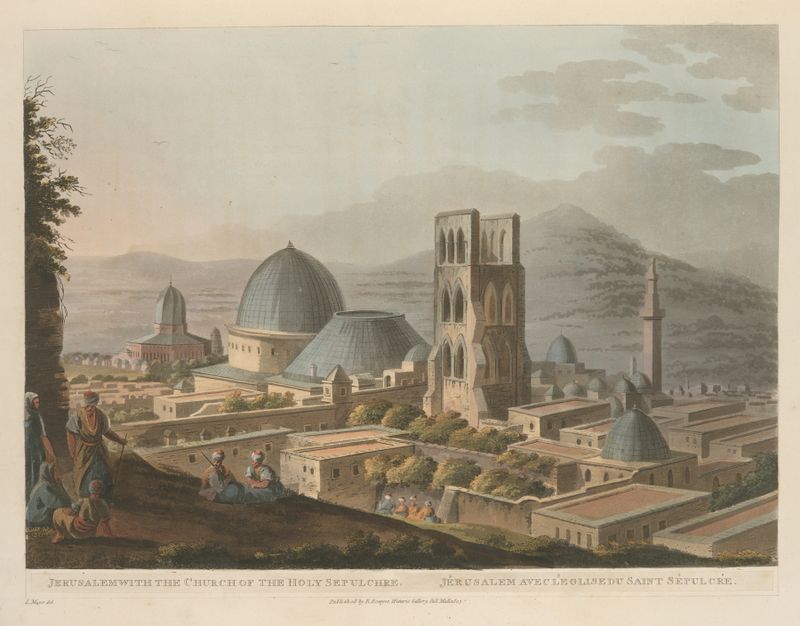
Jerusalem with the Church of the Holy Sepulchre
Luigi Mayer
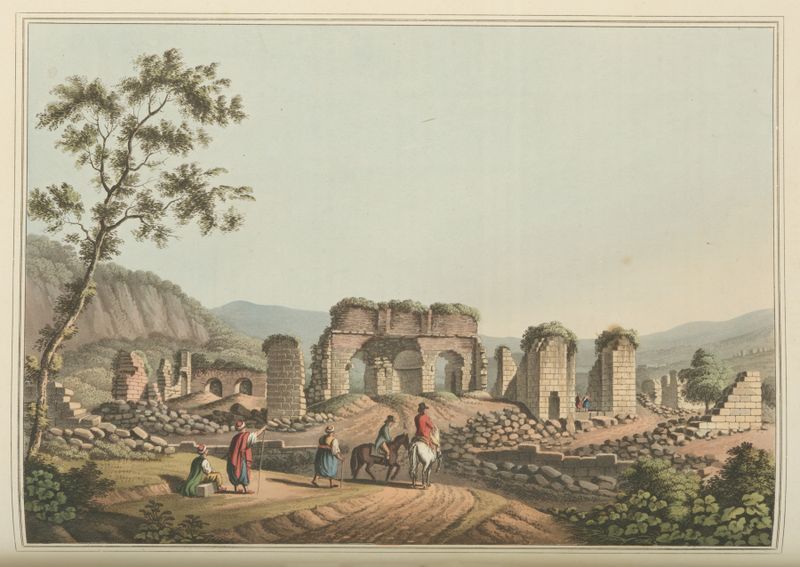
Ruins of the Temple of Diana at Ephesus
Luigi Mayer

Crater in the Island of Volcano
Luigi Mayer
More Architecture Art
Browse all →
The statue of Liberty
Frédéric Auguste Bartholdi

View of Houses in Delft, Known as ‘The Little Street’
Johannes Vermeer

View of Houses in Delft, Known as ‘The Little Street’
Johannes Vermeer

The Cathedral in Rouen. The portal, Grey Weather
Claude Monet

The yellow house
Vincent van Gogh

The Church in Auvers-sur-Oise, View from the Chevet
Vincent van Gogh