
Ruins of the Temple of Juno in Samos — History & Facts
Did the painter know this moment would outlive them? In the shadows of ancient grandeur, faith stands resilient against the passage of time. Look to the left at the towering columns, their weathered surfaces etched with the stories of devotion and history. Notice how the light filters through the ruins, casting a soft glow that illuminates fallen stones and forgotten relics. The palette of earthy tones—warm ochres and deep umbers—serves to emphasize the reverence for this once-sacred space, evoking a quiet sense of nostalgia. Amidst the decay, contrasts flourish: the starkness of the ruins speaks to the impermanence of human aspirations, while the lush greenery encroaching upon them embodies nature's relentless reclamation.
Each fragment of stone holds whispers of the past, inviting contemplation on the faith that built this temple, suggesting a dialogue between belief and the inevitable decay of physical structures. Luigi Mayer created this scene in 1810, during his time in Samos, capturing a moment of reflection on the remnants of civilization. This period marked a growing interest in archaeological studies and romanticism, as artists sought to immortalize the landscapes and ruins of antiquity. Mayer's dedication to realism and detail reflects both the awe of historical sites and the artist's desire to preserve the essence of what once was.
More Artworks by Luigi Mayer
Browse all →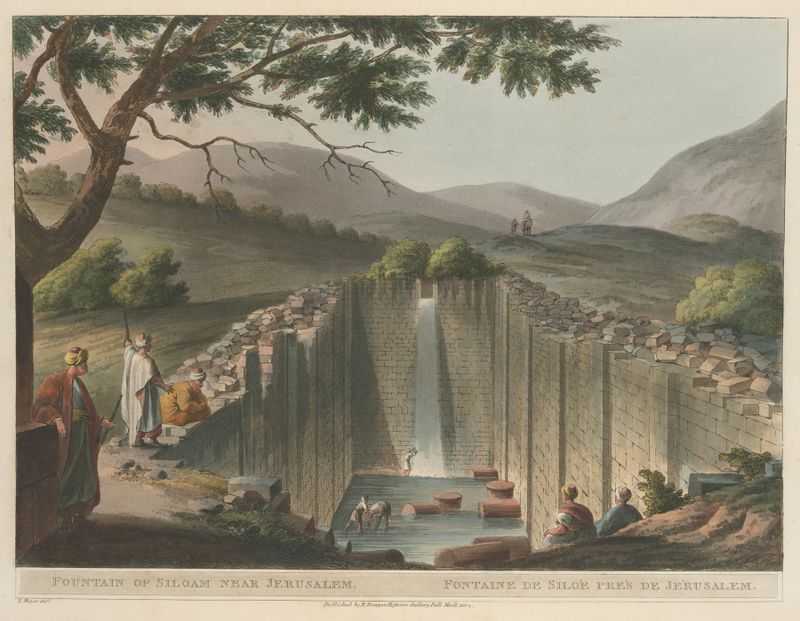
Fountain of Siloam Near Jerusalem
Luigi Mayer

View of the Dardanelles
Luigi Mayer
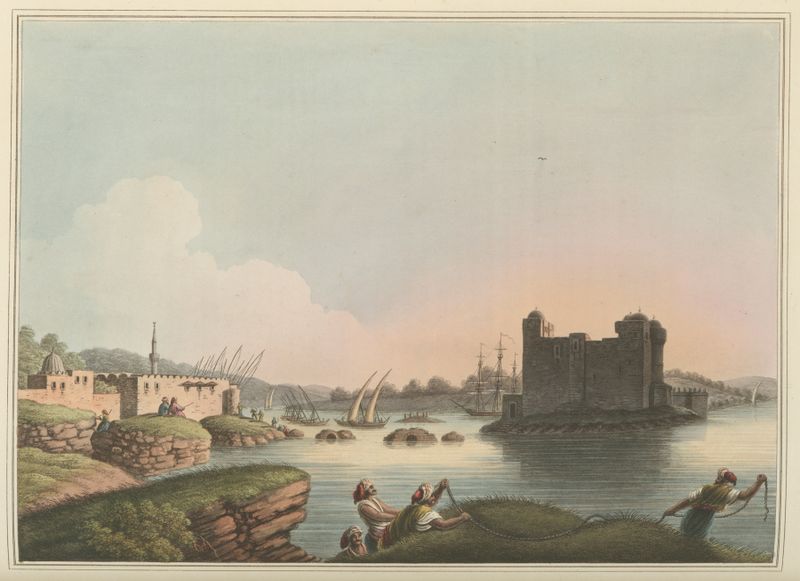
Port of Latachia
Luigi Mayer

Stadium at Ephesus
Luigi Mayer

Ancient Temples at Agrigentum
Luigi Mayer
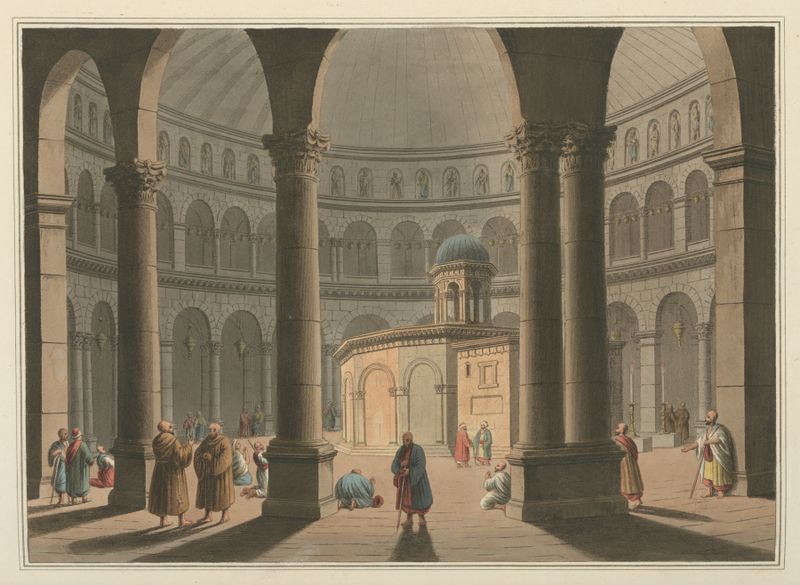
Church of the Holy Sepulchre
Luigi Mayer
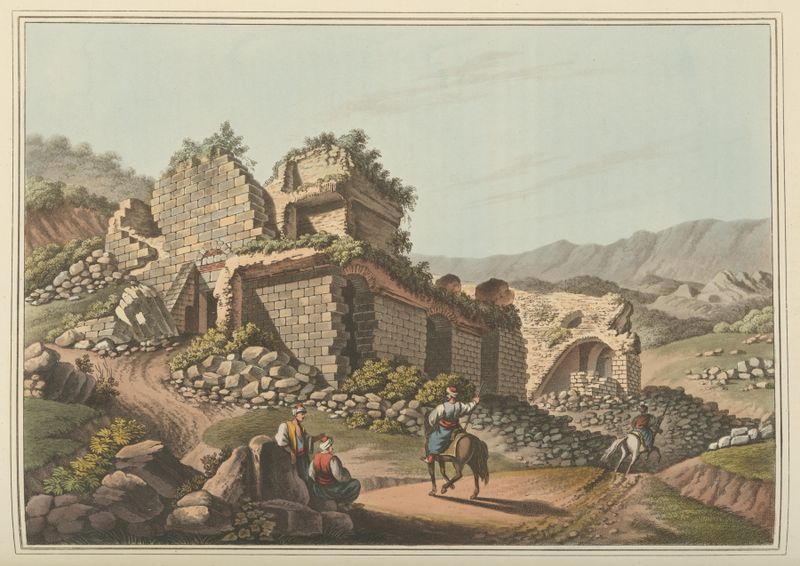
Theatre at Ephesus
Luigi Mayer
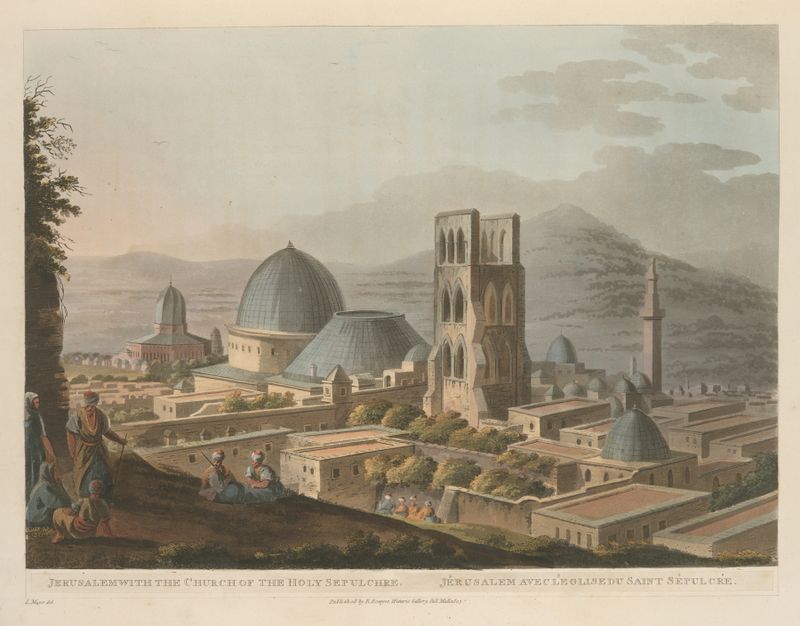
Jerusalem with the Church of the Holy Sepulchre
Luigi Mayer
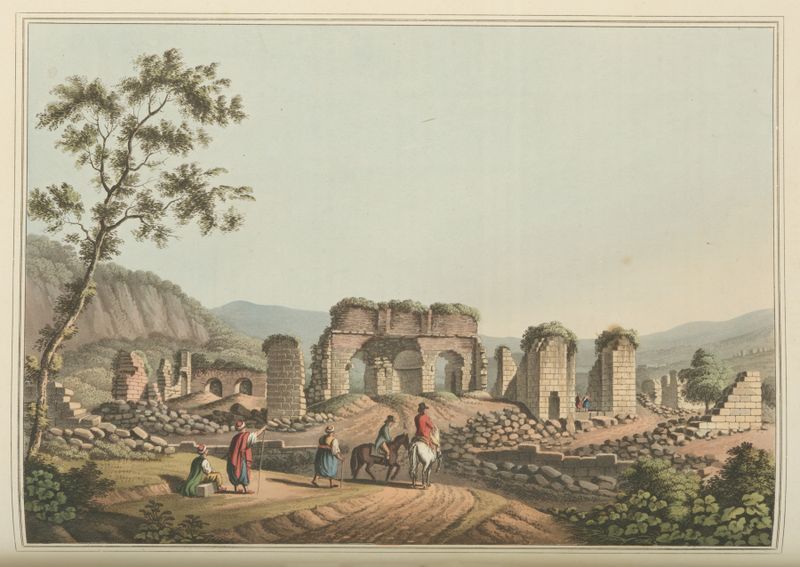
Ruins of the Temple of Diana at Ephesus
Luigi Mayer

Crater in the Island of Volcano
Luigi Mayer
More Architecture Art
Browse all →
The statue of Liberty
Frédéric Auguste Bartholdi

View of Houses in Delft, Known as ‘The Little Street’
Johannes Vermeer

View of Houses in Delft, Known as ‘The Little Street’
Johannes Vermeer

The Cathedral in Rouen. The portal, Grey Weather
Claude Monet

The yellow house
Vincent van Gogh

The Church in Auvers-sur-Oise, View from the Chevet
Vincent van Gogh