
Ruins of the Temple of Zeus, Baalbek — History & Facts
Can paint confess what words never could? In the hands of a master, creation becomes a dialogue not of sound, but of color and light, weaving narratives through visual splendor. Focus first on the majestic ruins that dominate the canvas, their ancient stones bathed in warm, golden light. Notice how Church employs a soft palette, blending earth tones with hints of lush greens, evoking the vibrancy of nature reclaiming the remnants of human ambition. The play of light casts shadows that dance upon the temple's pillars, imbuing the scene with a dynamic energy that bridges the gap between past and present. Beneath the grandeur lies an intricate story of decay and resilience.
The juxtaposition of the crumbling ruins against the verdant landscape speaks to the passage of time — a reminder of both the impermanence of human endeavors and the enduring beauty of nature. Each detail, from the intricate carvings still visible in the stone to the delicate foliage creeping through the cracks, invites contemplation on mankind's relationship with its creations and the inevitable cycle of growth and decline. Frederic Edwin Church painted Ruins of the Temple of Zeus, Baalbek in 1868 during a period marked by a fascination with classical antiquity and romanticized landscapes. At this time, the artist was deeply involved in the Hudson River School, a movement that emphasized the beauty of America's natural environment.
As he reflected on the ruins of ancient civilizations while traveling in the Near East, Church sought to capture not only the physical remnants of history but also their emotional resonance, channeling the spirit of creation through his brushstrokes.
More Artworks by Frederic Edwin Church
Browse all →
Niagara
Frederic Edwin Church
Cotopaxi
Frederic Edwin Church
Cotopaxi
Frederic Edwin Church
Niagara Falls, from the American Side
Frederic Edwin Church
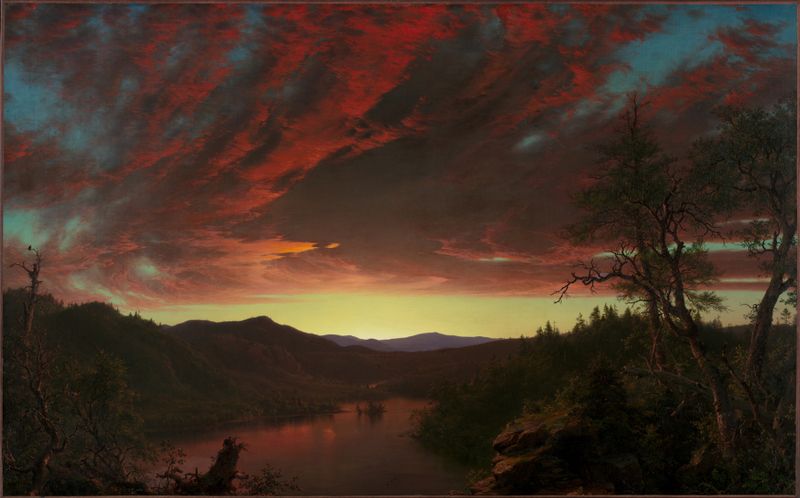
Twilight in the Wilderness
Frederic Edwin Church
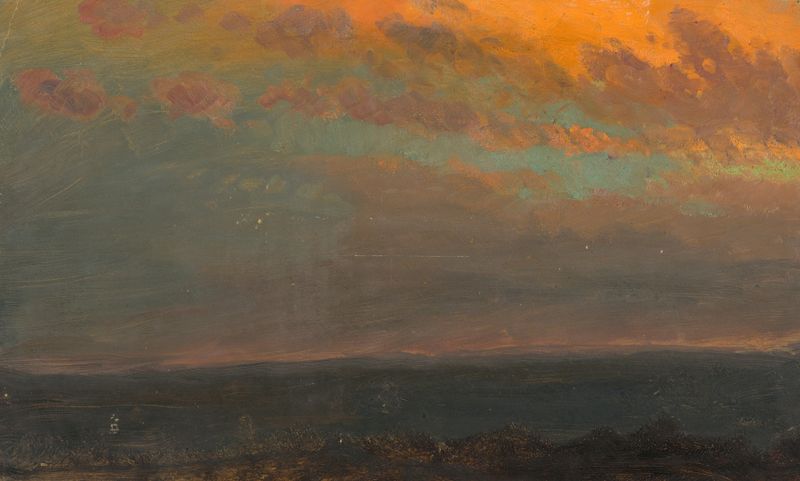
Hudson Valley at Sunset
Frederic Edwin Church
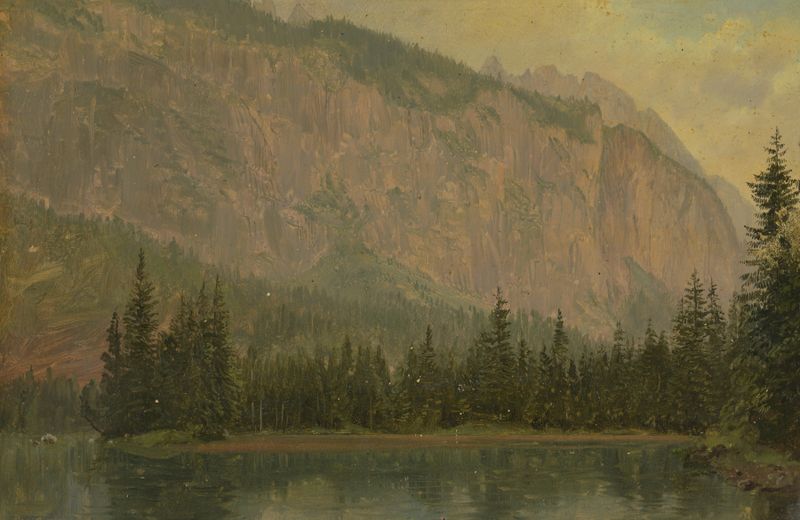
The Hintersee, near Berchtesgaden, Bavaria
Frederic Edwin Church
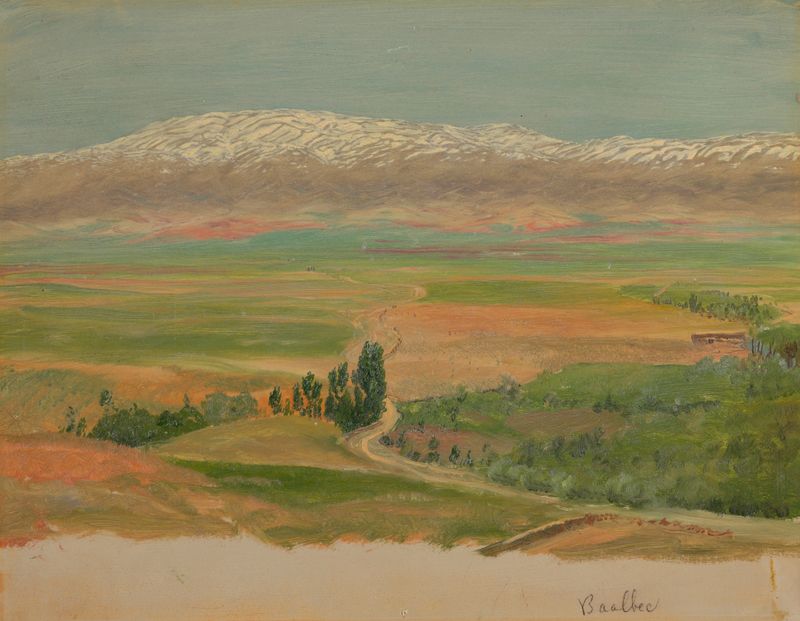
Mountains near Baalbec
Frederic Edwin Church
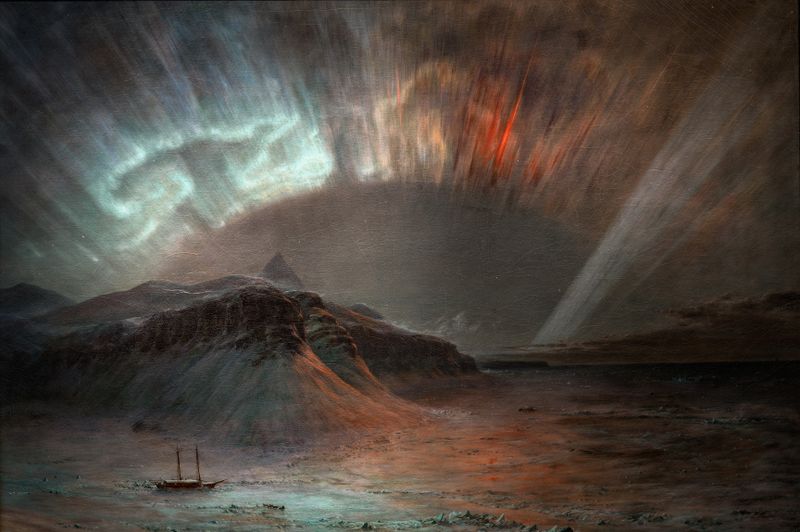
Aurora Borealis
Frederic Edwin Church
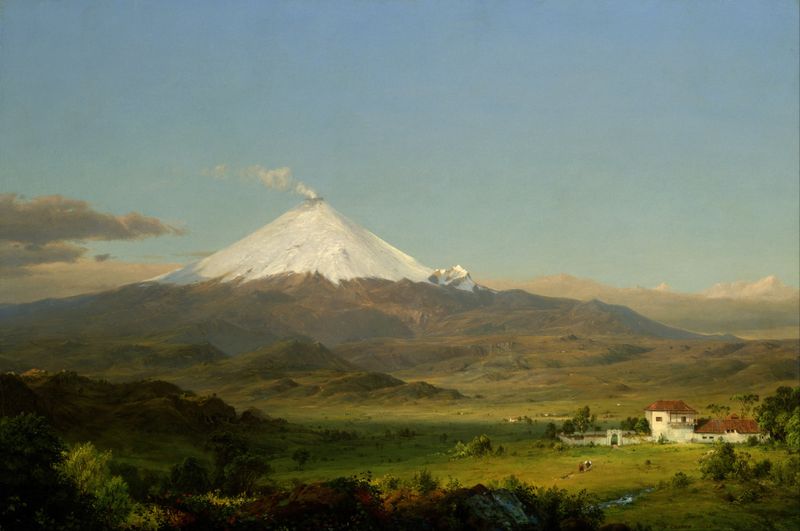
Cotopaxi
Frederic Edwin Church
More Architecture Art
Browse all →
The statue of Liberty
Frédéric Auguste Bartholdi

View of Houses in Delft, Known as ‘The Little Street’
Johannes Vermeer

View of Houses in Delft, Known as ‘The Little Street’
Johannes Vermeer

The Cathedral in Rouen. The portal, Grey Weather
Claude Monet

The yellow house
Vincent van Gogh

The Church in Auvers-sur-Oise, View from the Chevet
Vincent van Gogh