
Ruïnes aan voet van berg tussen Itri en Gaeta — History & Facts
Can paint confess what words never could? In Ruïnes aan voet van berg tussen Itri en Gaeta, the canvas whispers stories of hope long tethered to the remnants of the past, inviting viewers to explore the emotionally charged landscape through the artist's eyes. Look to the foreground, where crumbling stones and weathered structures emerge vibrantly against a backdrop of verdant hills. The palette of muted earth tones is punctuated by hints of sunlight filtering through the clouds, illuminating ancient ruins with a soft glow. Notice how the meticulous brushwork captures the texture of the rocks, seamlessly blending the harshness of decay with the gentle caress of nature's embrace, invoking a sense of nostalgia and yearning for what once was. Deeper reflections reveal the tension between destruction and renewal, as the juxtaposition of ruins and the flourishing greenery speaks to the cycle of life and the resilience of hope.
The distant hills cradle the scene, suggesting the permanence of the landscape amidst the transience of human endeavor. Each stone tells a story, each shadow a memory, underscoring that even in decay, there lies an enduring beauty—an invitation to imagine the lives and dreams once held within these walls. This work was created in 1778, during a pivotal time in Ducros's career as he was reestablishing himself in Italy after his early years in France. The Enlightenment was transforming perceptions of nature and history, and Ducros sought to capture the romantic allure of the Italian landscape, blending natural beauty with the echoes of its storied past.
This painting stands as a testament to his journey, intertwining his artistic evolution with the lush, historical canvas of the Italian countryside.
More Artworks by Abraham-Louis-Rodolphe Ducros
Browse all →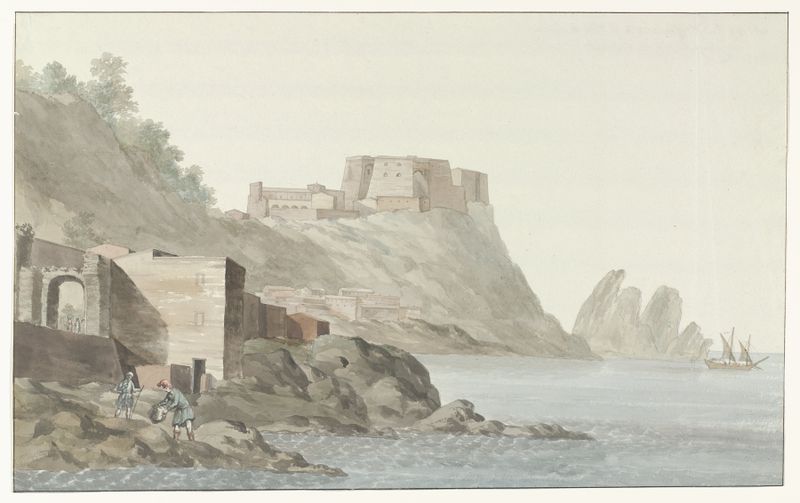
Rots en stad Scilla in de regio Calabrië aan de oostkust
Abraham-Louis-Rodolphe Ducros
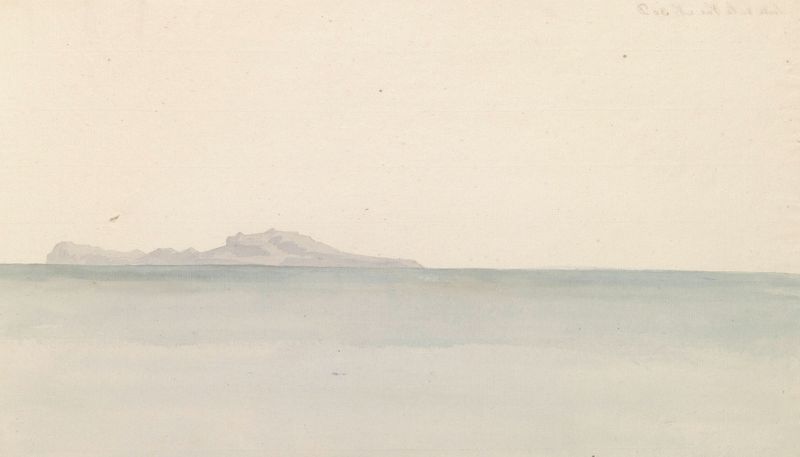
Gezicht op Golf van Napels vanaf kade bij kerk Santa Maria del Carmine
Abraham-Louis-Rodolphe Ducros
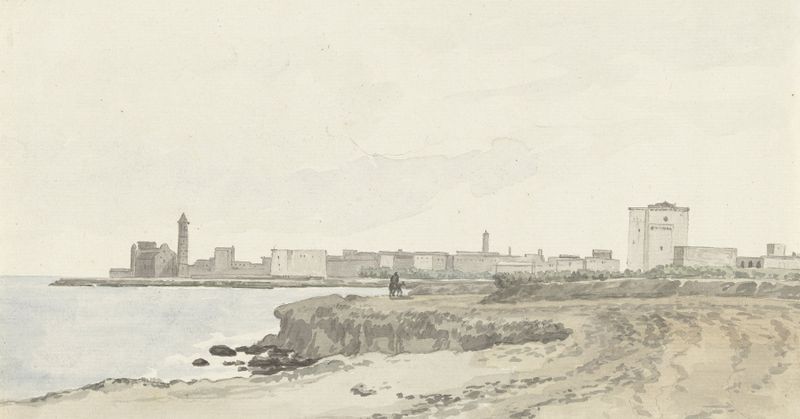
Gezicht op Trani gelegen aan de kust
Abraham-Louis-Rodolphe Ducros
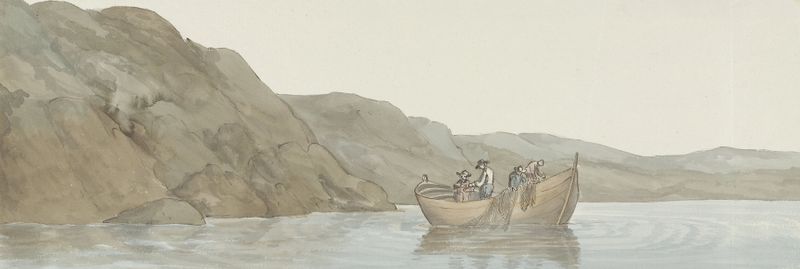
Gezicht op Kaap Paceco in Calabrië nabij de stad Scilla
Abraham-Louis-Rodolphe Ducros
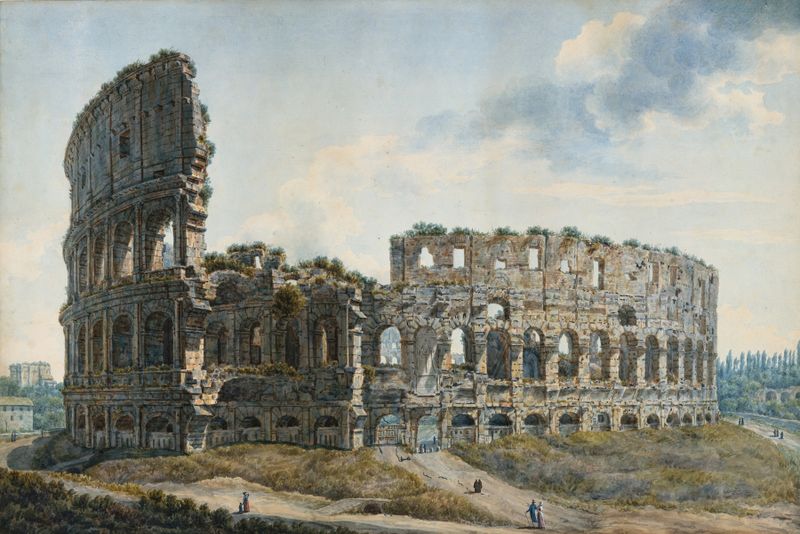
The Colosseum, Rome.
Abraham-Louis-Rodolphe Ducros
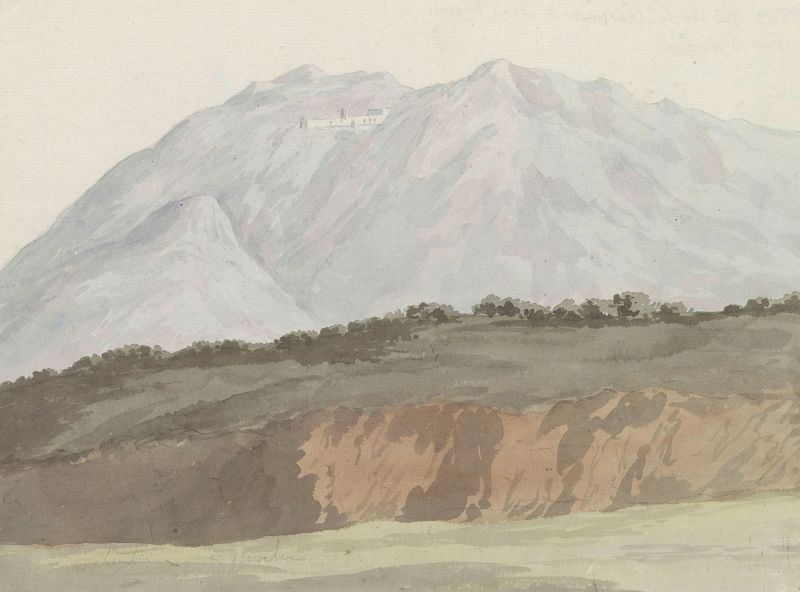
Gezicht op kartuizerklooster van Monte Vergine hoog gelegen boven Avellino
Abraham-Louis-Rodolphe Ducros
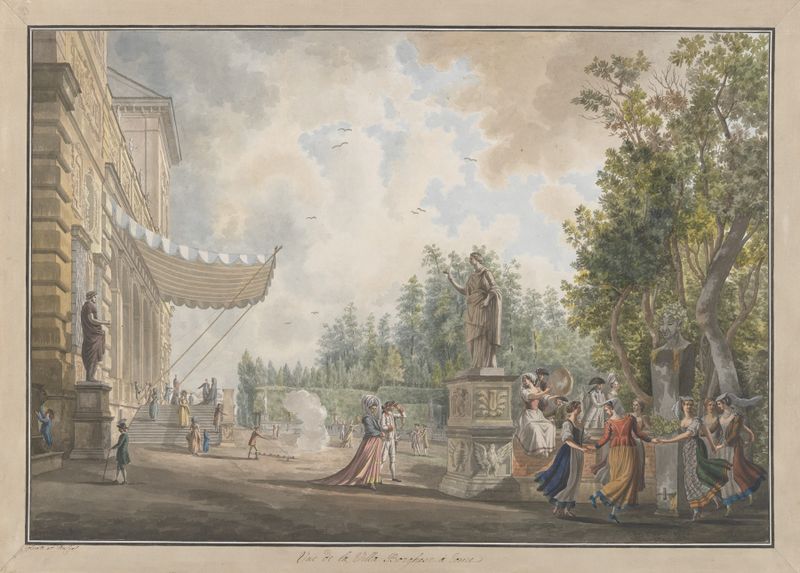
Villa Borghese
Abraham-Louis-Rodolphe Ducros
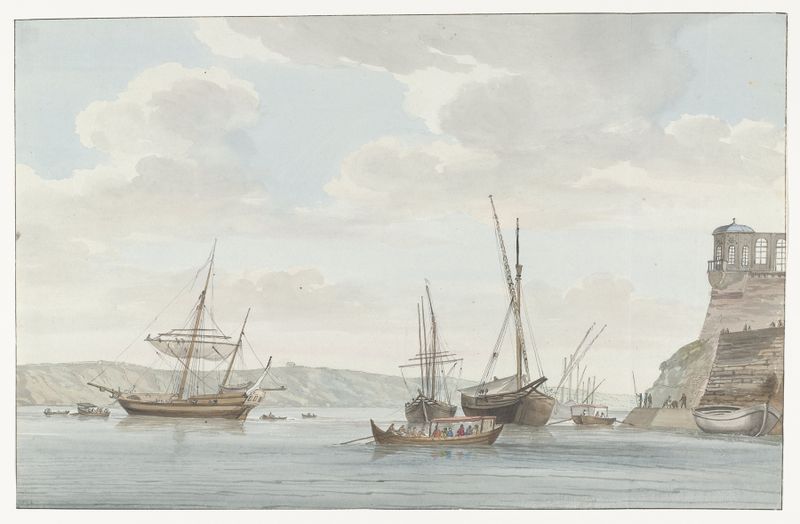
Tuinhuis van de Jardin du Grand Maître uittorend boven de haven met galei schepen op Malta
Abraham-Louis-Rodolphe Ducros
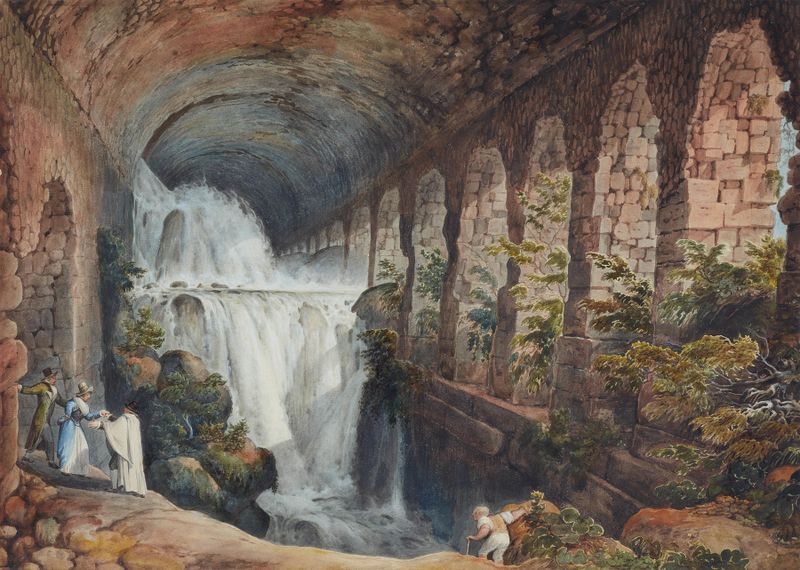
Aquädukt unter der Villa des Maecenas in Tivoli
Abraham-Louis-Rodolphe Ducros
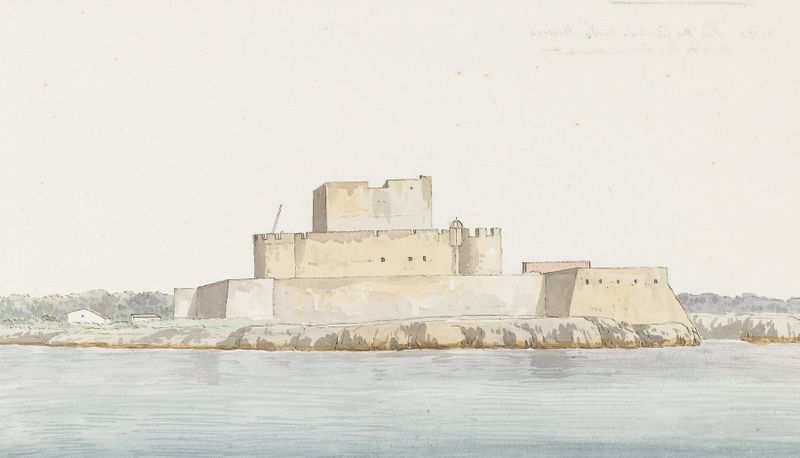
Gezicht op kasteel van San Mauro la Bruca vanaf zee bij aankomst
Abraham-Louis-Rodolphe Ducros





