Rupsen en een slak — History & Facts
Could beauty survive in a century of chaos? In the midst of turmoil, Rupsen en een slak encapsulates a moment of delicate tranquility amid nature’s fragile balance. Look closely at the foreground, where a vibrant display of ripe, red cherries draws your attention. Their glossy surfaces reflect light, creating an inviting allure that contrasts starkly with the rough texture of the surrounding leaves. Notice how the soft curves of the fruit harmonize with the gentle, spiraled form of the snail, nestled almost protectively among them.
The careful arrangement and meticulous detail invite the viewer to explore each element, as Hollar’s fine lines define the leaves and the snail’s shell with precision, suggesting a sense of life captured in stillness. Delve deeper, and you’ll see that this seemingly serene composition carries an undertone of tension. The lush cherries, symbols of indulgence, lie precariously near the soil—reminding us of decay and the relentless passage of time. The snail, slow and deliberate, evokes a sense of patience in a world that often rushes toward chaos.
Together, these elements reflect a fragile ecosystem where beauty and violence coexist, embodying both the allure of nature and the inevitable cycle of life. In 1646, Hollar was living in Antwerp, having fled the turmoil of the Thirty Years' War. This period profoundly influenced his perspective on life and beauty, as artists sought to convey deeper meanings amidst societal upheaval. Working in a style that combined realism with meticulous detail, Hollar found a way to capture the complex interplay of life’s transient beauty, creating a moment that resonates well beyond its serene exterior.
More Artworks by Wenceslaus Hollar
Browse all →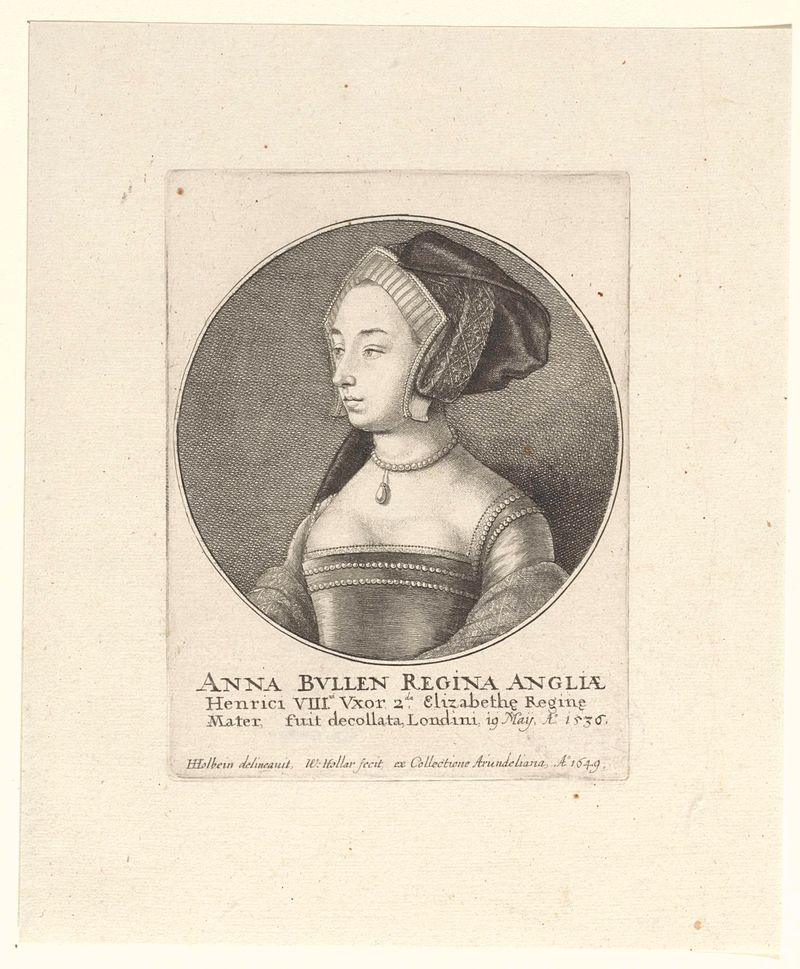
Portret van Anna Boleyn, koningin van Engeland
Wenceslaus Hollar
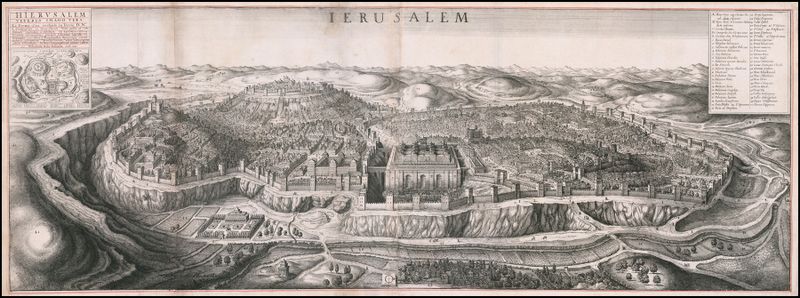
Bird’s eye view of Jerusalem
Wenceslaus Hollar
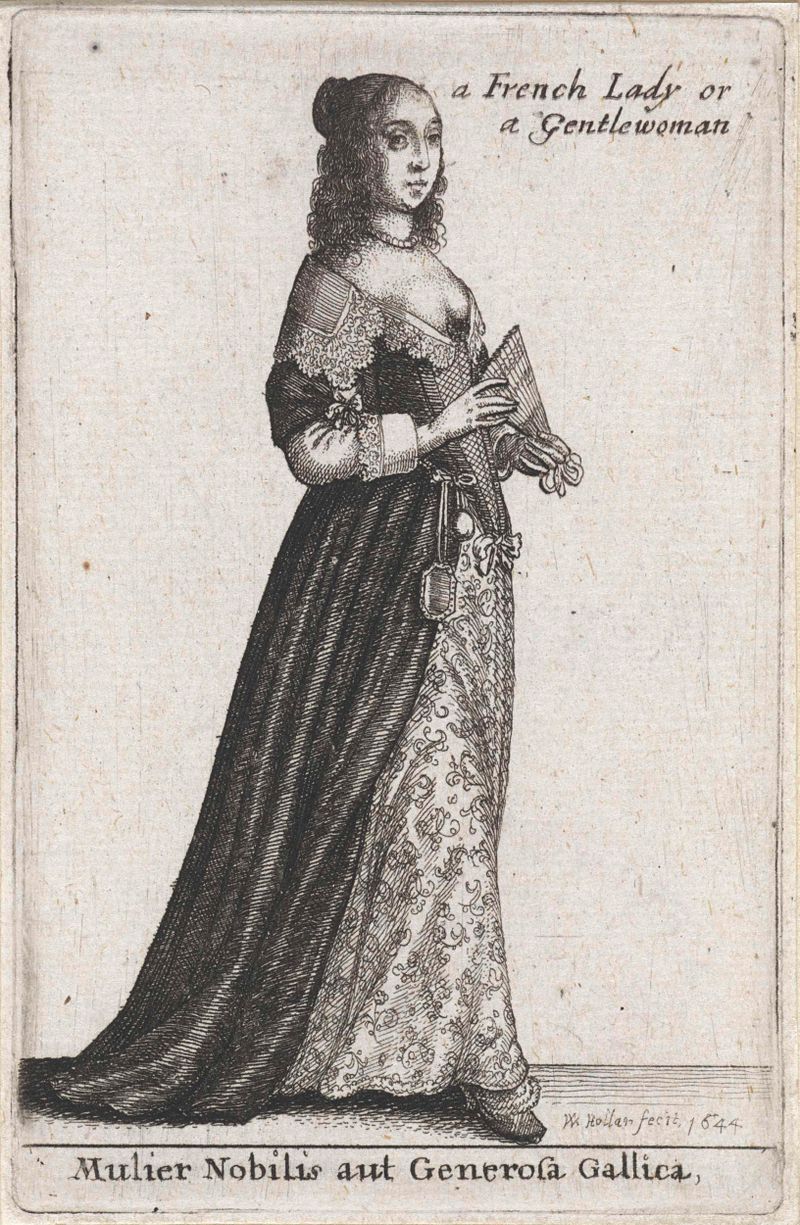
Mulier Nobilis aut Generosa Gallica / a French Lady or Gentlewoman
Wenceslaus Hollar
Titelprent voor: Ornatus Muliebris Anglicanus
Wenceslaus Hollar
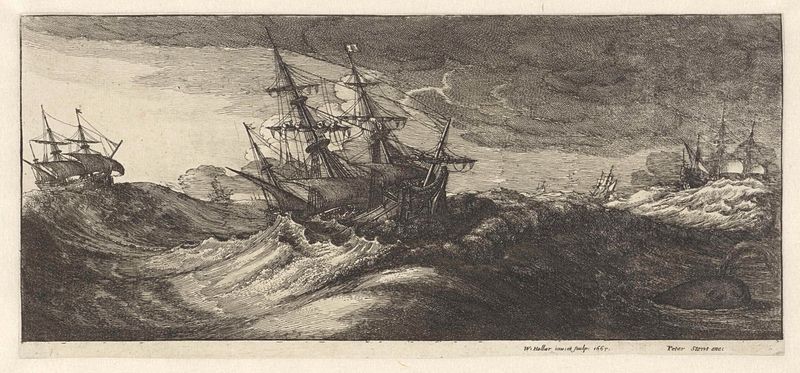
Oorlogsschepen en een walvis in een zeestorm
Wenceslaus Hollar
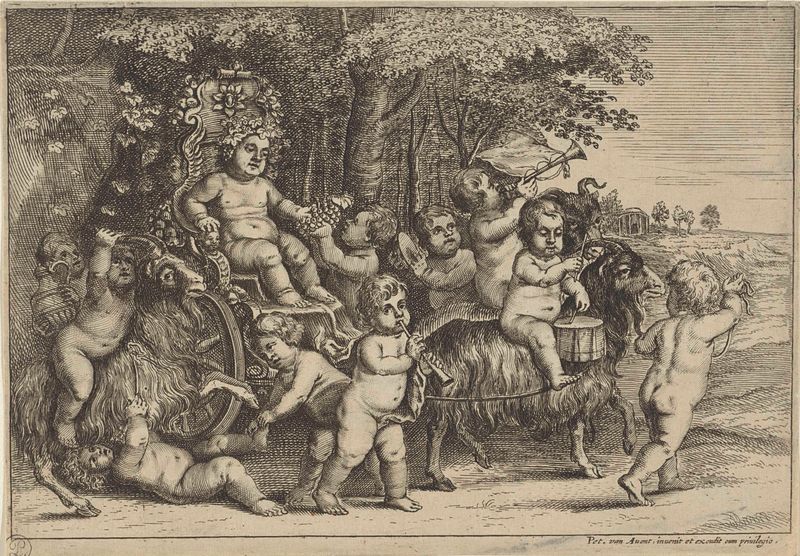
Optocht van bacchant en jongetjes op geiten
Wenceslaus Hollar
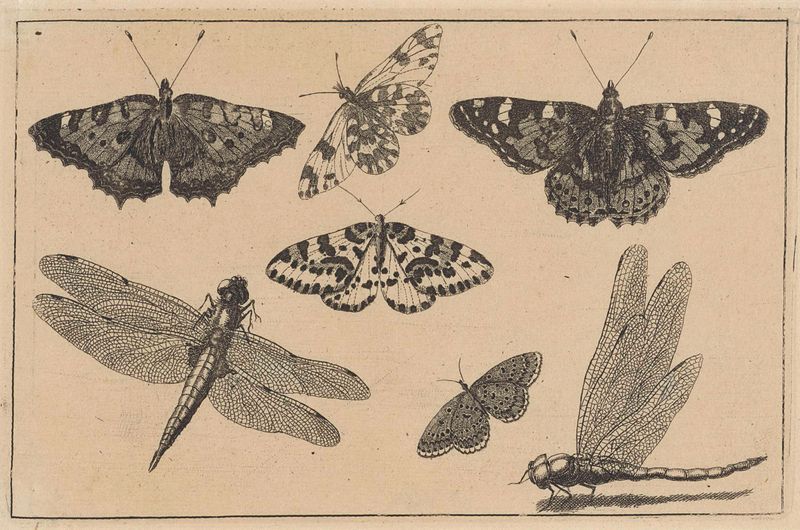
Twee libellen en vijf vlinders
Wenceslaus Hollar
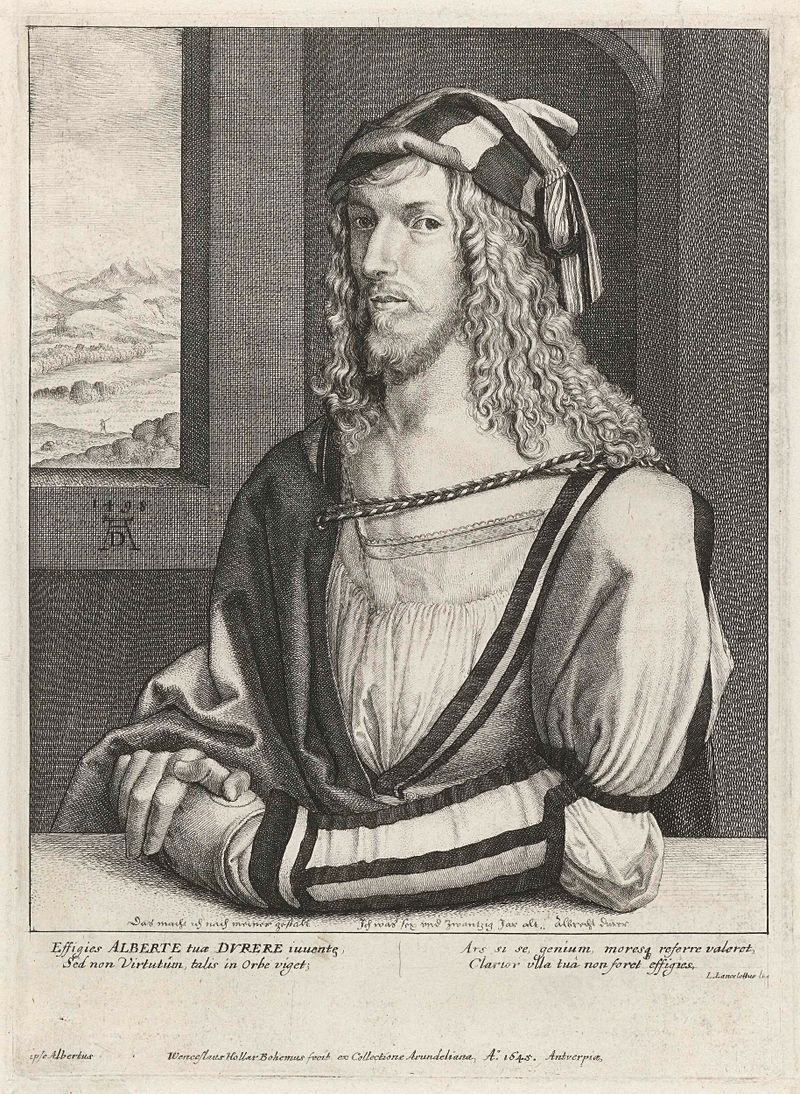
Portret van Albrecht Dürer
Wenceslaus Hollar
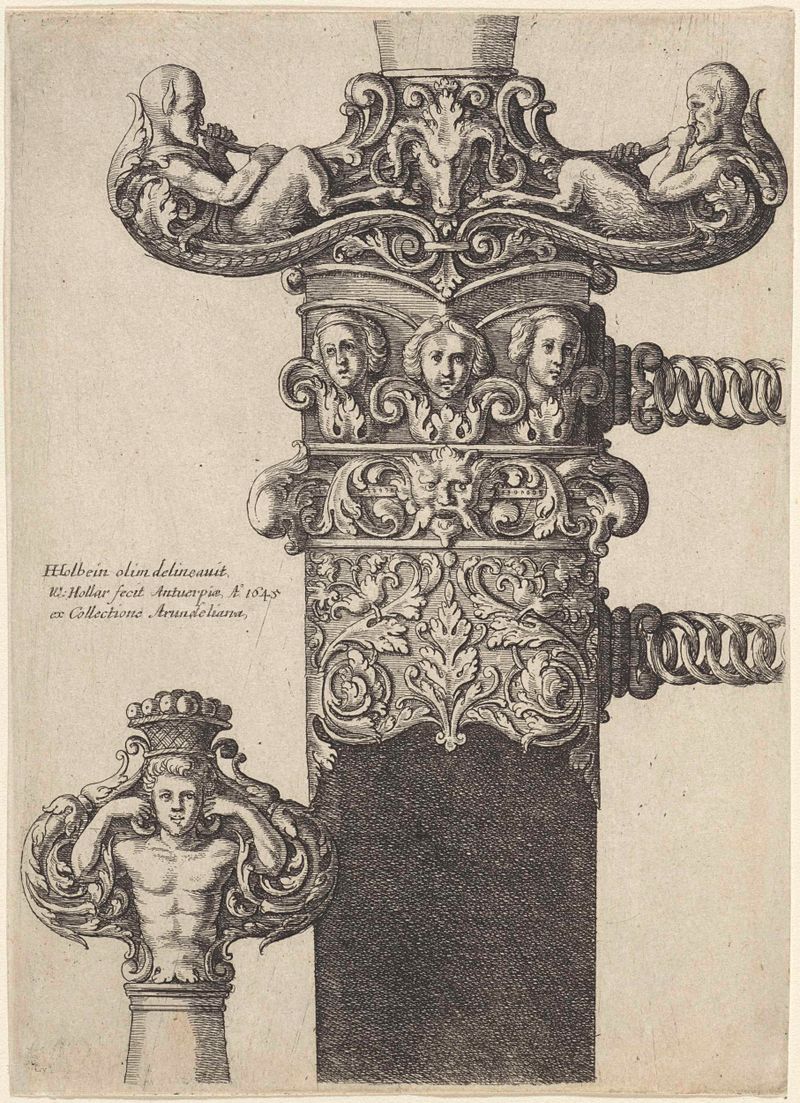
Ornamenteel ontwerp voor een dolk
Wenceslaus Hollar
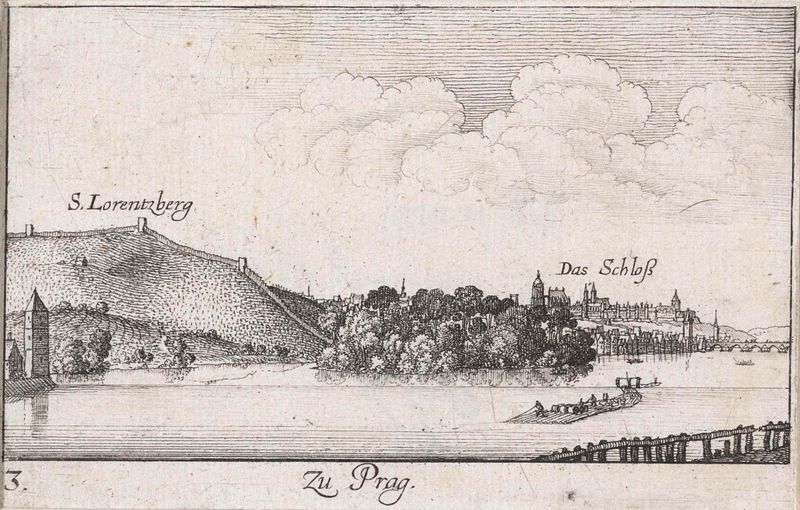
Gezicht op Praag vanaf de Moldau
Wenceslaus Hollar