
Rêverie (Portrait of Gabrielle Borreau) — History & Facts
In the delicate embrace of a moment, the viewer confronts their own obsession with beauty and longing. The quiet allure of the figure draws us closer, inviting introspection into the unspoken narrative unfolding in the depths of the canvas. Look to the left at the gentle curve of her neck, where light bathes the skin in warm, golden tones. The artist masterfully captures the texture of her hair, each stroke languid and tender, suggesting a softness that contrasts with the starkness of the background.
Notice how the deep, muted colors create a cocoon around her, isolating her in a serene yet haunting stillness. The interplay of light and shadow not only highlights her features but also evokes an atmosphere of contemplation, as if she is lost in a dreamlike reverie. Within this serene portrait lies a tension between desire and detachment. The gaze of Gabrielle Borreau is both inviting and distant, embodying the duality of yearning for connection while remaining ensconced in solitude.
The rich, dark hues behind her serve as a metaphorical barrier, hinting at the complexity of her inner world. These subtle contrasts invite viewers to ponder what lies beneath the surface—an obsession not just with beauty, but with the moment itself. Gustave Courbet painted this work in 1862 in Paris, a time when he was emerging as a central figure in the Realist movement. Disinterested in the constraints of academic art, he sought to portray truth through unidealized subjects and naturalism.
His exploration of everyday life and its complexities mirrors the shifting tides of society, reflecting a broader quest for authenticity in both life and art.
More Artworks by Gustave Courbet
Browse all →
Marine
Gustave Courbet
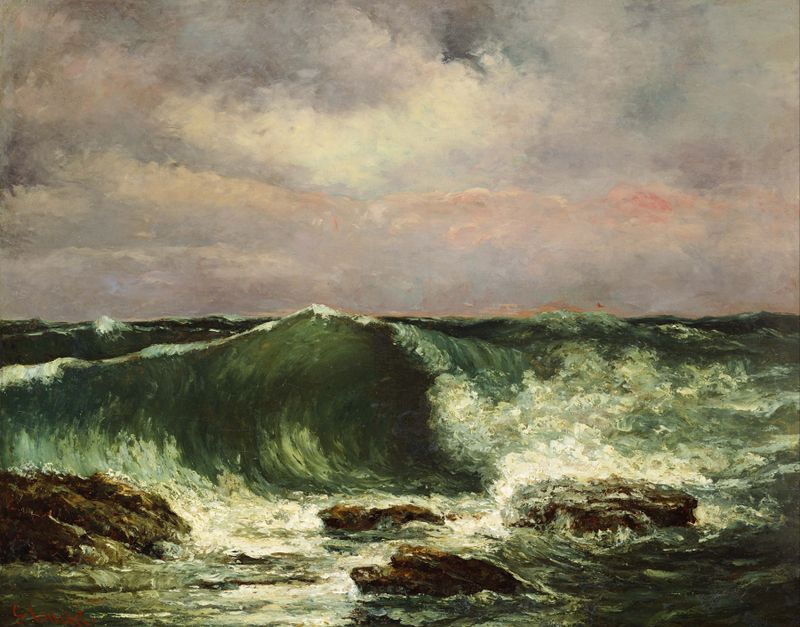
Waves
Gustave Courbet

Étretat; Les Falaises
Gustave Courbet
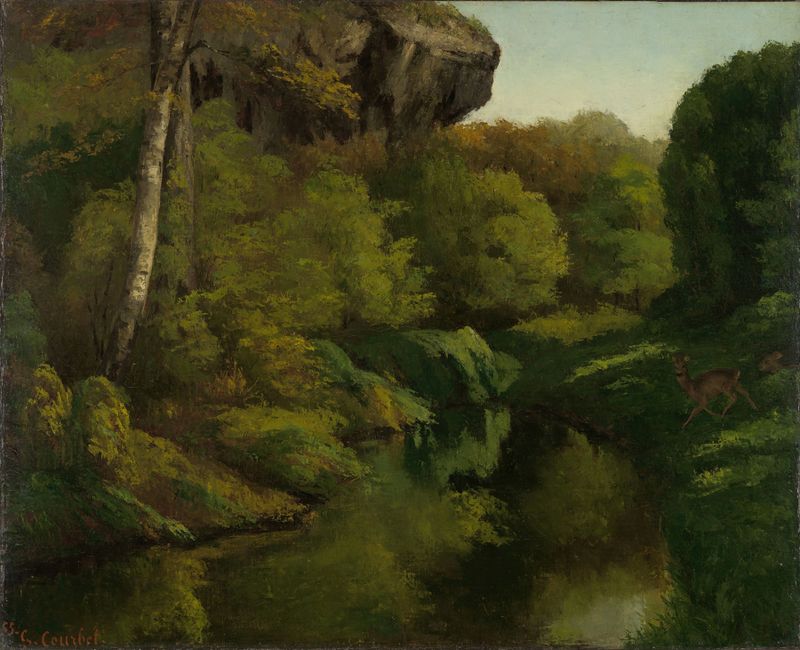
View in the Forest of Fontainebleau
Gustave Courbet
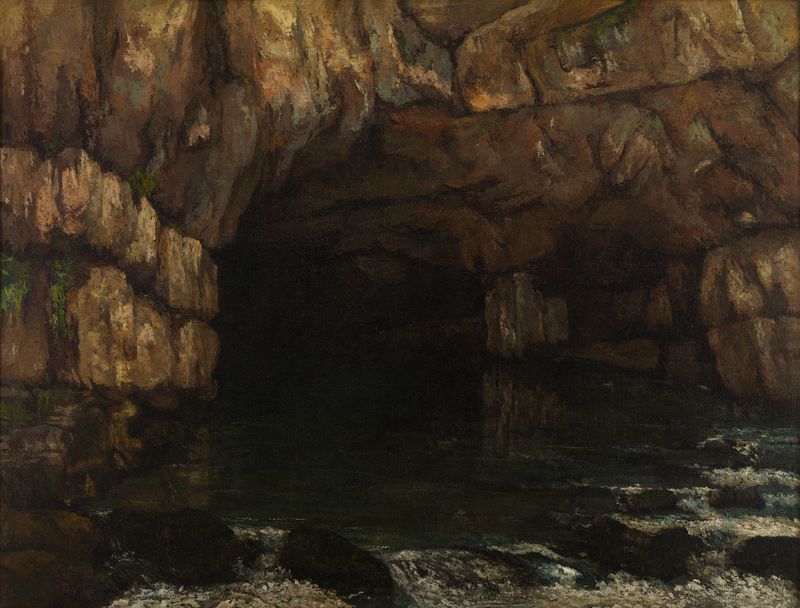
La source de la Loue (The Source of the Loue)
Gustave Courbet

Low Tide at Trouville
Gustave Courbet
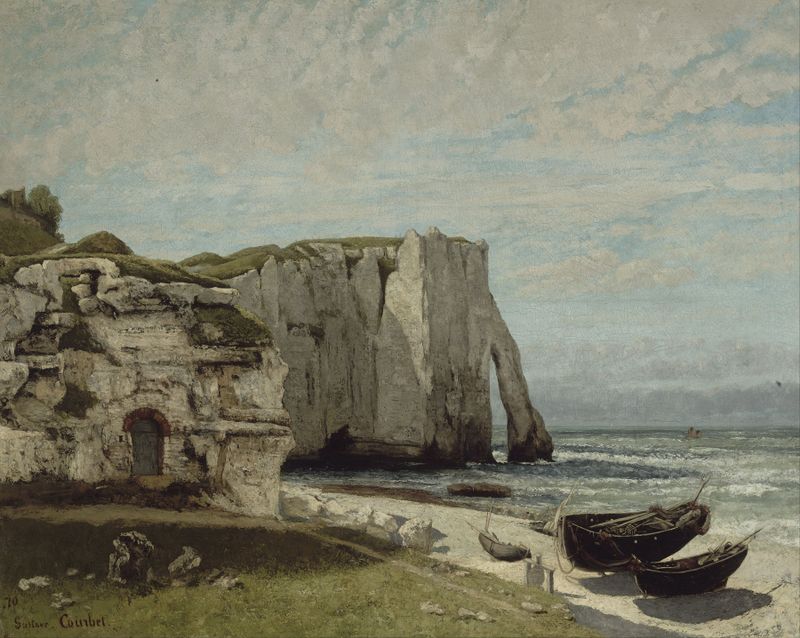
The Etretat Cliffs after the Storm
Gustave Courbet
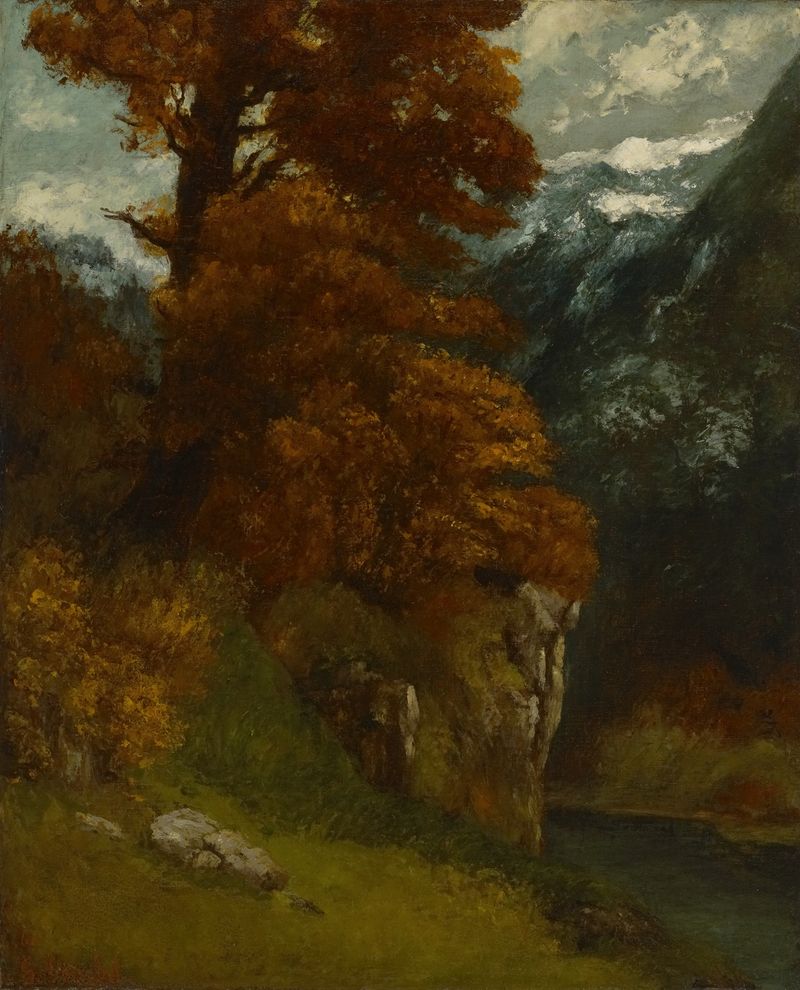
The Glen at Ornans (Bords du Doubs; Effet d’Automne)
Gustave Courbet
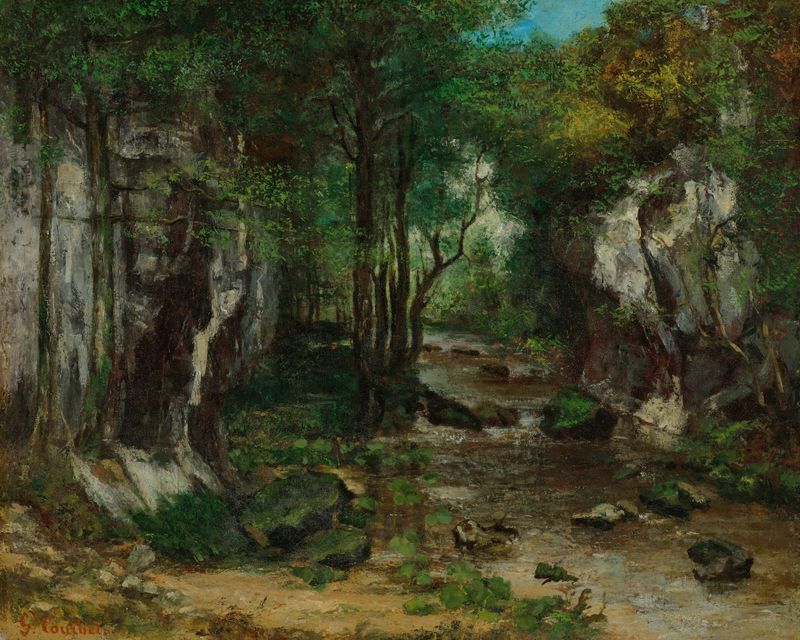
Le Ruisseau de Puits Noir
Gustave Courbet
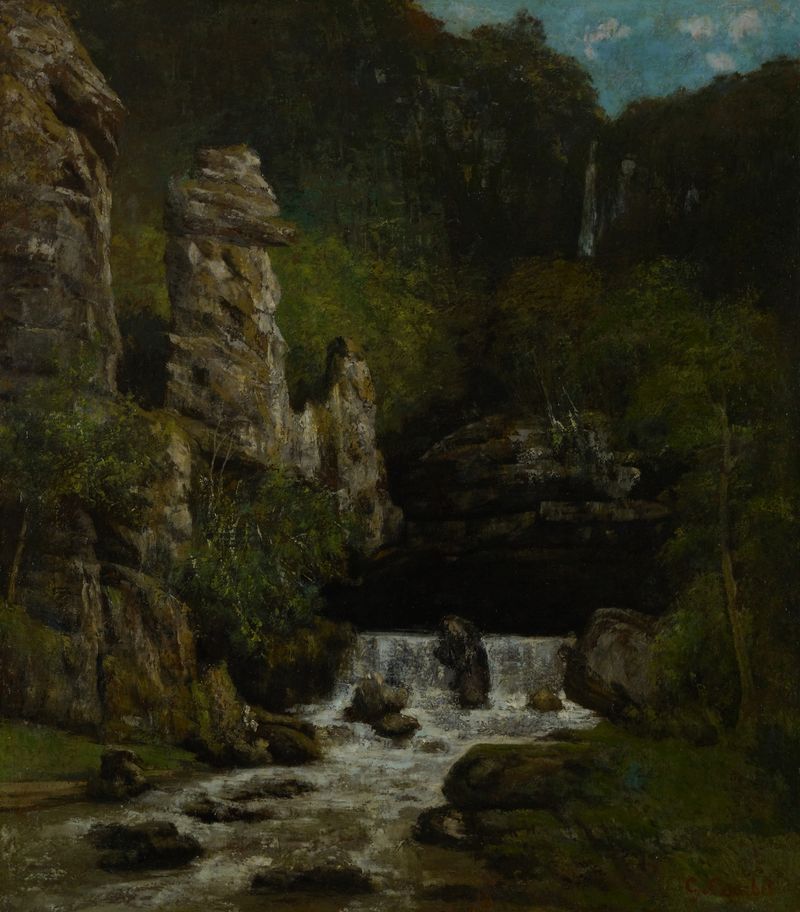
Landscape with a Waterfall
Gustave Courbet
More Portrait Art
Browse all →
Las meninas
Diego Velázquez

Self-portrait with a Bandaged Ear and Pipe
Unidentified artist

Girl with a Pearl Earring
Johannes Vermeer

The Sampling Officials of the Amsterdam Drapers’ Guild, Known as ‘The Syndics’
Rembrandt van Rijn

The Hundred Guilder Print: the man seen on the back in the lower left corner
Rembrandt van Rijn

Portrait of Dr Gachet
Vincent van Gogh