
Rye — History & Facts
Who listens when art speaks of silence? In Rye, the stillness resonates deeply, inviting viewers to contemplate the dreams hidden within the vastness of the landscape. Look to the foreground, where the golden stalks of rye sway gently, their delicate forms catching the soft light. Notice how the brushwork creates a sense of movement, each stroke whispering secrets of the wind that plays among the grains. The subdued palette of warm yellows and greens blends harmoniously, evoking a tranquil atmosphere that feels both serene and alive.
The horizon stretches wide, drawing the eye across a canvas that feels expansive and timeless. In this work, the interplay of light and shadow reflects a deeper emotional landscape. The golden hues symbolize hope and abundance, while the muted background hints at the mysteries that lie just beyond reach. The balance between the intimate detail of the rye and the vast sky overhead suggests a tension between the known and the unknown, the tangible and the dreamlike.
It's a quiet meditation on the nature of existence, inviting personal reflection and interpretation. Jan Stanisławski created Rye in 1900, during a pivotal period in Polish art, marked by an exploration of realism and symbolism. Working in Warsaw, he sought to capture the essence of the Polish countryside, moving away from the grand historical narratives that dominated the art scene. This painting reflects both his unique style and the cultural currents of the time, as artists began to embrace the beauty of everyday life and nature’s subtleties.
More Artworks by Jan Stanisławski
Browse all →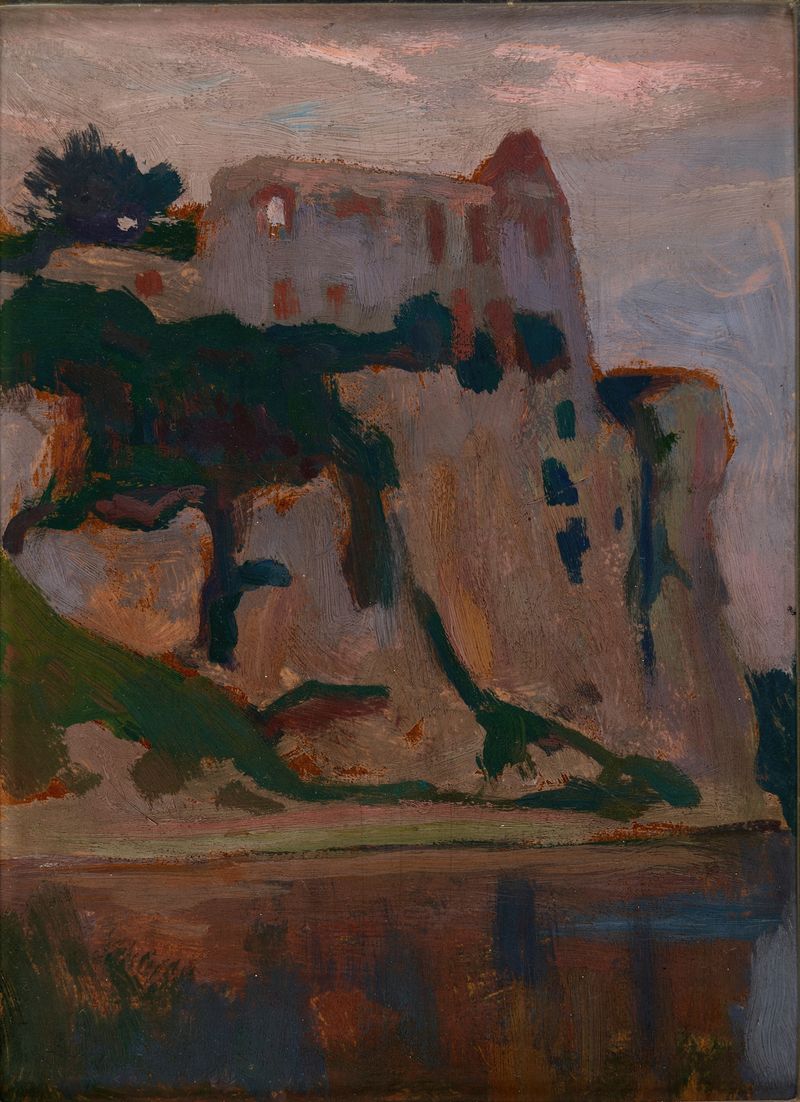
Tyniec at Dawn
Jan Stanisławski
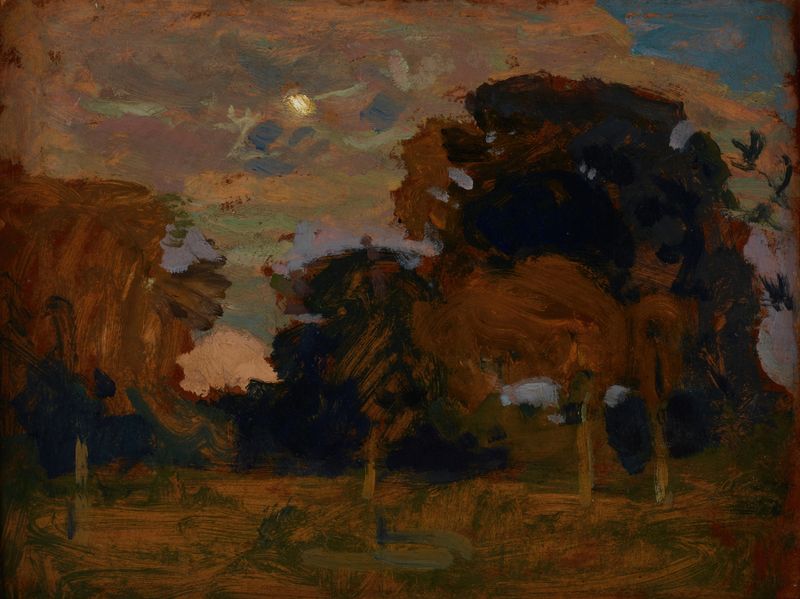
Moon in the Clouds
Jan Stanisławski
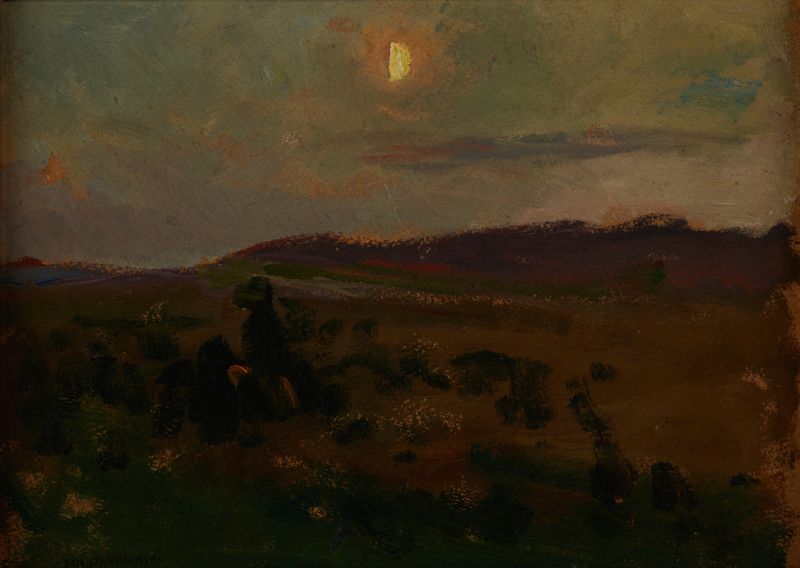
Moonrise
Jan Stanisławski
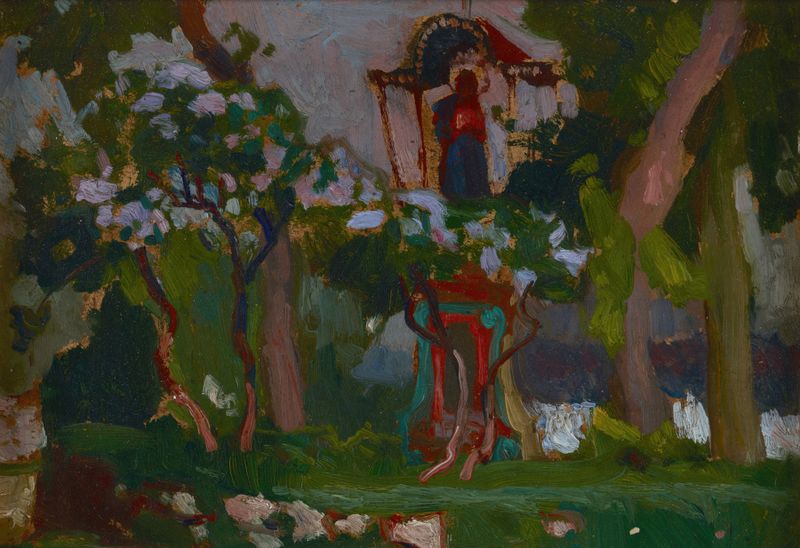
May
Jan Stanisławski
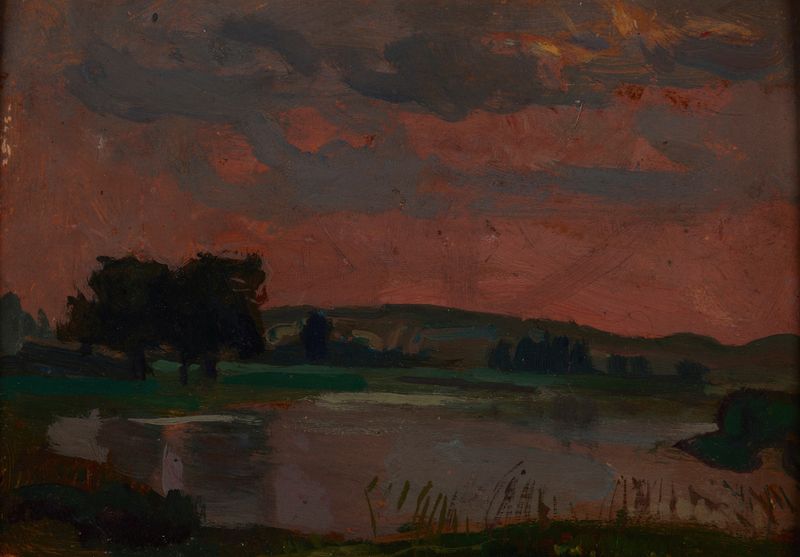
The Vistula in the Twilight
Jan Stanisławski
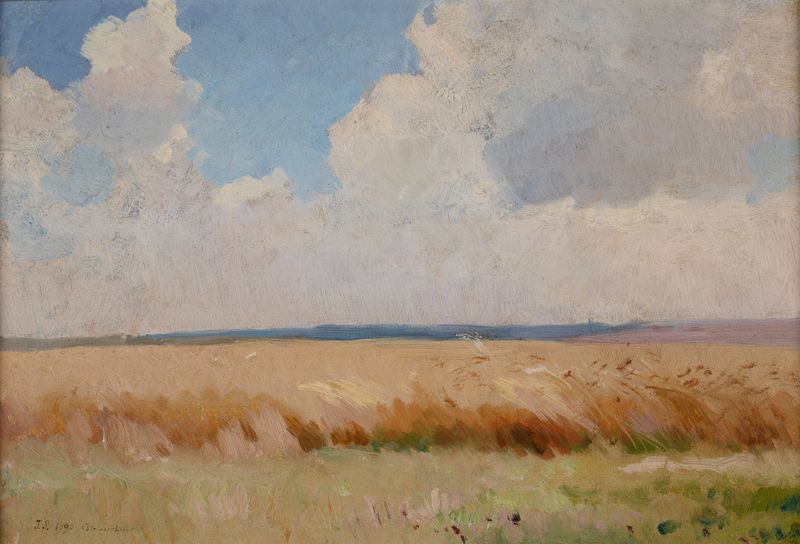
Field at Białocerkiew (Bila Tserkva)
Jan Stanisławski
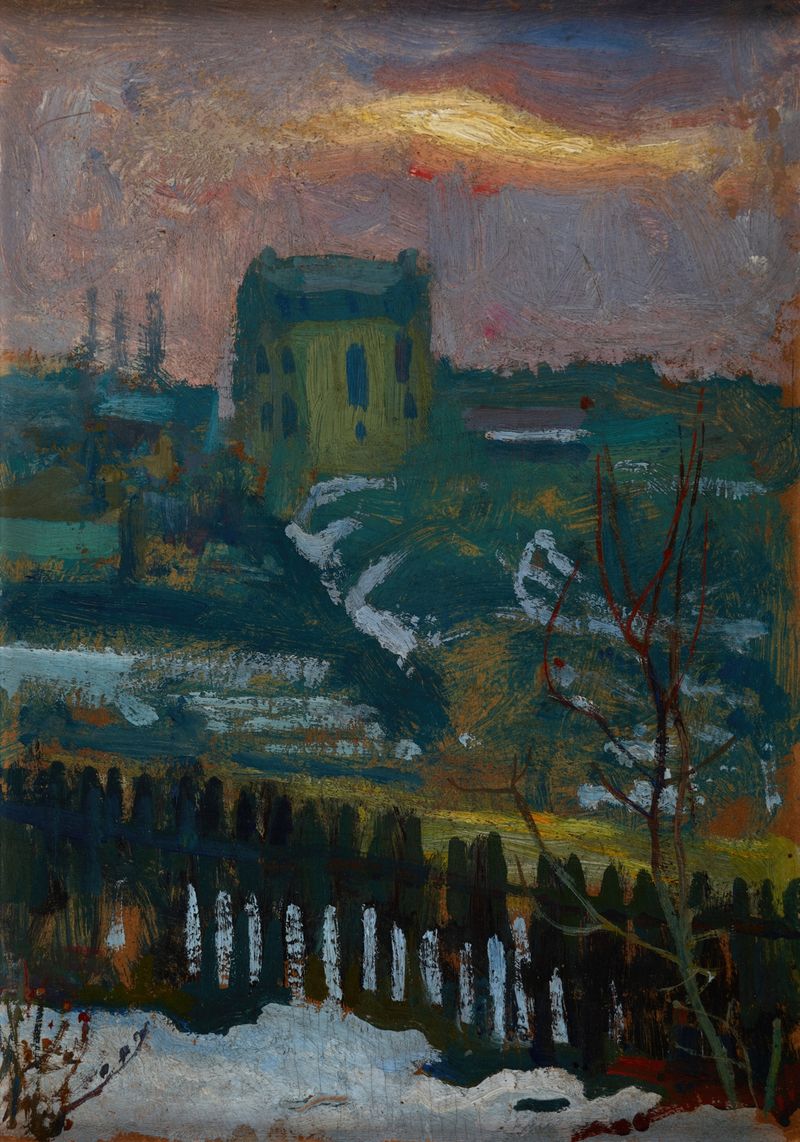
House in Winter
Jan Stanisławski
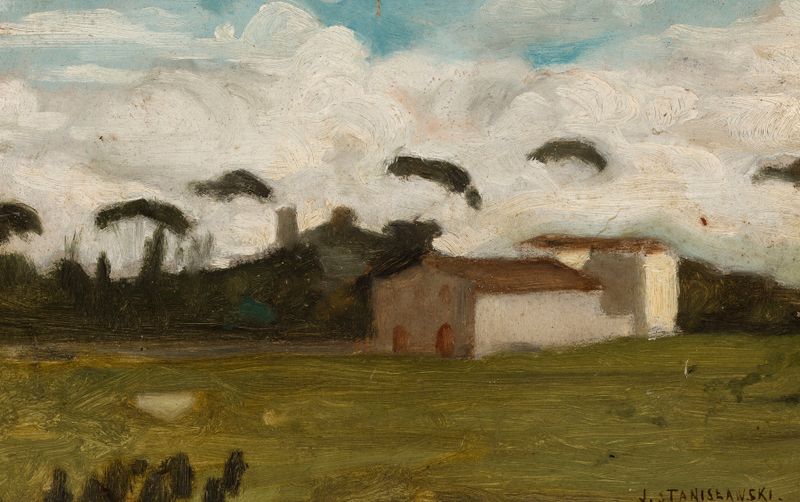
Landscape
Jan Stanisławski
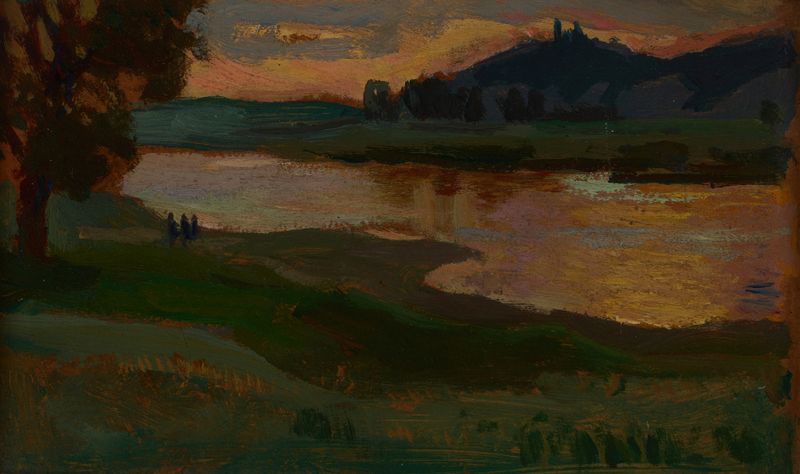
Bielany at Dusk
Jan Stanisławski
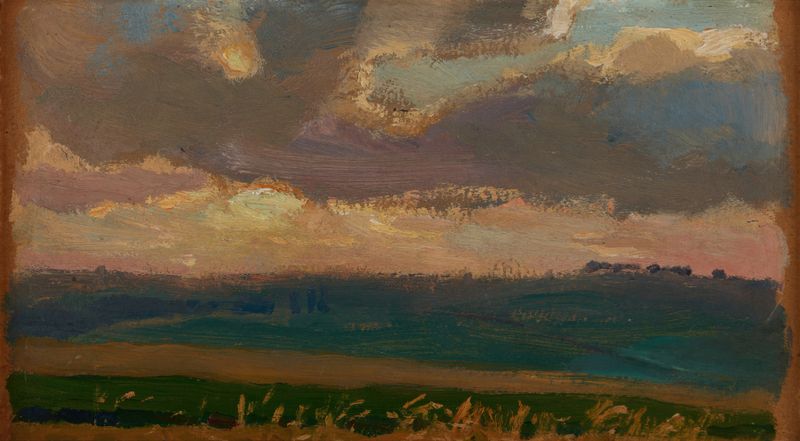
Fields at Proszowice
Jan Stanisławski





