Sadko’s chamber — History & Facts
Can beauty exist without sorrow? In Sadko’s Chamber, this question resonates deeply, inviting viewers into a realm where joy and melancholy coexist in fragile harmony. Focus on the ornate details of the room, where hues of golden light dance against deep blues and lush greens, creating a striking contrast. The rich patterns and intricate design of the textiles draw your eye across the canvas, leading you to the central figure lost in contemplation. Notice how the subtle illumination highlights the melancholy expression on Sadko’s face, embodying the duality of hope and despair within the tranquil environment. Hidden beneath the surface, the painting reveals layers of emotional tension.
The opulent surroundings serve as a reminder of wealth and success, yet Sadko’s solitude hints at an inner longing or loss. The interplay of light and shadow encapsulates this dichotomy, suggesting that even in moments of beauty, sorrow may linger just beyond the periphery of vision. The viewer is prompted to reflect on the true cost of riches and the paradox of a fulfilled heart that still yearns for something unattainable. Created in 1920, this work emerged from Roerich's experiences in an era marked by turmoil and transformation.
Living in Russia during the aftermath of the Revolution, he sought to express deeper truths through his art, combining folklore with personal introspection. This painting encapsulates his journey through changing landscapes, where the beauty of cultural heritage stands juxtaposed to the sorrows of a disjointed world.
More Artworks by Nicholas Roerich
Browse all →
Himalayas, Sikkim
Nicholas Roerich
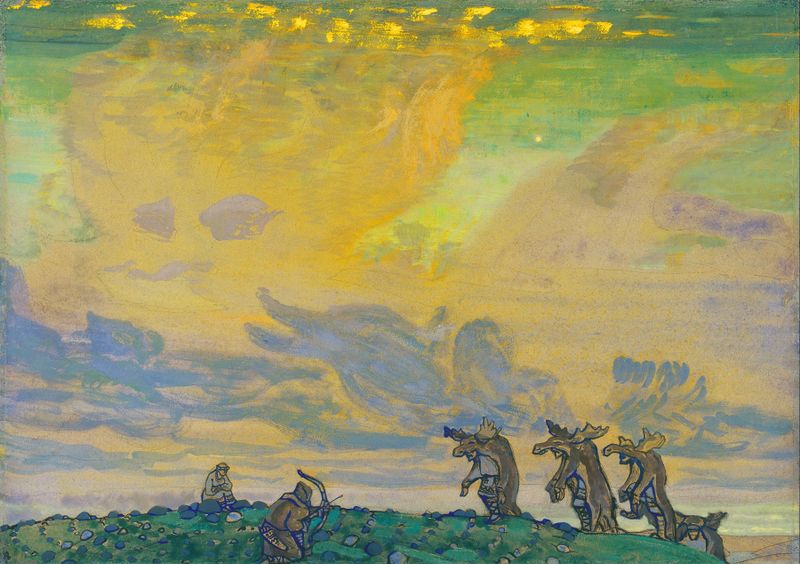
The Great Sacrifice. Setting for I.F.Stravinsky’s Ballet Sacred Spring
Nicholas Roerich
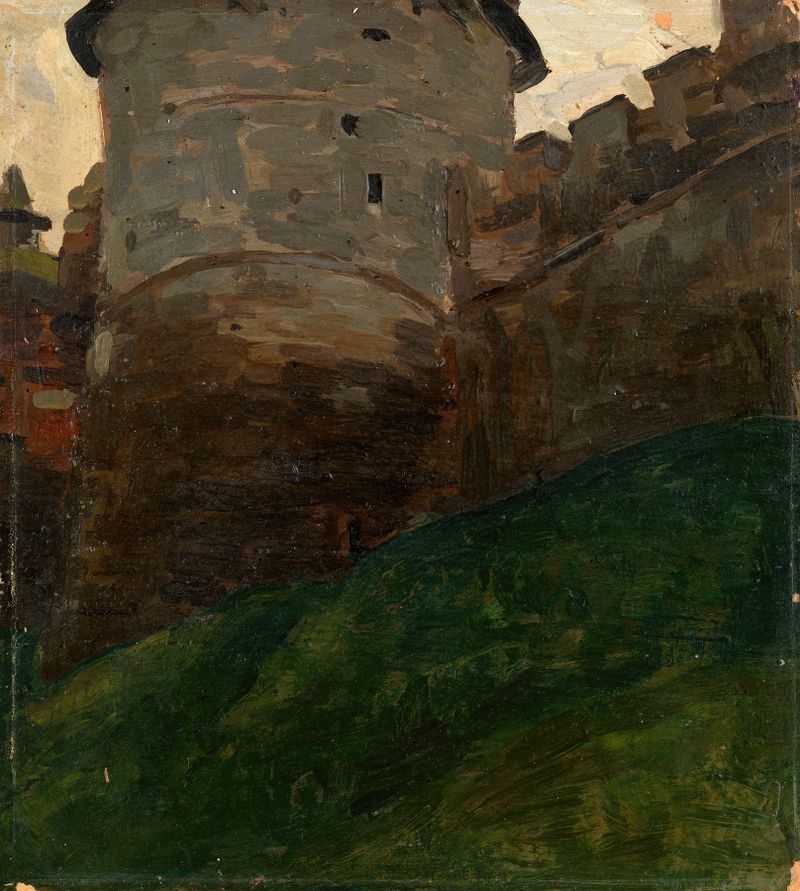
The Kremlin Tower of Nizhny Novgorod
Nicholas Roerich
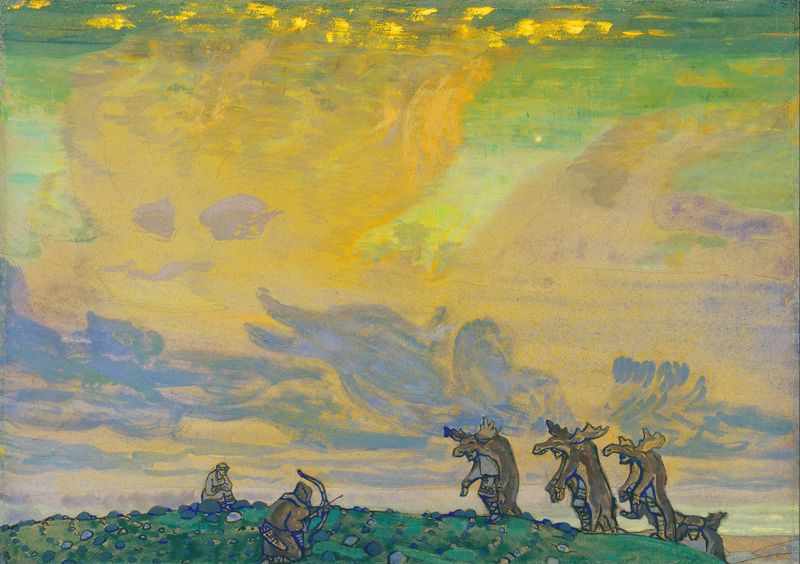
The Great Sacrifice. Setting for I.F.Stravinsky’s Ballet «Sacred Spring»
Nicholas Roerich

Himalayas from Ting-kye Dzong
Nicholas Roerich
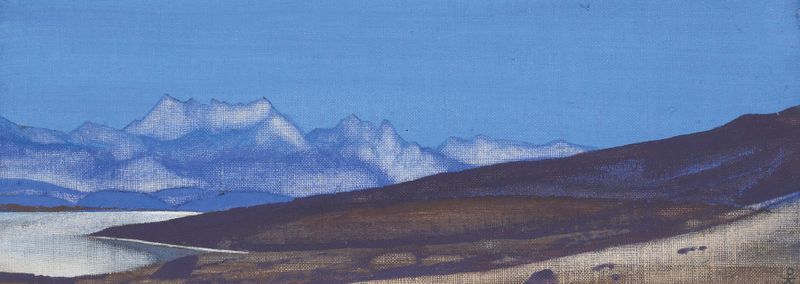
Mongolia
Nicholas Roerich
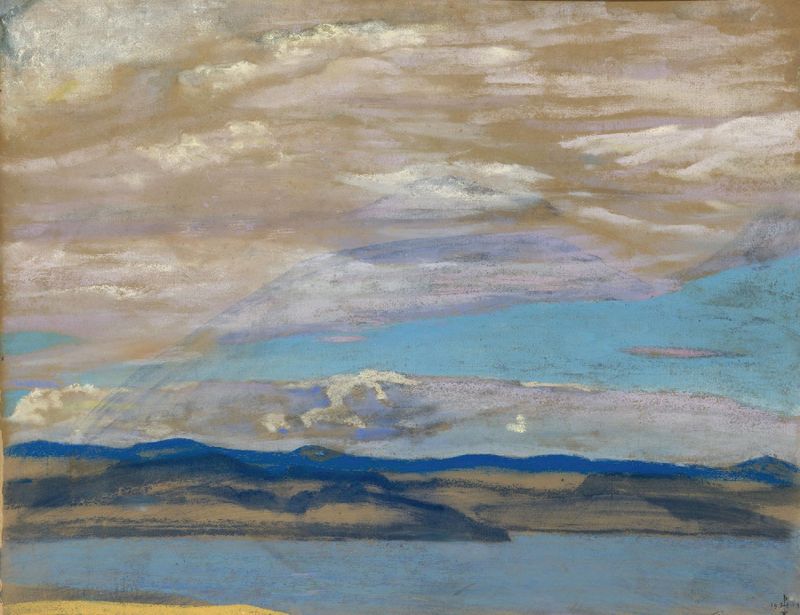
Islands
Nicholas Roerich

Depsang plains
Nicholas Roerich

Nag Lake
Nicholas Roerich
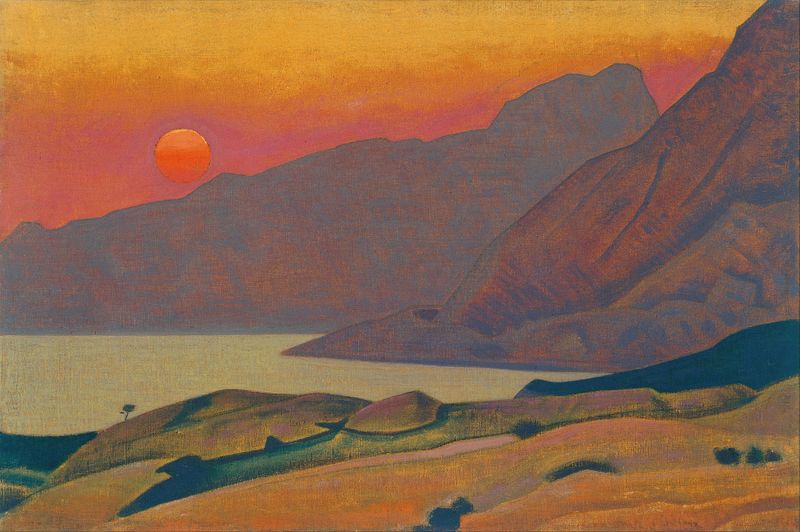
Monhegan. Maine
Nicholas Roerich