
Saint Ambrose — History & Facts
Can beauty exist without sorrow? In Saint Ambrose, Francisco de Goya beckons us to ponder this essential question, inviting a reflection on the bittersweet nature of faith and devotion amid the shadows of betrayal. Look closely at the figure of Saint Ambrose, poised majestically at the center, resplendent in his rich, dark robes adorned with gold. Notice how the deep burgundy background frames his figure, creating a stark contrast that draws the eye directly to the saint's soft, contemplative expression. The interplay of light and shadow highlights his features, emphasizing both the dignity of his position and the weight of his heart.
The intricate brushwork captures the texture of his garments, while the subtle palette conveys a sense of solemnity and depth. Delve deeper into the painting’s emotional landscape, and you will uncover layers of meaning. The saint's gaze seems to look beyond the viewer, hinting at an internal struggle, perhaps a reflection on the betrayal that accompanied his life. The small details, like the delicate halo encircling his head, illuminate the tension between divine grace and human fragility.
Here, beauty is not merely aesthetic; it is a vessel for the sorrows borne by saints and the weight of human imperfection. Created in 1796, during a transitional period for Goya in Madrid, Saint Ambrose reflects his increasing engagement with themes of spirituality and morality. It was a time when Goya, witnessing societal upheavals, began to explore more profound emotional narratives in his work. The aftermath of the Enlightenment and the turbulent political landscape propelled him toward a more introspective and complex artistic expression, marking a significant evolution in his oeuvre.
More Artworks by Francisco de Goya
Browse all →
The Third of May 1808
Francisco de Goya

De slaap van de rede brengt monsters voort
Francisco de Goya

The Charge of the Mamelukes (1814)
Francisco de Goya
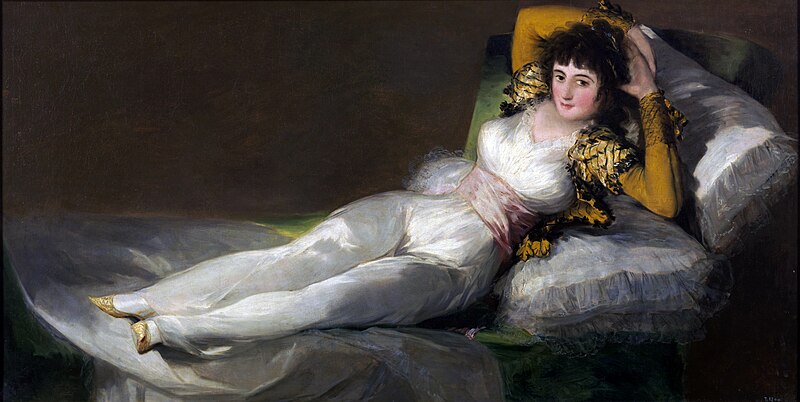
La maja vestida
Francisco de Goya

La maja desnuda
Francisco de Goya
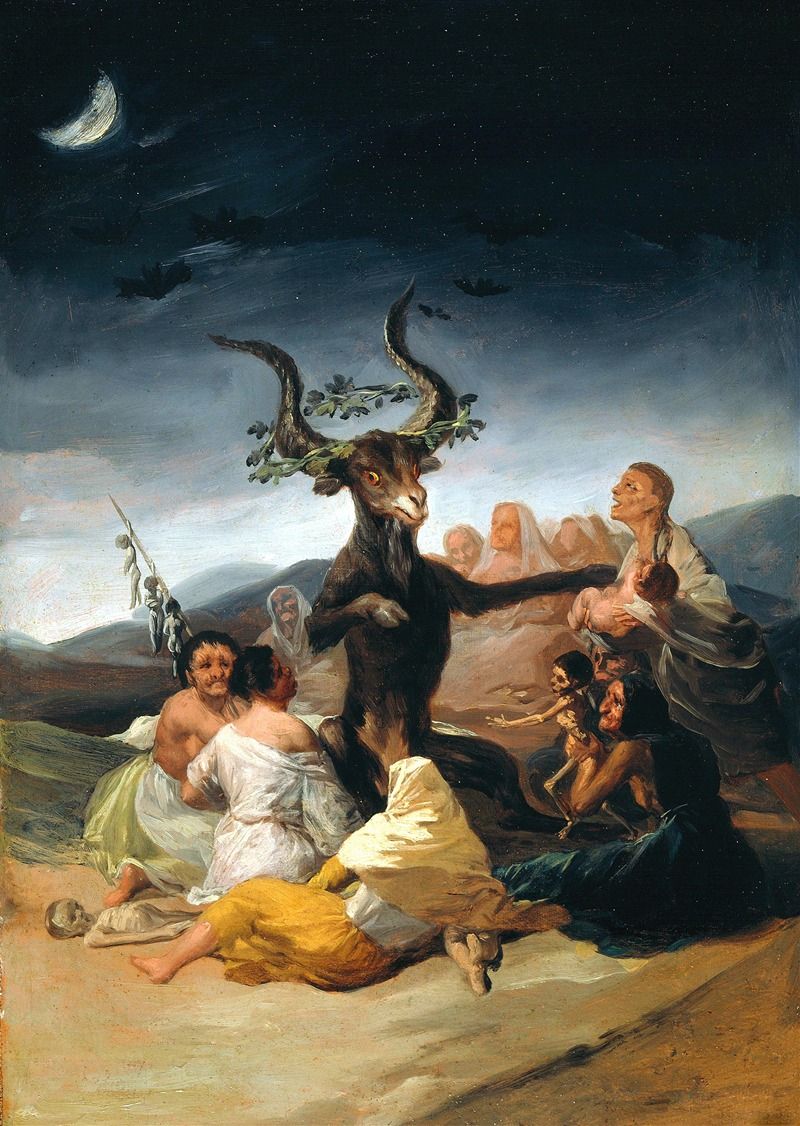
The Sabbath of witches
Francisco de Goya
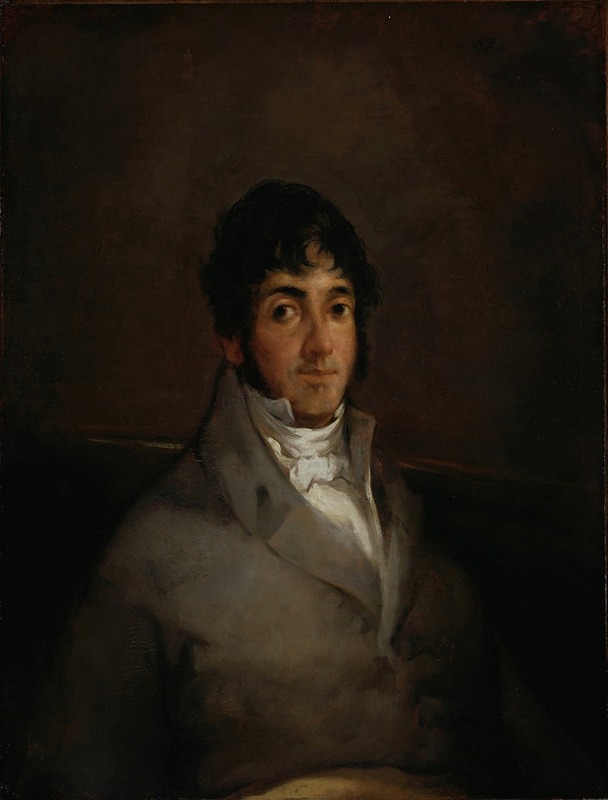
Portrait of Isidoro Maiquez
Francisco de Goya
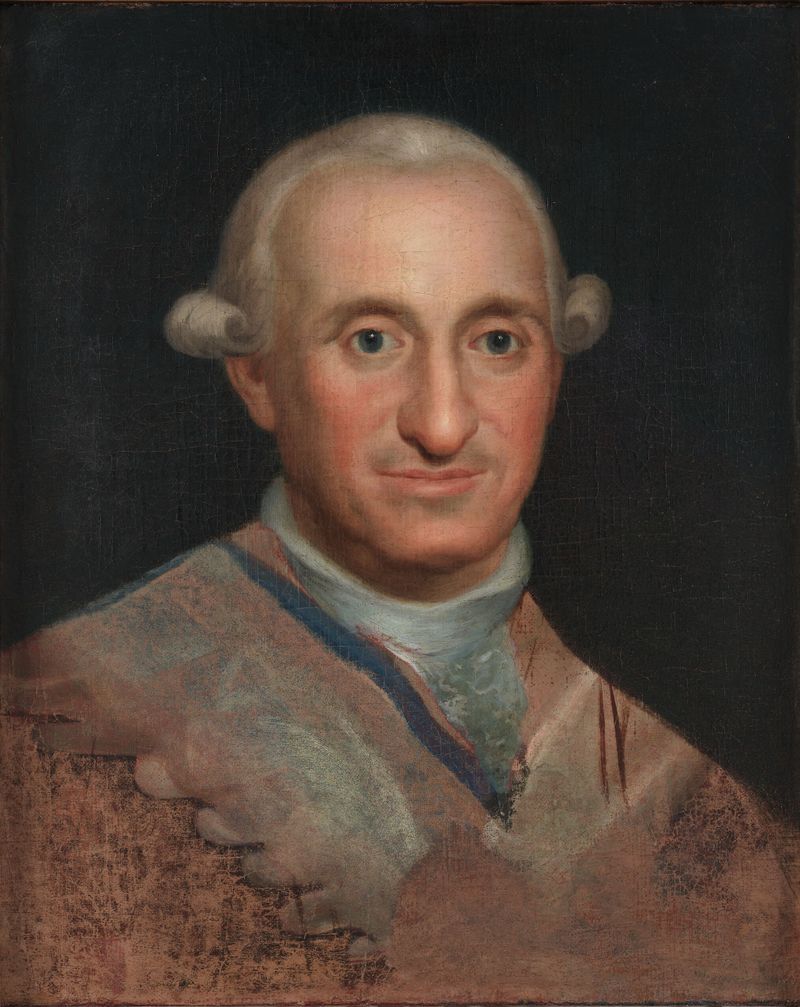
Charles IV, King of Spain
Francisco de Goya
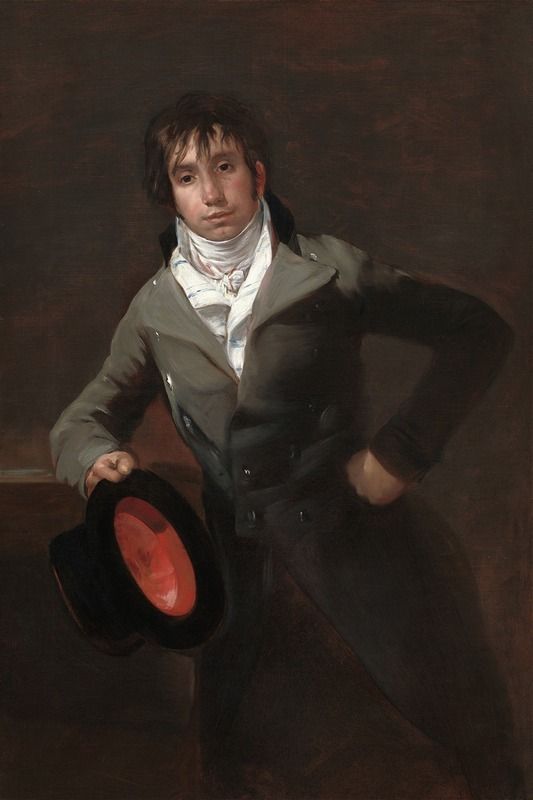
Bartolomé Sureda y Miserol
Francisco de Goya
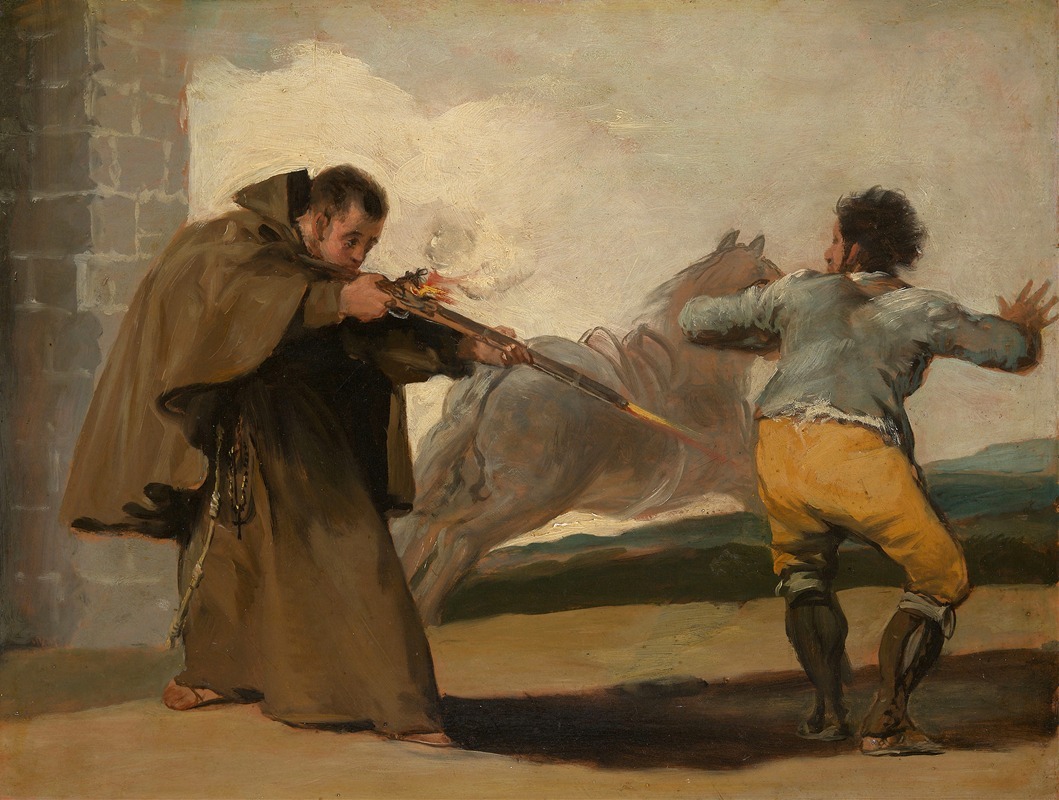
Friar Pedro Shoots El Maragato as His Horse Runs Off
Francisco de Goya
More Religious Art
Browse all →
The Return of the Prodigal Son
Rembrandt van Rijn

The Garden of Earthly Delights
El Bosco

Count Orgaz’ funeral
El Greco

The Hundred Guilder Print: the central piece with Christ preaching, the plate arched
Rembrandt van Rijn

The Descent from the Cross
Rogier van der Weyden

The return of the prodigal son
Rembrandt van Rijn