
Saint Dominic adoring the Crucifixion — History & Facts
In the mid-15th century, the quiet friar known to history as Fra Angelico was summoned to fresco the walls of the Dominican convent of San Marco in Florence, a commission that would become one of the defining projects of his life. Among the many images he created for the friars’ cells is Saint Dominic adoring the Crucifixion, a painting remarkable for its intimate scale and focus. Unlike grand altarpieces meant for public awe, this work was designed for private contemplation, intended to guide the meditations of the Dominican brothers who lived and prayed within those walls. At the heart of the scene, Saint Dominic kneels alone before the crucified Christ, his hands clasped in adoration and grief.
The moment is one of silent witness: Dominic, founder of the Dominican Order, is shown at the foot of the cross, embodying humility and devotion. The sparse background and muted palette draw the eye to the saint’s rapt gaze and the stark vertical of the cross. The absence of a crowd or dramatic gesture, so common in other depictions—compare, for example, the bustling drama of Fra Bartolomeo’s later Crucifixion—heightens the sense of solitary communion.
The gentle light that bathes Dominic’s face signals not only his spiritual illumination but also the inward, contemplative focus that Fra Angelico prized. Little is known about the specific journey of this painting after its creation, though it is widely accepted as one of the frescoes or panel works produced for San Marco around 1443, during Fra Angelico’s most prolific Florentine period. Its intended audience was the Dominican community itself, and for centuries it remained largely hidden from public view, cherished as a tool for private devotion. Today, works from this cycle are recognized as key achievements of the Early Renaissance, celebrated for their blend of simplicity and emotional depth.
Saint Dominic adoring the Crucifixion stands as a testament to Fra Angelico’s ability to translate the ideals of his order—humility, contemplation, and faith—into enduring visual form.
More Artworks by Fra Angelico

Condemnation of St Lawrence by the Emperor Valerian
Fra Angelico
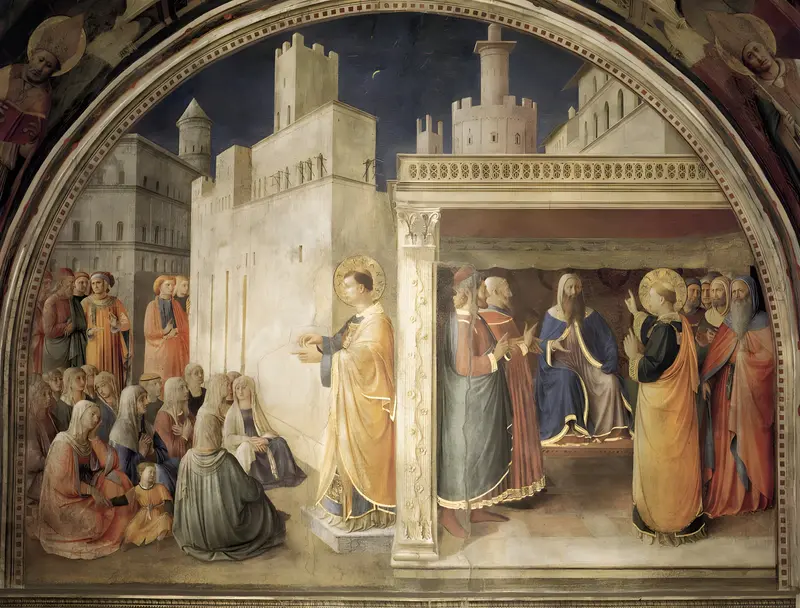
Lunette of the north wall
Fra Angelico
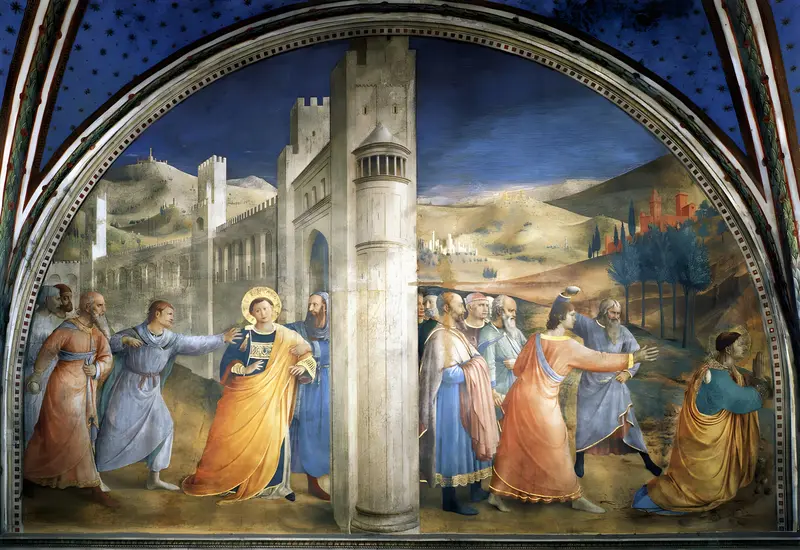
Lunette of the east wall in Niccoline Chapel
Fra Angelico
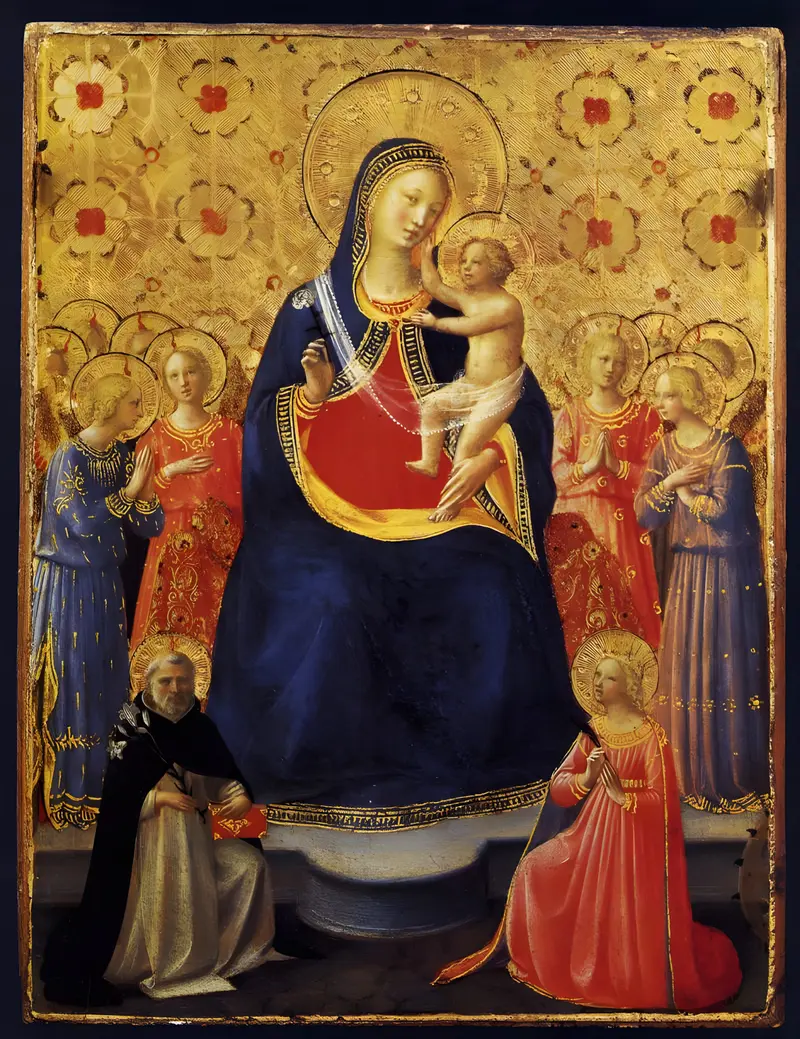
Madonna and Child Enthroned with Nine Angels and Saints Dominic and Catherine of Alexandria
Fra Angelico
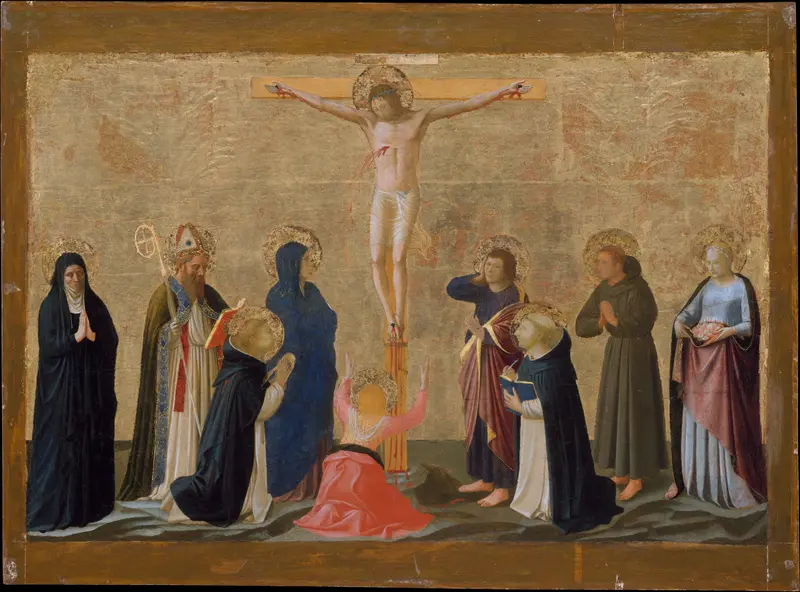
The Crucifixion
Fra Angelico
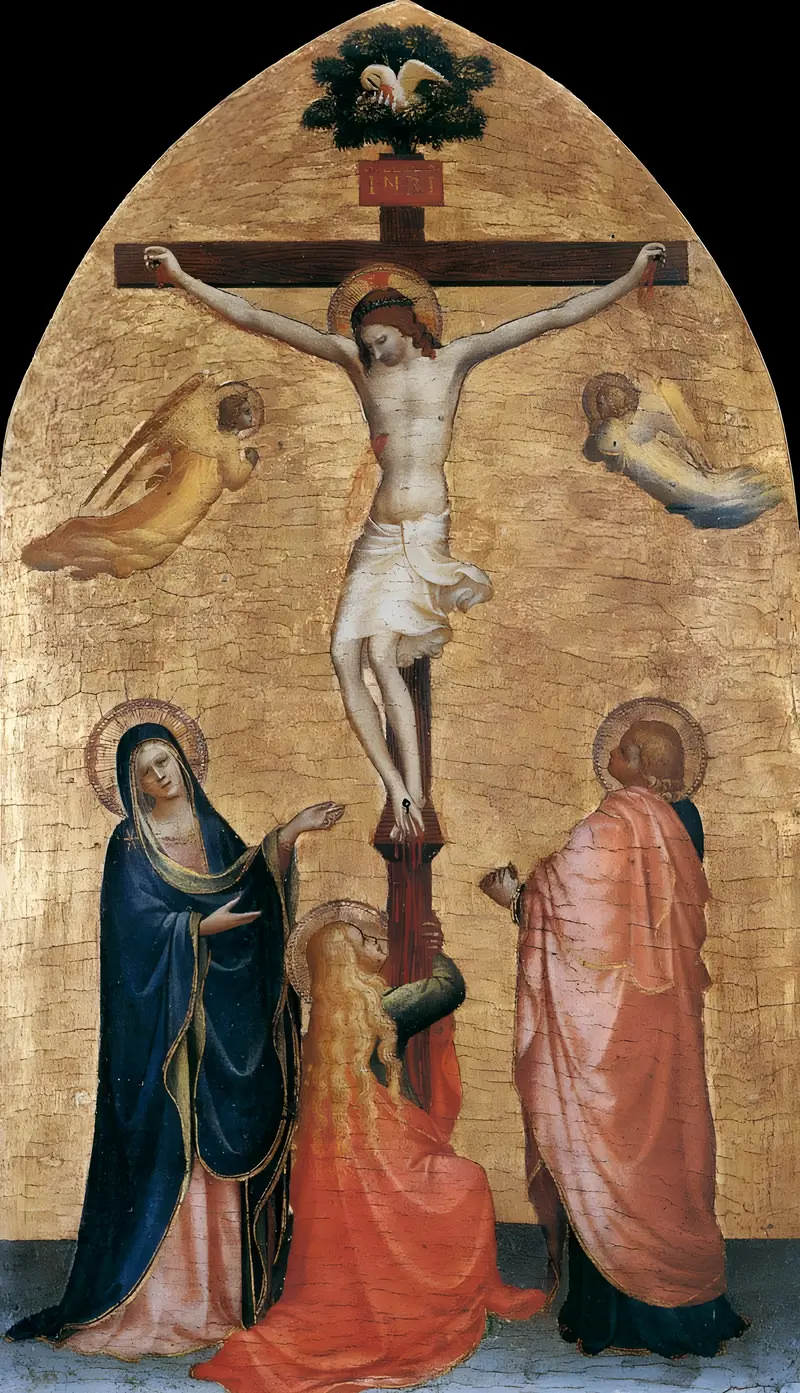
Crucifixion with the Virgin, John the Evangelist, and Mary Magdelene
Fra Angelico
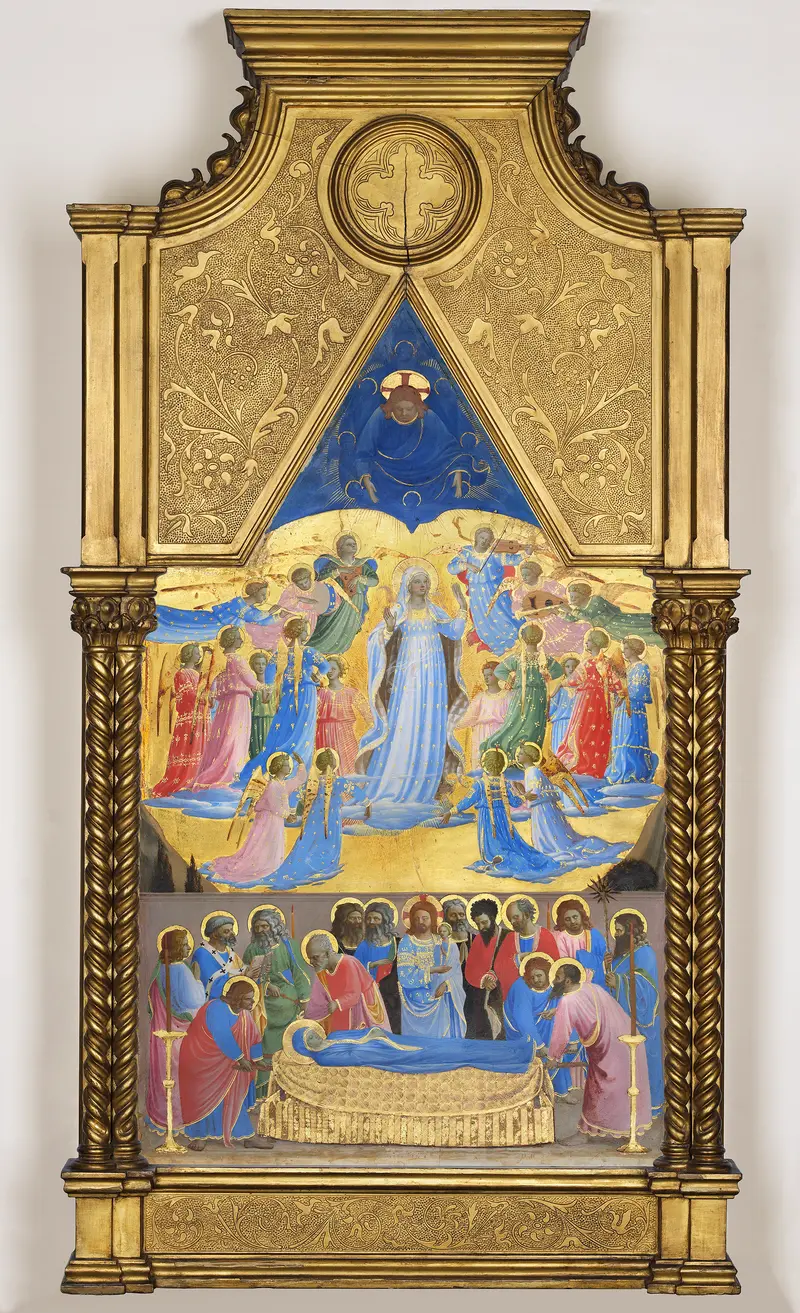
Dormition and Assumption of the Virgin
Fra Angelico
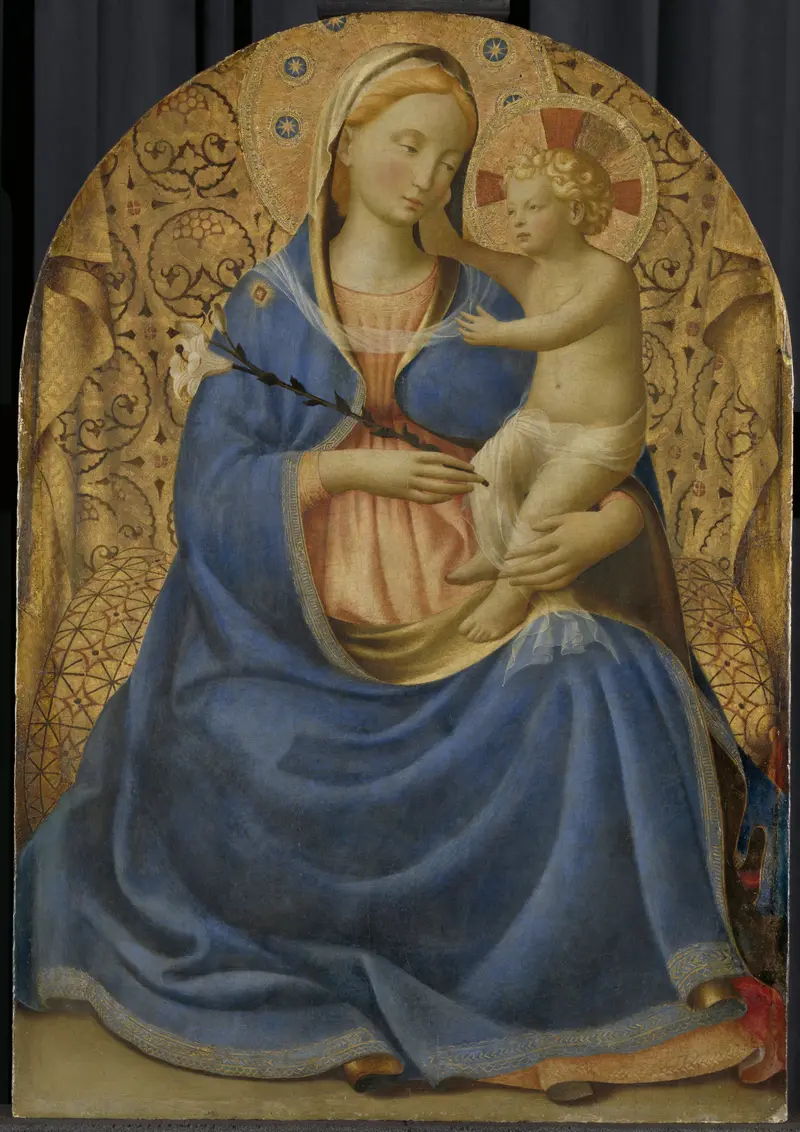
Madonna of Humility
Fra Angelico
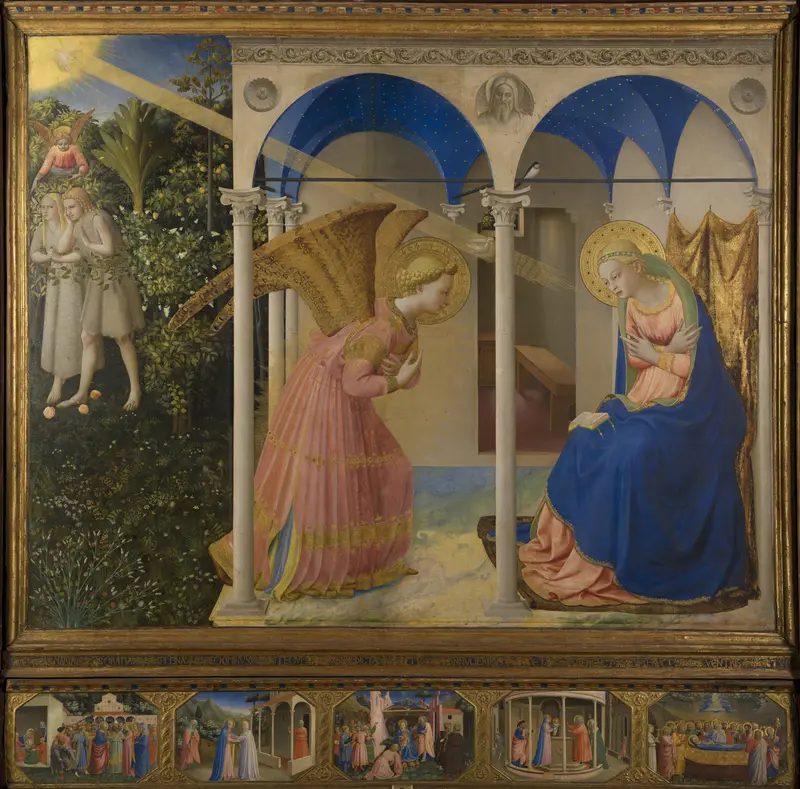
The Annunciation
Fra Angelico

Saint Anthony Abbot
Fra Angelico





