
Saint-Jean le Rond — History & Facts
Could a single brushstroke hold eternity? In Saint-Jean le Rond, the interplay of light and shadow invites the viewer to explore the delicate boundary between memory and presence, anchoring us in a moment both fleeting and eternal. Look to the lower left corner of the canvas, where the colors bleed into one another, evoking the soft hues of dawn. Notice the subtle gradation from deep blues to warm yellows, a testament to the artist's skillful manipulation of light. The gentle curves of the landscape draw the eye upwards, leading to a serene horizon, while the meticulously detailed trees frame the scene, offering a quiet whisper of life amid the tranquil expanse. In this work, the tension between the vividness of nature and the haziness of memory becomes apparent.
Each brushstroke is imbued with a sense of longing, as if the artist is capturing a moment just out of reach, forever transforming the transient into the eternal. The muted palette reflects an introspective mood, suggesting a deeper contemplation of time and identity, resonating with anyone who has sought to preserve a fleeting memory. During the time this piece was created, Auguste-Sébastien Bénard was likely influenced by the changing tides of the Impressionist movement, focusing on capturing emotions rather than mere representations. While the exact date of this work remains uncertain, the late 19th century was a period of artistic transition, with artists seeking new forms of expression that emphasized individual perception and personal experience in an ever-evolving world.
More Artworks by Auguste-Sébastien Bénard
Browse all →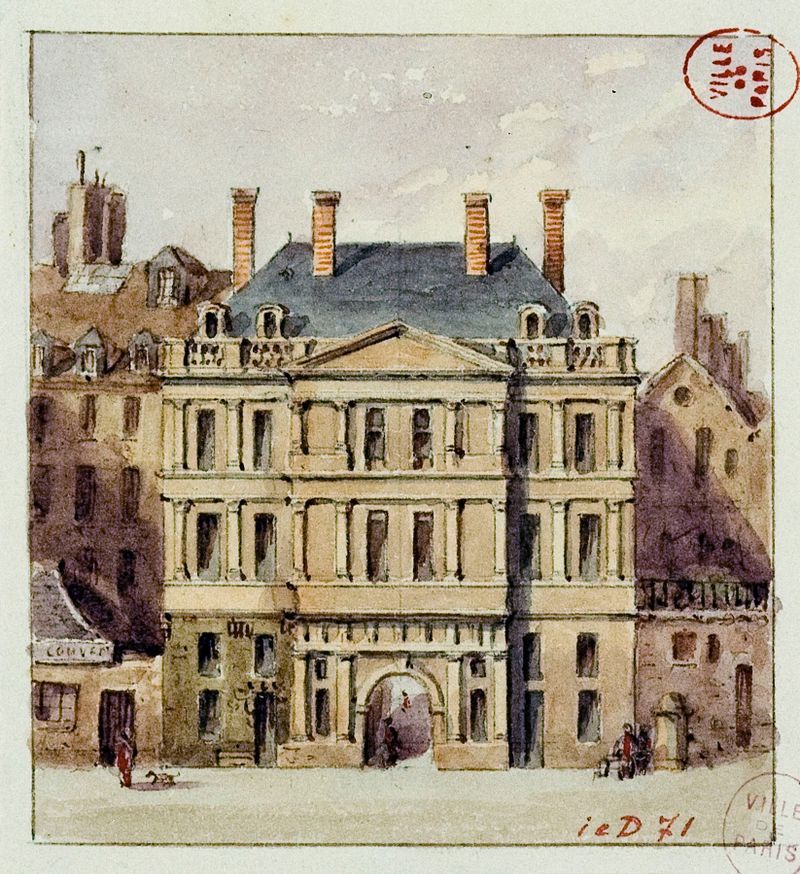
Cour de la Sainte Chapelle.
Auguste-Sébastien Bénard
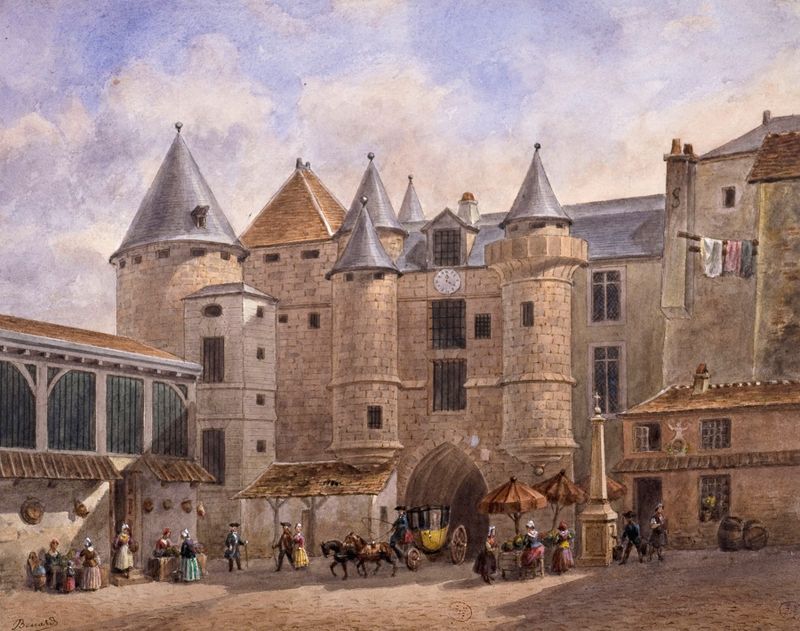
Le Grand Châtelet du XVIIIème siècle.
Auguste-Sébastien Bénard

Place de l’Hôtel de Ville.
Auguste-Sébastien Bénard

Salle souterraine du Palais de Justice.
Auguste-Sébastien Bénard

Voûtes du quai de Gesvres
Auguste-Sébastien Bénard

Monument expiatoire élevé à la mémoire du duc de Berry, à l’emplacement de l’ancien Opéra
Auguste-Sébastien Bénard
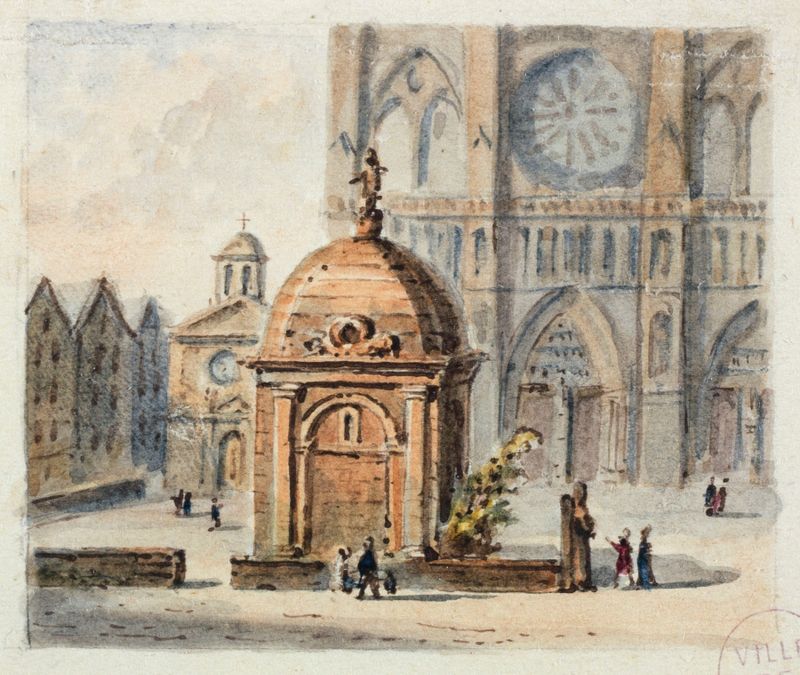
Le parvis de Notre-Dame de Paris
Auguste-Sébastien Bénard

Rue des chantres (entre le quai aux fleurs et la rue Chanoinesse).
Auguste-Sébastien Bénard

L’entrée de l’ancienne forteresse du Grand Châtelet, un jour de Carnaval
Auguste-Sébastien Bénard
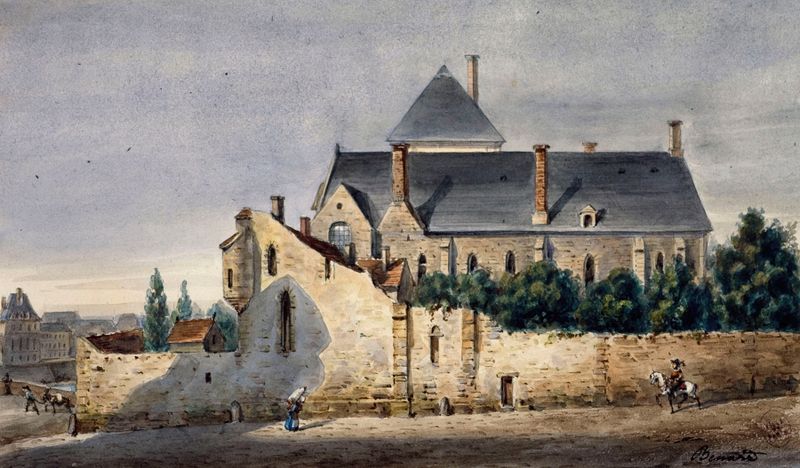
Les restes des bâtiments de l’hôtel du Petit Bourbon.
Auguste-Sébastien Bénard





