
Saint John the Baptist — History & Facts
No one knows for certain when Sandro Botticelli painted Saint John the Baptist, nor for whom, but its very existence is a rarity: Botticelli returned to this subject only a handful of times, and each version differs subtly in mood and detail. Unlike his more famous mythological scenes, this depiction of the Baptist stands at the crossroads of Botticelli’s late religious works, a period marked by the spiritual turbulence of Florence under Savonarola. The painting’s uncertain date has fueled debate among scholars, some placing it in the 1490s, when Botticelli’s art took on a more introspective tone. Here, the young John stands alone, draped in his customary camel-hair garment, a reed cross in hand—a symbol of his future martyrdom.
Botticelli captures the Baptist in a moment of quiet prophecy, his gaze lifted as if hearing the voice in the wilderness. The delicate rendering of his features, framed by the wild landscape, contrasts with the more muscular, dramatic Johns painted by Leonardo da Vinci. The soft, almost melancholy light that bathes the figure hints at both innocence and foreboding, while the scroll inscribed “Ecce Agnus Dei” (“Behold the Lamb of God”) points to his destiny as Christ’s herald. The journey of this painting through history is as enigmatic as its origin.
Without clear records of its commission or early ownership, it is often grouped with other devotional works Botticelli produced in the last decades of the fifteenth century. Over the centuries, Saint John the Baptist has been attributed, reattributed, and sometimes overshadowed by more famous Botticelli canvases. Today, it stands as a testament to the artist’s shifting priorities in his later years, when religious intensity replaced the courtly elegance of his earlier mythologies.
Its survival and continued study offer a window into the spiritual anxieties and artistic innovations of Renaissance Florence.
More Artworks by Sandro Botticelli
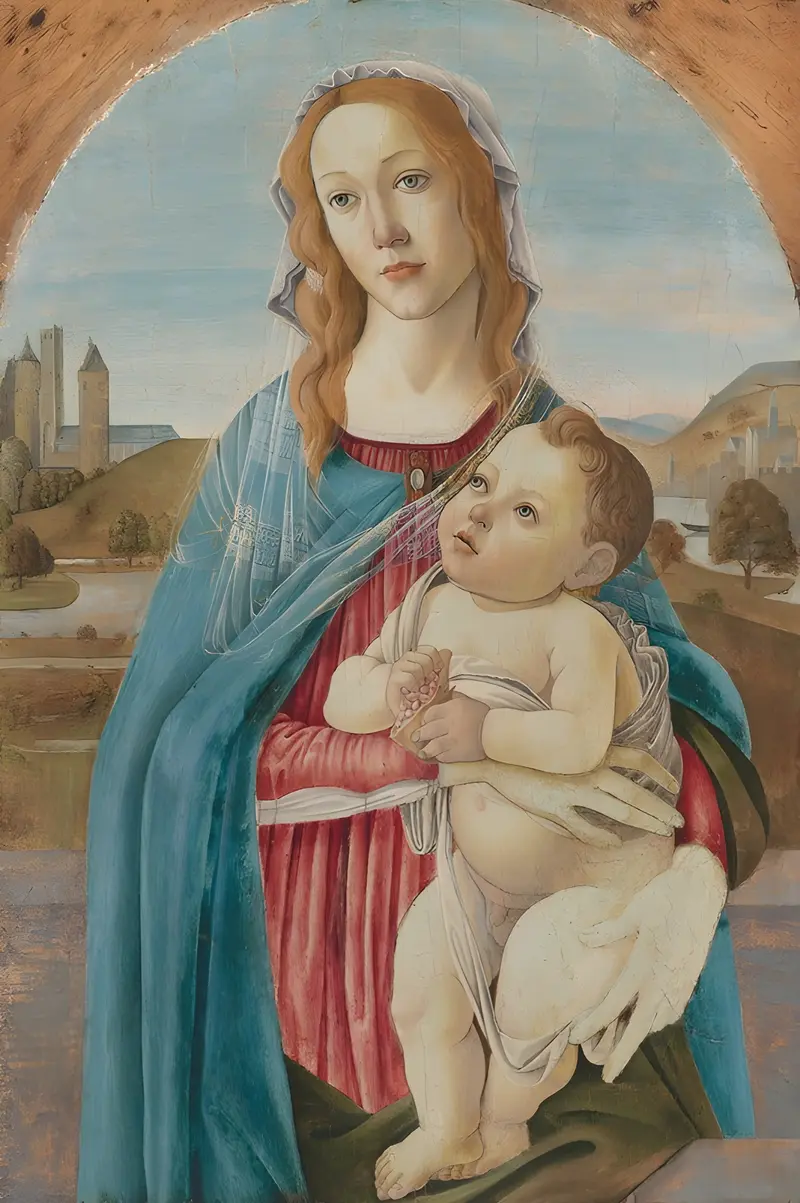
Virgin and Child
Sandro Botticelli
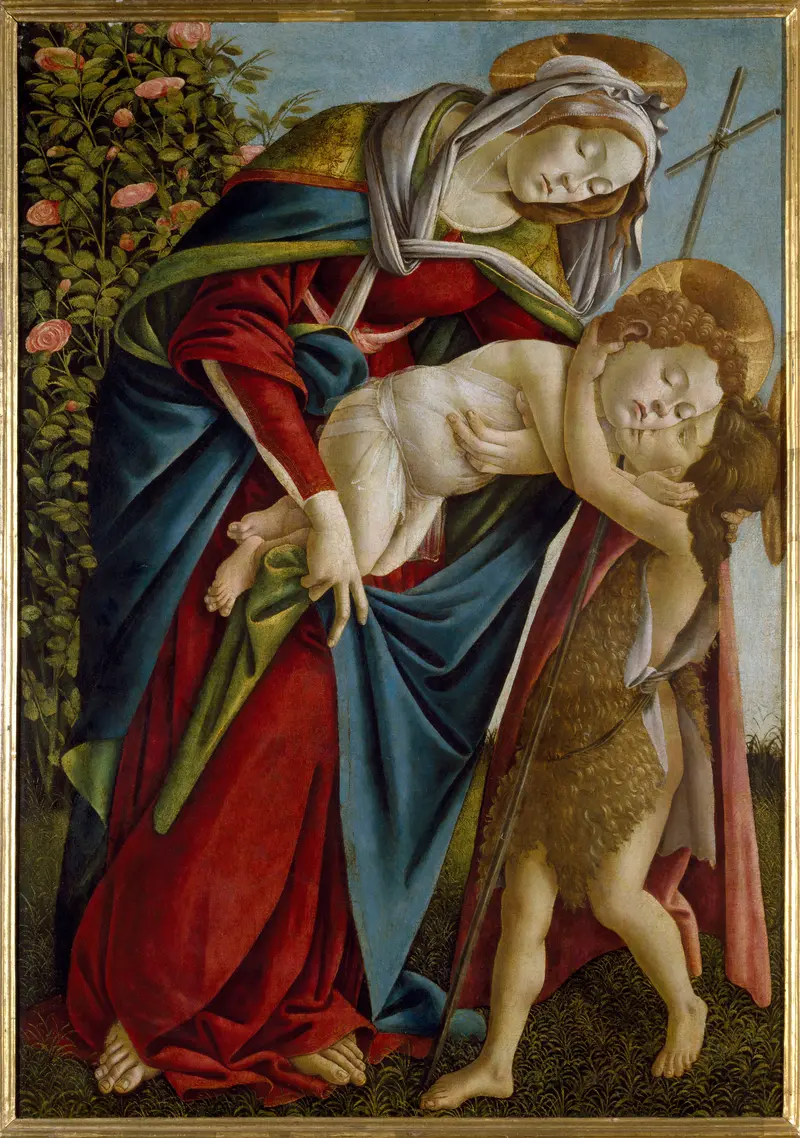
Madonna and Child and the Young St John the Baptist
Sandro Botticelli
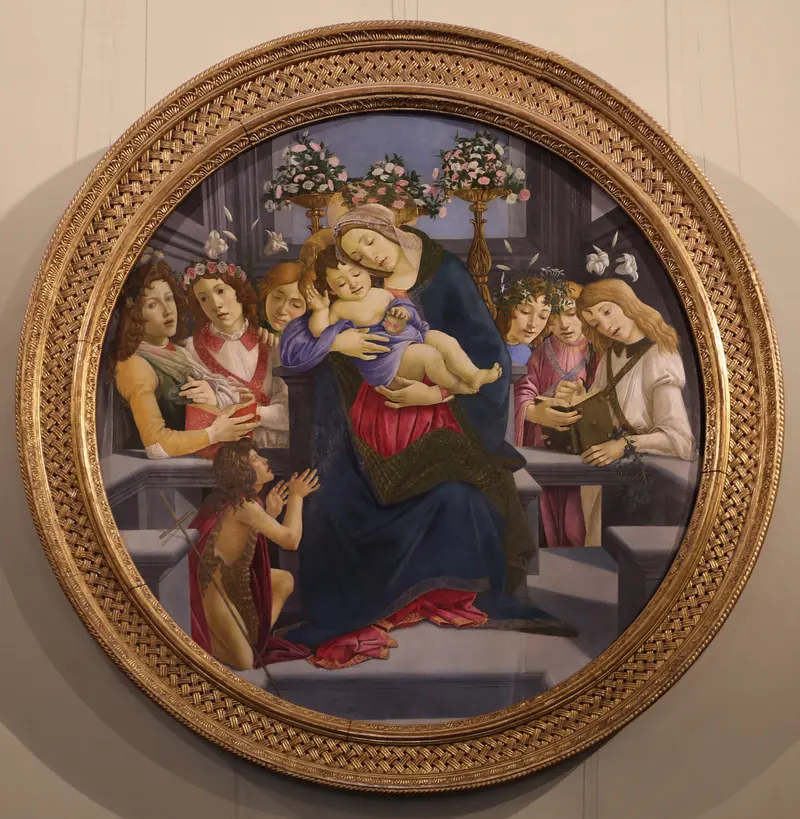
Madonna and Child with six angels and Saint John the Baptist as Child
Sandro Botticelli
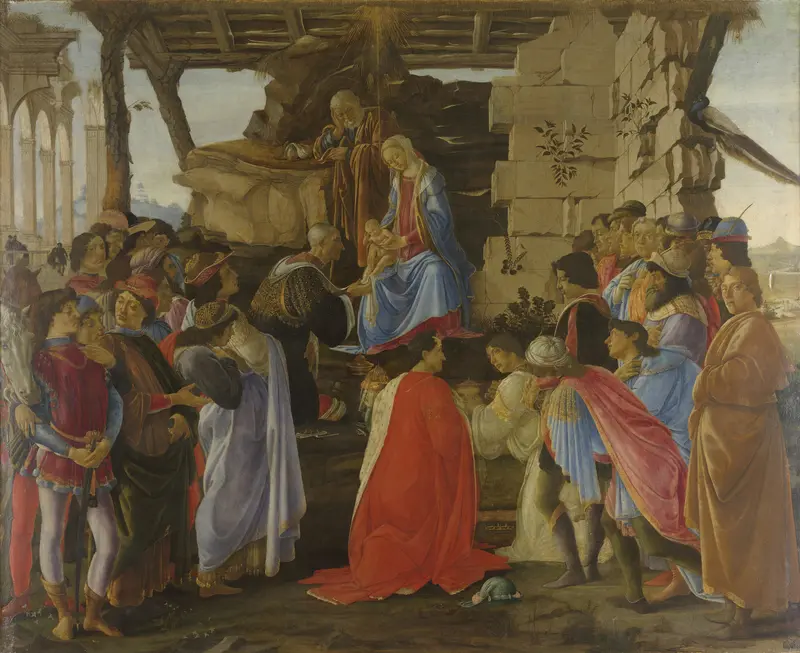
Adoration of the Magi
Sandro Botticelli

Virgin and Child with the Young Saint John the Baptist
Sandro Botticelli
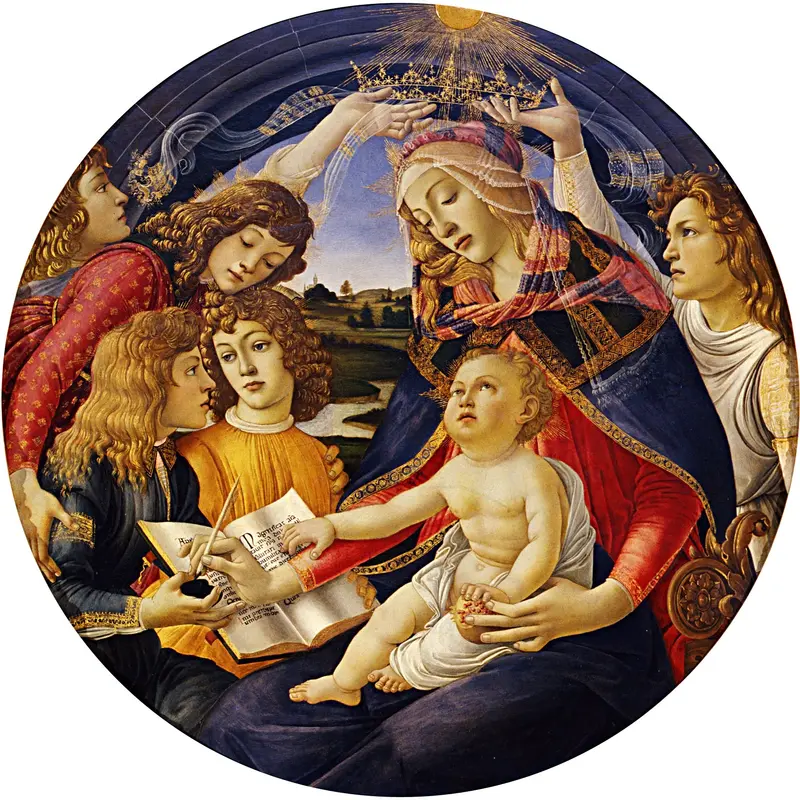
Madonna of the Magnificat
Sandro Botticelli
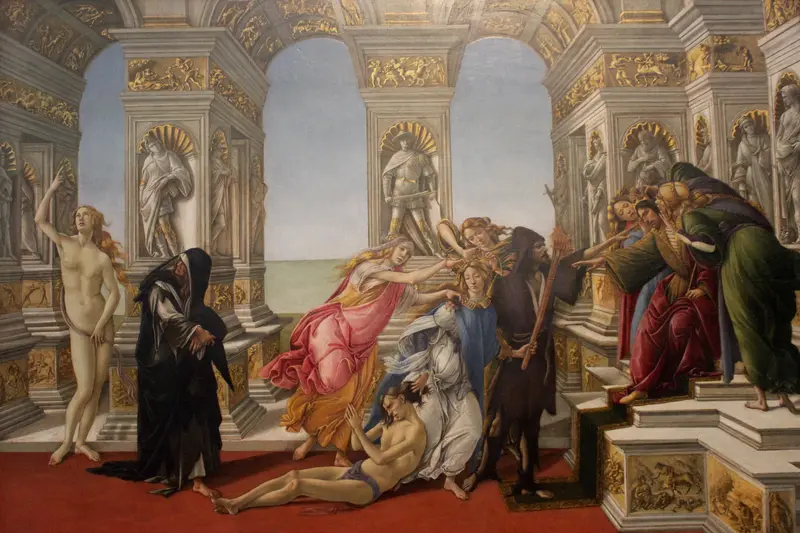
Calumny of Apelles
Sandro Botticelli
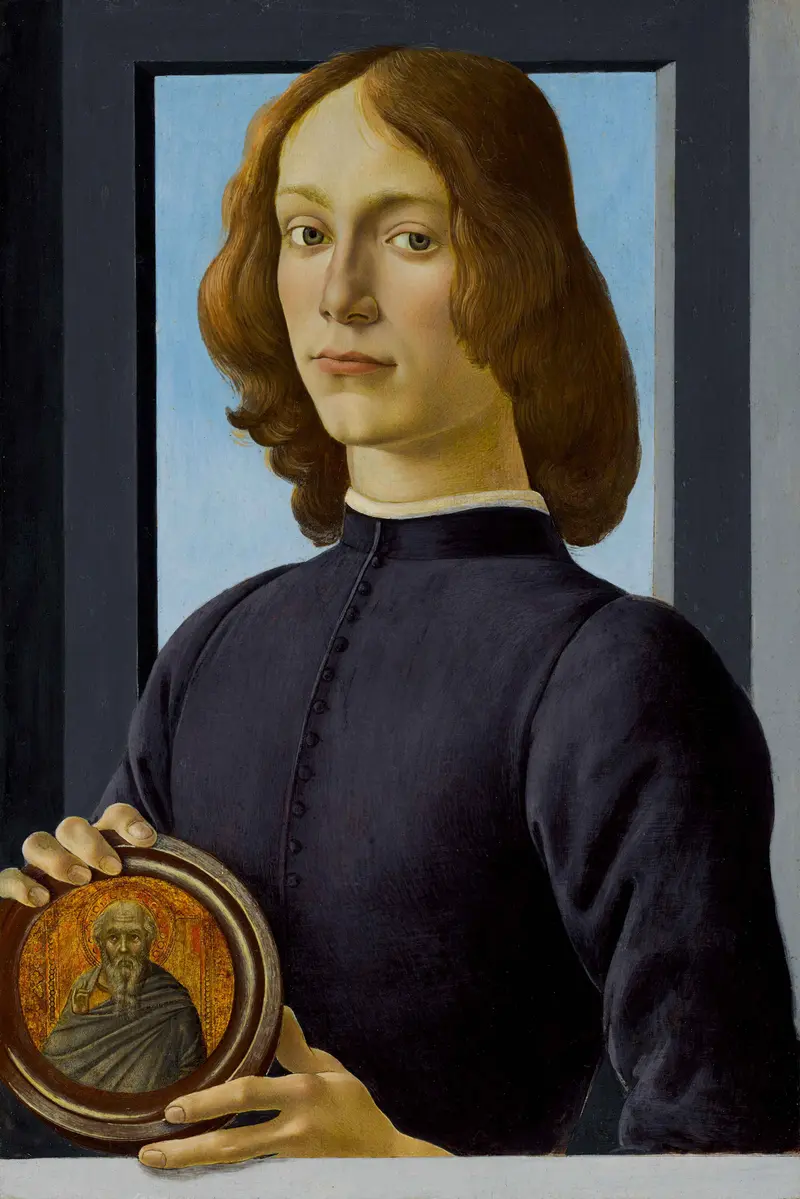
Portrait of a young man holding a roundel
Sandro Botticelli

The Trinity with Saint Mary Magdalene and Saint John the Baptist, the Archangel Raphael and Tobias
Sandro Botticelli
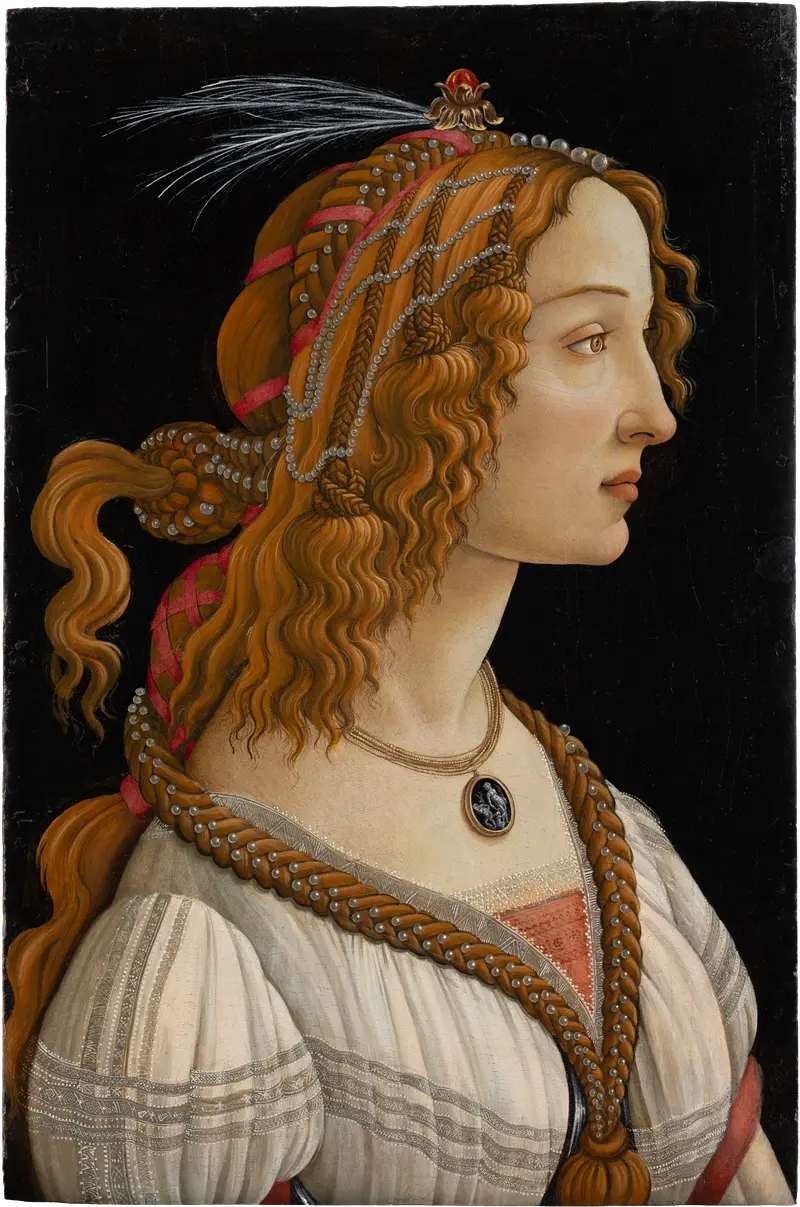
Idealized Portrait of a Lady (Portrait of Simonetta Vespucci as Nymph)
Sandro Botticelli





