
Saint Mammès-Morning — History & Facts
When did color learn to lie? In Saint Mammès-Morning, vivid hues weave a tapestry of truth and illusion, inviting us to contemplate the nature of reality itself. The scene captured here is not merely a moment; it is an orchestration of emotion, light, and atmosphere, beckoning the viewer to step into its embrace. Look to the left at the shimmering waters, where reflections dance playfully with the glimmer of dawn. Soft streaks of gold and orange bleed into the canvas, suggesting the gentle caress of morning light.
Notice how the pastel blues of the sky harmonize with the earthy tones of the landscape, creating a delightful balance that draws your gaze through the composition. The meticulous brushwork evokes a sense of fluidity, merging the natural elements in a breathtaking symphony of color. Within this tranquil scene lies an emotional tension between serenity and longing. The juxtaposition of vibrant life against the stillness of the water hints at the transient nature of existence.
The boats, seemingly at rest, whisper tales of journeys taken and those yet to unfold. Sisley captures not just a landscape but a vivid metaphor for creation itself—each stroke a testament to the allure of beginnings and the paradox of time. In 1884, Sisley painted Saint Mammès-Morning in the idyllic surroundings of the Seine, after years of grappling with the changing tides of Impressionism. At this time, he found himself seeking both artistic recognition and personal stability, as the movement he championed began to gain traction.
His dedication to capturing the nuances of light and atmosphere reflects a broader dialogue within the art world—a quest for authenticity amidst an ever-evolving landscape of styles and ideas.
More Artworks by Alfred Sisley
Browse all →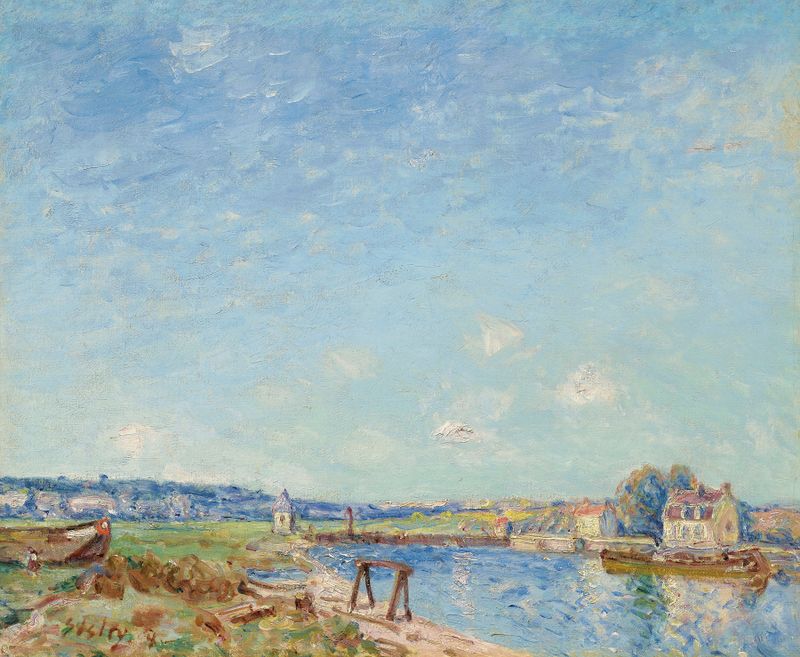
Le Loing à Saint-Mammès
Alfred Sisley
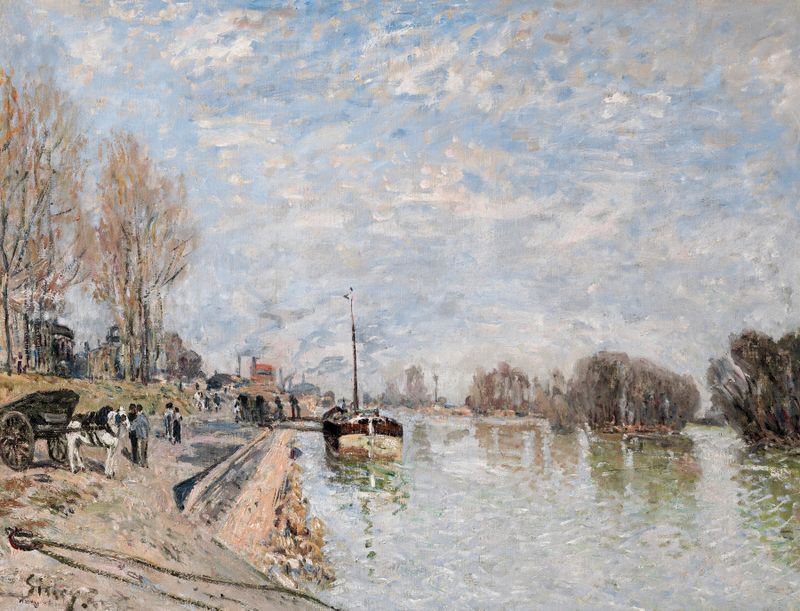
La Seine à Suresnes
Alfred Sisley
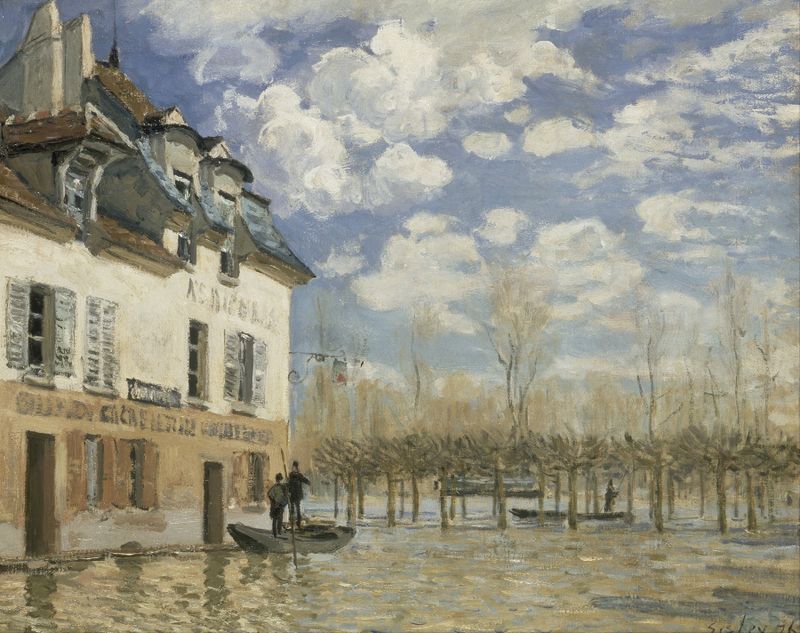
Boat in the Flood at Port Marly
Alfred Sisley
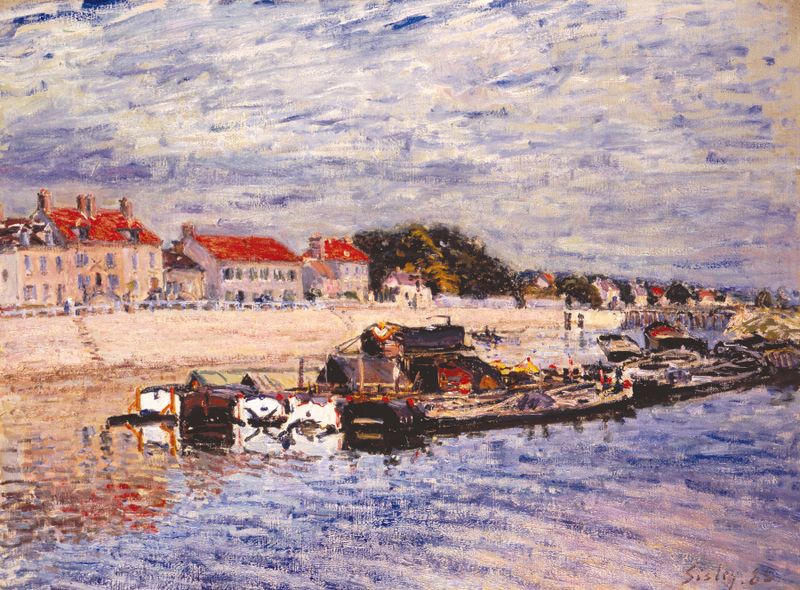
Barges on the Loing at Saint-Mammès
Alfred Sisley

L’allée des peupliers au bord du Loing
Alfred Sisley

Molesey Weir, Hampton Court
Alfred Sisley
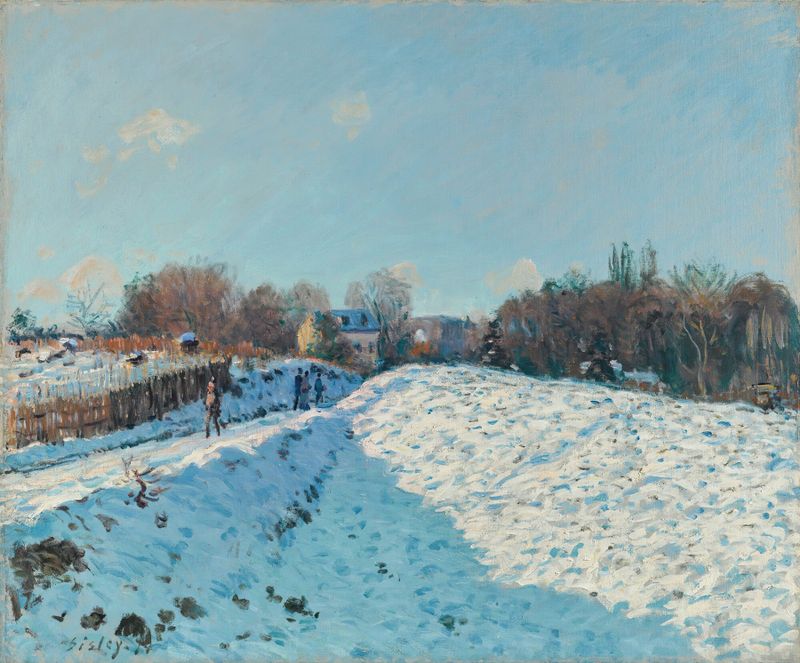
Effet De Neige À Louveciennes
Alfred Sisley
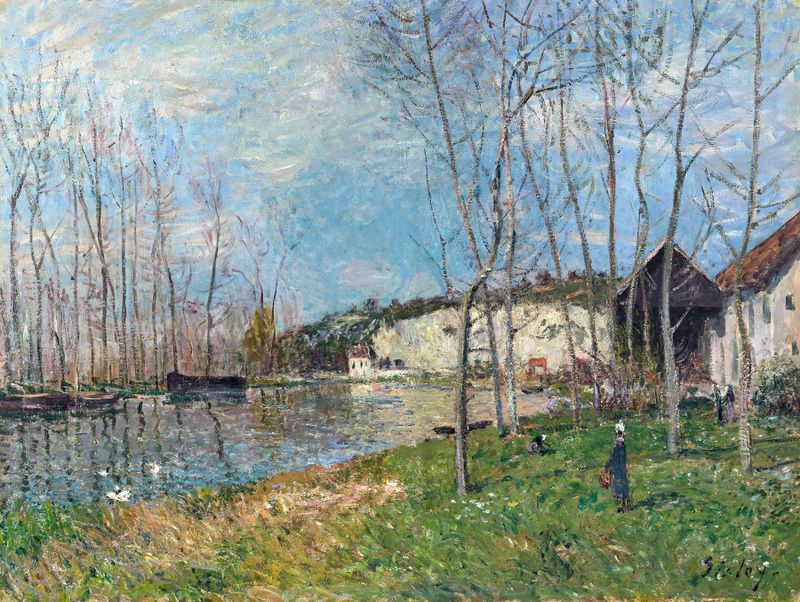
Printemps au bord du Loing
Alfred Sisley
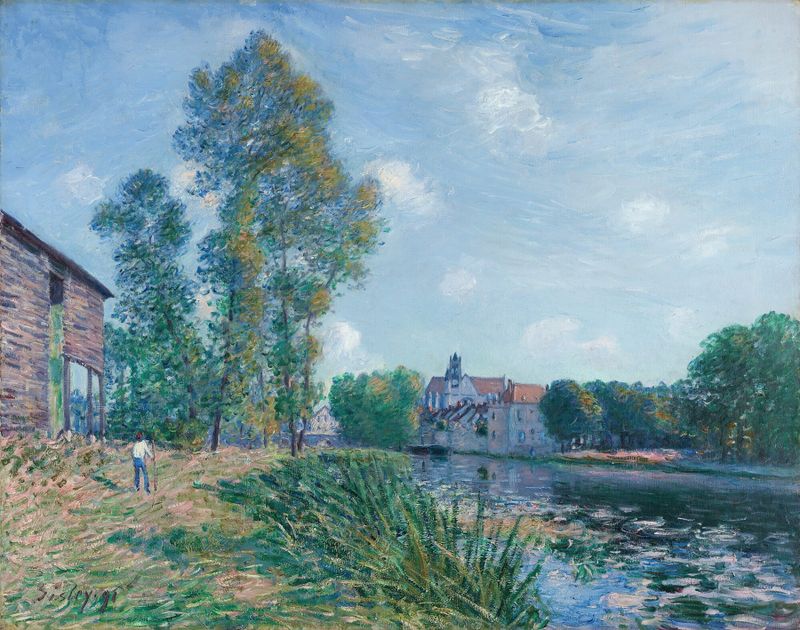
Le Loing À Moret, En Été
Alfred Sisley
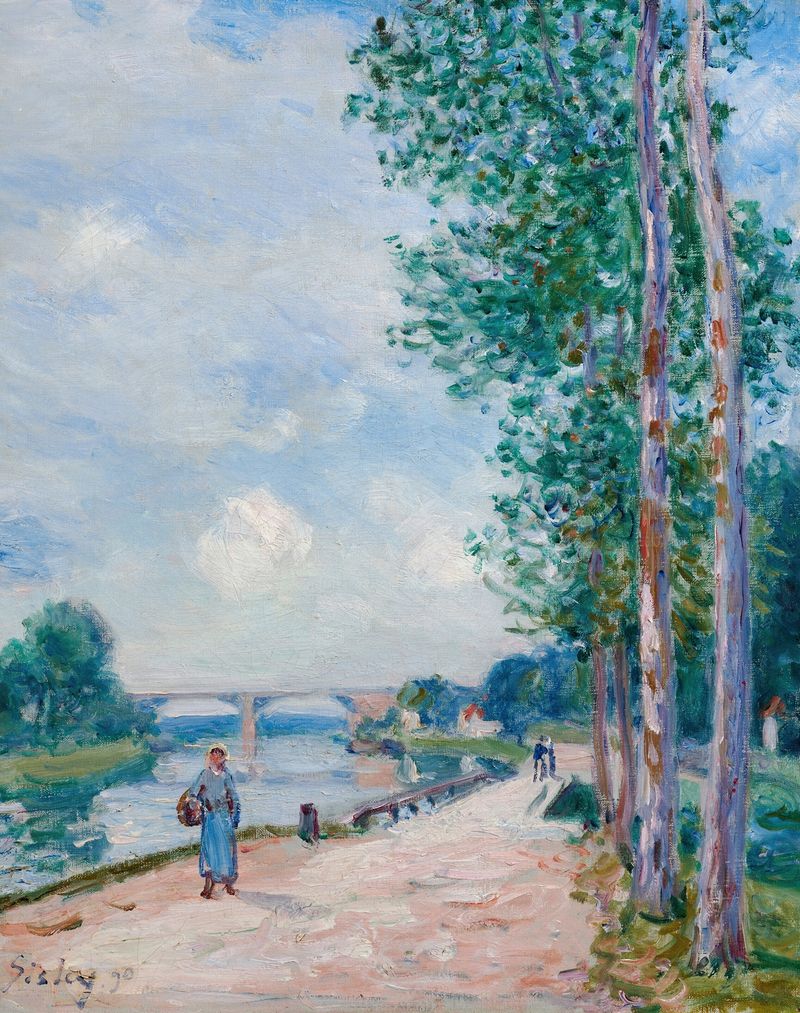
Les bords du Loing près de Moret
Alfred Sisley





