
Saint Mark’s Church — History & Facts
In the stillness of the empty space, the weight of absence reverberates, beckoning the gaze inward as much as outward. It is a testament to the profound emptiness that can fill a place meant for communion and worship. Look to the center, where the church’s majestic architecture rises against a backdrop of muted colors, inviting both admiration and introspection. Notice how the light filters through the stained-glass windows, casting fragmented patterns on the cold stone floors.
The delicate brushstrokes convey both the grandeur of the building and the solitude it encompasses, creating a sense of serenity intertwined with melancholy. Within this minimalist composition, the contrast between the vibrant hues of the glass and the subdued tones of the walls speaks volumes. Each element, from the simple pews to the intricate arches, suggests a narrative of longing—an echo of the many voices once raised in prayer now silenced. This emptiness amplifies the essence of the sacred, inviting viewers to confront their own solitude and the elusive nature of faith. Created between 1899 and 1900, the artist captured Saint Mark’s Church during a significant transition in the art world, moving towards modernism.
Stanisławski, emerging from the tradition of realism, sought to explore the emotional weight of architectural spaces. As Europe grappled with social change and spiritual uncertainty, his work reflects both the beauty and the desolation inherent in sacred places, offering a poignant commentary on the human experience.
More Artworks by Jan Stanisławski
Browse all →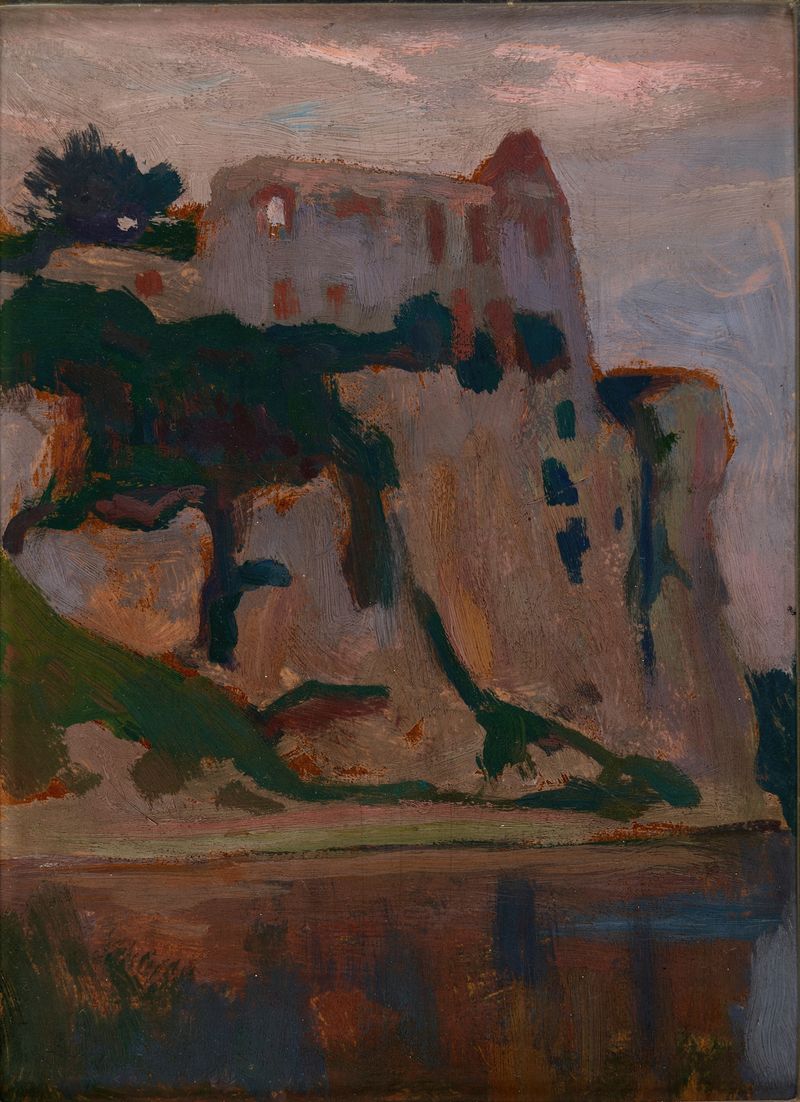
Tyniec at Dawn
Jan Stanisławski
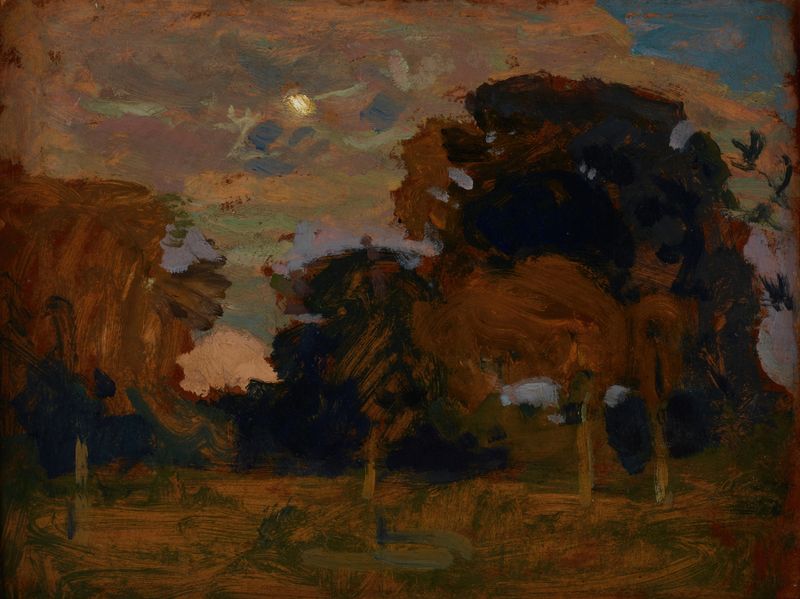
Moon in the Clouds
Jan Stanisławski
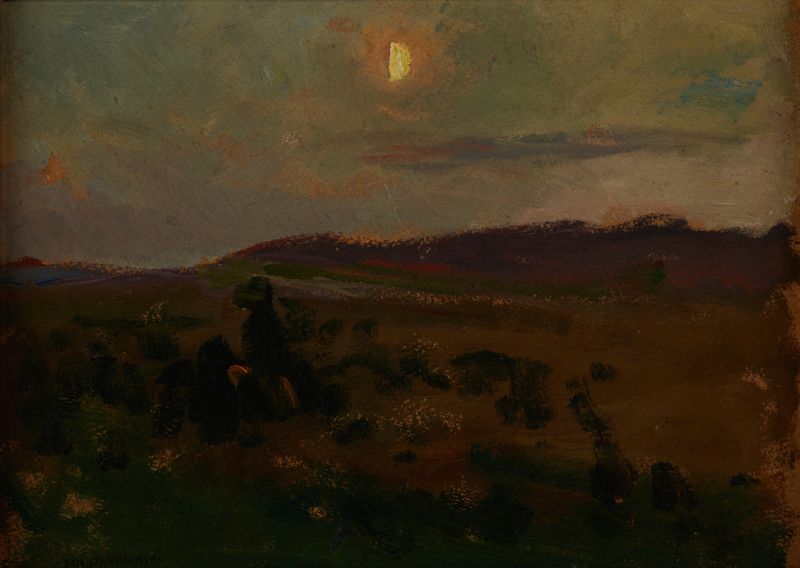
Moonrise
Jan Stanisławski
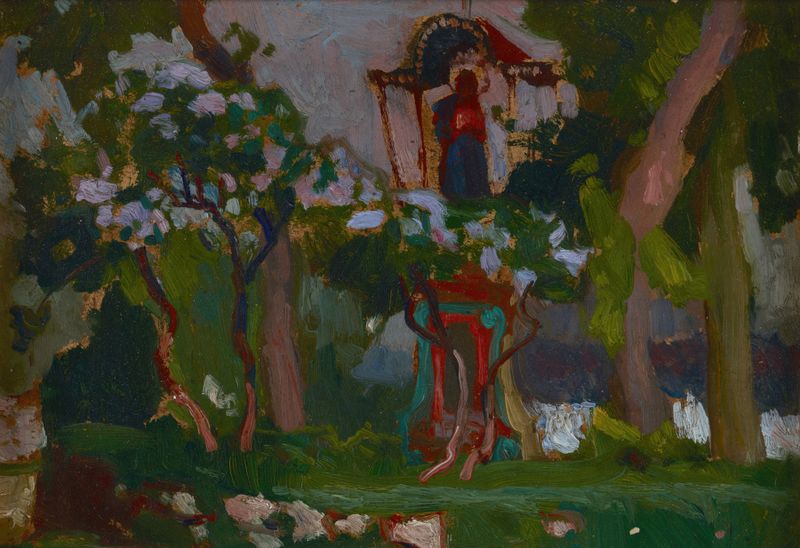
May
Jan Stanisławski
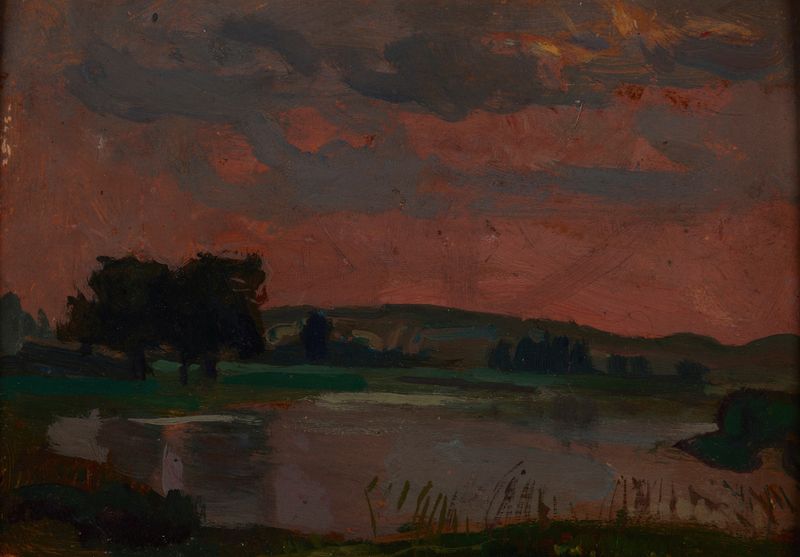
The Vistula in the Twilight
Jan Stanisławski
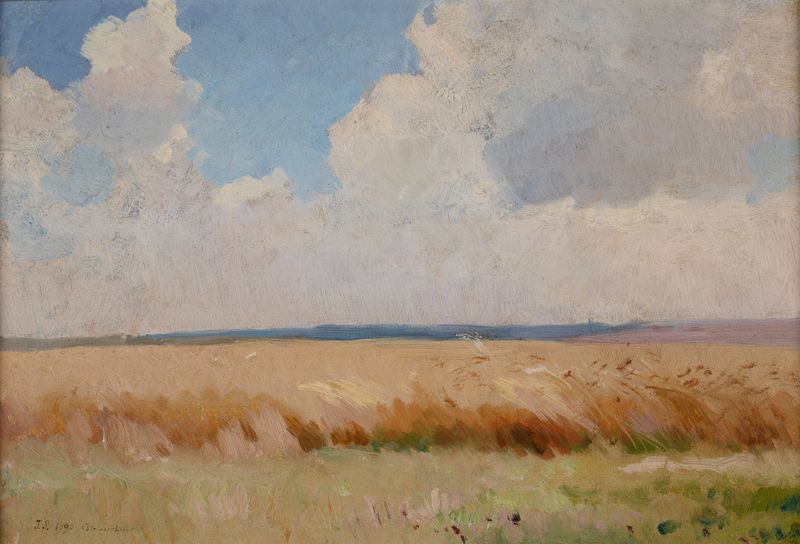
Field at Białocerkiew (Bila Tserkva)
Jan Stanisławski
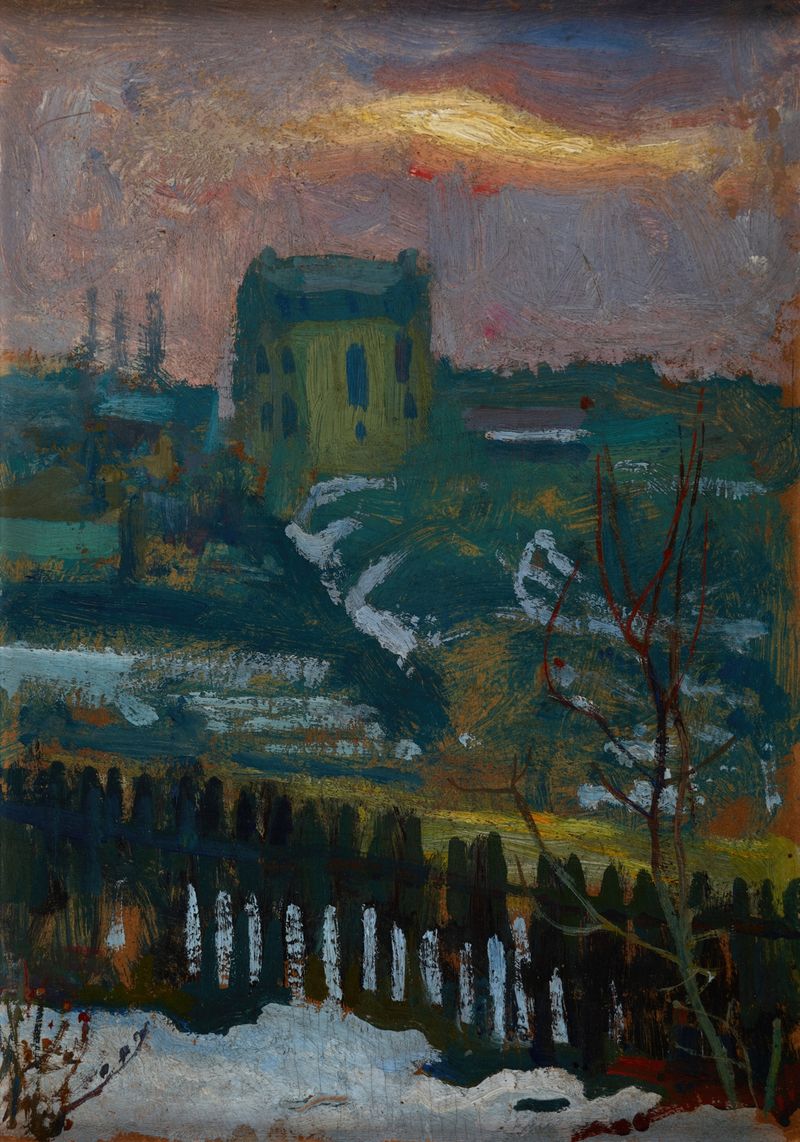
House in Winter
Jan Stanisławski
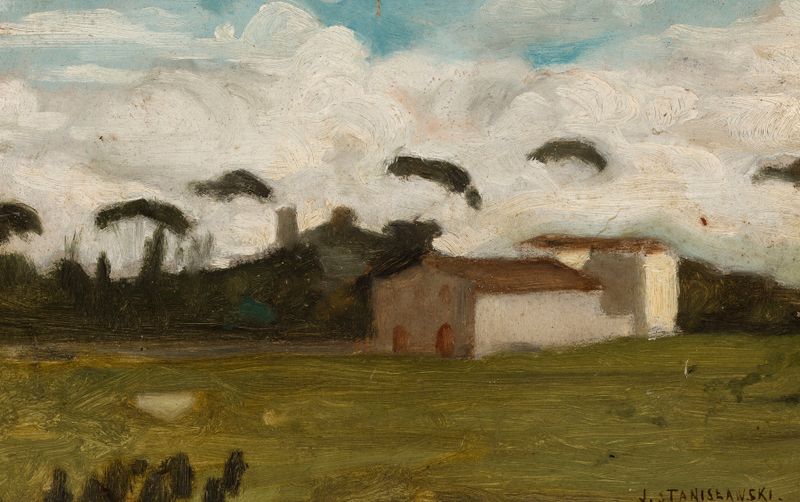
Landscape
Jan Stanisławski
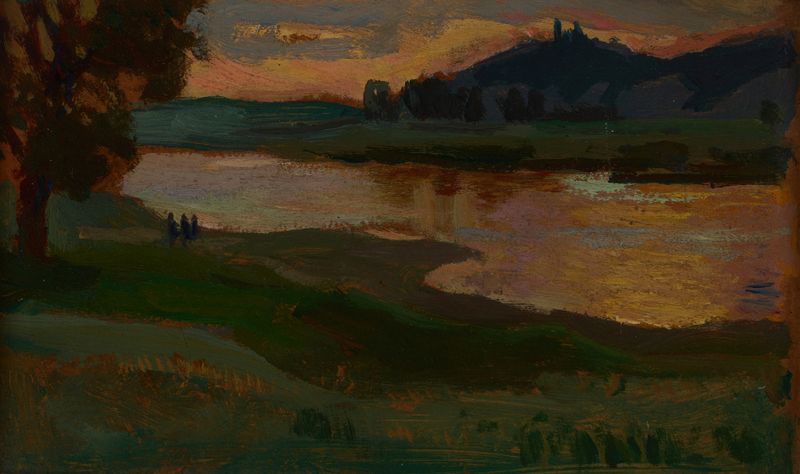
Bielany at Dusk
Jan Stanisławski
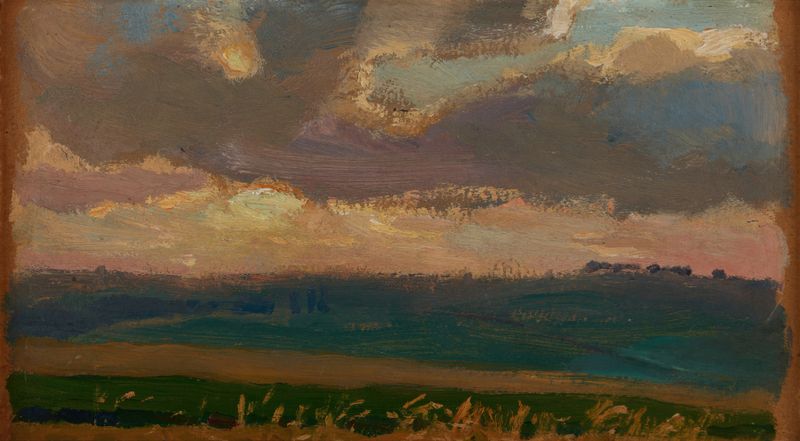
Fields at Proszowice
Jan Stanisławski
More Architecture Art
Browse all →
The statue of Liberty
Frédéric Auguste Bartholdi

View of Houses in Delft, Known as ‘The Little Street’
Johannes Vermeer

View of Houses in Delft, Known as ‘The Little Street’
Johannes Vermeer

The Cathedral in Rouen. The portal, Grey Weather
Claude Monet

The yellow house
Vincent van Gogh

The Church in Auvers-sur-Oise, View from the Chevet
Vincent van Gogh