
Saint Mark’s Church — History & Facts
In the quiet corridors of memory, we find an obsession not only with form but with the essence of being. How does one capture the fleeting moments that slip through our fingers like sand, and preserve them eternally in color and light? Look to the forefront of the canvas, where the warm ochres and deep blues intertwine to form the majestic silhouette of the church, standing steadfast against the backdrop of an evening sky. Notice how the light caresses the stone, illuminating the intricate details that make the structure breathe; every window and arch seems to whisper stories of worship and devotion.
The play of light and shadow leads your gaze upward, as the delicate brushstrokes capture the ethereal atmosphere, evoking a profound sense of peace and contemplation. Yet, beneath this serene surface lies a tension between permanence and ephemerality. The trees, rendered with a soft touch, surround the church like guardians of memory, their leaves dancing in an unseen wind, embodying change and transience. It evokes a longing, as if the viewer is compelled to acknowledge that such beauty is ultimately ephemeral, destined to fade.
The juxtaposition of the solid, unyielding structure against the fluidity of nature highlights an obsession with capturing the essence of life, while reminding us of its inevitable passage. In the late 19th century, as art movements began to shift dramatically, the artist found inspiration in the interplay of light and landscape during his time in Poland. Creating Saint Mark’s Church between 1899 and 1900, Stanisławski was influenced by the Impressionist movement, focusing on capturing the fleeting effects of light in a manner that spoke to both beauty and nostalgia, reflecting the changing social and artistic landscape around him.
More Artworks by Jan Stanisławski
Browse all →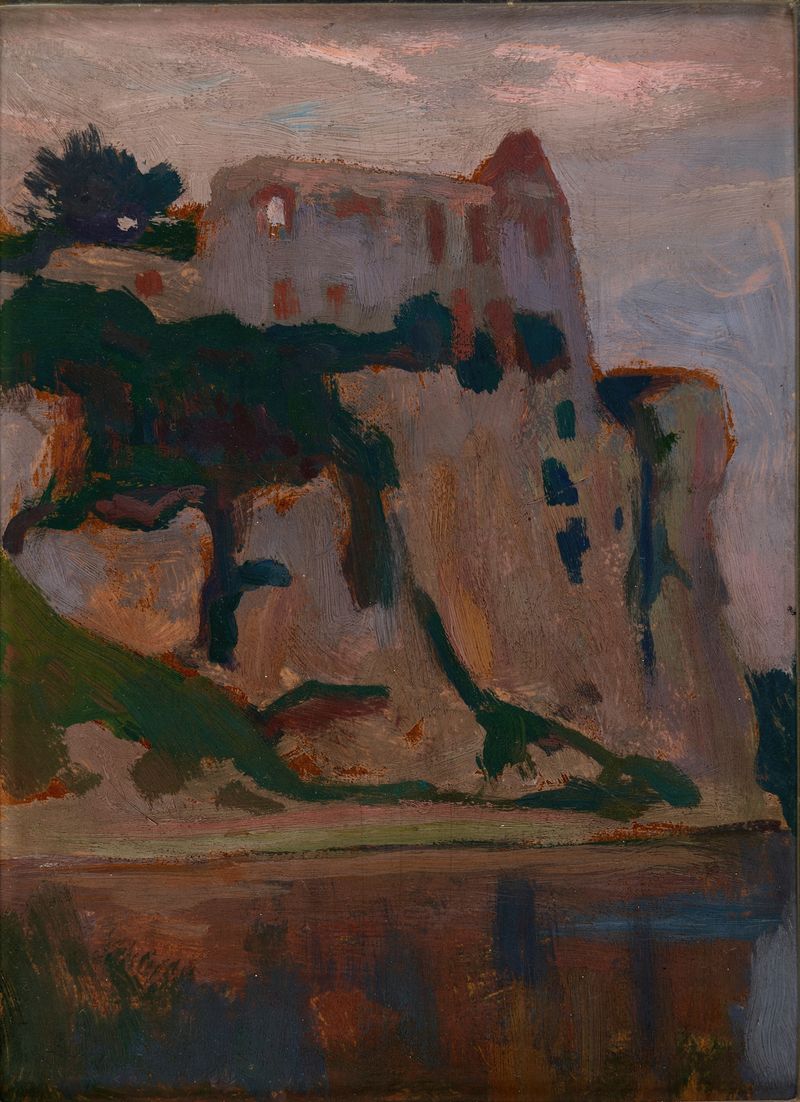
Tyniec at Dawn
Jan Stanisławski
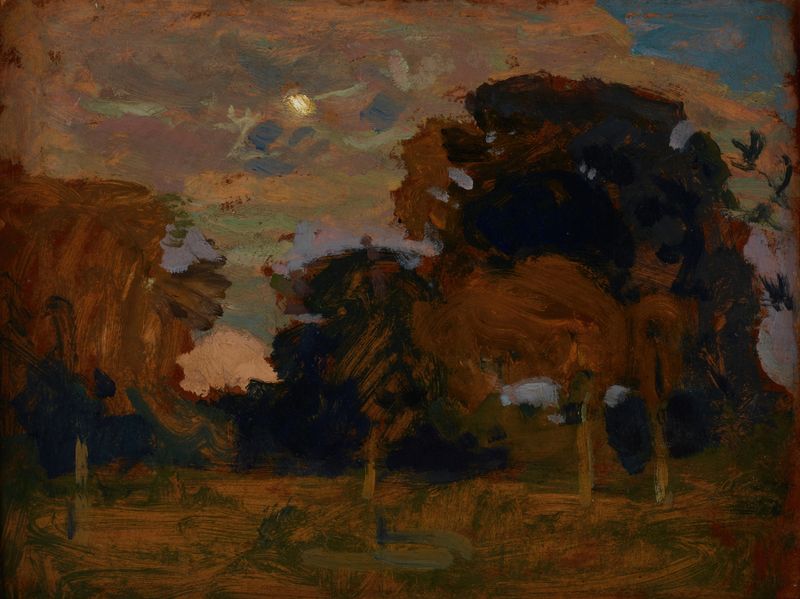
Moon in the Clouds
Jan Stanisławski
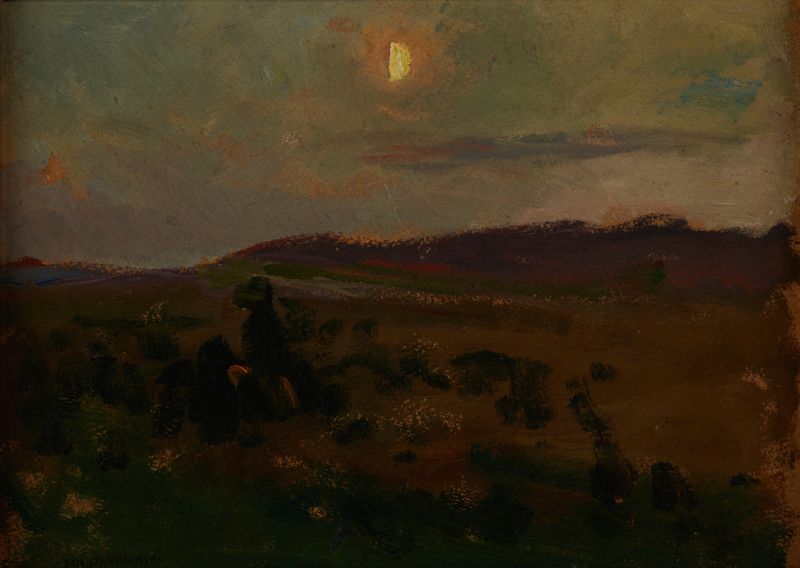
Moonrise
Jan Stanisławski
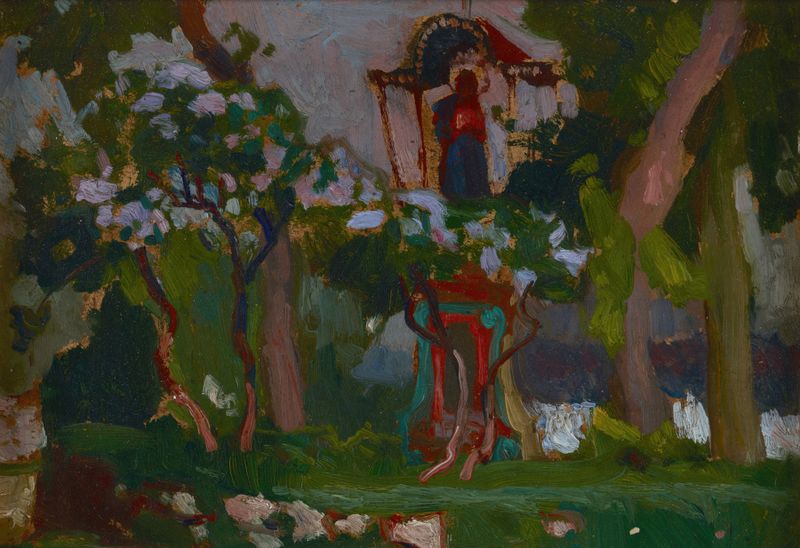
May
Jan Stanisławski
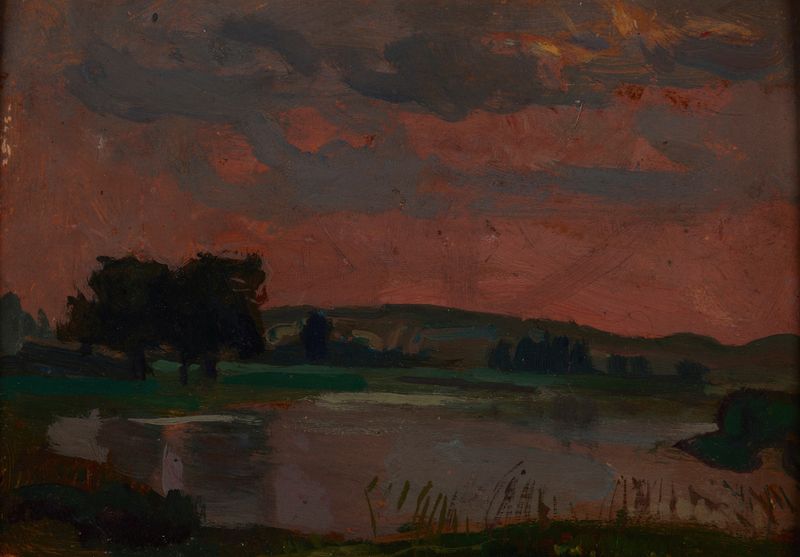
The Vistula in the Twilight
Jan Stanisławski
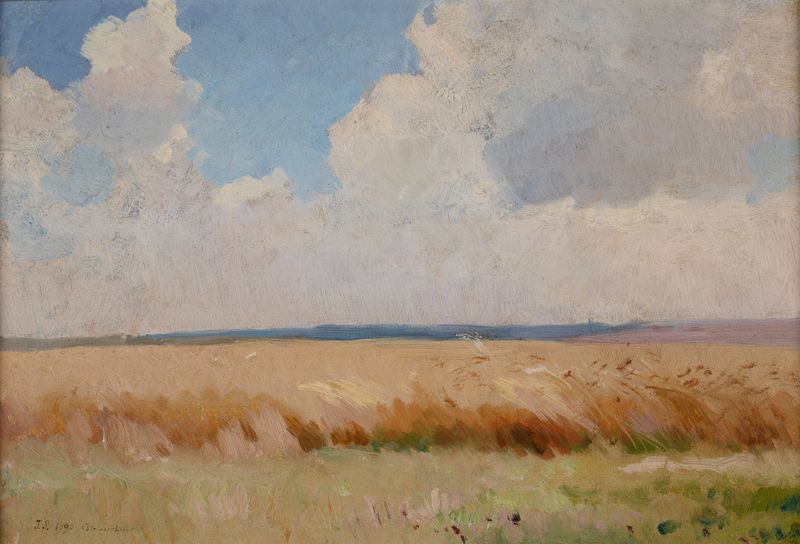
Field at Białocerkiew (Bila Tserkva)
Jan Stanisławski
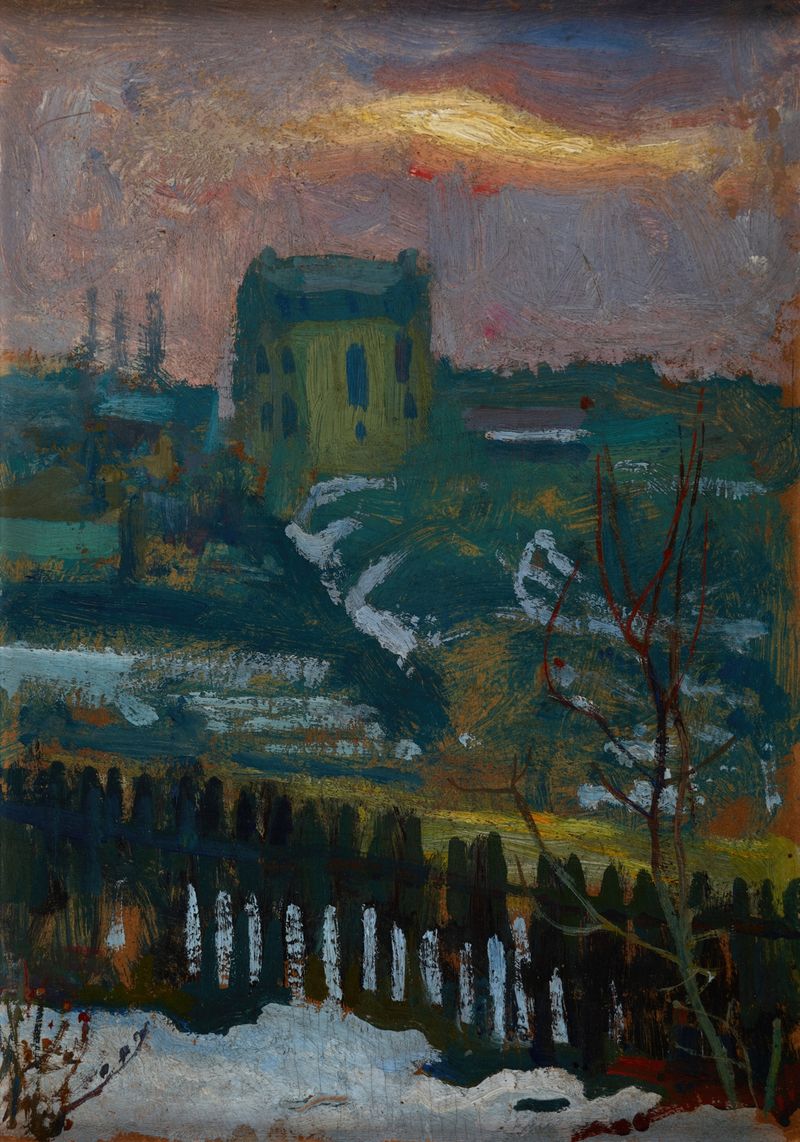
House in Winter
Jan Stanisławski
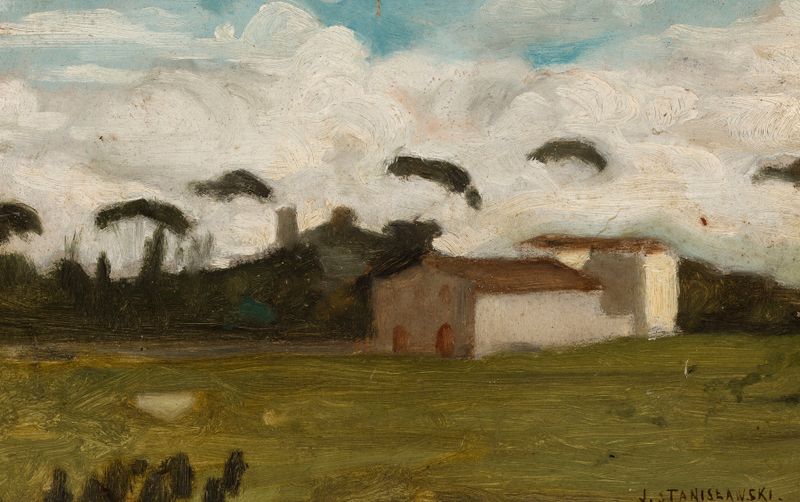
Landscape
Jan Stanisławski
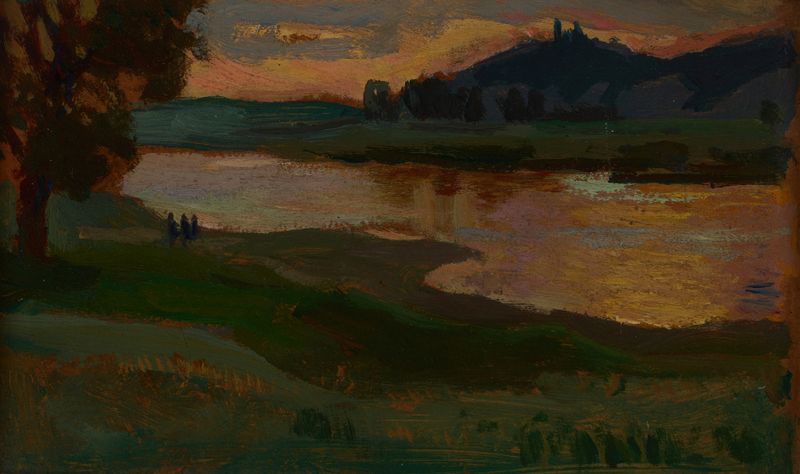
Bielany at Dusk
Jan Stanisławski
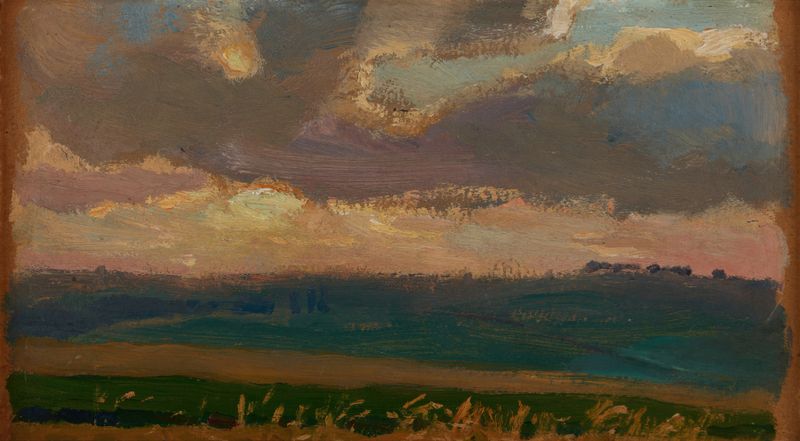
Fields at Proszowice
Jan Stanisławski
More Architecture Art
Browse all →
The statue of Liberty
Frédéric Auguste Bartholdi

View of Houses in Delft, Known as ‘The Little Street’
Johannes Vermeer

View of Houses in Delft, Known as ‘The Little Street’
Johannes Vermeer

The Cathedral in Rouen. The portal, Grey Weather
Claude Monet

The yellow house
Vincent van Gogh

The Church in Auvers-sur-Oise, View from the Chevet
Vincent van Gogh