Saint Sebastian, Martyr — History & Facts
What first arrests the eye in Saint Sebastian, Martyr by Augustin Théodule Ribot is not the violence of martyrdom, but the raw, earthly tenderness that follows. The saint’s pale, almost luminous body is sprawled on the ground, his limbs heavy and slack, yet the focus is drawn to the two shadowy figures who tend to his wounds. Their faces, half-shrouded in darkness, are intent on their work, hands steady and practical as they press cloth and pour oil.
Ribot’s use of deep, enveloping shadows pushes the drama into the foreground, forcing the viewer to confront the vulnerability of flesh and the quiet urgency of care. The palette—dominated by ochres, creams, and the black of the monks’ habits—sets a somber, grounded mood, while the single feather on the ground hints at the fleeting nature of life and suffering. This painting belongs to a tradition of nineteenth-century religious art that returned to the grit and immediacy of Caravaggio’s realism, favoring the human over the heroic. In Ribot’s France, artists were increasingly interested in the dignity of ordinary people and the tactile reality of their world, even in sacred subjects.
Works like this were often intended for private devotion or small chapels, where the faithful could meditate on both the agony and compassion present in the Christian story. Taken on 11 November 2021 and now in a private collection, this image stands as a testament to the era’s fascination with the intersection of faith and the physical world—inviting us to linger over the details and ask what it means to witness suffering, and to heal.
More Artworks by Augustin Théodule Ribot

The Scullion
Augustin Théodule Ribot

The Artist's Daughter
Augustin Théodule Ribot
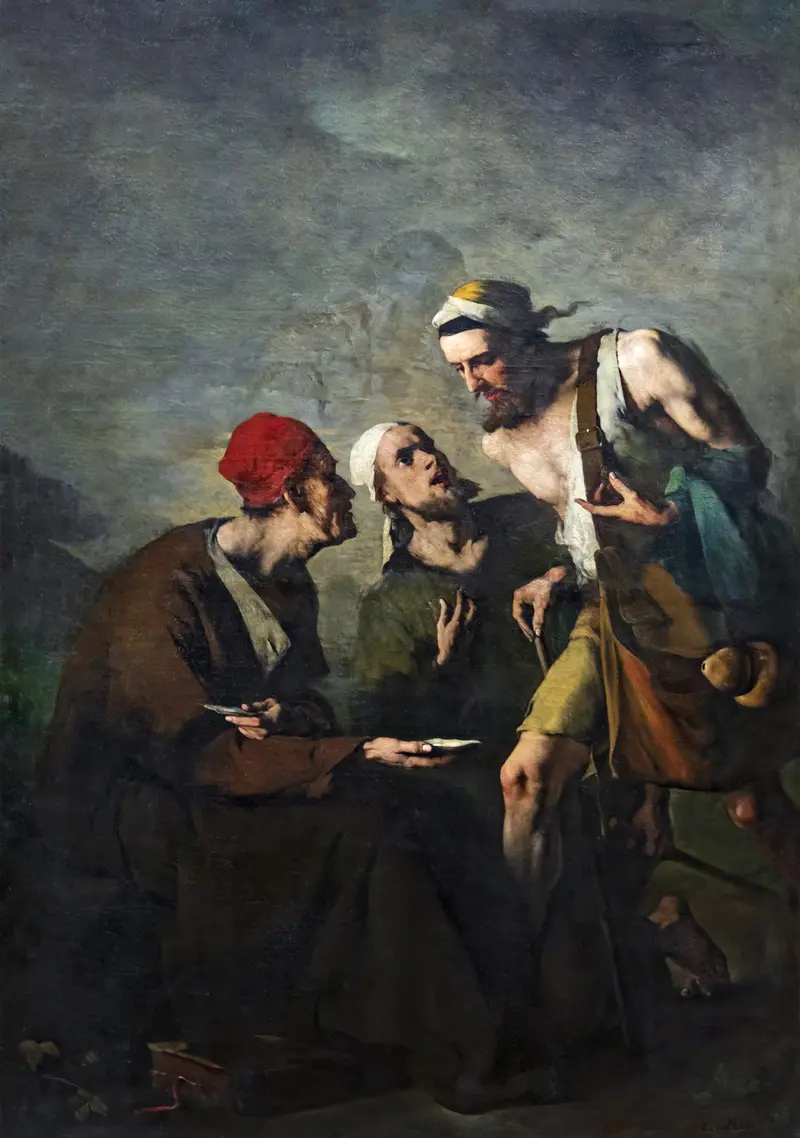
The oyster and the Litigant's
Augustin Théodule Ribot

The philosophers
Augustin Théodule Ribot

Singers
Augustin Théodule Ribot

Oyster and timbale
Augustin Théodule Ribot
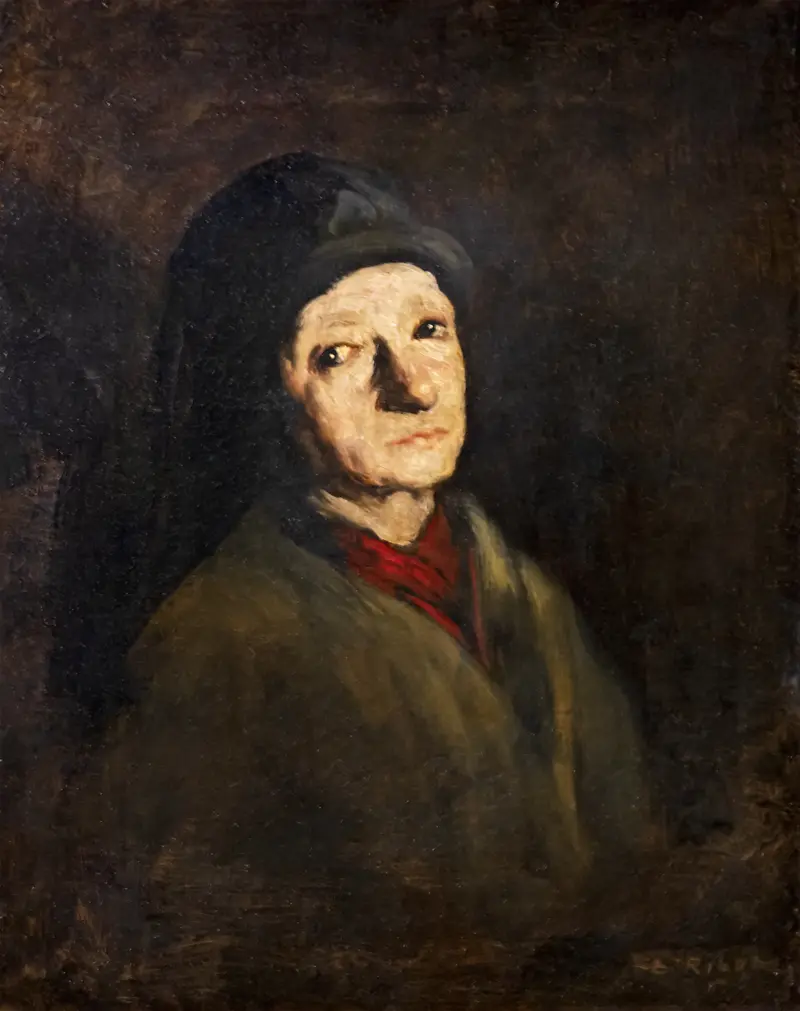
Portrait of the artist's mother
Augustin Théodule Ribot

Three old jews
Augustin Théodule Ribot

' Landscape ', known as ' La Maison de Corot in Ville-d'Avray '
Augustin Théodule Ribot
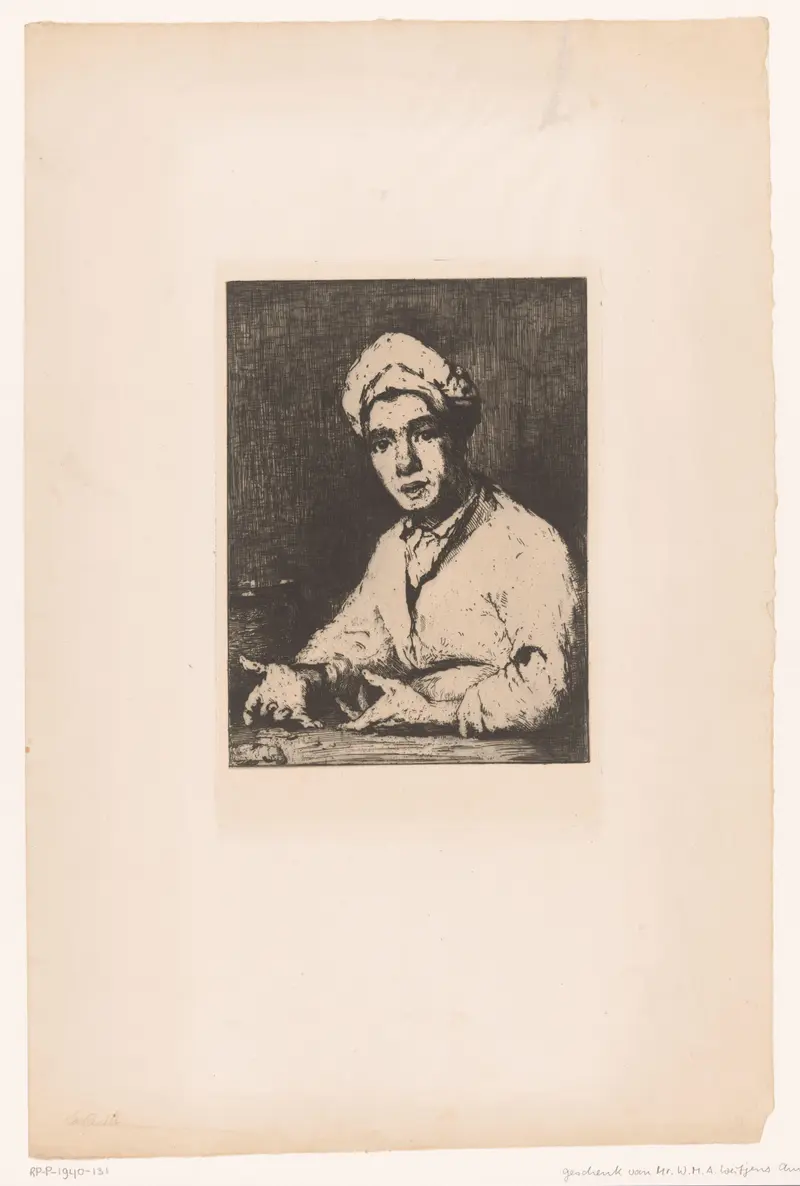
La recette du cuisinier
Augustin Théodule Ribot