
Salisbury Cathedral from the Bishop's Grounds — History & Facts
The eye is drawn first to the soaring spire of Salisbury Cathedral, which rises like a ship’s mast above a tranquil sea of green. Framed by two sheltering trees, the cathedral’s pale stone glows against a sky mottled with clouds, its vertical thrust both anchoring and dividing the scene. In the foreground, cows graze and drink from a stream, their quiet presence grounding the grandeur of the architecture in the daily rhythms of rural life.
To the left, a small group of figures—one gesturing with a walking stick—suggests conversation or admiration, their scale emphasizing the vastness of the landscape and the cathedral’s dominance. The light, filtered through leaves and drifting clouds, animates the scene with shifting patches of gold and shadow, lending the whole a sense of gentle movement and lived experience. Works like this, painted in early nineteenth-century England, were often both personal meditations and public statements. The era saw a surge of interest in the national landscape, with artists like John Constable championing the English countryside as a subject worthy of serious art.
Such paintings were not only celebrations of natural and architectural beauty but also reflections on tradition, faith, and the changing relationship between town and country. This particular view, now in the Metropolitan Museum of Art, New York, captures a moment when the cathedral—long a symbol of continuity—stood at the heart of a world on the cusp of industrial transformation. The viewer is invited to linger, tracing the path from shaded garden to open field, and to consider what endures as the world shifts around it.
More Artworks by John Constable
Flatford Mill (Scene on a Navigable River)
John Constable

Salisbury Cathedral From The Meadows
John Constable
Stratford Mill
John Constable
Flatford Mill
John Constable
The White Horse
John Constable
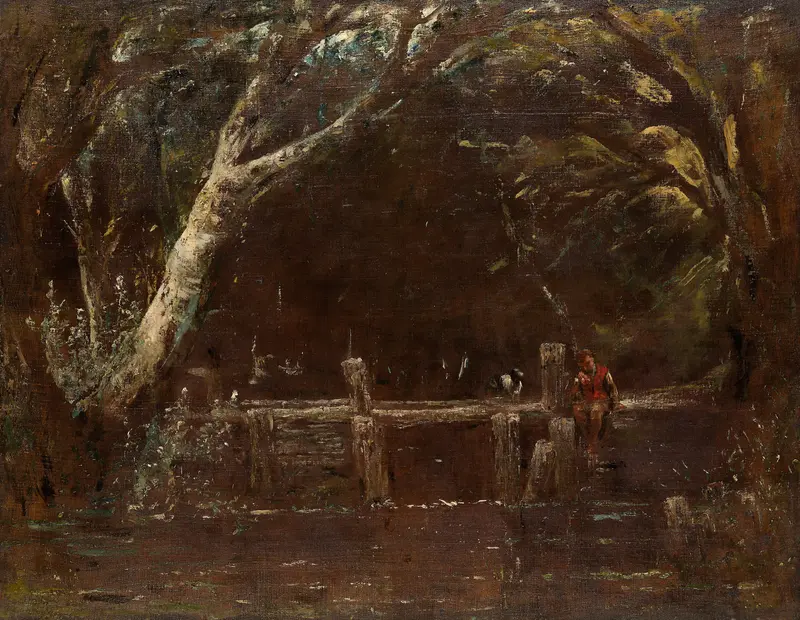
Landscape (The Lock)
John Constable
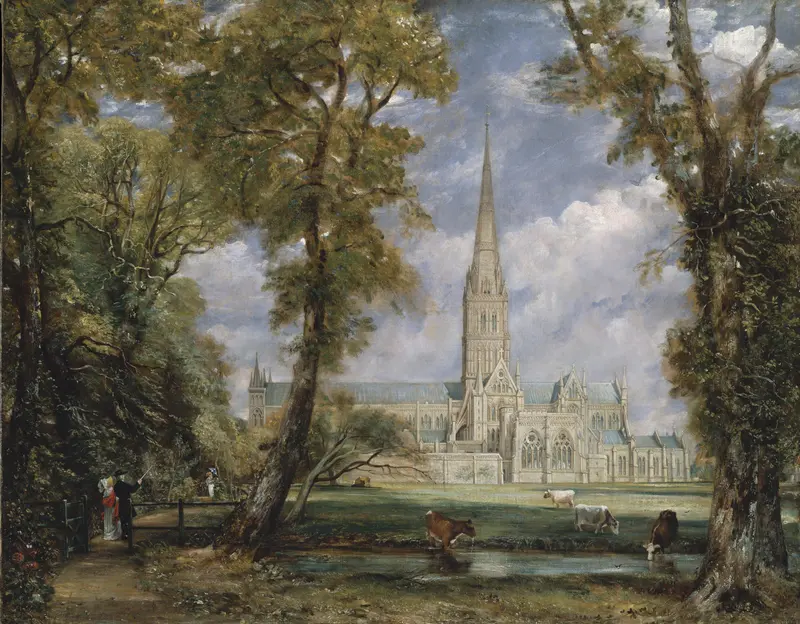
Salisbury Cathedral from the Bishop’s Grounds
John Constable
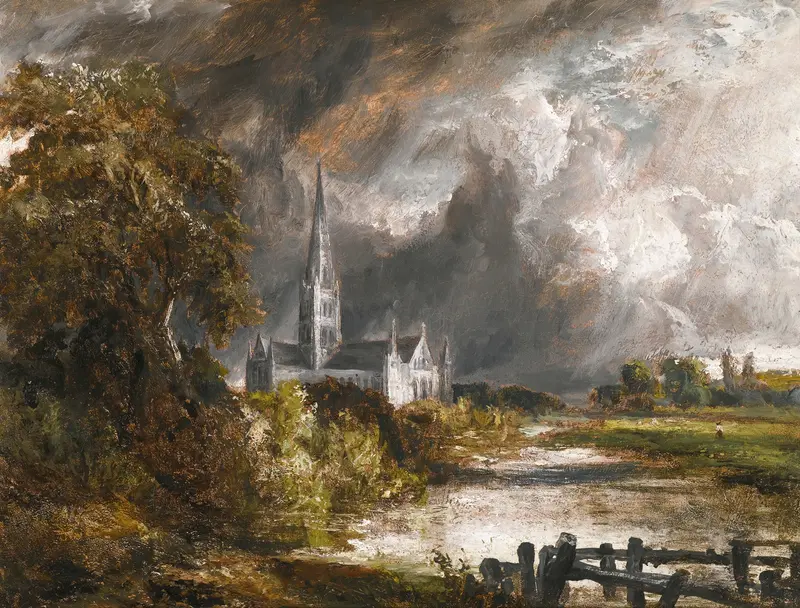
Salisbury Cathedral From The Meadows
John Constable
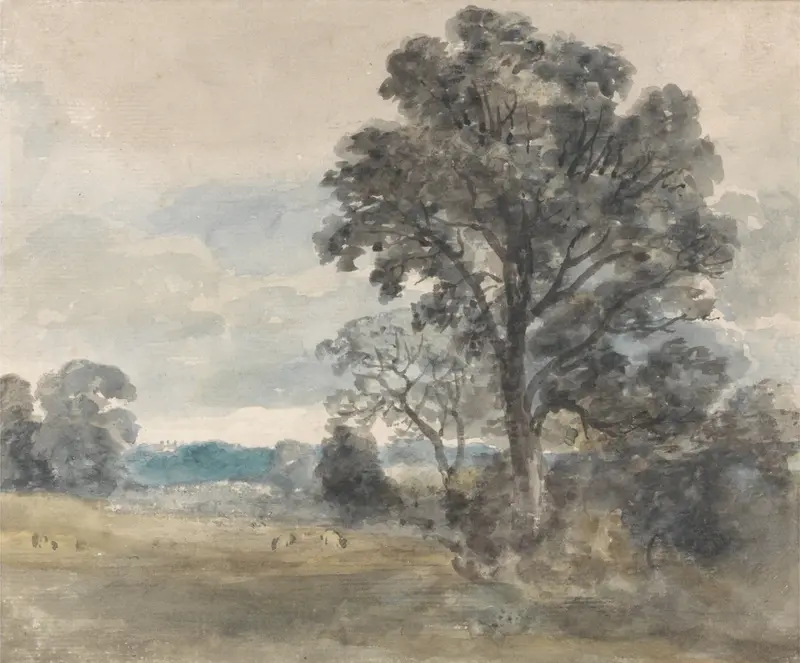
Landscape at East Bergholt
John Constable
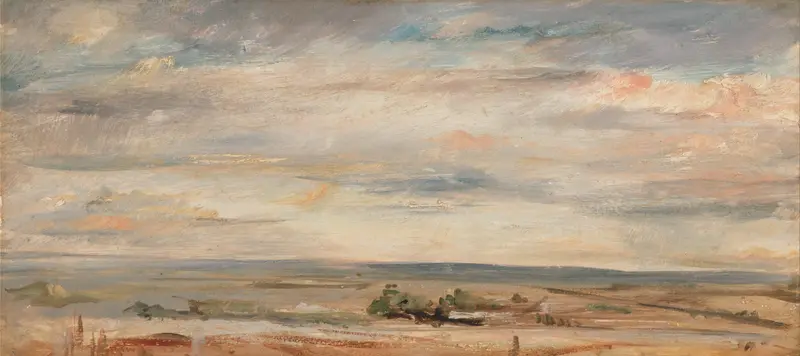
Cloud Study, Early Morning, Looking East from Hampstead
John Constable
More Landscape Art

The Starry Night
Vincent van Gogh

View of Delft
Johannes Vermeer

Water Lilies
Claude Monet

The Grand Canal, Venice, looking north-west from the Ca' Corner to the Ca' Contarini degli Scrigni, with the campanile of Santa Maria della Carità
Canaletto

Windsor Castle
Canaletto

The Grand Canal looking North-East from the Palazzo Dolfin-Manin to the Rialto Bridge
Canaletto