
Salome At The Prison — History & Facts
In Salome At The Prison, Gustave Moreau presents a striking scene filled with rich colors and intricate details. Salome, the central figure, is depicted with a captivating expression, surrounded by dark, moody tones that enhance the drama of the moment. The setting is a dimly lit prison, adding to the tension of the narrative.
The use of gold and deep reds creates a sense of opulence amidst the somber atmosphere. The painting is executed in oil on canvas, showcasing Moreau's characteristic attention to detail and texture. Viewers can observe the delicate brushwork that brings life to Salome's flowing garments and the intricate patterns in the background. The dimensions of the artwork are approximately 100 x 150 cm, making it a substantial piece that commands attention.
Moreau's use of light and shadow further emphasizes the emotional weight of the scene. Gustave Moreau was a leading figure in the Symbolist movement, known for his dreamlike imagery and rich symbolism. 'Salome At The Prison' reflects his fascination with themes of desire and the femme fatale. An interesting fact about this work is that it was inspired by the biblical story of Salome, who danced for Herod and demanded the beheading of John the Baptist.
This painting captures a moment of contemplation before the fateful dance, highlighting Moreau's ability to blend narrative with visual beauty.
More Artworks by Gustave Moreau
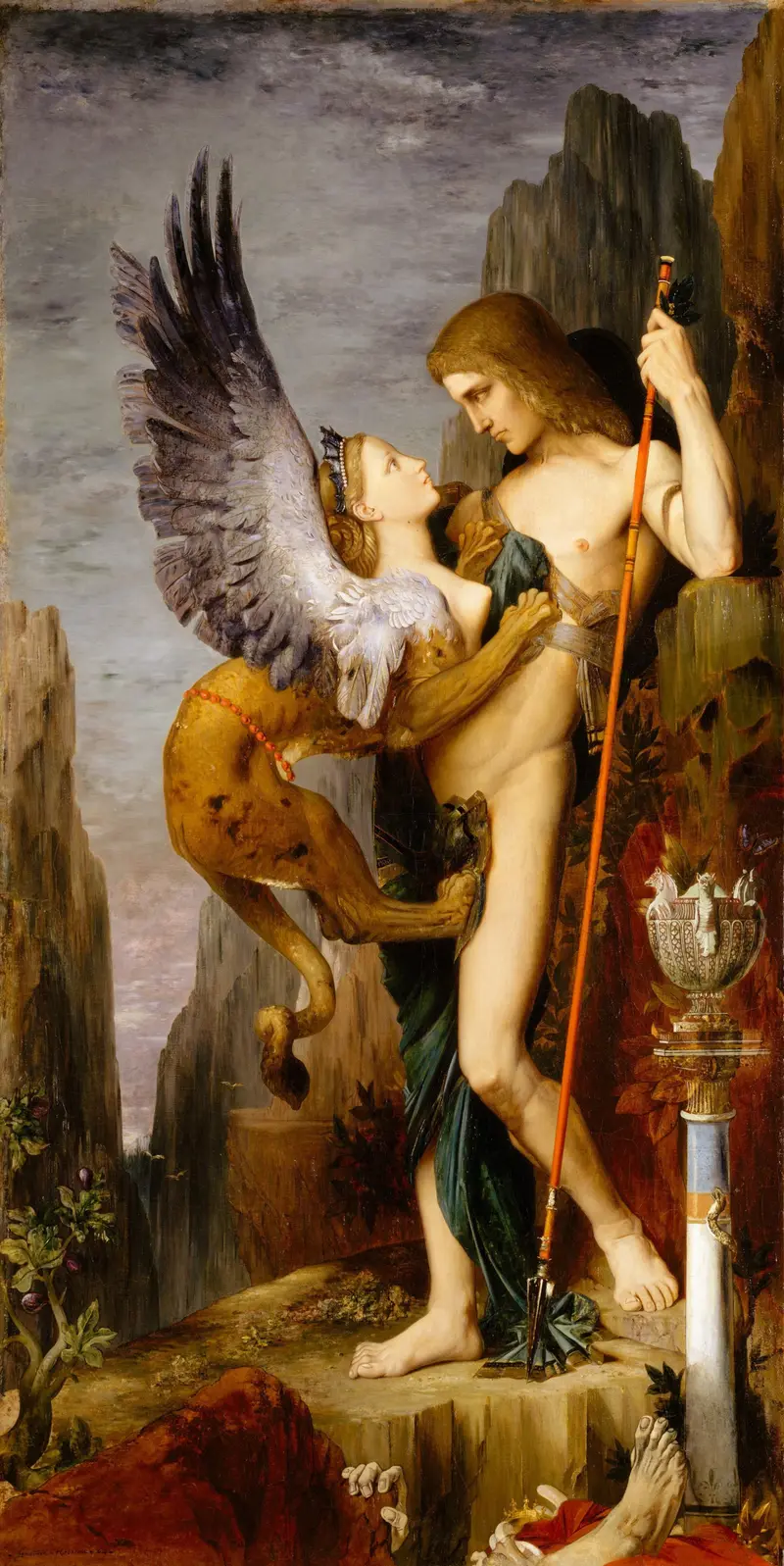
Oedipus and the Sphinx
Gustave Moreau
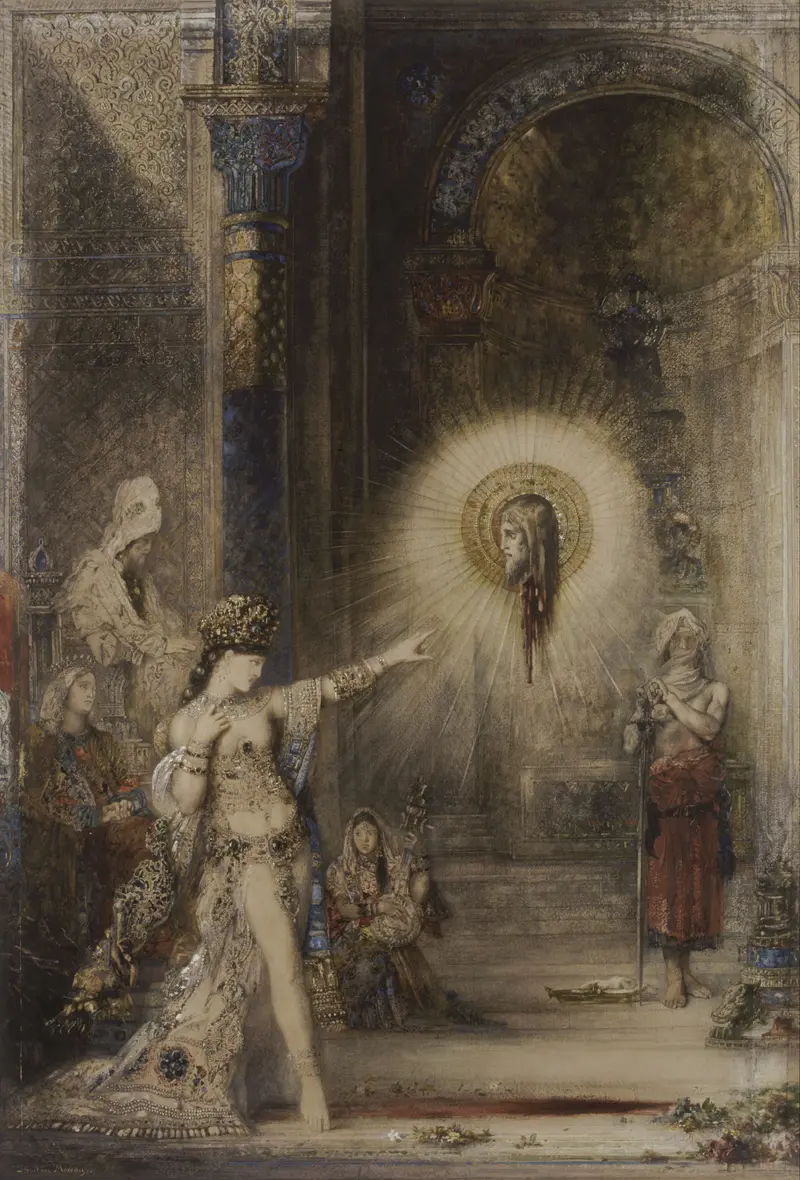
The Apparition
Gustave Moreau

The Apparition
Gustave Moreau
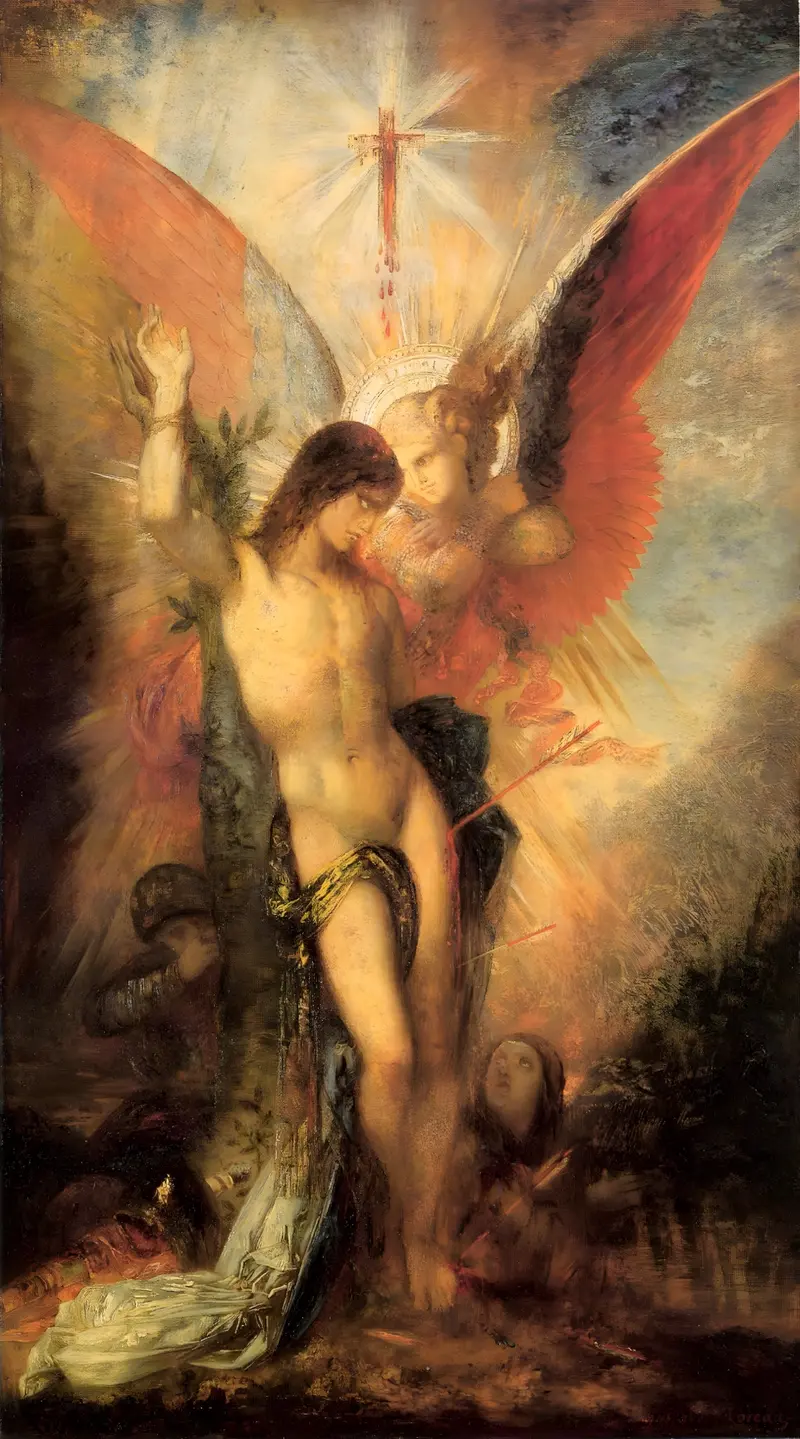
Saint Sebastian and the Angel
Gustave Moreau
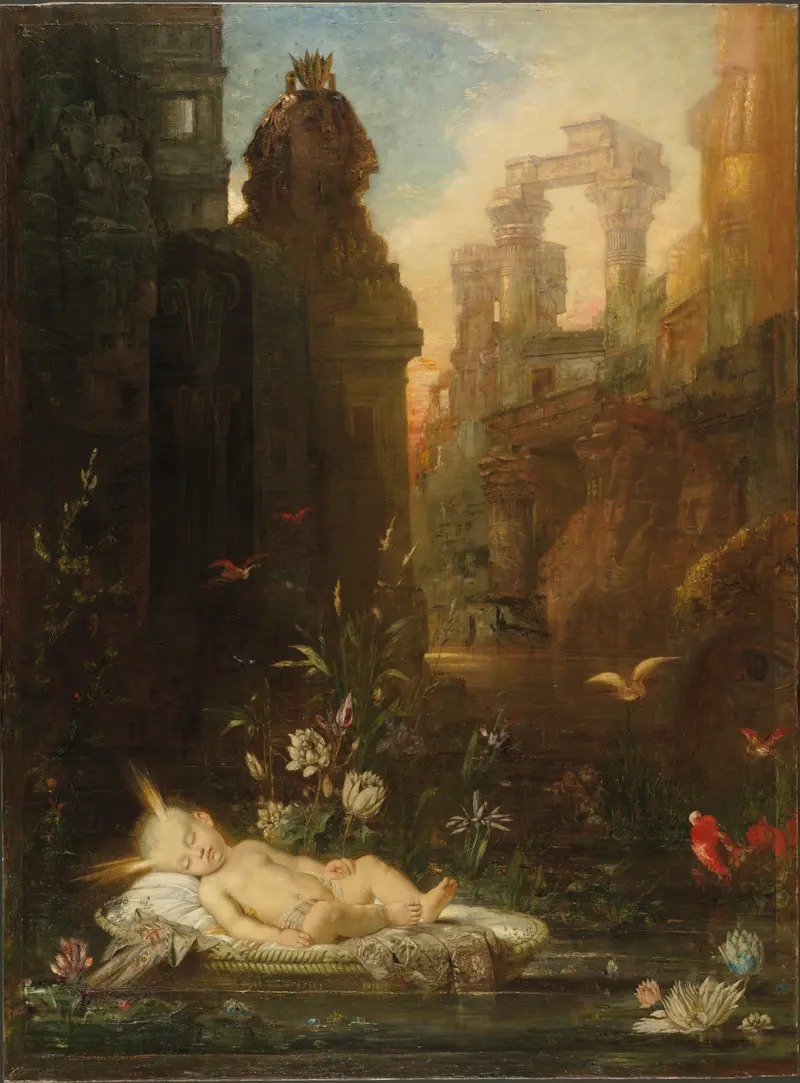
The Infant Moses
Gustave Moreau
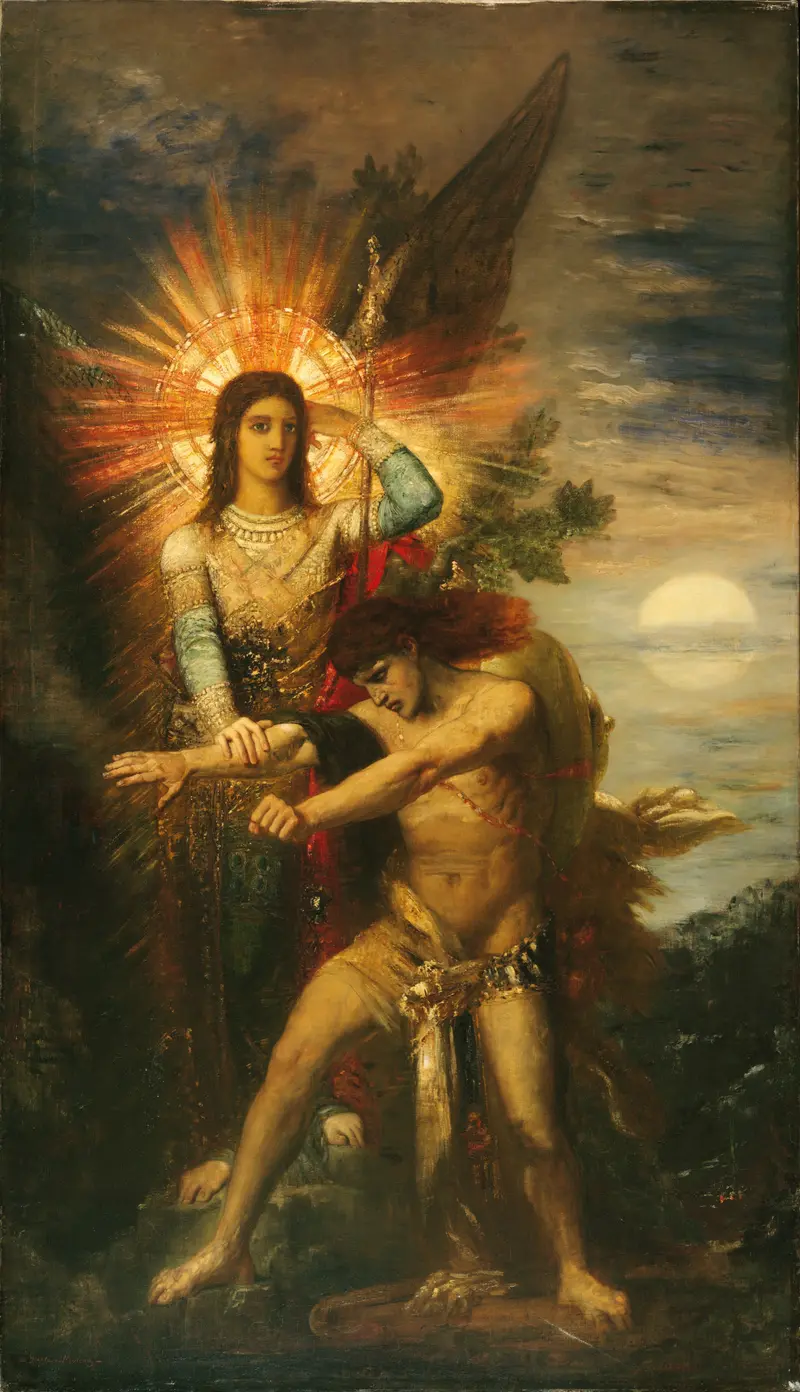
Jacob and the Angel
Gustave Moreau
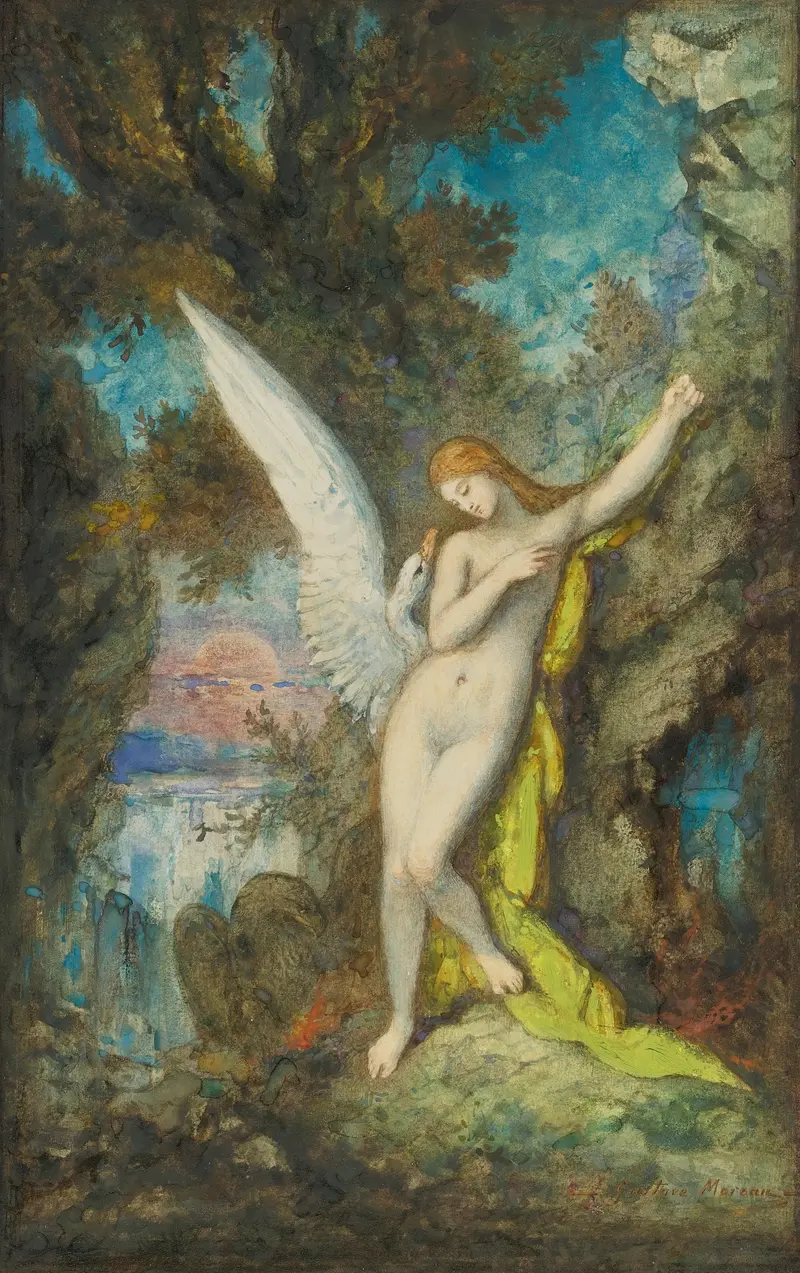
Leda Et Le Cygne
Gustave Moreau
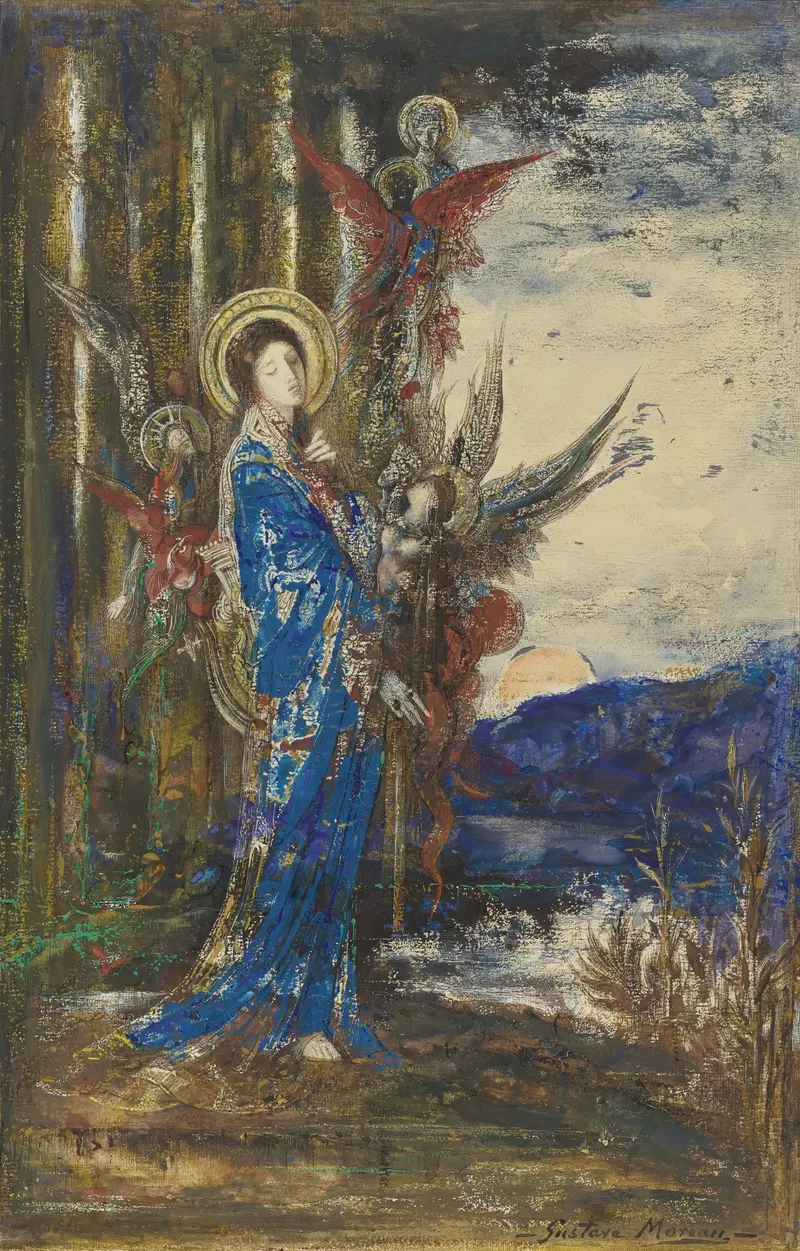
Les Épreuves
Gustave Moreau
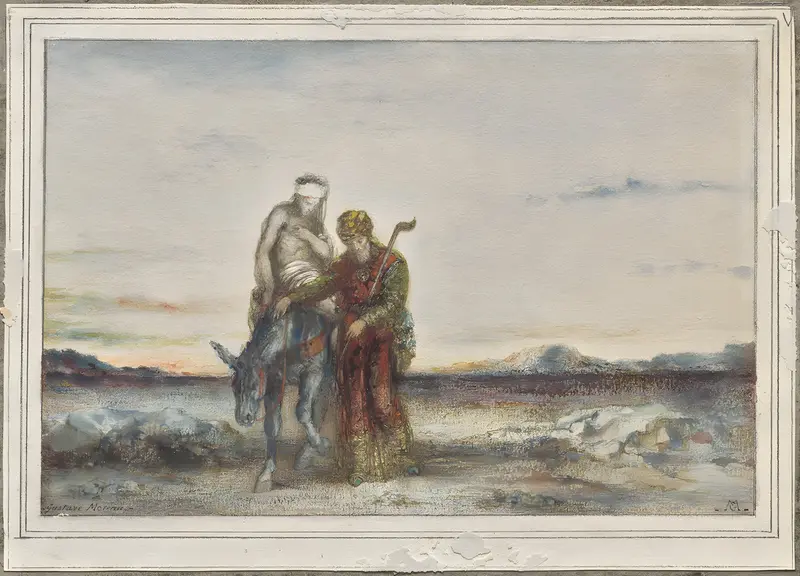
The Good Samaritan
Gustave Moreau
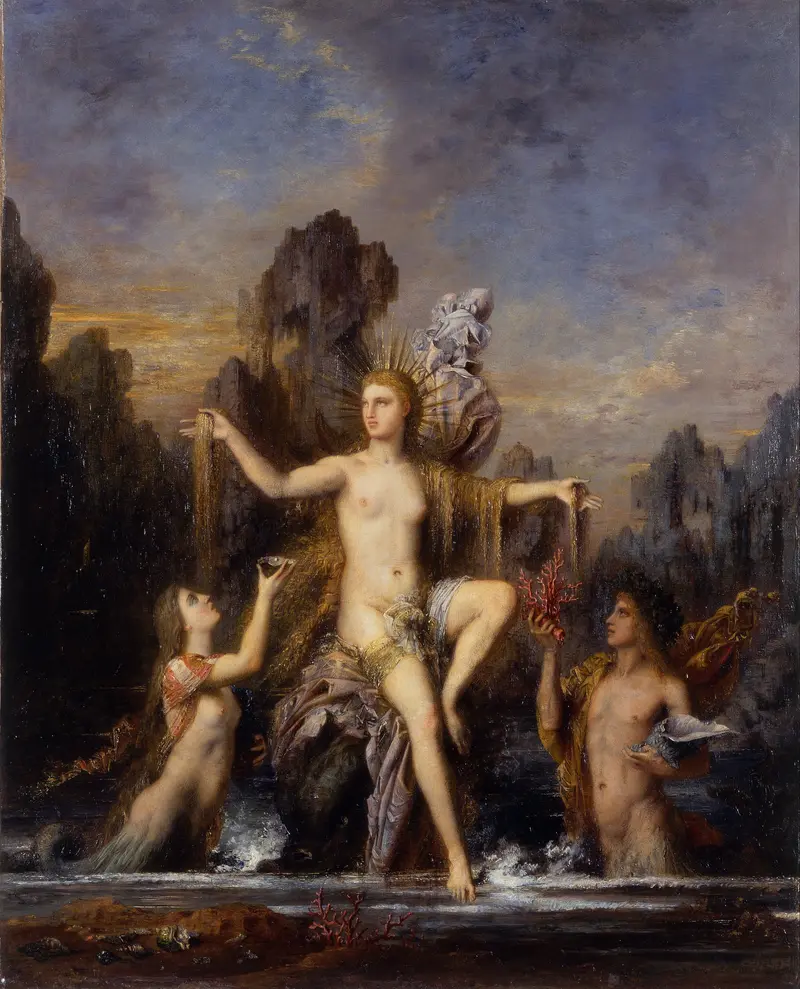
Venus Rising From The Sea
Gustave Moreau





