
Oedipus and the Sphinx — History & Facts
Oedipus and the Sphinx is an oil on canvas painting completed by Gustave Moreau in 1864. The work was created during a period of renewed interest in mythological subjects in French art and marks an important moment in Moreau's early career, establishing his reputation at the Salon of 1864. The painting reflects Moreau's fascination with symbolism and the psychological dimensions of myth, themes which would become central to his later work. The composition presents the encounter between Oedipus and the Sphinx, with Oedipus standing at the edge of a rocky precipice while the Sphinx, a creature with the body of a lion, wings of a bird, and the head of a woman, clings to him.
The figures are rendered in meticulous detail, with a strong contrast between the pale flesh of Oedipus and the richly textured, golden body of the Sphinx. The background features steep, barren cliffs under a subdued sky, and the lower foreground shows the remains of previous victims. Moreau employs a luminous palette with precise brushwork, emphasizing the psychological tension and enigmatic atmosphere of the myth. After its debut at the Salon of 1864, Oedipus and the Sphinx was recognized as a significant achievement and contributed to Moreau's growing reputation among Symbolist artists.
The painting is held in the collection of The Metropolitan Museum of Art in New York. Its critical reception at the time established Moreau as a leading figure in the development of late nineteenth-century French Symbolism.
More Artworks by Gustave Moreau
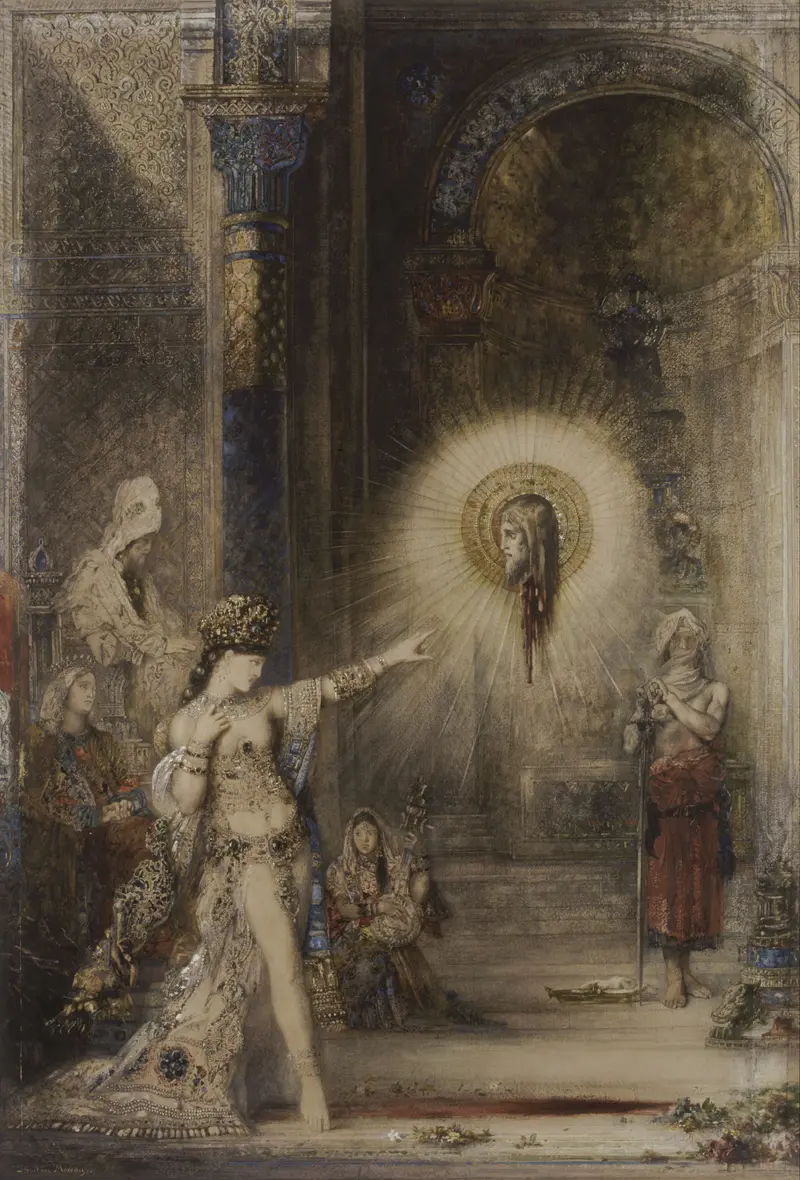
The Apparition
Gustave Moreau

The Apparition
Gustave Moreau
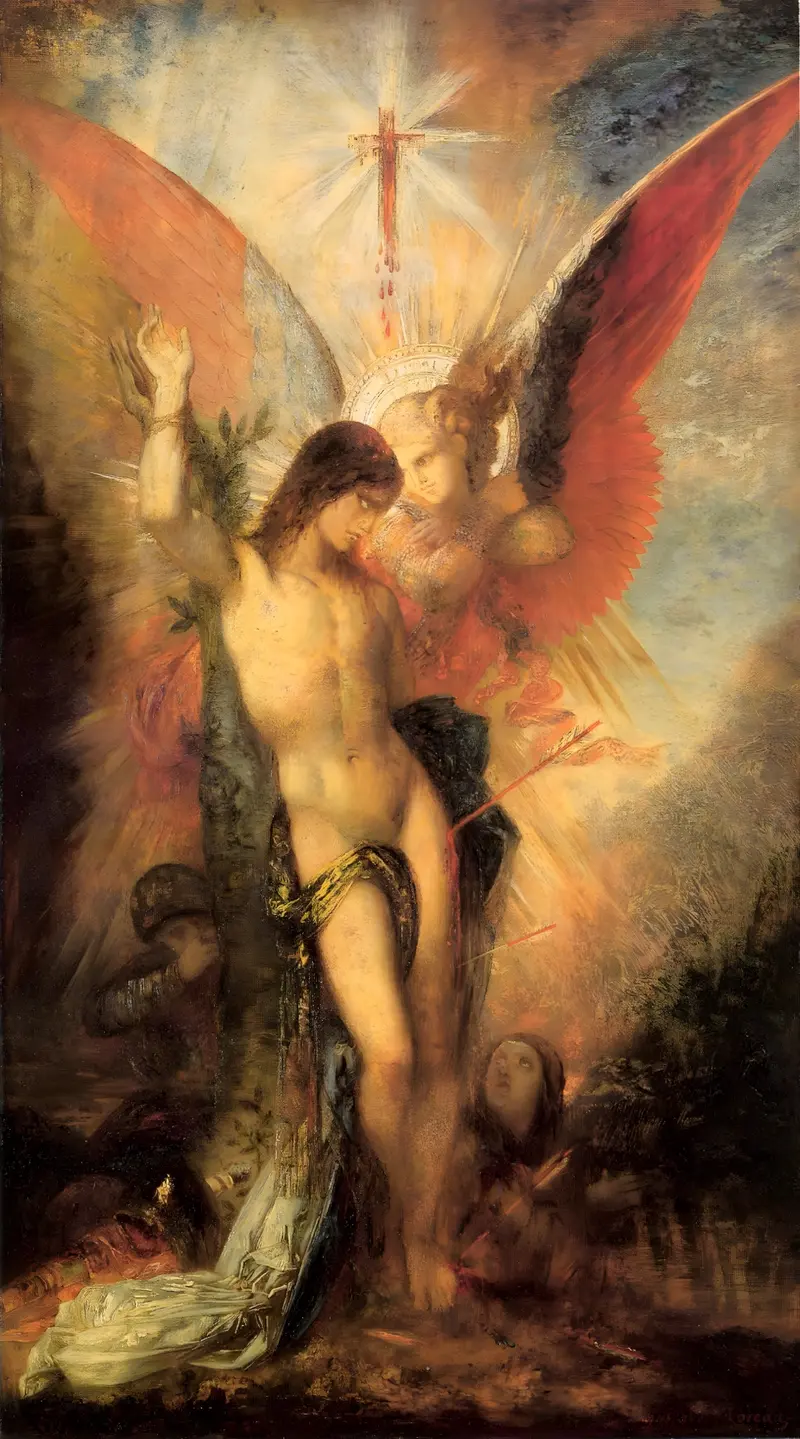
Saint Sebastian and the Angel
Gustave Moreau
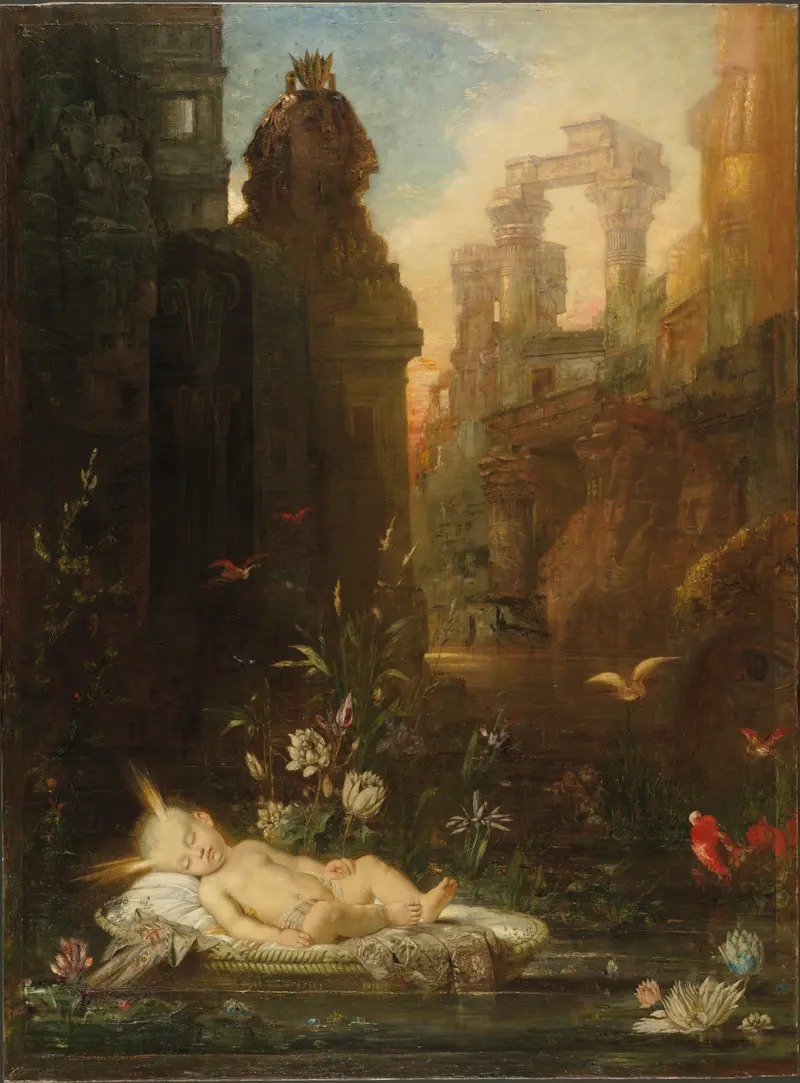
The Infant Moses
Gustave Moreau
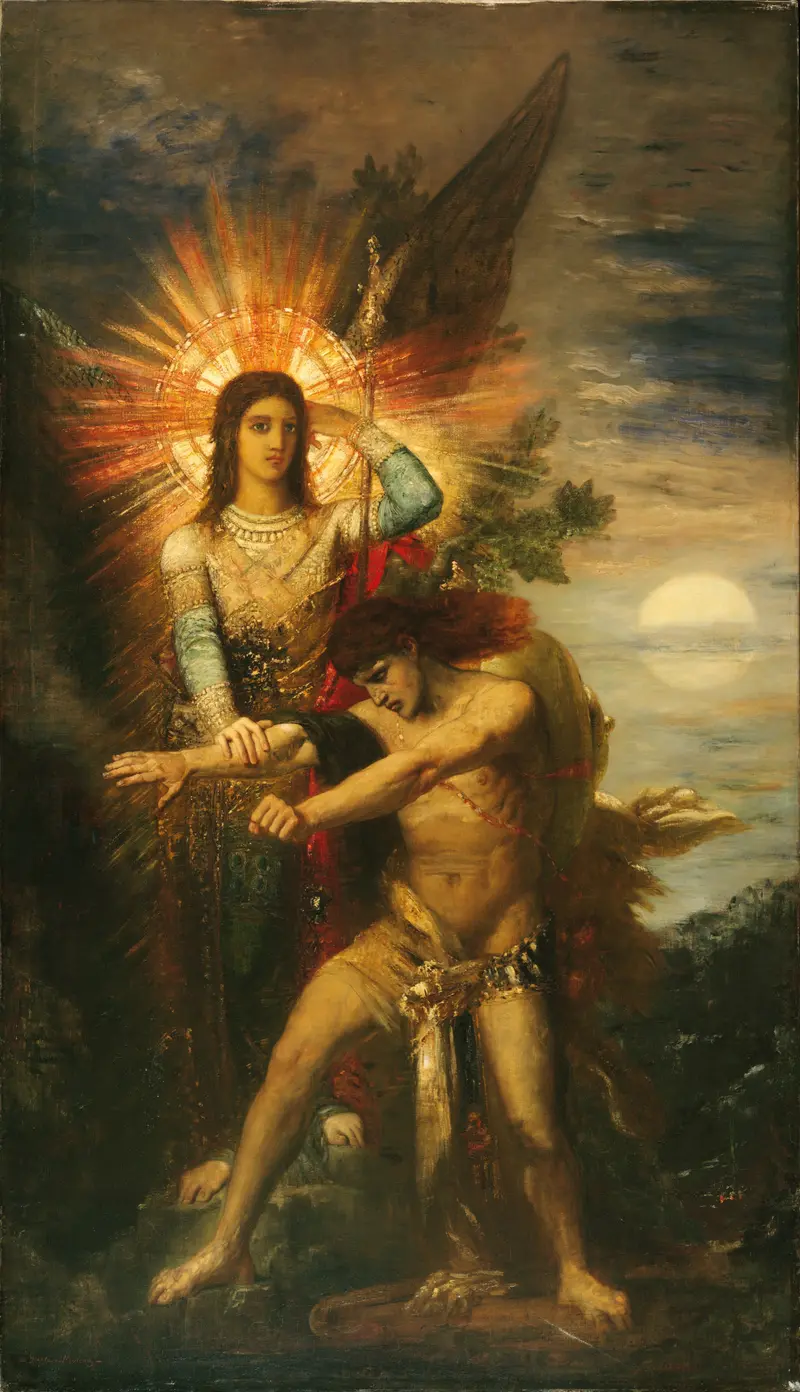
Jacob and the Angel
Gustave Moreau
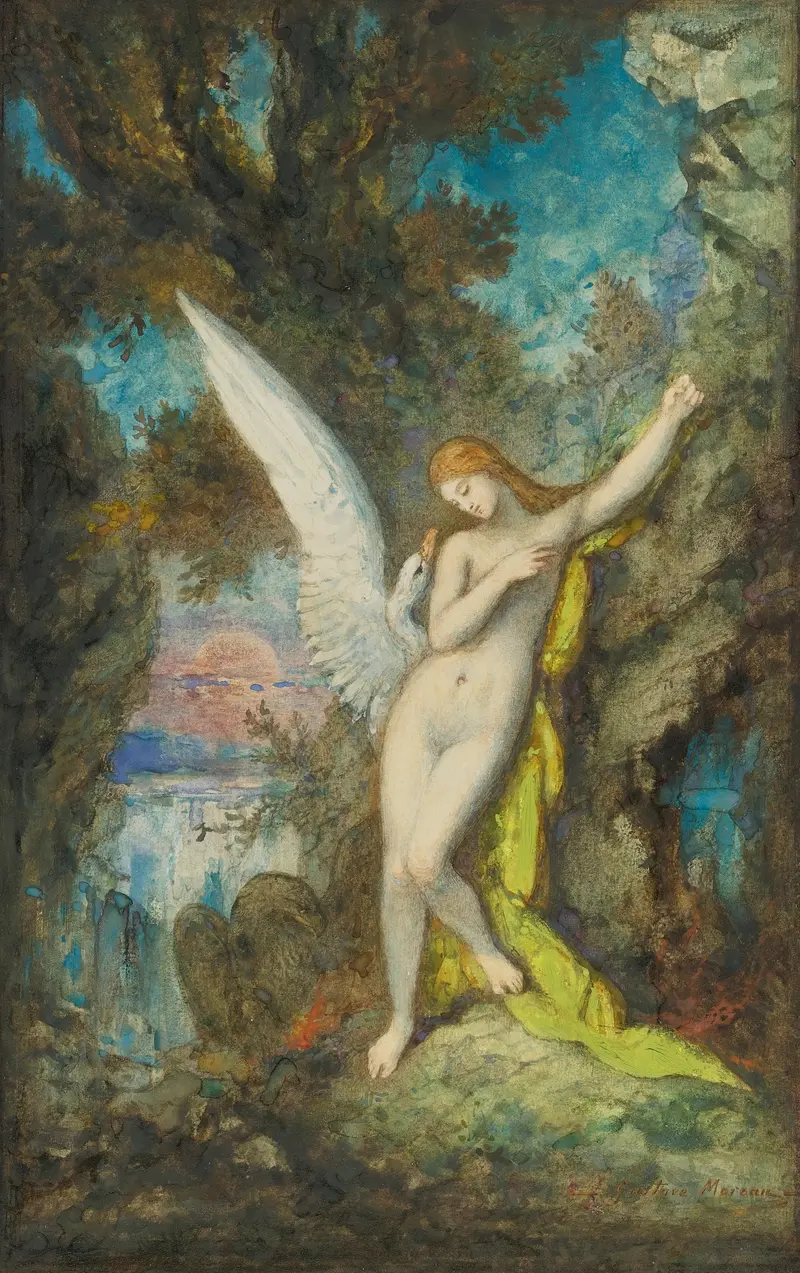
Leda Et Le Cygne
Gustave Moreau
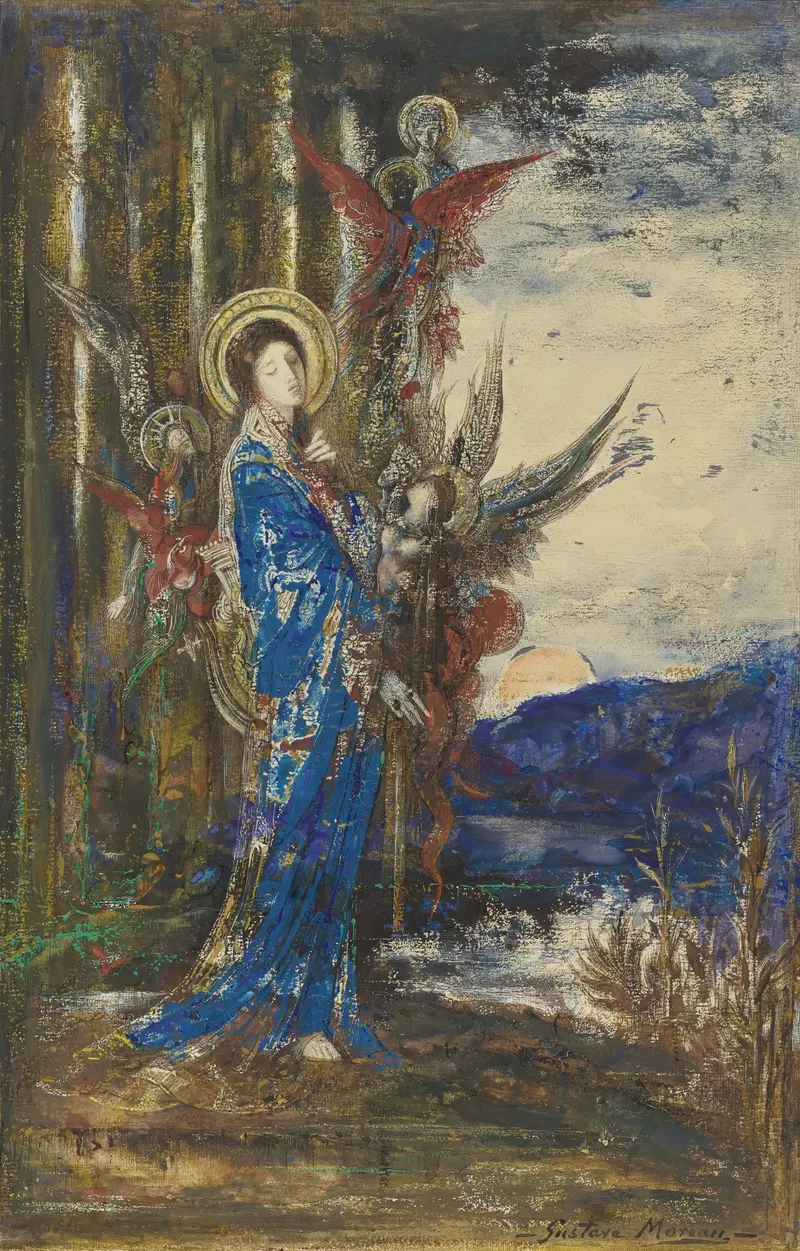
Les Épreuves
Gustave Moreau
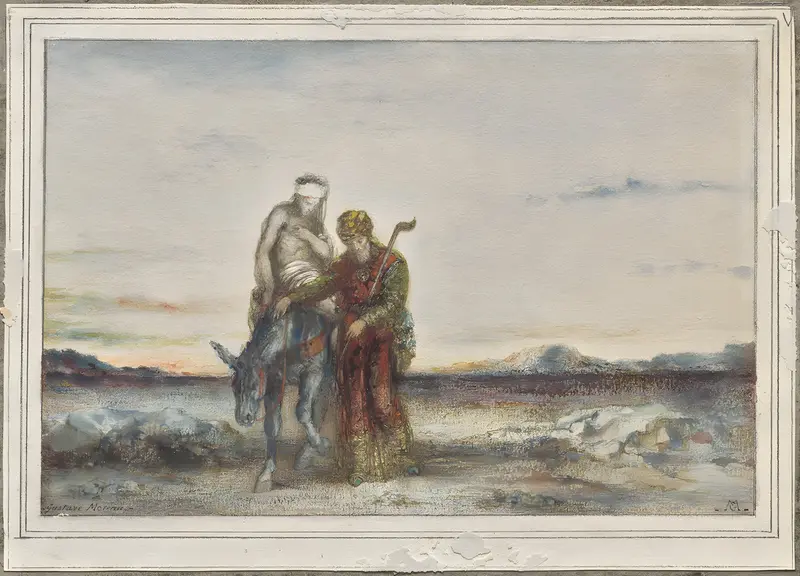
The Good Samaritan
Gustave Moreau
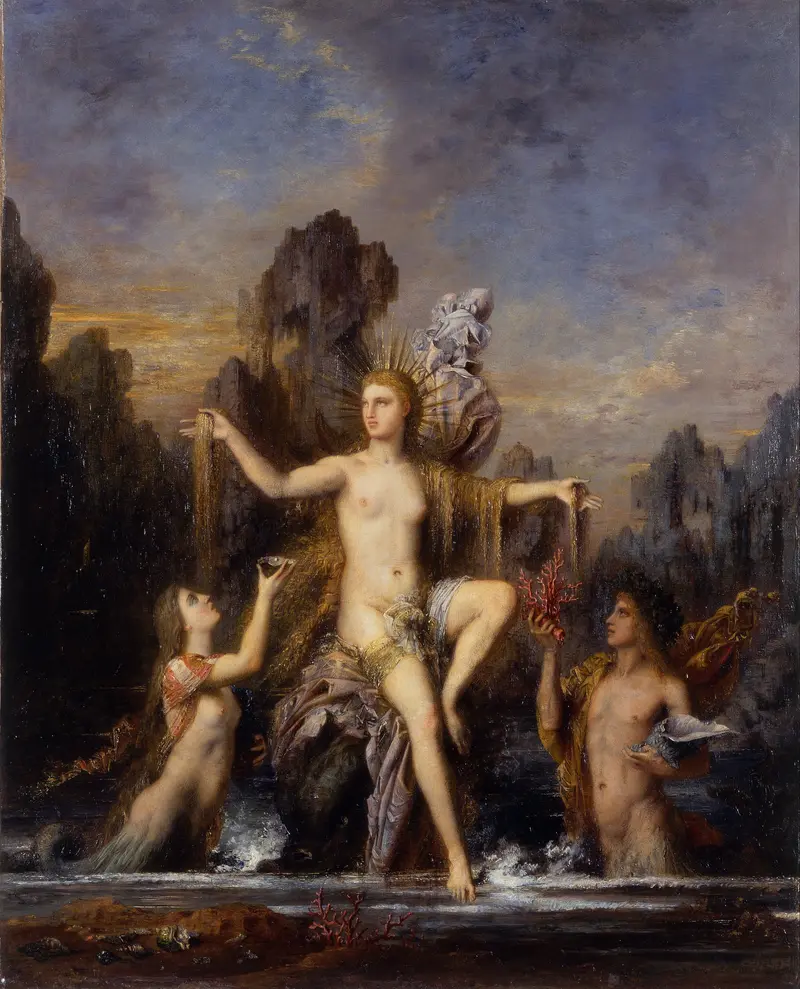
Venus Rising From The Sea
Gustave Moreau
Jupiter and Semele
Gustave Moreau





