
Leda Et Le Cygne — History & Facts
In Leda Et Le Cygne, Gustave Moreau presents a striking scene filled with rich colors and intricate details. Leda, the central figure, is depicted in a moment of intimacy with a swan, symbolizing Zeus. The background features lush foliage and a dreamlike atmosphere, enhancing the mythical quality of the work.
The use of gold and deep blues creates a sense of depth and allure. Moreau's technique showcases his mastery of oil on canvas, allowing for vibrant colors and delicate textures. The brushwork is meticulous, capturing the softness of Leda's skin and the feathers of the swan. The composition is balanced, drawing the viewer's eye towards the interaction between the figures.
The painting's dimensions are approximately 100 x 150 cm, making it a significant piece in terms of scale. Gustave Moreau was a prominent figure in the Symbolist movement, known for his dreamlike imagery and mythological themes. Leda Et Le Cygne reflects his fascination with the intersection of reality and fantasy. An interesting fact about this work is that it was created during a period when Moreau was deeply inspired by classical mythology, which is evident in the elegance of the figures.
This painting is now housed in the Musee d'Orsay, showcasing Moreau's unique artistic vision.
More Artworks by Gustave Moreau
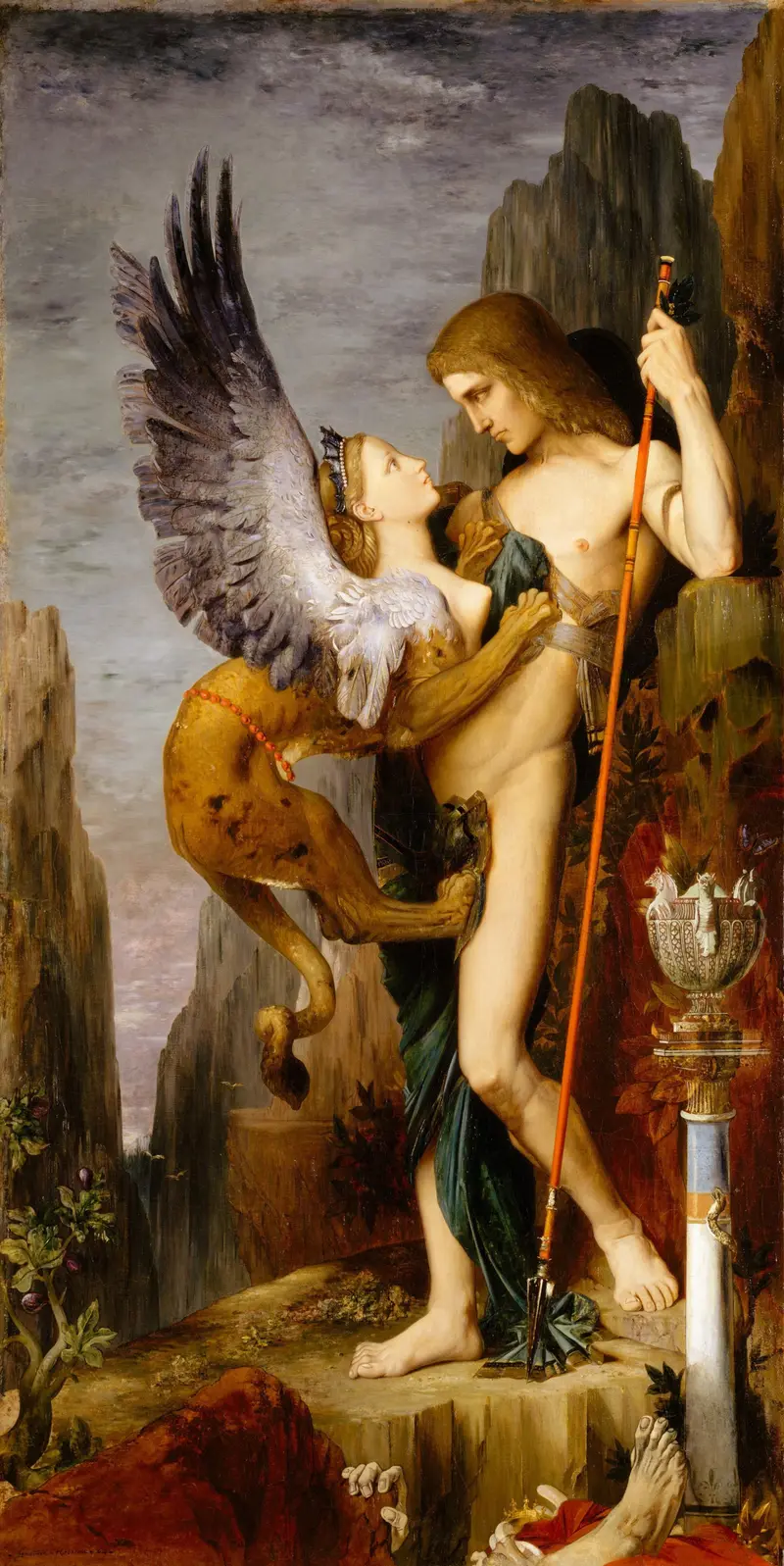
Oedipus and the Sphinx
Gustave Moreau
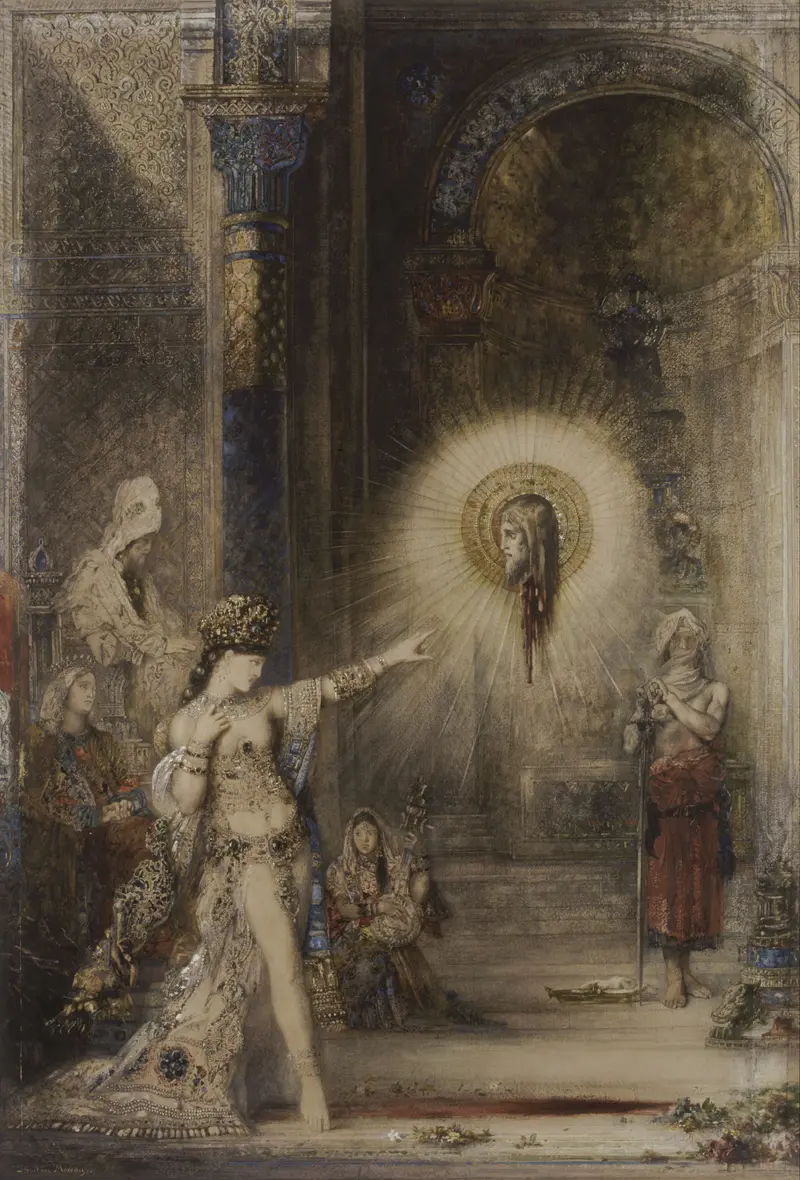
The Apparition
Gustave Moreau

The Apparition
Gustave Moreau
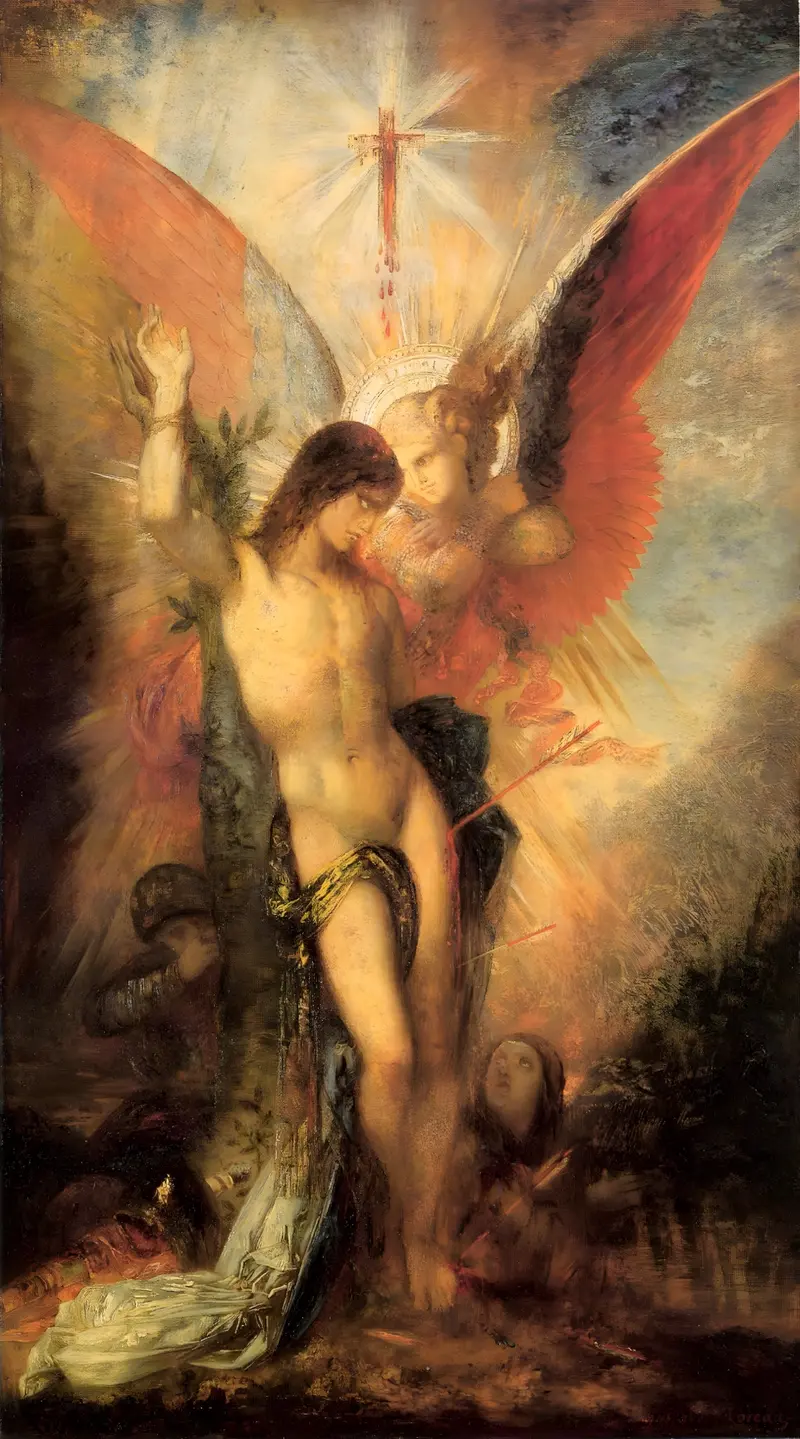
Saint Sebastian and the Angel
Gustave Moreau
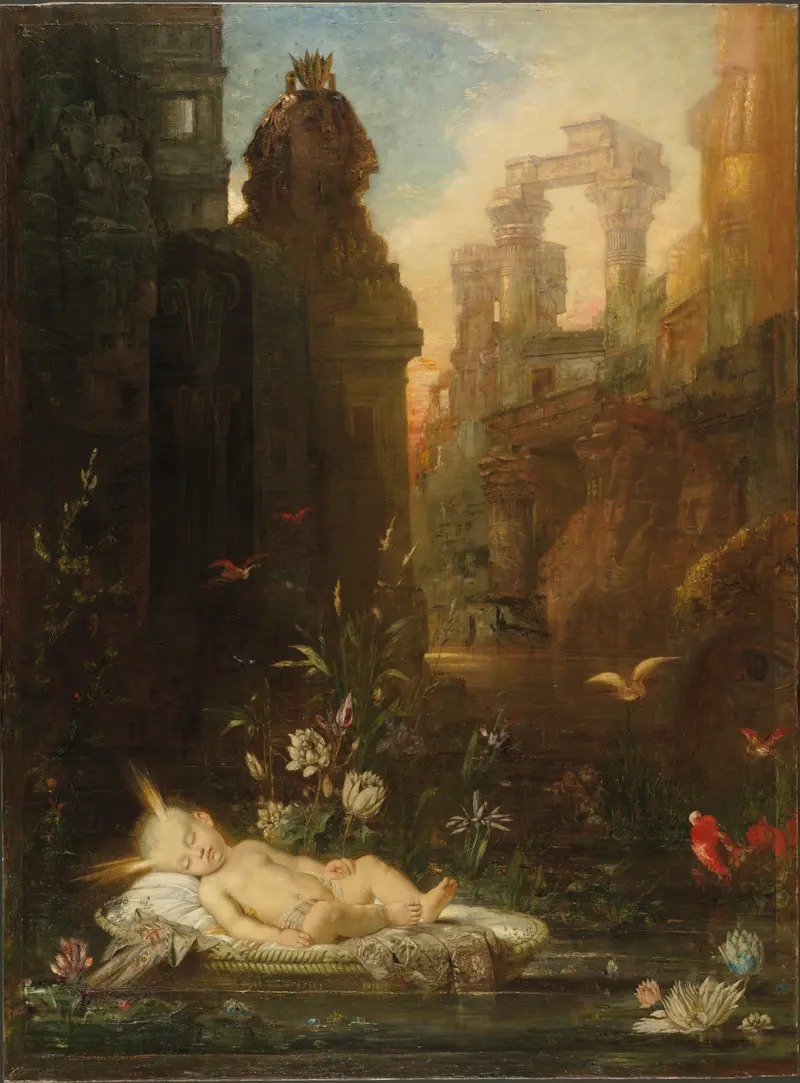
The Infant Moses
Gustave Moreau
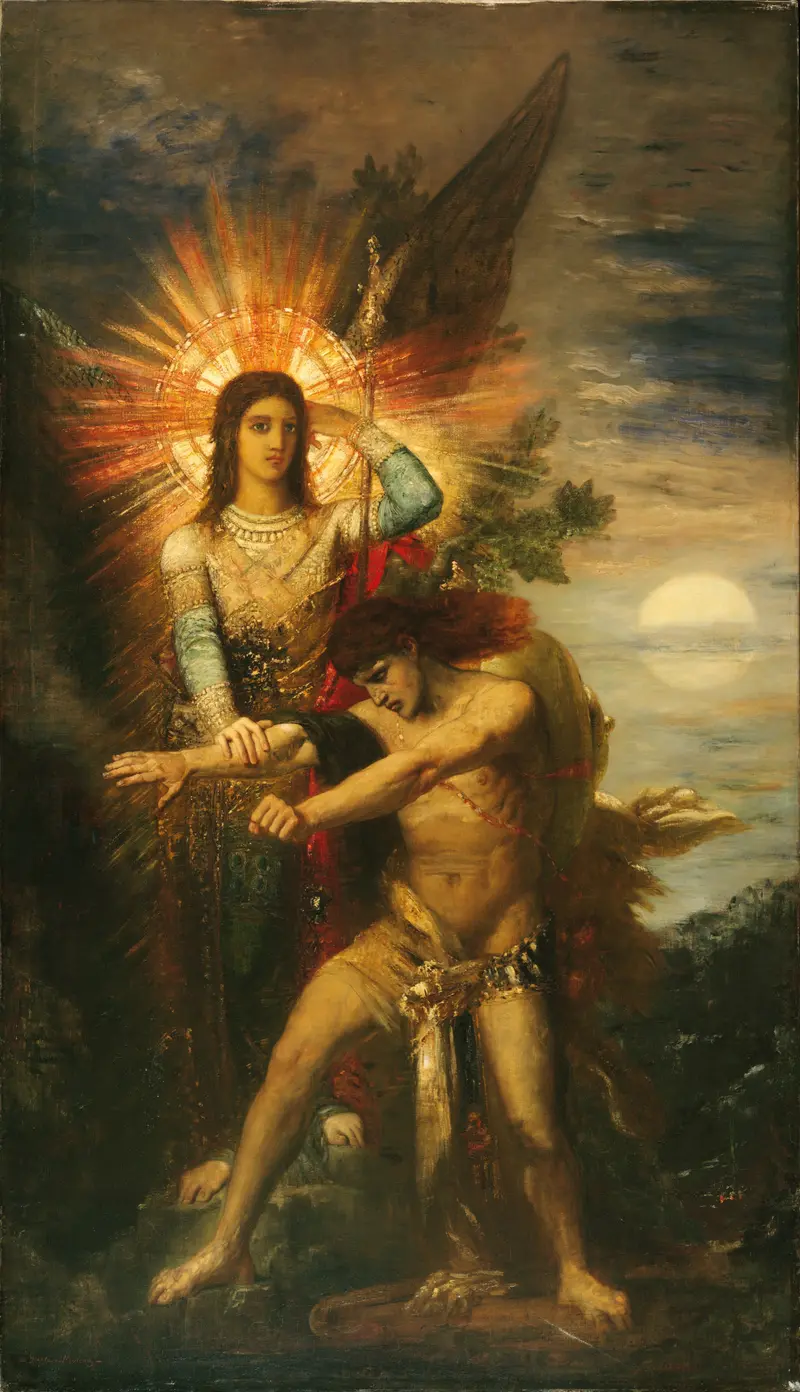
Jacob and the Angel
Gustave Moreau
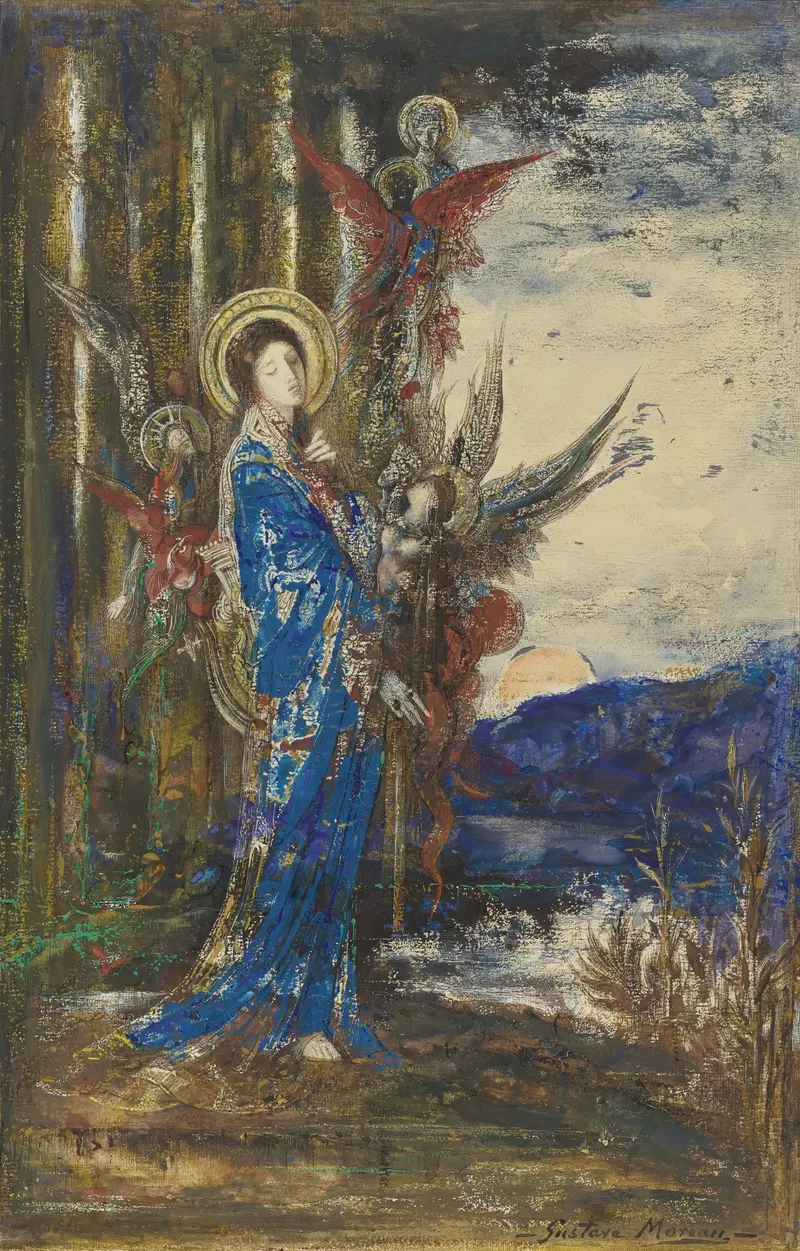
Les Épreuves
Gustave Moreau
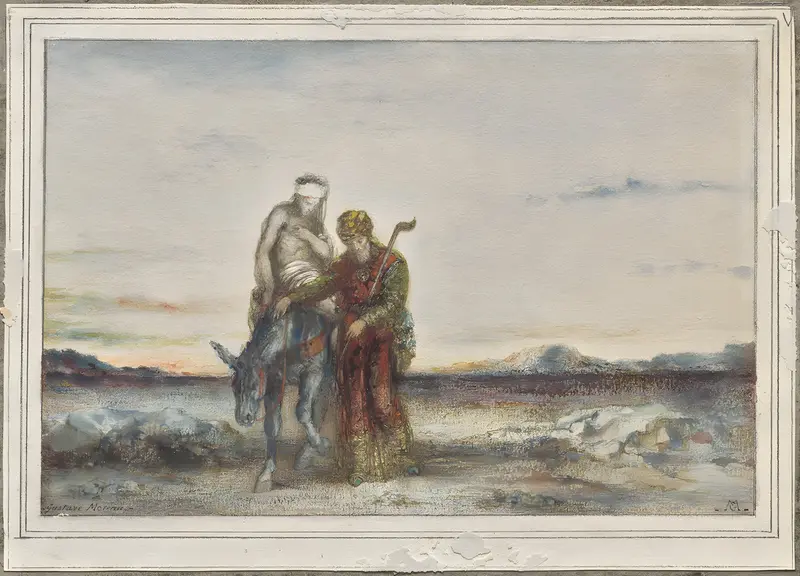
The Good Samaritan
Gustave Moreau
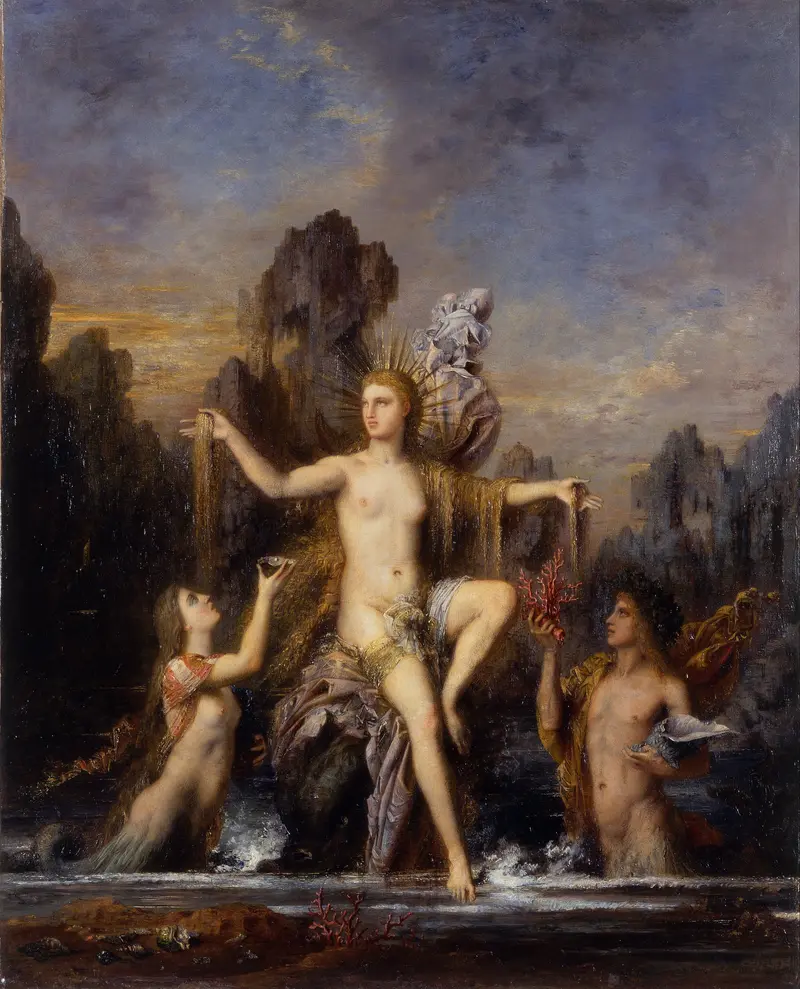
Venus Rising From The Sea
Gustave Moreau
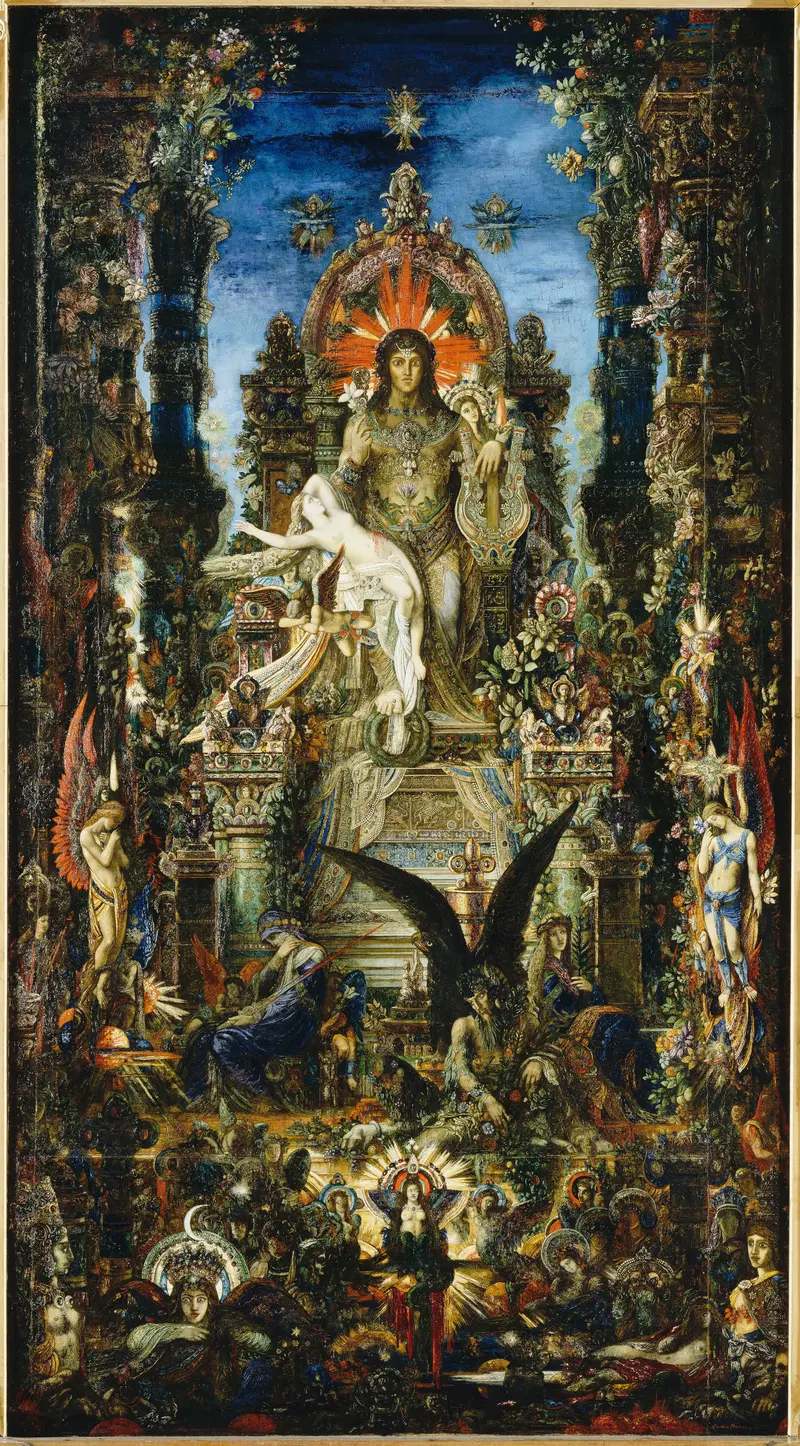
Jupiter and Semele
Gustave Moreau





