
The Good Samaritan — History & Facts
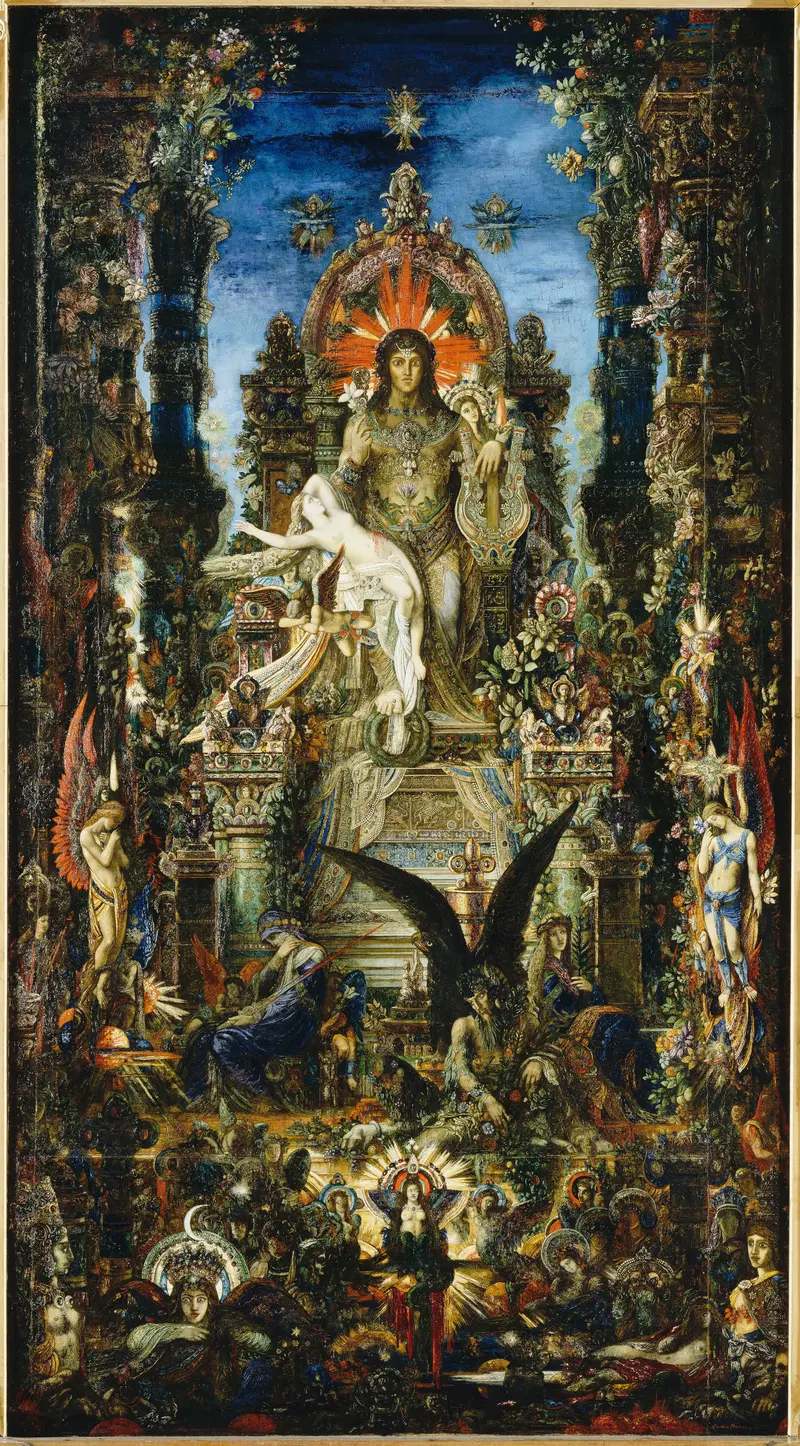
In The Good Samaritan, Gustave Moreau presents a rich tapestry of colors, primarily deep reds and golds that evoke a sense of warmth and compassion. The central figure, the Samaritan, is depicted in flowing robes, leaning over a wounded man who lies on the ground. Surrounding them are lush, almost dreamlike landscapes that enhance the emotional weight of the scene.
The use of light and shadow creates a dramatic effect, emphasizing the act of kindness being performed. The painting is executed in oil on canvas, showcasing Moreau's characteristic attention to detail and intricate patterns. The figures are rendered with a sense of movement, as if they are caught in a moment of genuine interaction. Viewers can observe the delicate brushwork that defines the textures of the clothing and the natural elements surrounding the figures.
The approximate dimensions of the work are 100 x 150 cm, making it a significant piece in terms of scale. Gustave Moreau was a leading figure in the Symbolist movement, known for his dreamlike imagery and complex symbolism. This work, created in the 1890s, reflects his interest in themes of compassion and humanity, drawing from biblical narratives. An interesting fact about The Good Samaritan is that it was inspired by the parable from the Gospel of Luke, emphasizing the importance of helping those in need.
Moreau's unique style combines elements of Romanticism and Symbolism, making this piece a notable example of his artistic vision.
More Artworks by Gustave Moreau
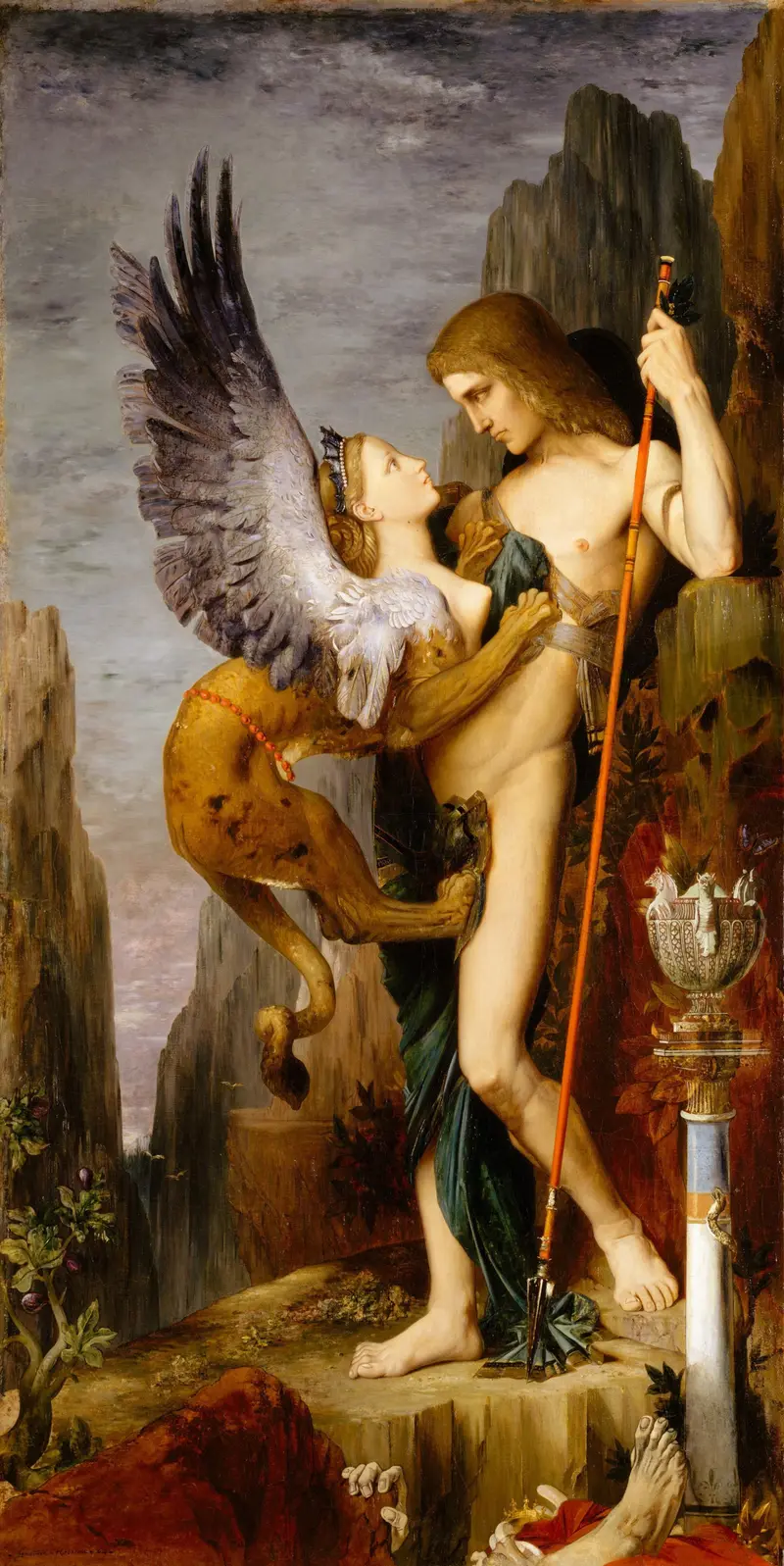
Oedipus and the Sphinx
Gustave Moreau
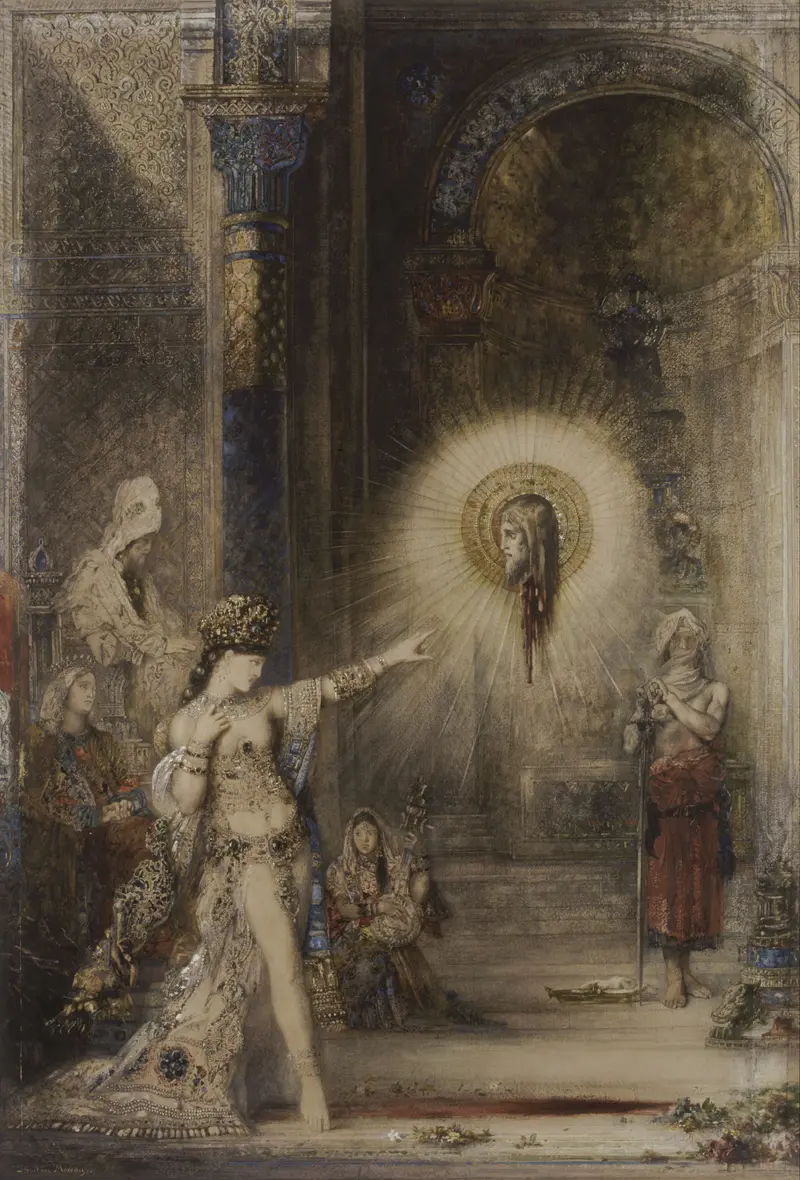
The Apparition
Gustave Moreau

The Apparition
Gustave Moreau
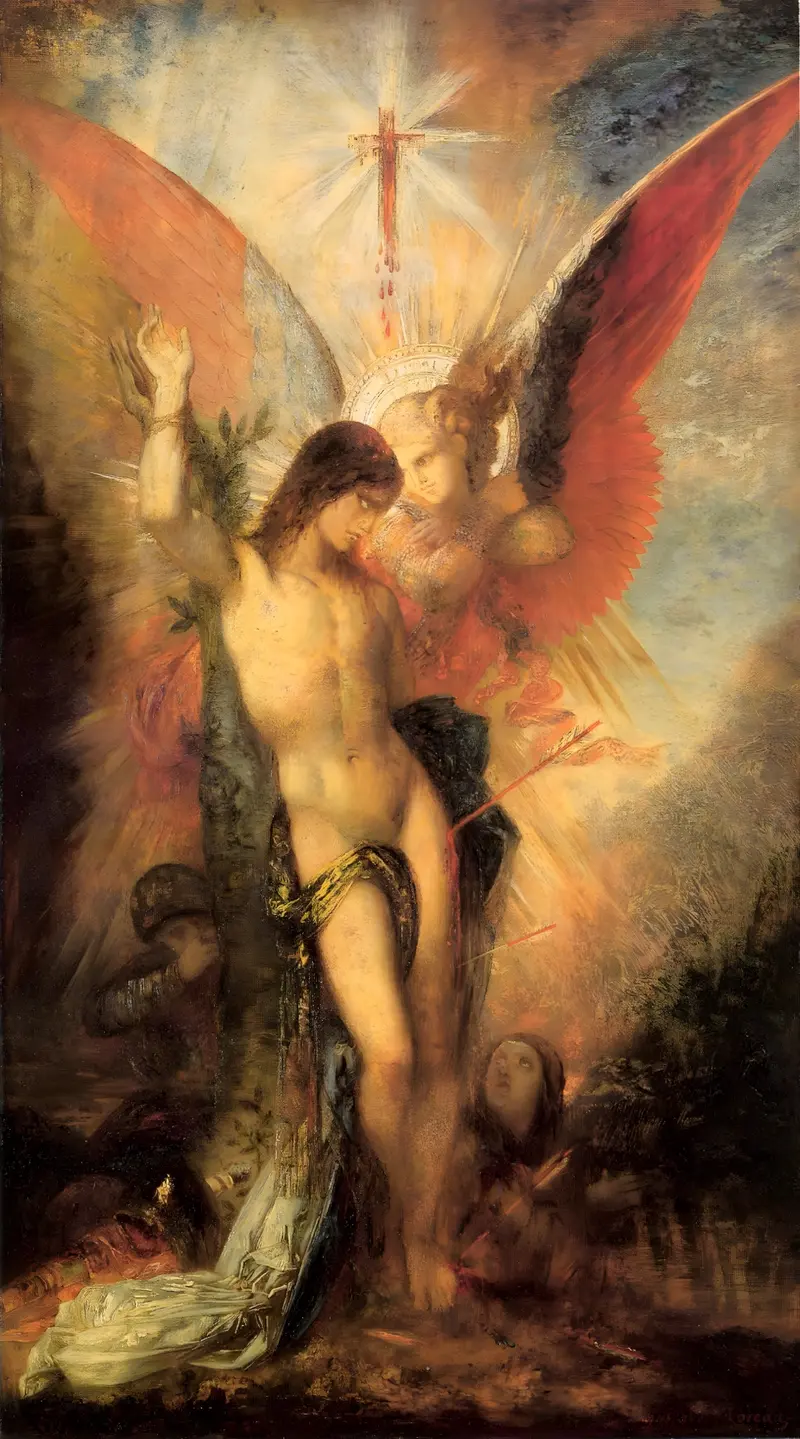
Saint Sebastian and the Angel
Gustave Moreau
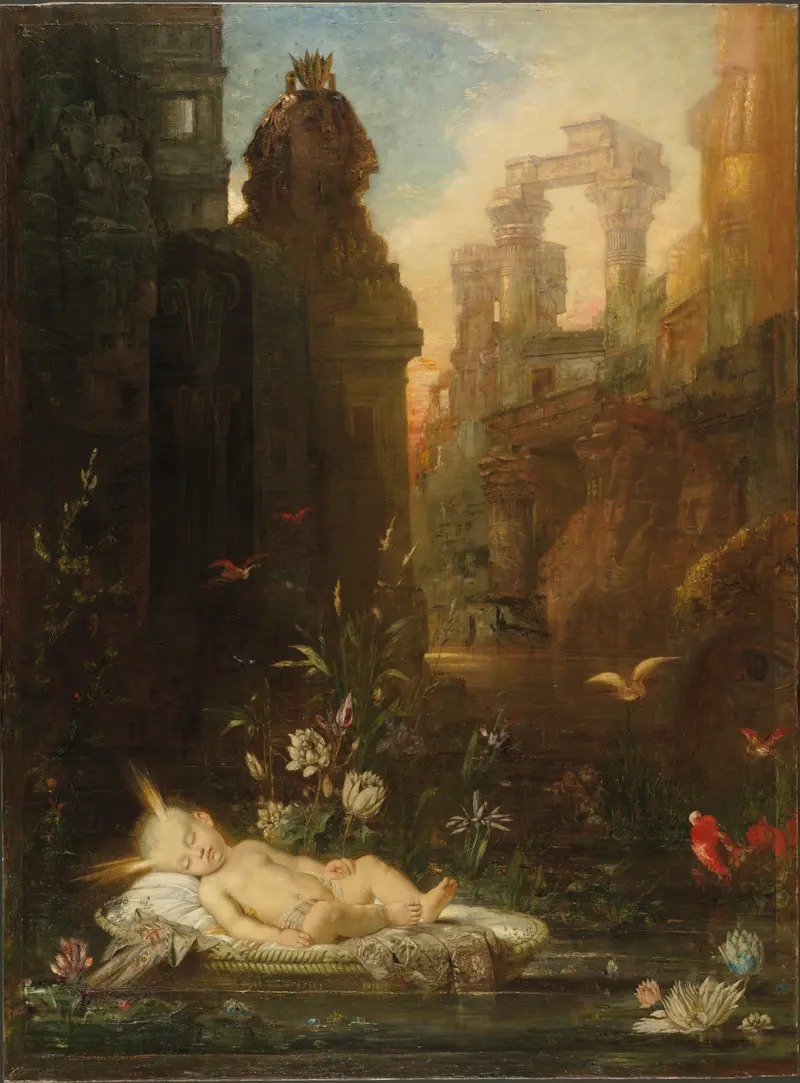
The Infant Moses
Gustave Moreau
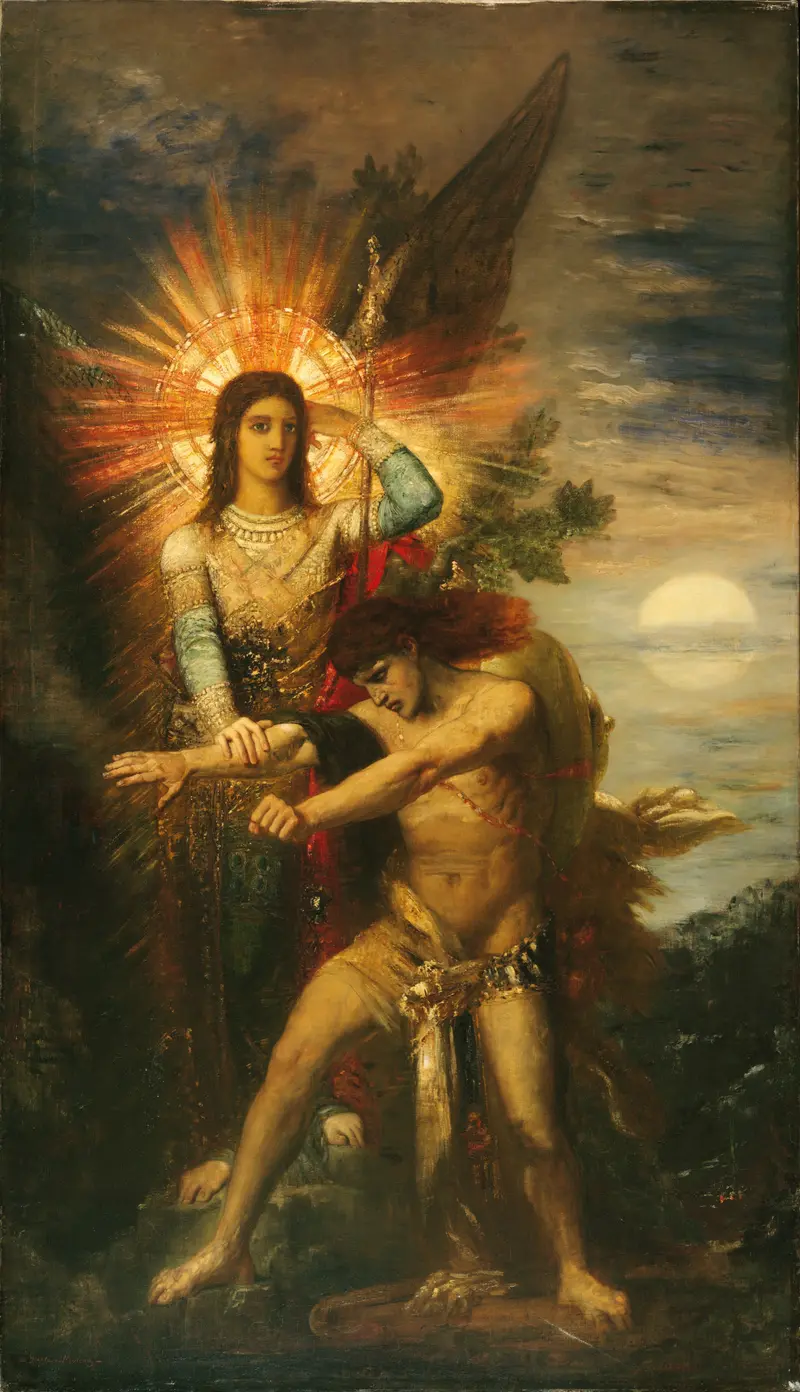
Jacob and the Angel
Gustave Moreau
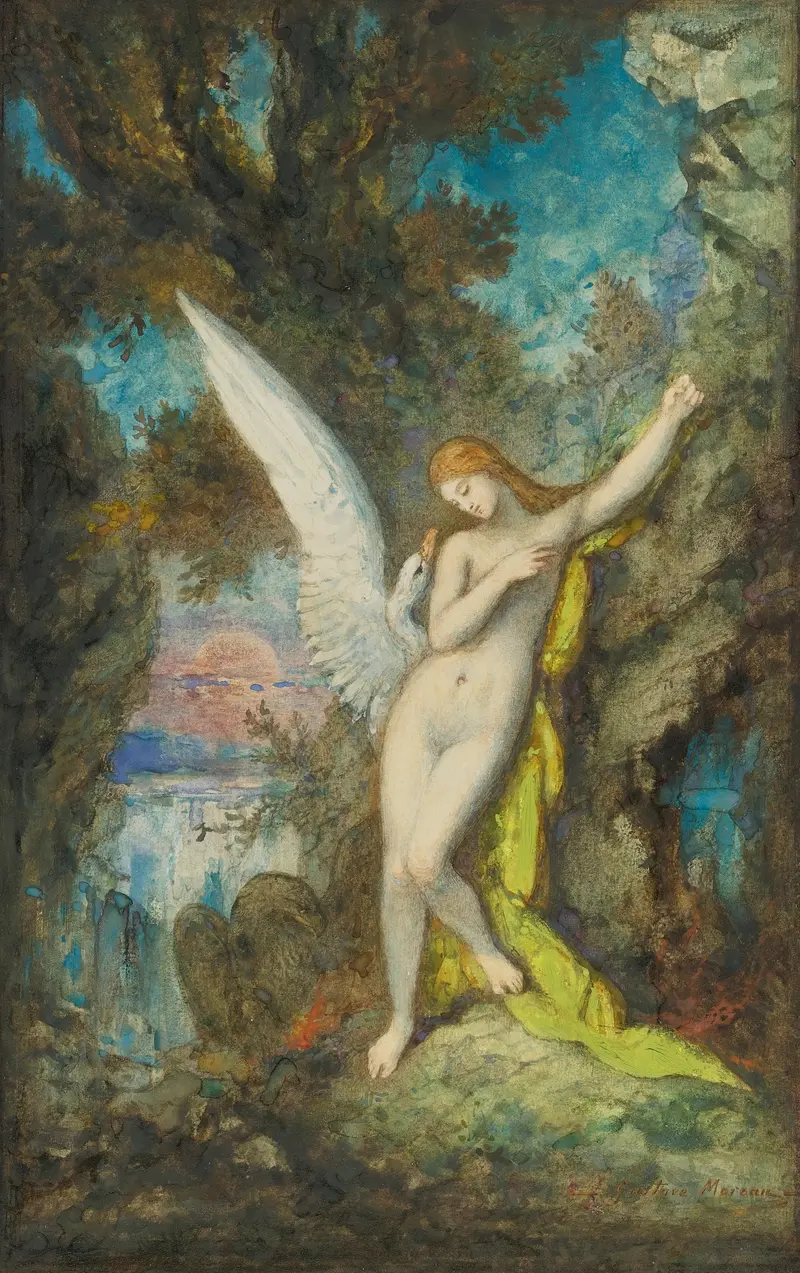
Leda Et Le Cygne
Gustave Moreau
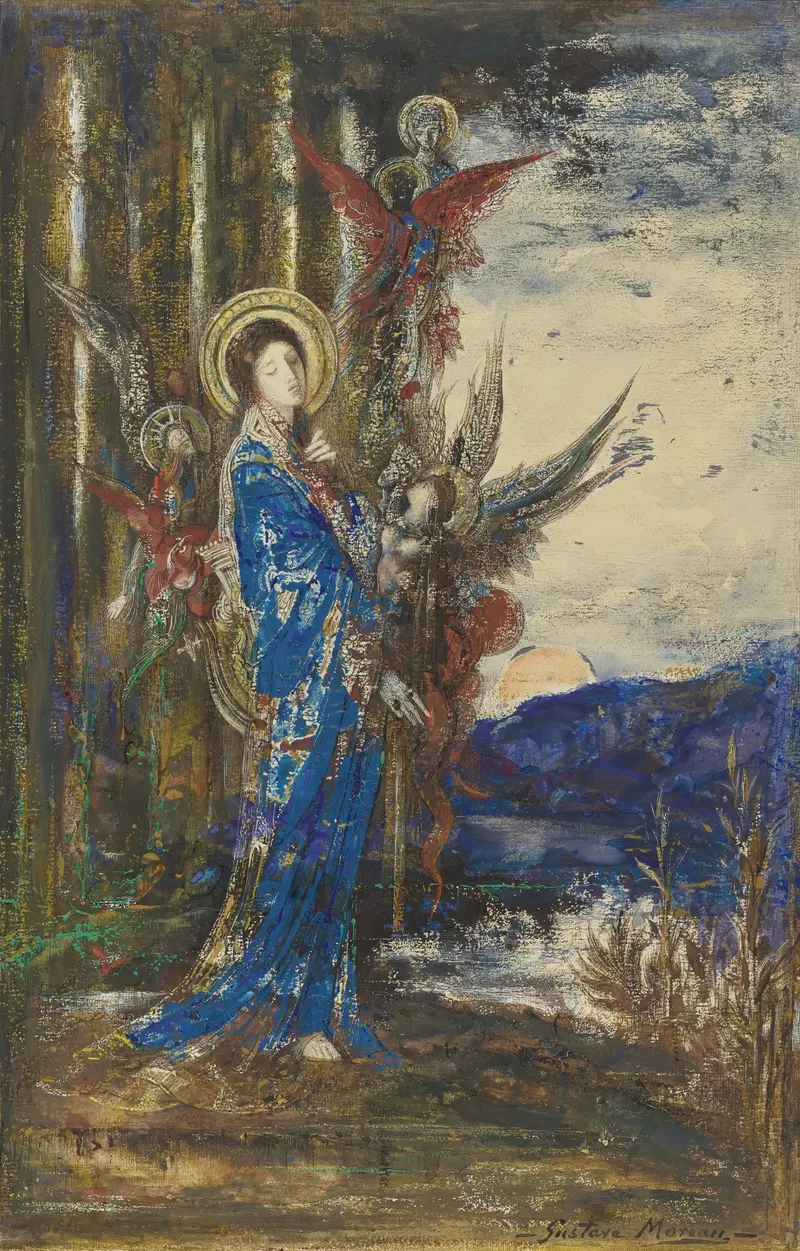
Les Épreuves
Gustave Moreau
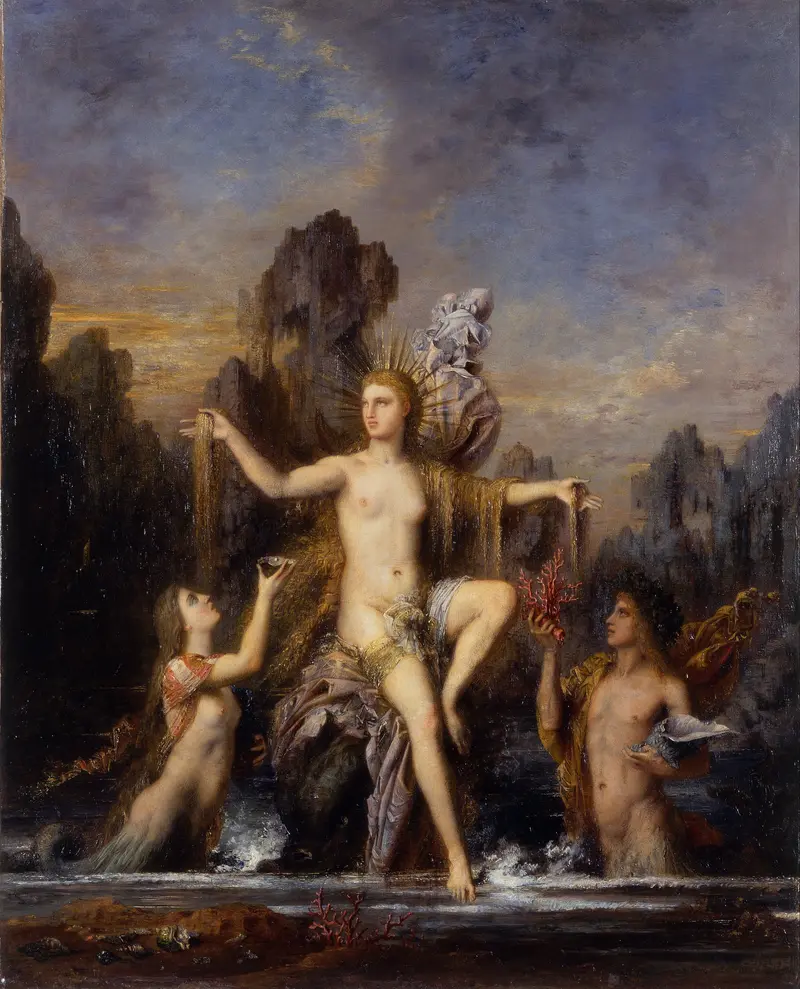
Venus Rising From The Sea
Gustave Moreau
Jupiter and Semele
Gustave Moreau





