
Salomo bidt om wijsheid — History & Facts
In the stillness of Salomo bidt om wijsheid, we are drawn into a moment of profound introspection, a yearning for wisdom that resonates through the ages. Each brushstroke captures a palpable nostalgia, inviting us to reflect on the complexities of knowledge and the weight of decision-making. Focus on the figure of Solomon at the center, cloaked in rich, deep hues that evoke both majesty and vulnerability. Notice how the light delicately illuminates his contemplative expression, casting shadows that hint at the burdens he carries.
Surrounding him, a tapestry of characters and symbols weaves a narrative of divine intervention and human desire, inviting us to explore the emotional landscape of this pivotal moment. Delve deeper into the subtle contrasts — the tension between the lavishness of Solomon's attire and the earnestness of his plea for wisdom. The facial expressions of the onlookers reveal a spectrum of hope, doubt, and reverence, reflecting the universal quest for understanding. Each element in the composition serves as a reminder of the weighty responsibilities that accompany great power, ultimately urging us to ponder the true nature of wisdom itself. Created in 1538, this work came at a time of great transformation in art and society.
Holbein, already well-established in his craft, painted this piece in Basel, where the Renaissance was flourishing, shaping both visual art and philosophy. The period was marked by an awakening to human potential and a deepening exploration of moral and ethical dilemmas — themes that this artwork powerfully encapsulates.
More Artworks by Hans Holbein (II)
Browse all →
Portret van Erasmus
Hans Holbein (II)
Priester en de Dood
Hans Holbein (II)
Rechter en de Dood
Hans Holbein (II)
Kind en de Dood
Hans Holbein (II)
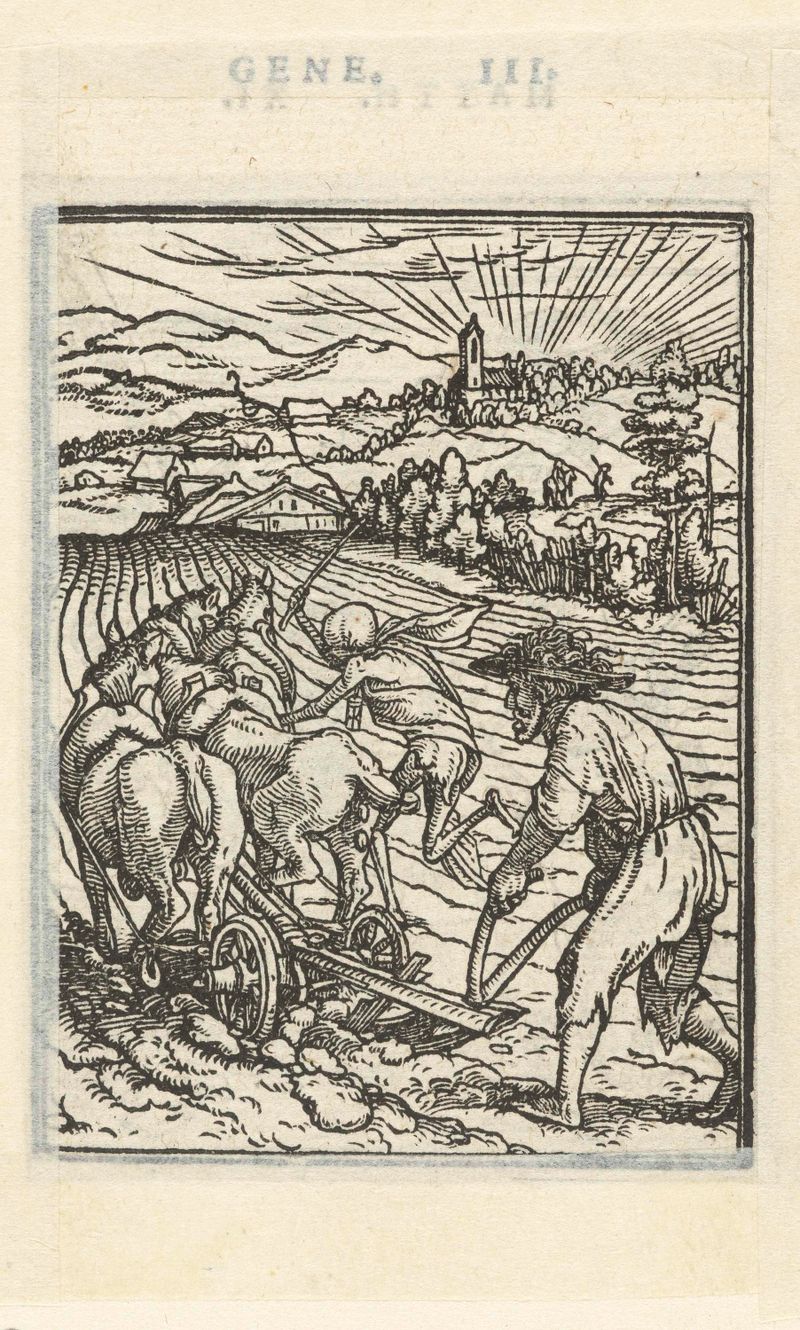
Boer en de Dood
Hans Holbein (II)
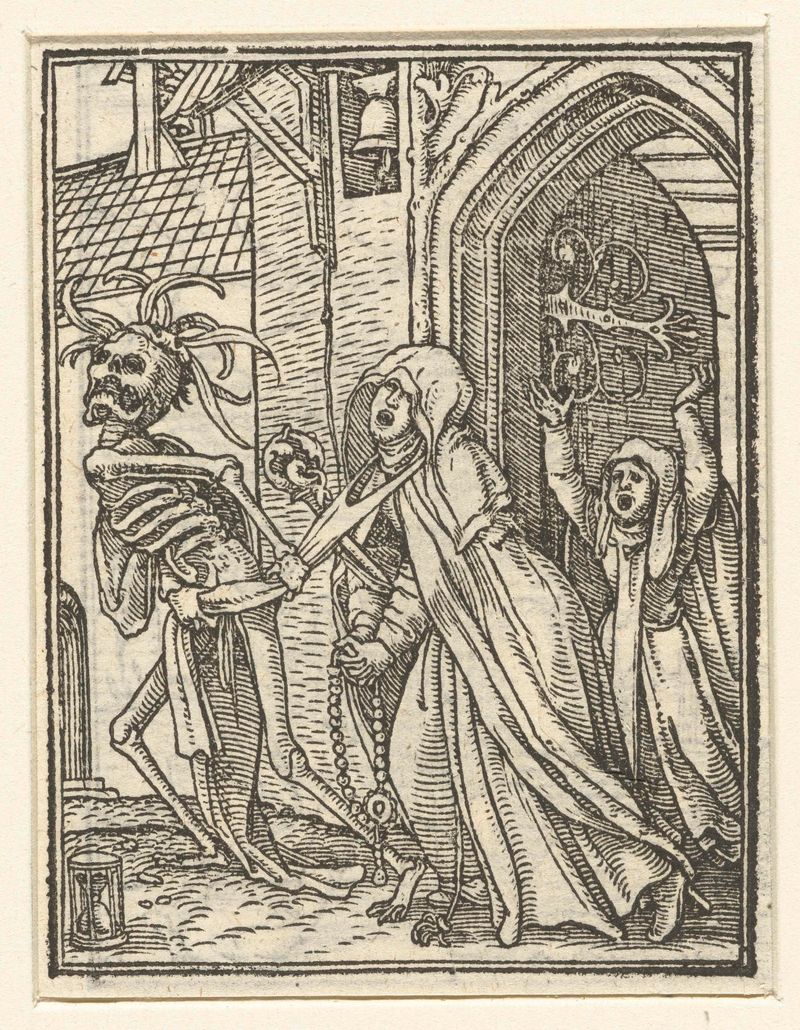
Abdis en de Dood
Hans Holbein (II)
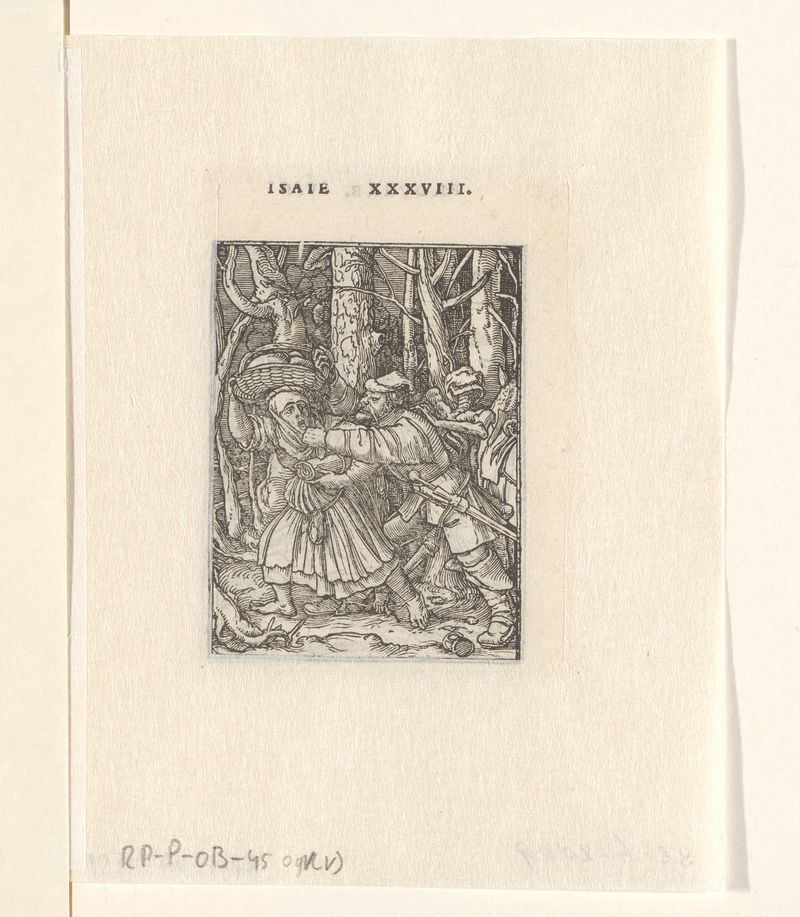
Dief en de Dood
Hans Holbein (II)
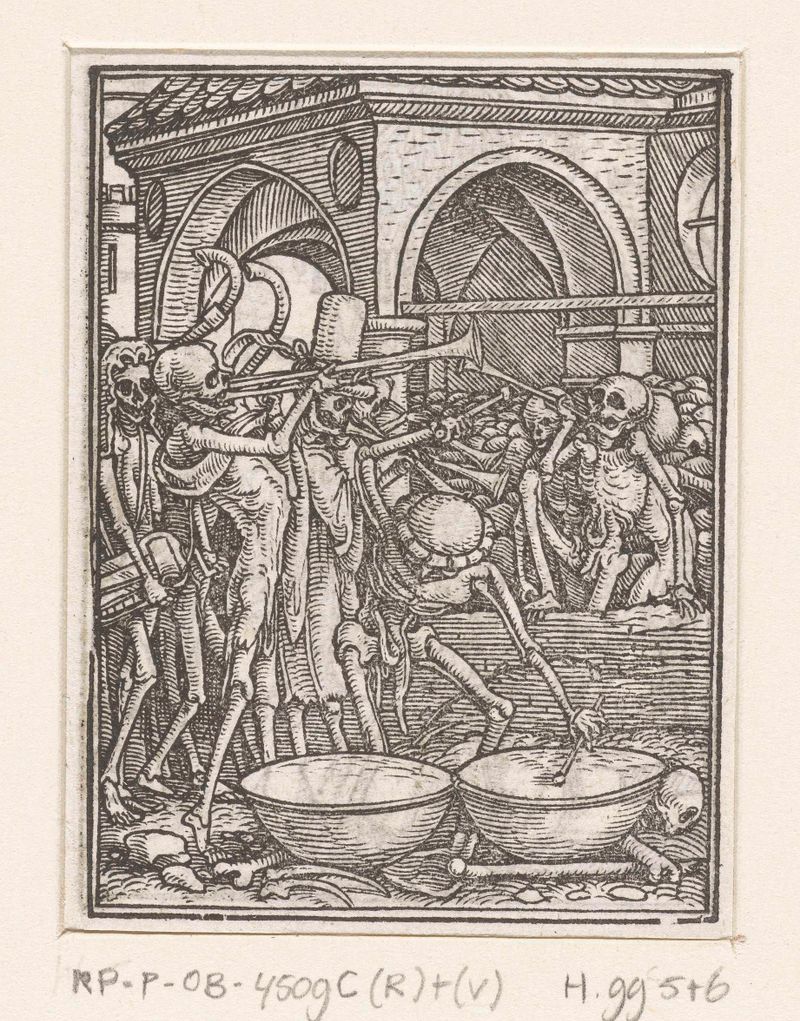
Skeletons Making Music from Dance of the Dead
Hans Holbein (II)
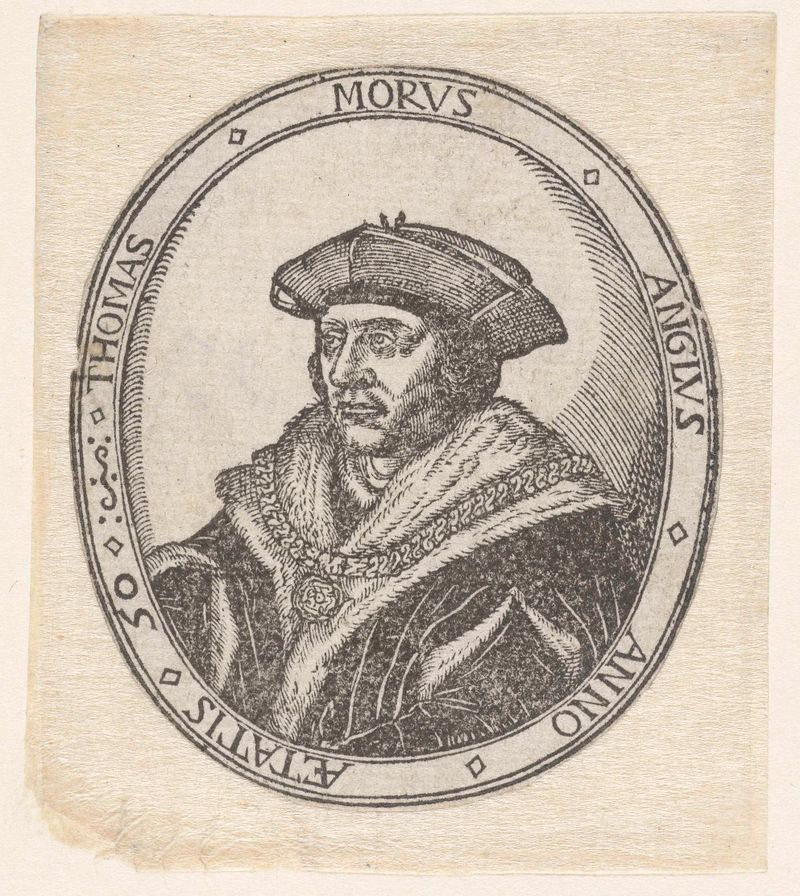
Portret van Thomas More
Hans Holbein (II)
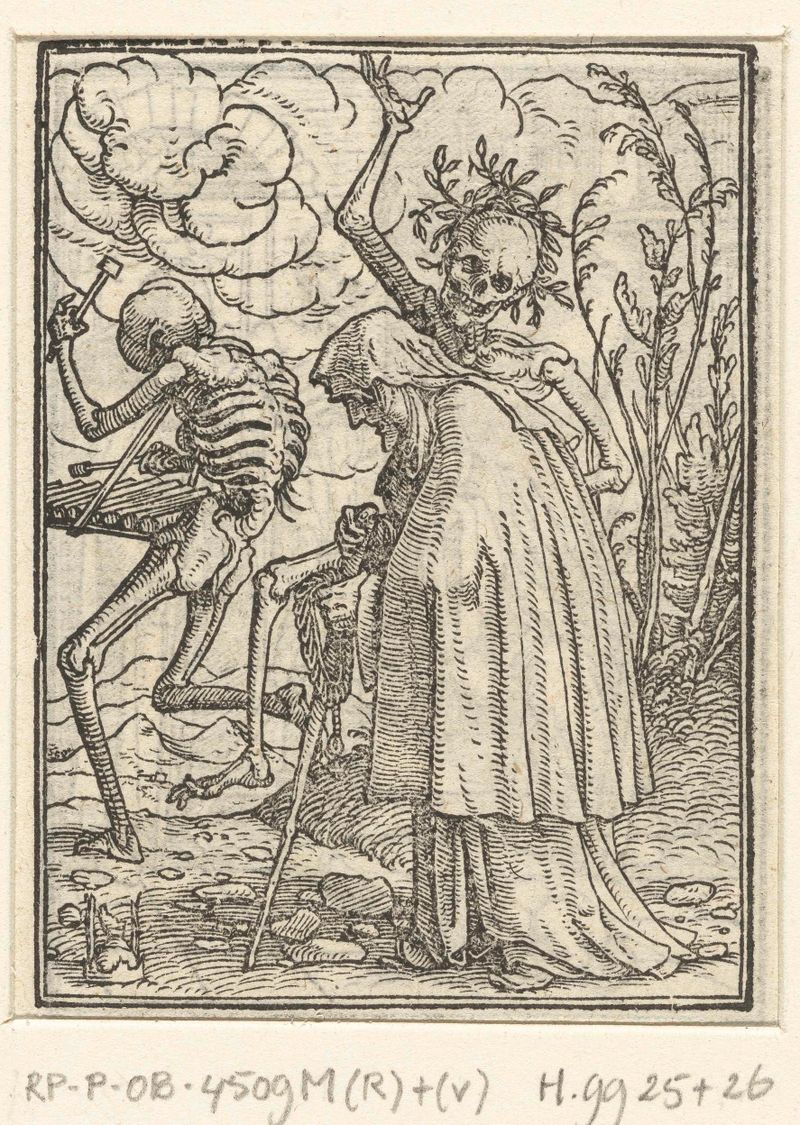
Oude vrouw en de Dood
Hans Holbein (II)
More Religious Art
Browse all →
The Return of the Prodigal Son
Rembrandt van Rijn

The Garden of Earthly Delights
El Bosco

Count Orgaz’ funeral
El Greco

The Hundred Guilder Print: the central piece with Christ preaching, the plate arched
Rembrandt van Rijn

The Descent from the Cross
Rogier van der Weyden

The return of the prodigal son
Rembrandt van Rijn