
Salomo zegent het volk in de tempel — History & Facts
In the quiet grandeur of Salomo zegent het volk in de tempel, innocence takes center stage amidst the weighty tapestry of history. This moment captured is a testament to both reverence and the fleeting nature of purity, as it invites viewers to contemplate the fragility of human ideals under the relentless march of time. Focus your gaze on the solemn figure of Solomon, whose raised hands emanate authority and serenity. Notice how the warm, golden light spills from the temple's architectural elements, illuminating the faces of the assembled crowd.
The careful arrangement of figures, combined with the intricate details of garments, suggests a hierarchy of emotion — from awe to hope, as they turn towards their king. The palette of earthy tones blends harmoniously with rich gold, enveloping the scene in a sacred aura that enhances its spiritual significance. Beneath the surface, hidden meanings emerge from the contrasts within the composition. The tension between the opulence of the temple and the simplicity of the people's expressions reveals the duality of power: the king's divine right versus the humble longing of his subjects.
Each face, a study of innocence, captures the myriad emotions of faith and expectation, suggesting that true leadership lies in compassion rather than dominance. The artwork serves as a reminder of the delicate balance between authority and empathy. Hans Holbein (II) created this piece in 1538 during his time in the vibrant city of Basel, a period marked by religious turmoil and artistic innovation. As a pivotal figure in the Northern Renaissance, he navigated the complexities of a shifting cultural landscape, merging tradition with emerging humanist ideals.
This work reflects not just the artist’s skill, but also the historical zeitgeist, where the search for innocence amid chaos became a profound quest.
More Artworks by Hans Holbein (II)
Browse all →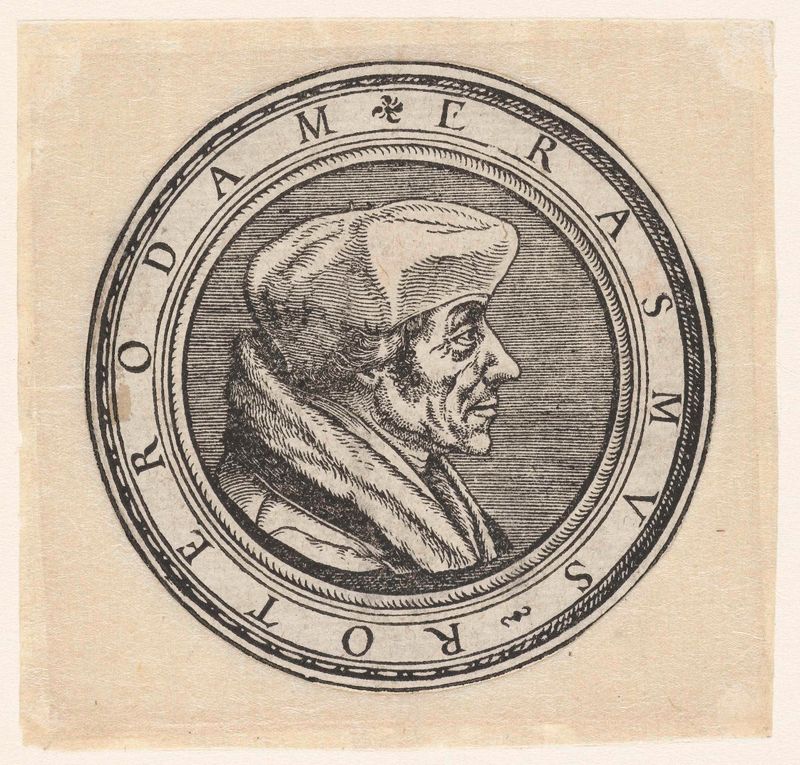
Portret van Erasmus
Hans Holbein (II)
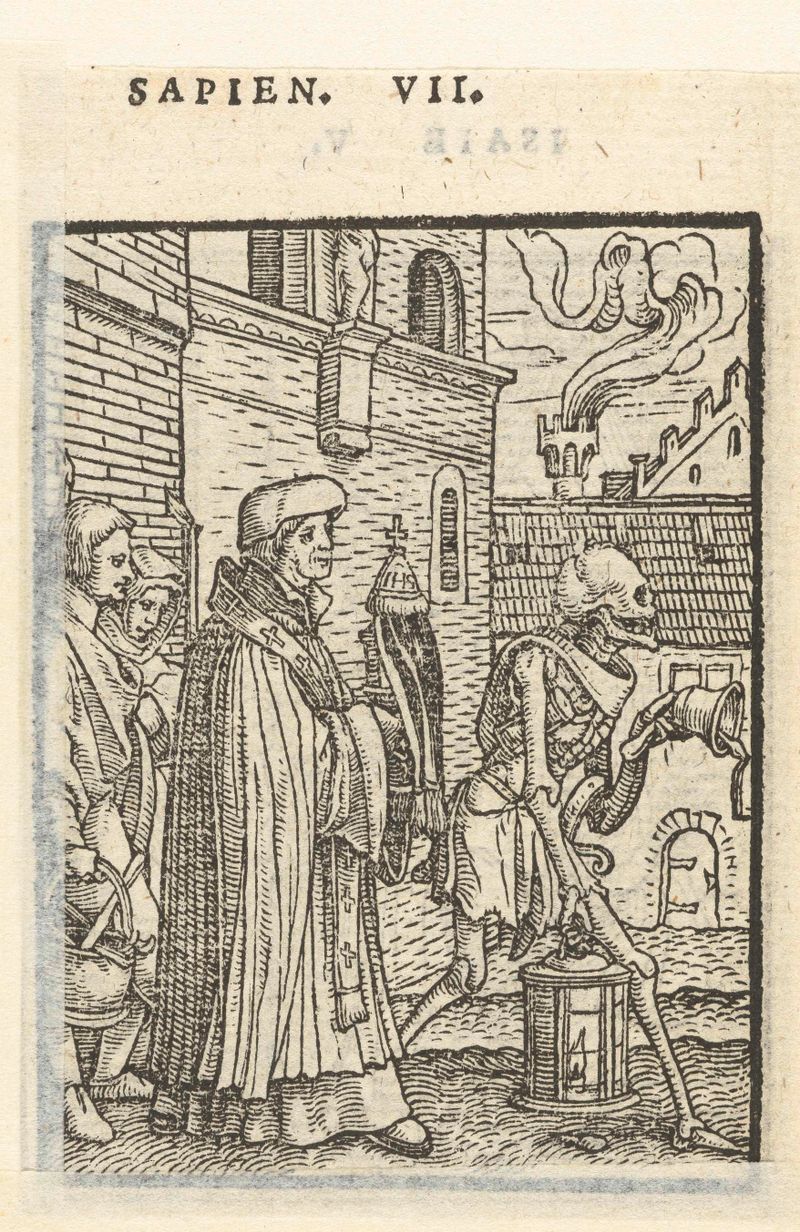
Priester en de Dood
Hans Holbein (II)
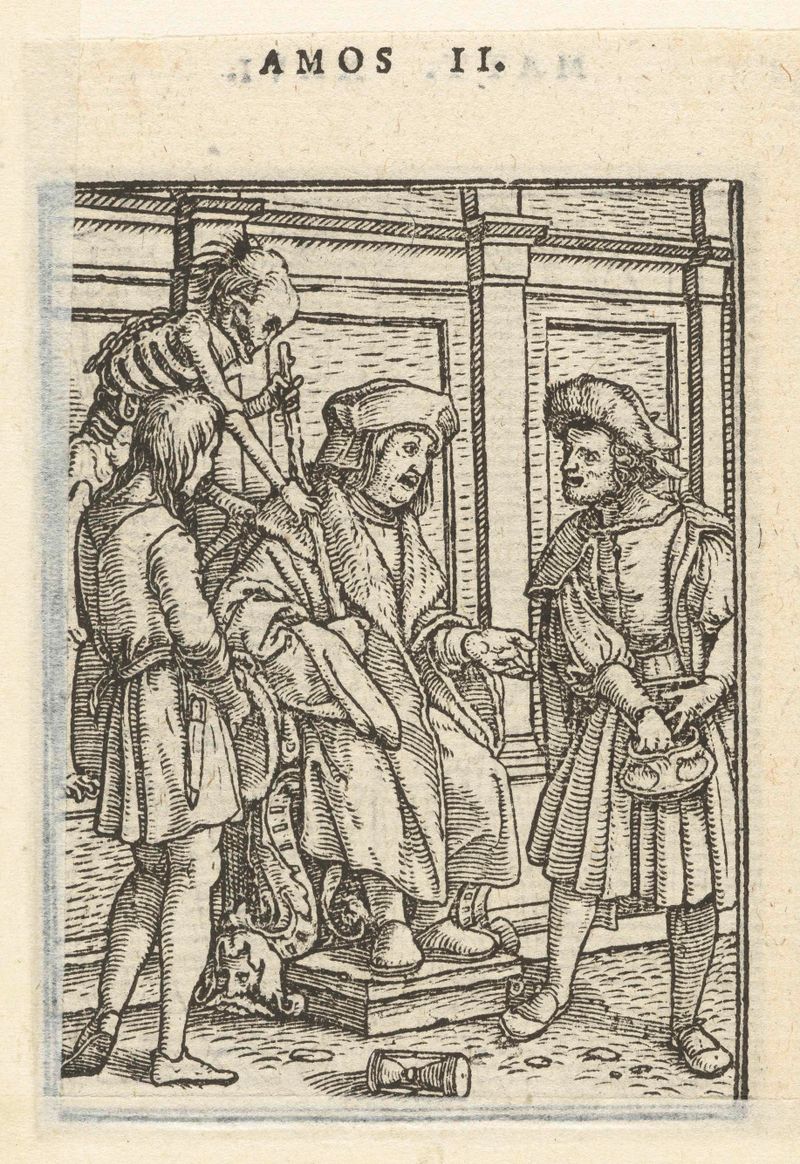
Rechter en de Dood
Hans Holbein (II)
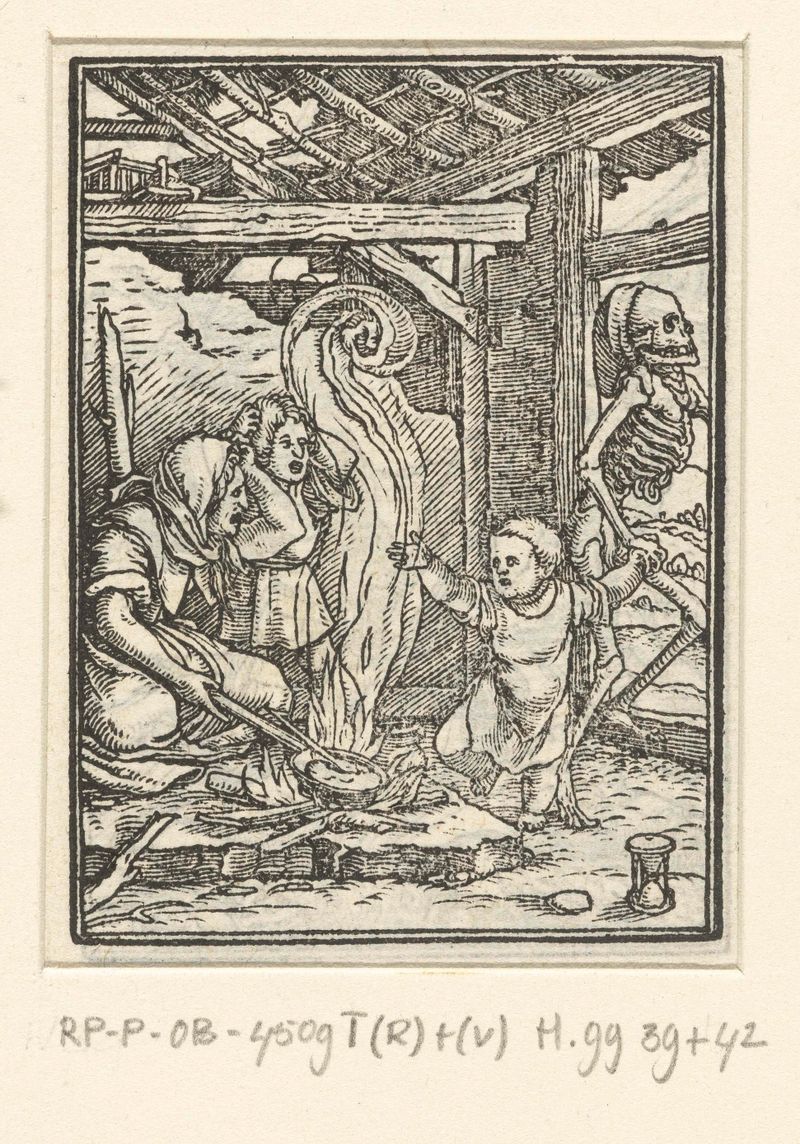
Kind en de Dood
Hans Holbein (II)
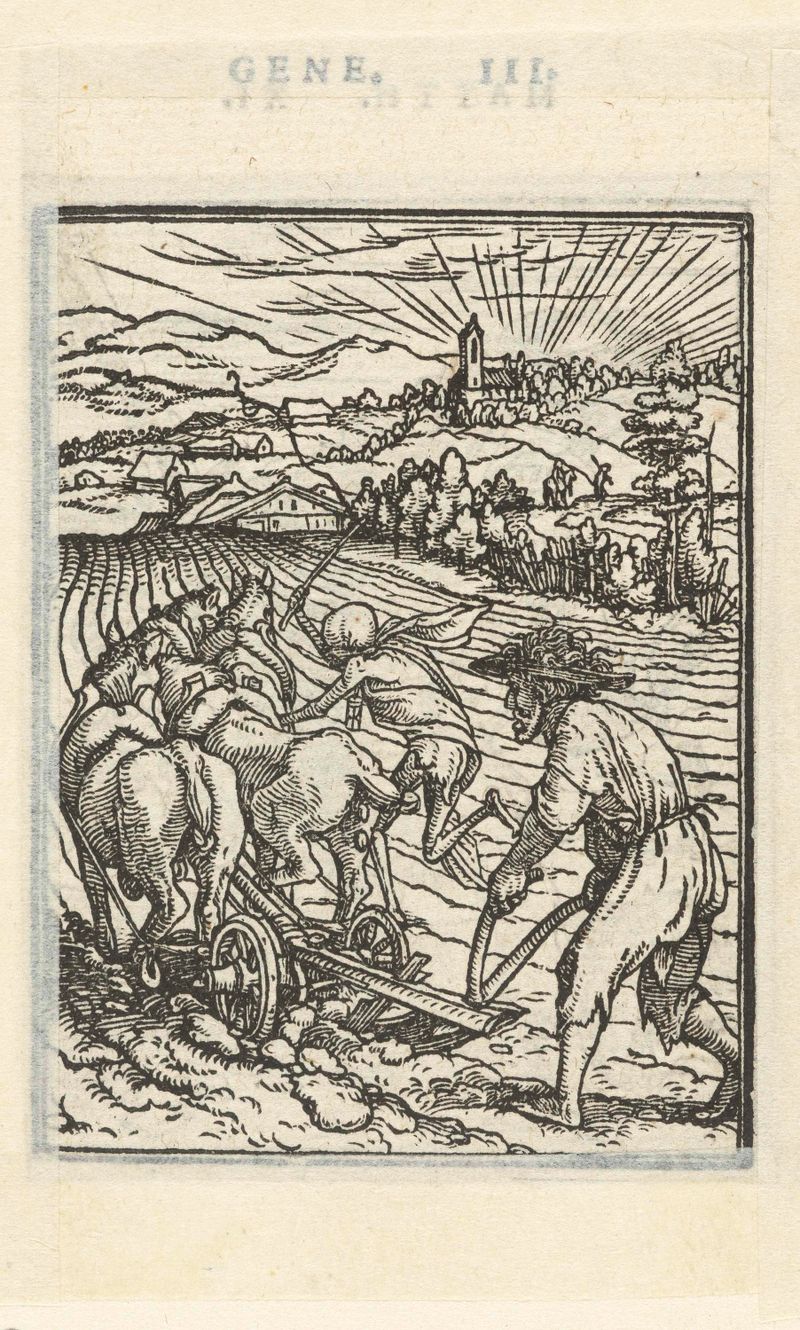
Boer en de Dood
Hans Holbein (II)
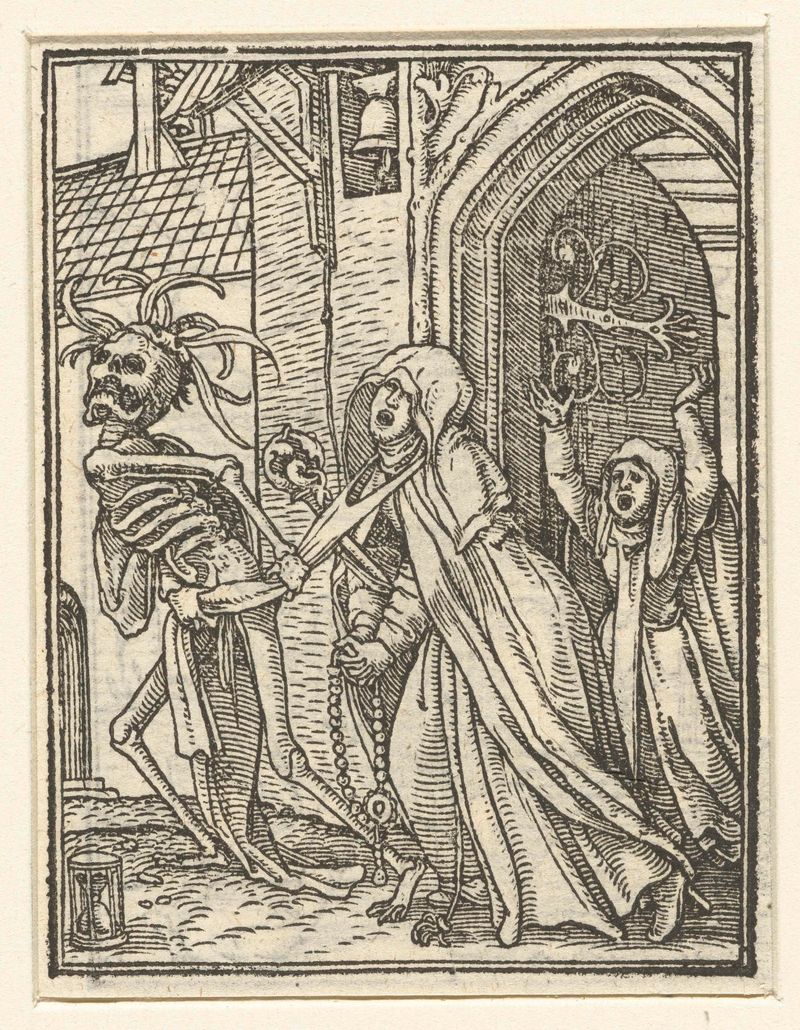
Abdis en de Dood
Hans Holbein (II)
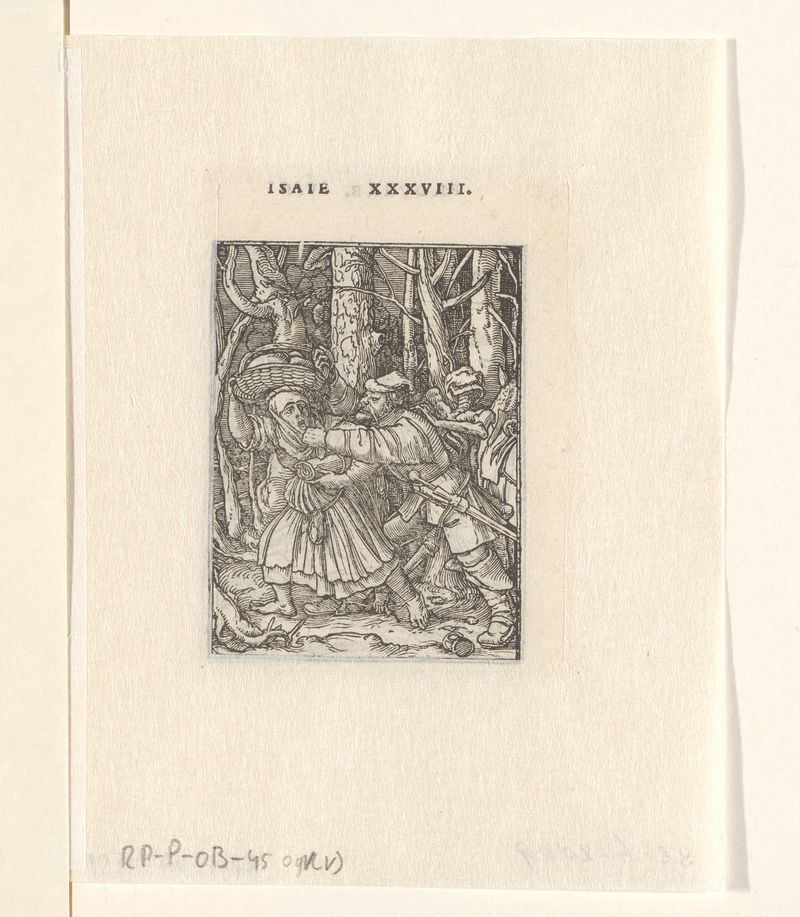
Dief en de Dood
Hans Holbein (II)
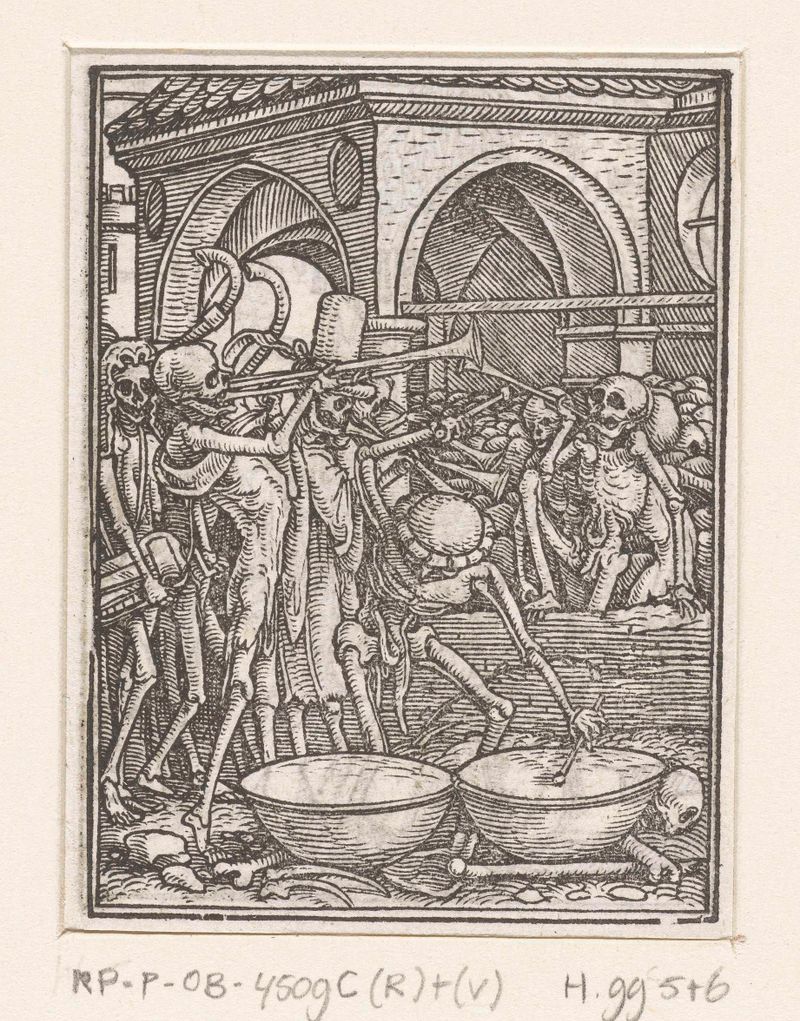
Skeletons Making Music from Dance of the Dead
Hans Holbein (II)
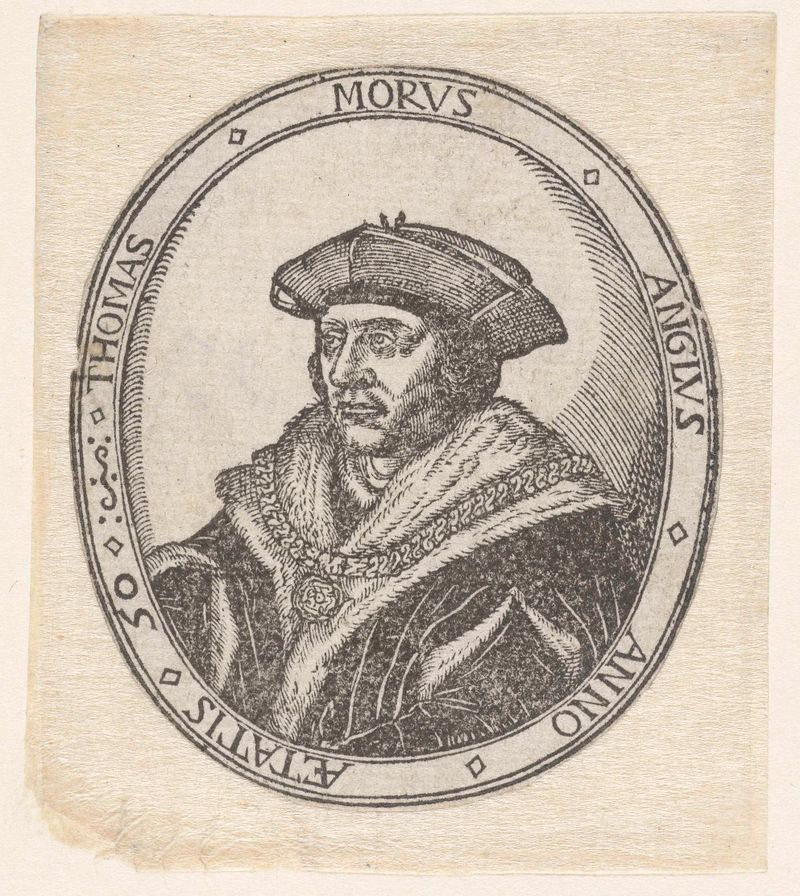
Portret van Thomas More
Hans Holbein (II)
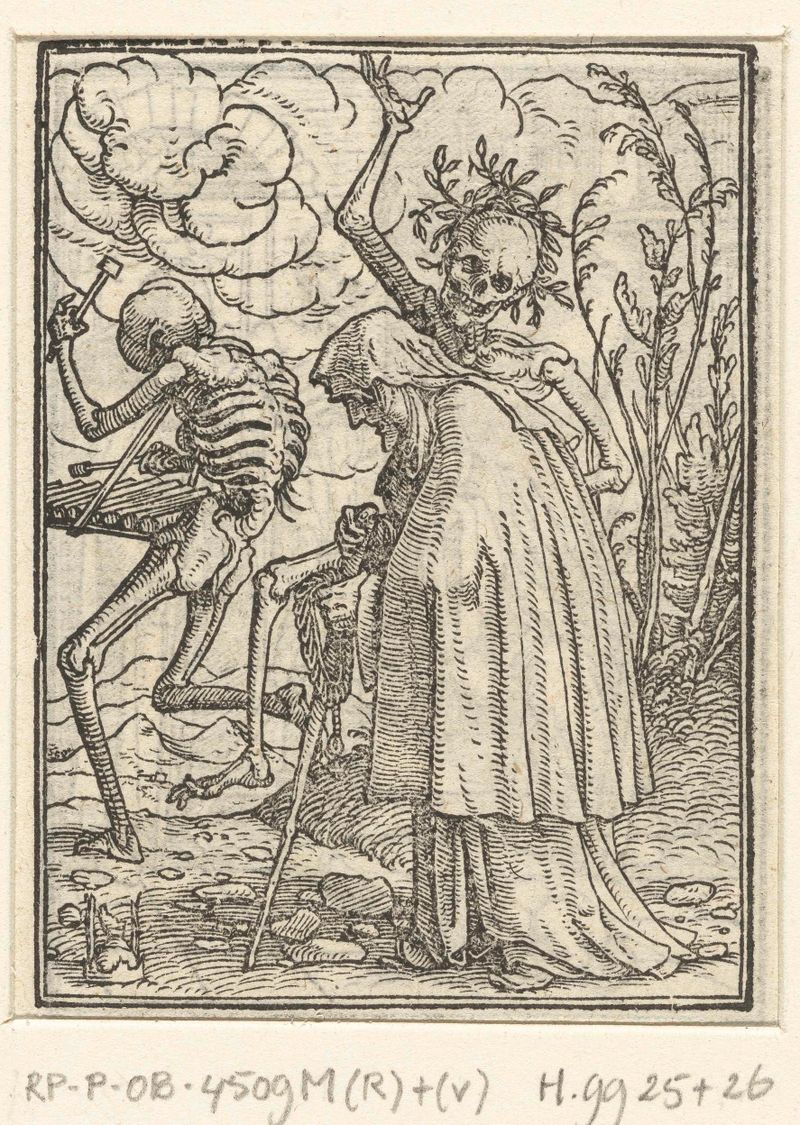
Oude vrouw en de Dood
Hans Holbein (II)
More Religious Art
Browse all →
The Return of the Prodigal Son
Rembrandt van Rijn

The Garden of Earthly Delights
El Bosco

Count Orgaz’ funeral
El Greco

The Hundred Guilder Print: the central piece with Christ preaching, the plate arched
Rembrandt van Rijn

The Descent from the Cross
Rogier van der Weyden

The return of the prodigal son
Rembrandt van Rijn