
Salt Meadow in October — History & Facts
Can paint confess what words never could? In Salt Meadow in October, the artist captures the quiet revolution of nature, where every brushstroke speaks of transformation and the passage of time. Look to the left where the vibrant orange and gold foliage bursts into view, embracing the canvas with warmth. The gentle strokes that define the grasses undulate in soft waves, leading your gaze across the serene water reflecting the clear blue sky. Notice how the light falls upon the horizon, blurring the boundaries between earth and sky, creating a lyrical harmony that invites introspection. Beneath this tranquil surface lies a tension between change and permanence.
The richness of the autumn colors hints at an inevitable decline, a prelude to winter’s stillness. Each element, from the delicate reeds to the expansive sky, reveals a deeper yearning for continuity, as if the landscape itself mourns the fleeting moments of beauty. This juxtaposition encapsulates the bittersweet nature of existence—a reminder that even in decline, there is profound beauty to be found. John Frederick Kensett created this masterpiece in 1872, during a period of great personal and artistic evolution.
As a leading figure in the Hudson River School, he was deeply influenced by the American landscape and its inherent spirituality. This painting, forged in the reflective atmosphere of New England’s autumn, speaks to a moment when the country was poised between its natural beauty and the encroaching changes of modernity.
More Artworks by John Frederick Kensett
Browse all →
White Mountains from Shelburne, NH
John Frederick Kensett

An October Day in the White Mountains
John Frederick Kensett
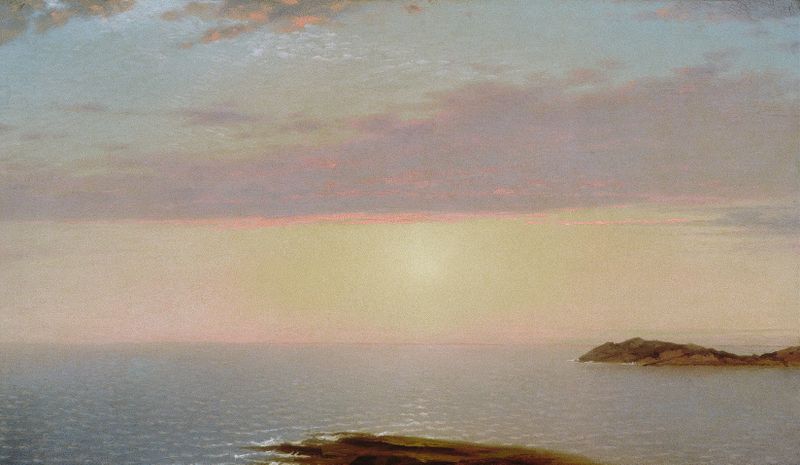
Sunset
John Frederick Kensett
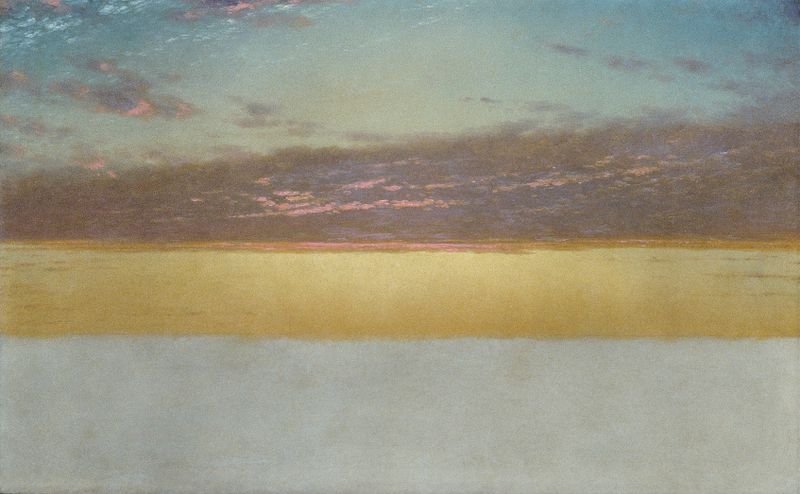
Sunset Sky
John Frederick Kensett
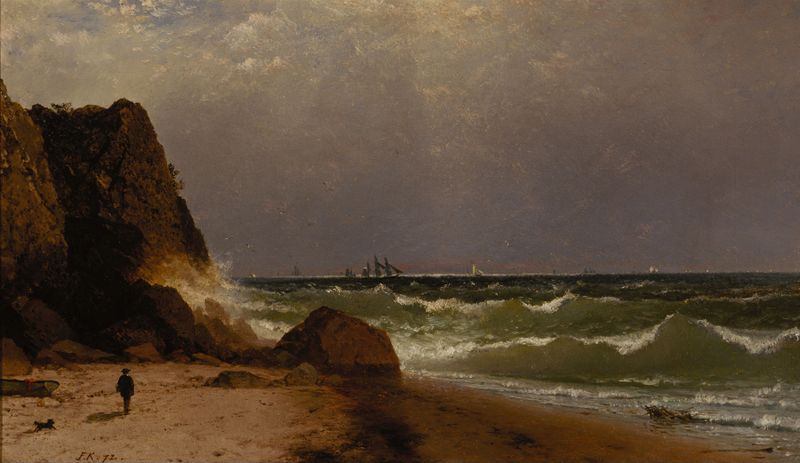
Near Newport, Rhode Island
John Frederick Kensett
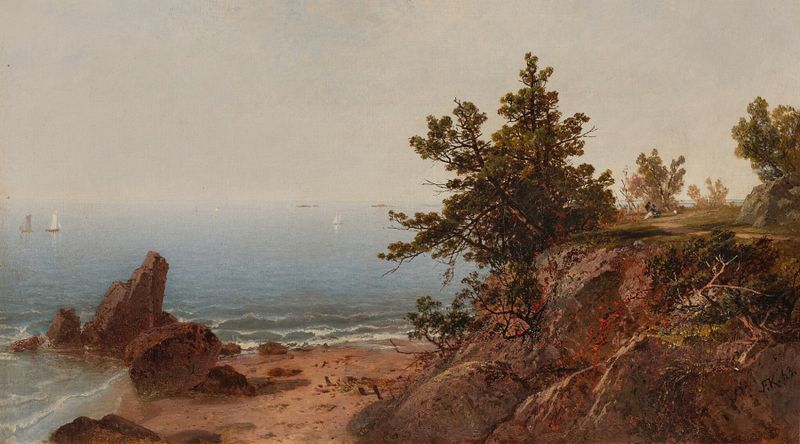
View from the Cliff (Noon on the Seashore)
John Frederick Kensett
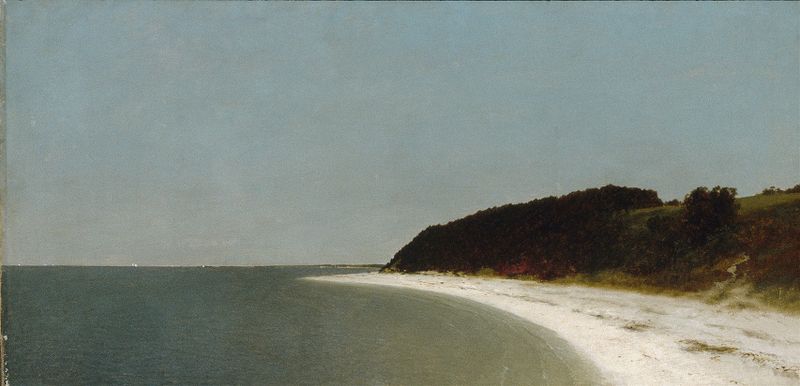
Eaton’s Neck, Long Island
John Frederick Kensett
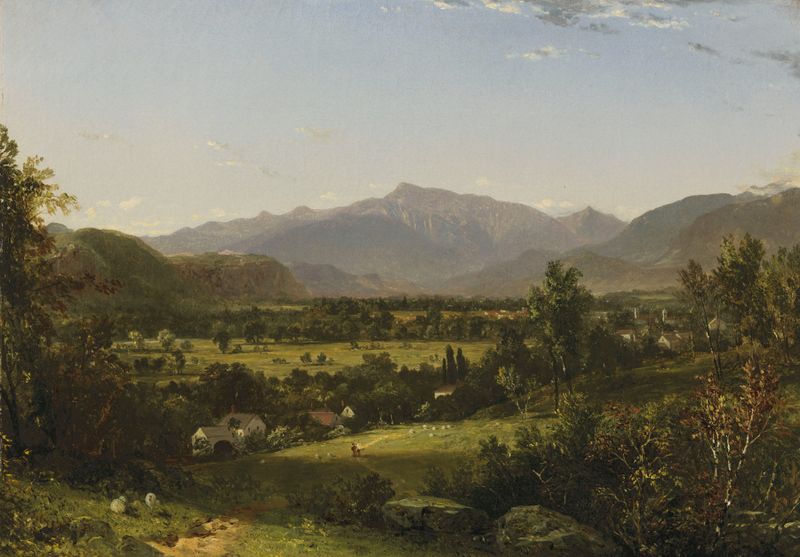
Mount Washington from North Conway
John Frederick Kensett
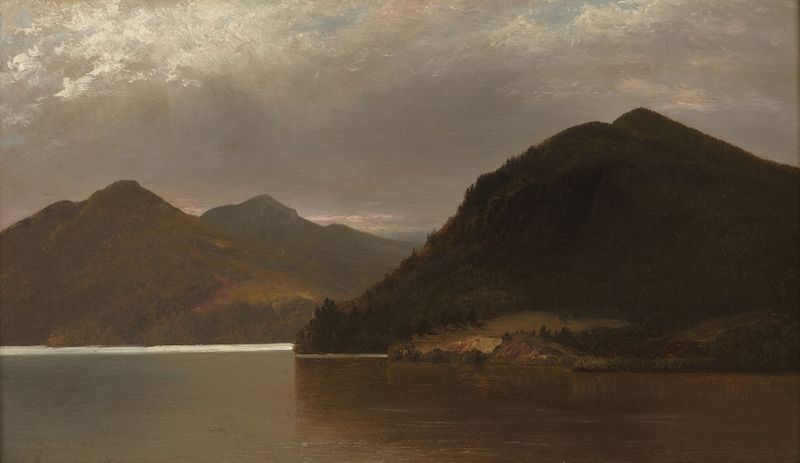
Lake George
John Frederick Kensett
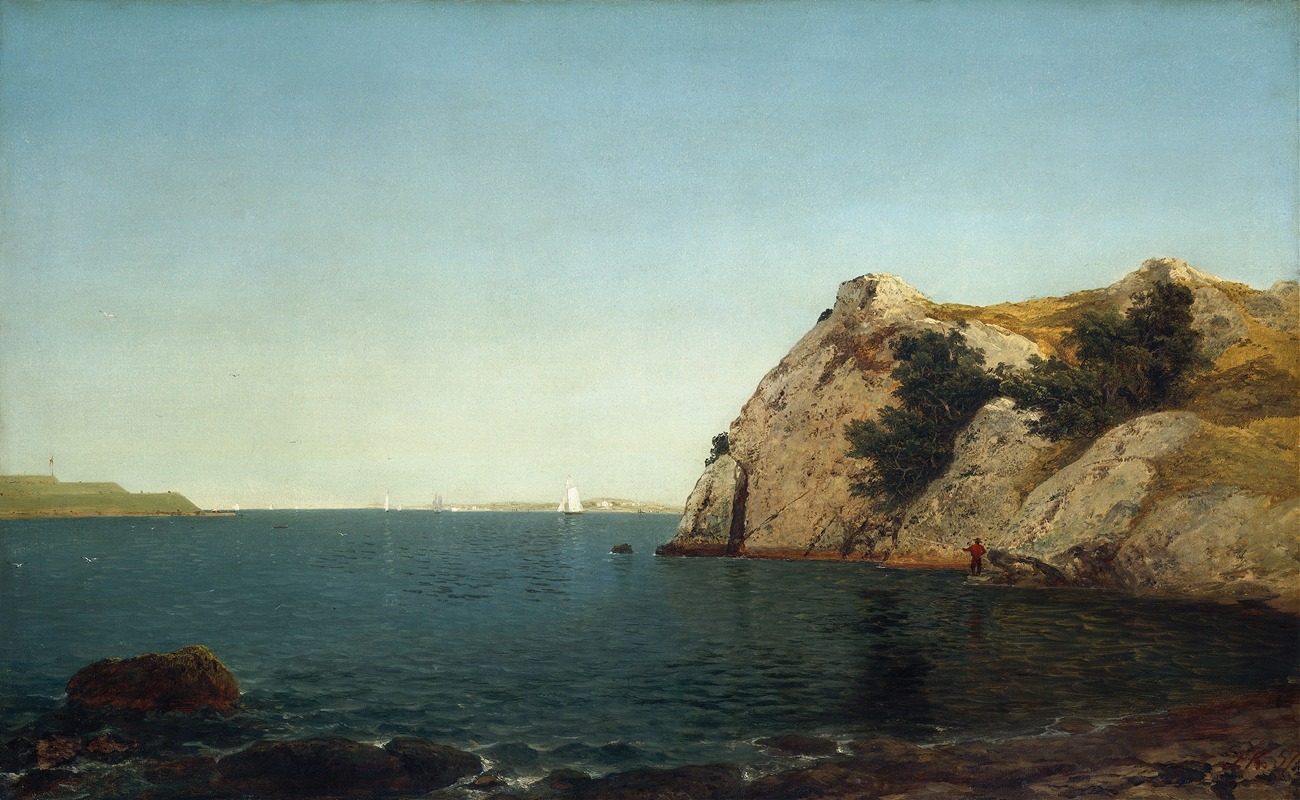
Near Newport
John Frederick Kensett





