
Samota — History & Facts
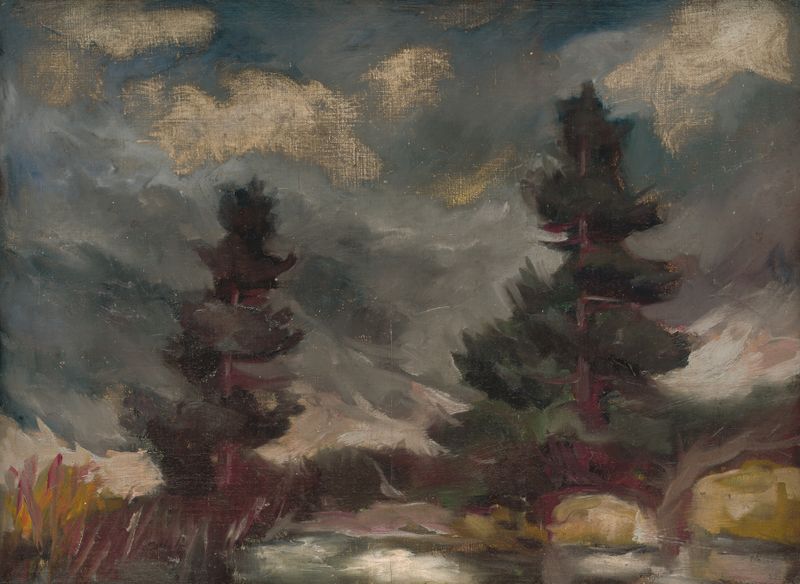
In Samota, an exploration of transformation unfolds, capturing the essence of human emotion amid the relentless march of time. Through art, we are invited to reflect on the delicate interplay between memory and change, a journey that resonates deeply within us. Focus first on the muted palette that envelops the canvas, where soft blues and grays mingle, evoking a sense of solitude and introspection. Notice how these colors converge at the center, drawing your eye to a figure poised on the brink of reflection, its form seemingly dissolving into the surrounding space.
The brushwork is fluid, suggesting movement and suggesting a liminal space between what was and what might be, while shadows dance gently, breathing life into stillness. Delve deeper into the nuances, where the solitude of the figure contrasts starkly with the swirling energy of the background, embodying the tension of transformation. Each stroke appears to capture a moment frozen in time, yet the essence of the figure suggests an ongoing metamorphosis—perhaps a passage from despair to hope. The juxtaposition of light and dark hints at the duality of existence, embracing both the weight of nostalgia and the promise of renewal. During the early 1930s, Zolo Palugyay worked on this piece amidst the turbulent backdrop of interwar Europe, a period marked by profound social and political upheaval.
His experiences in post-World War I Hungary influenced his perspective, resulting in a body of work that speaks to the complexities of human emotion and resilience. Samota stands as a poignant reflection of these times, inviting viewers to connect with their own narratives of change.
More Artworks by Zolo Palugyay
Browse all →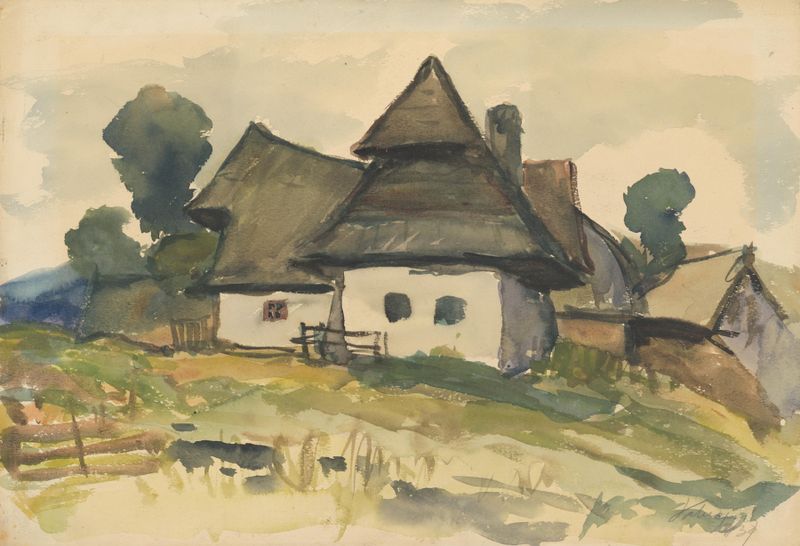
Dedinský motív
Zolo Palugyay
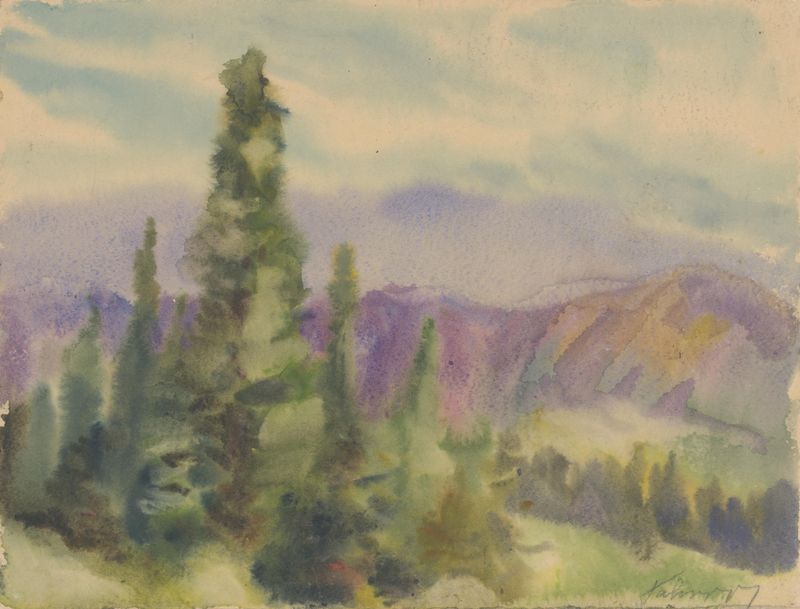
Motif from Liptov Mountains
Zolo Palugyay
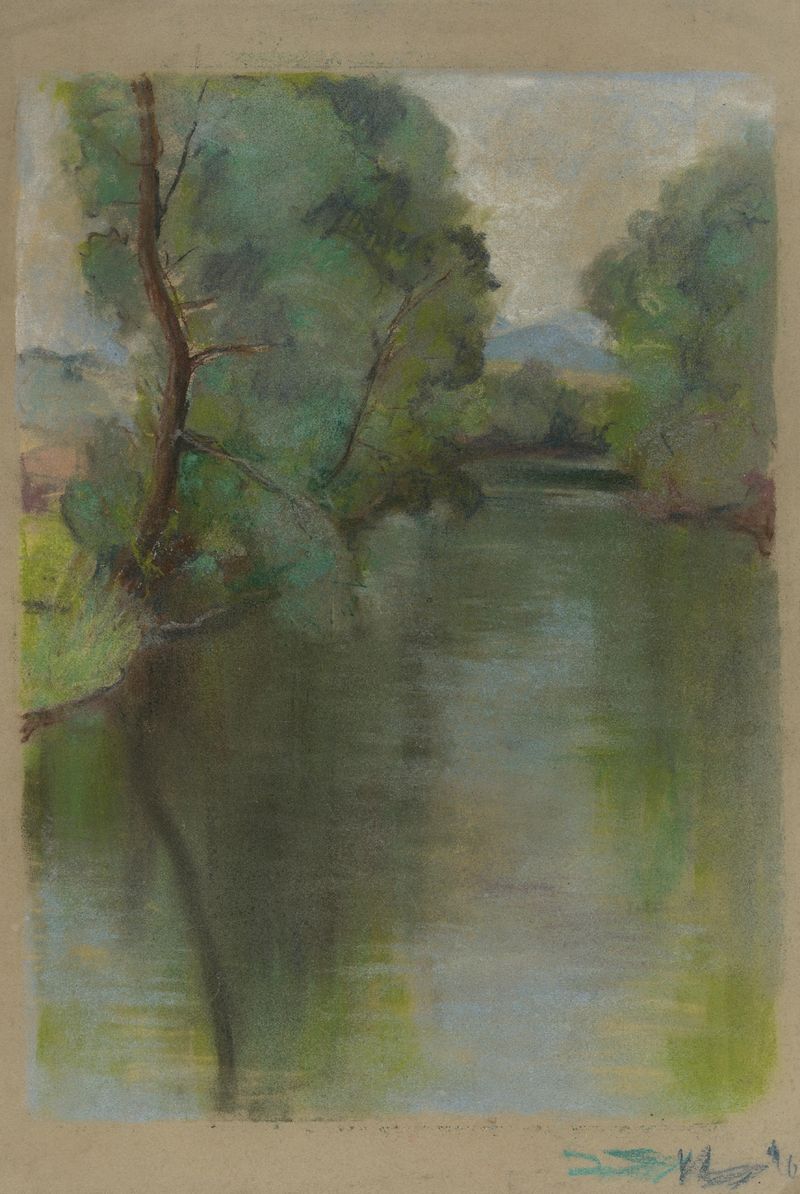
Silent River
Zolo Palugyay
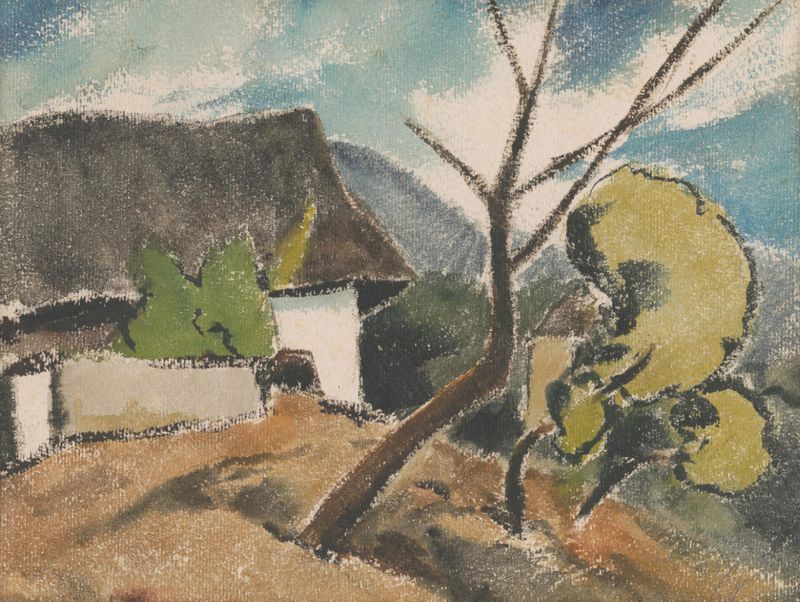
Oravská chalupa
Zolo Palugyay
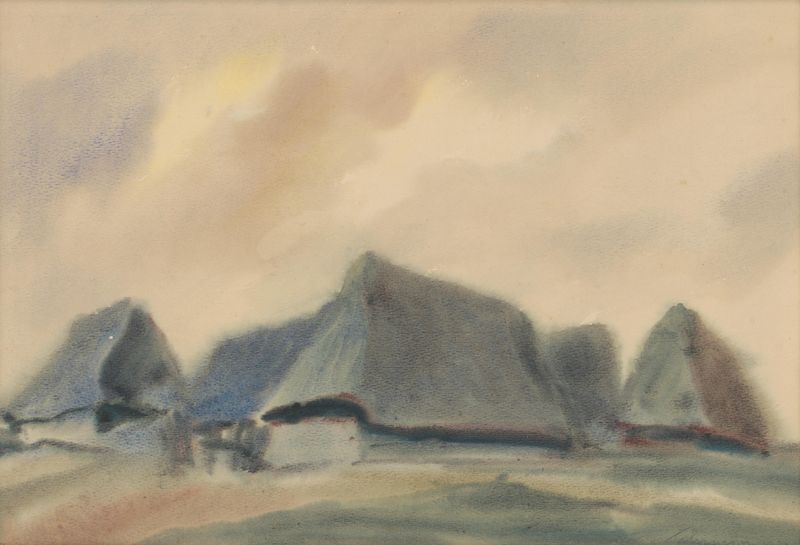
Modré chalupy
Zolo Palugyay
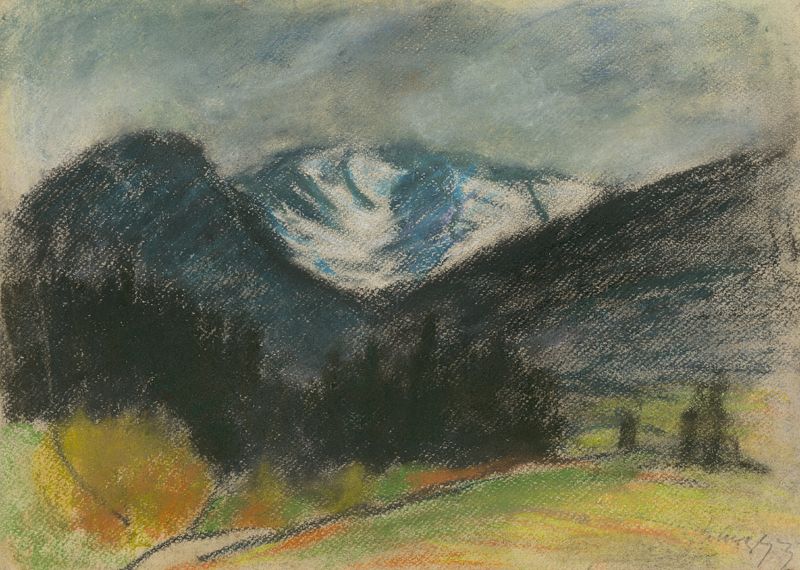
Mountain Landscape with Snowy Peaks
Zolo Palugyay
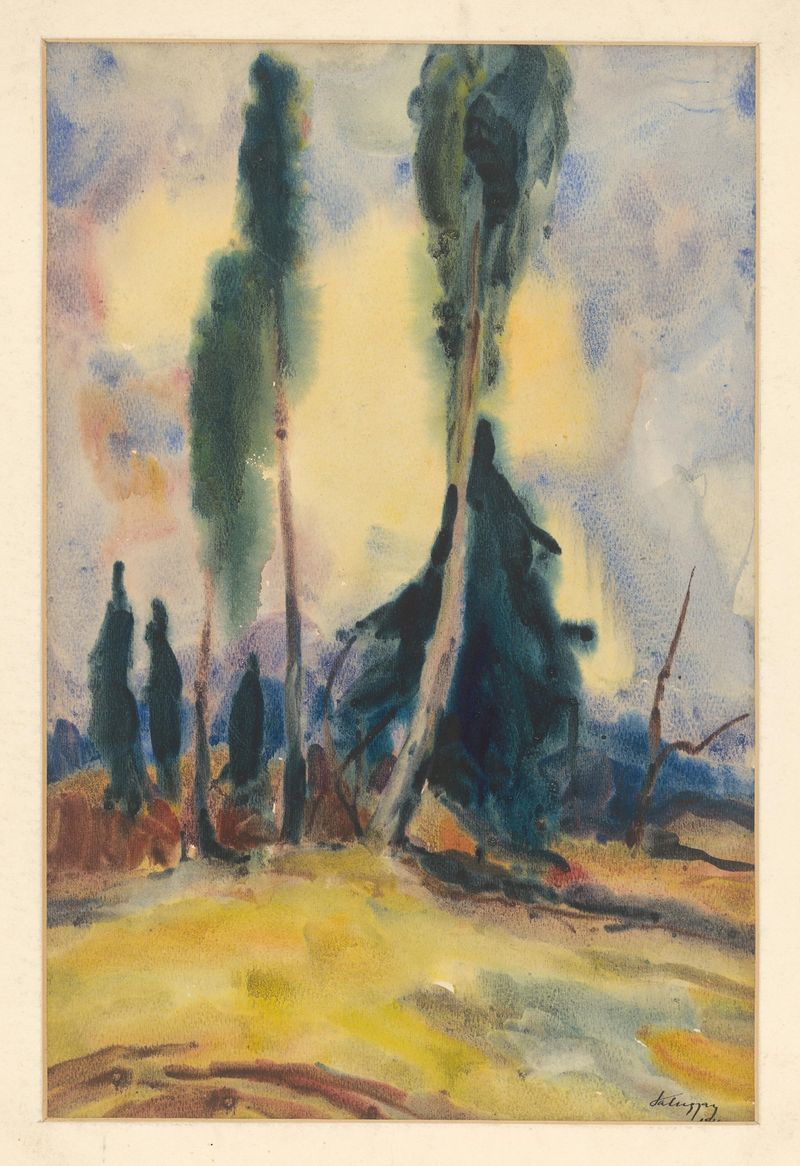
Three Trees on a Plain
Zolo Palugyay
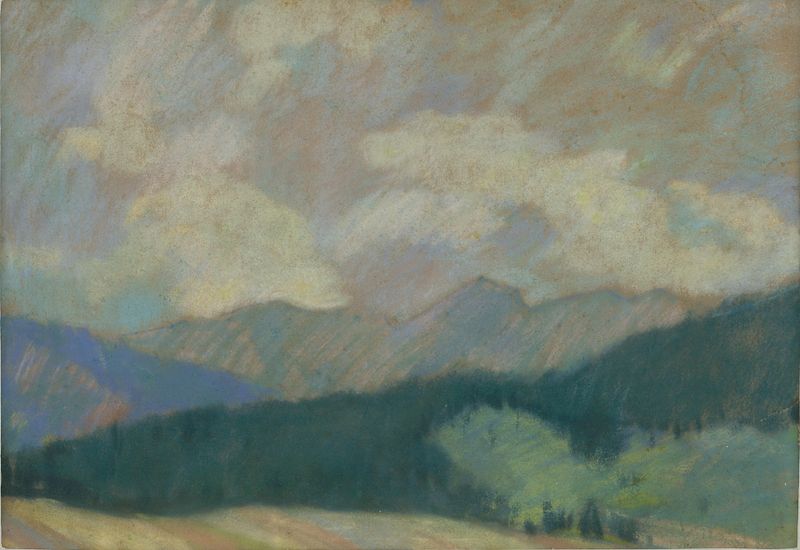
Horská krajina
Zolo Palugyay
Tatra Landscape
Zolo Palugyay
Spring Landscape
Zolo Palugyay





