
Samuel zalft Saul tot koning — History & Facts
Can paint confess what words never could? In Samuel zalft Saul tot koning, decay whispers through the canvas, revealing the frailty of power and the weight of destiny. Look to the left at the figure of Samuel, his furrowed brow and outstretched arm immersed in a vivid dialogue with the anointed Saul. The muted palette of earthy browns and deep greens contrasts sharply with the golden light illuminating Saul's crown, signaling the gravitas of his impending kingship. Notice how the delicate brushwork captures the tension in Samuel's gesture; a mix of solemnity and urgency binds the moment, compelling the viewer to witness the unfolding prophecy. Beneath the surface of this ceremonial scene lies the tension between hope and decay.
The frailty of Saul’s form hints at the inevitable corruption and turmoil that will shadow his reign. The decaying foliage framing the edges of the painting mirrors the impending doom that his kingship will bring, suggesting that glory is often laced with decay. The juxtaposition of divine selection and mortal vulnerability invites contemplation on the nature of leadership and its consequences. Hans Holbein the Younger painted this work in 1538 during a period of political upheaval in Europe.
As the court painter for Henry VIII in England, Holbein navigated the complexities of a rapidly shifting artistic and cultural landscape. This painting reflects not only biblical narrative but also the artist's response to the moral and ethical dilemmas of his time, as moments of power often foreshadow vulnerability and ruin.
More Artworks by Hans Holbein (II)
Browse all →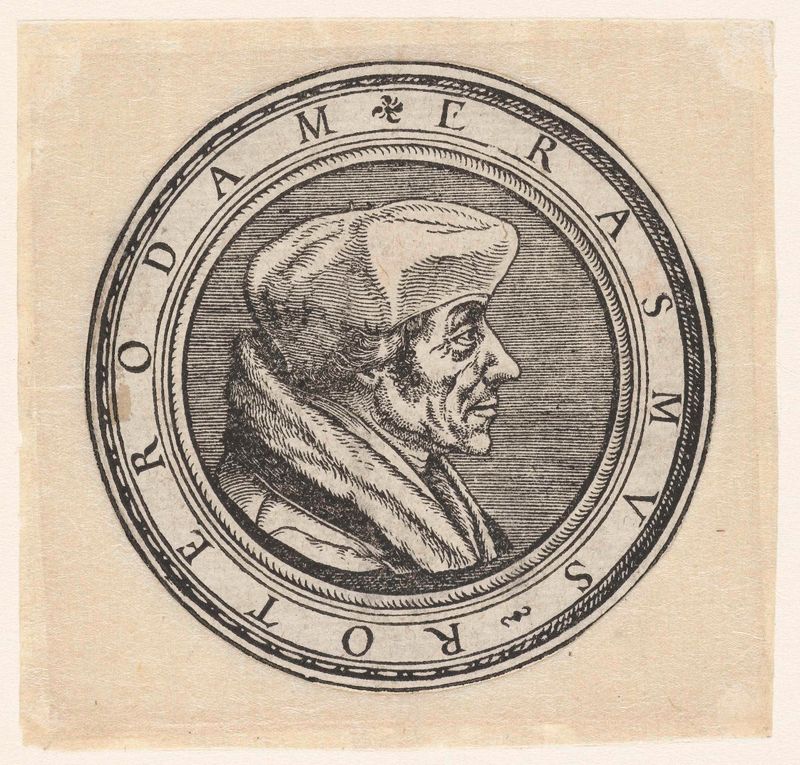
Portret van Erasmus
Hans Holbein (II)
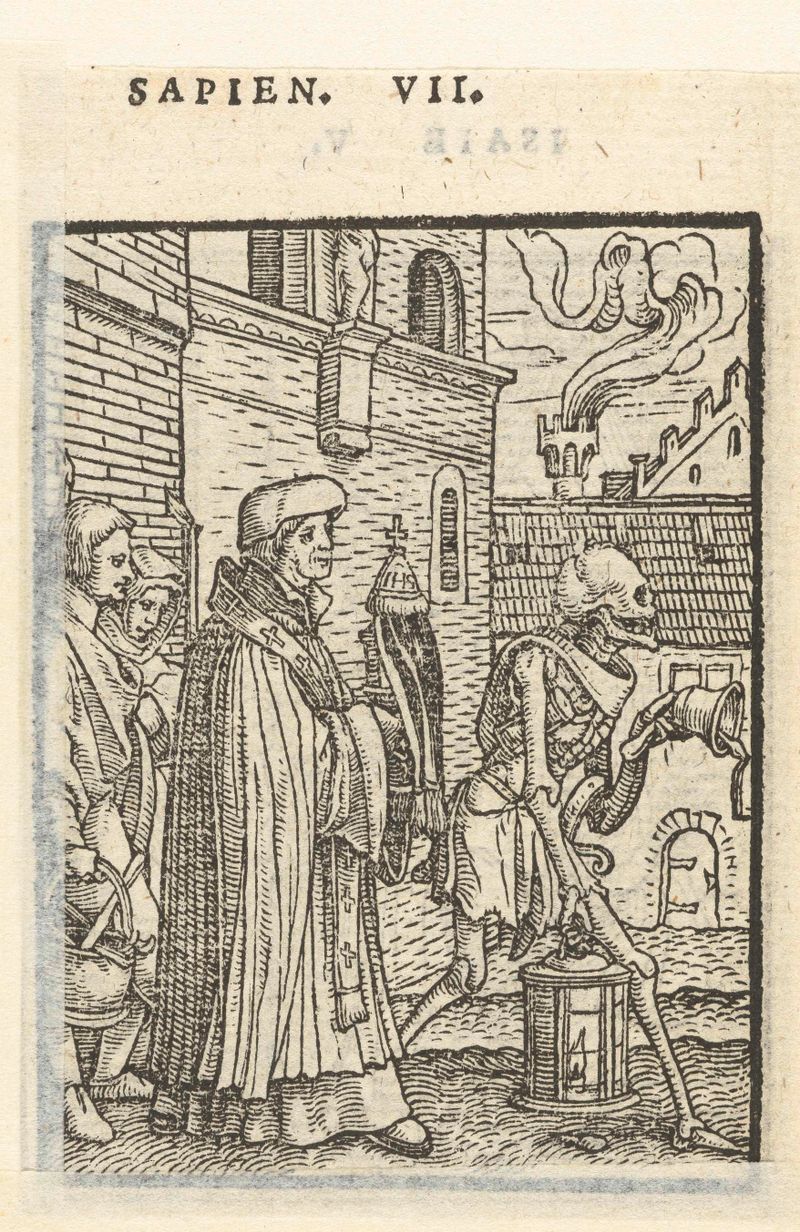
Priester en de Dood
Hans Holbein (II)
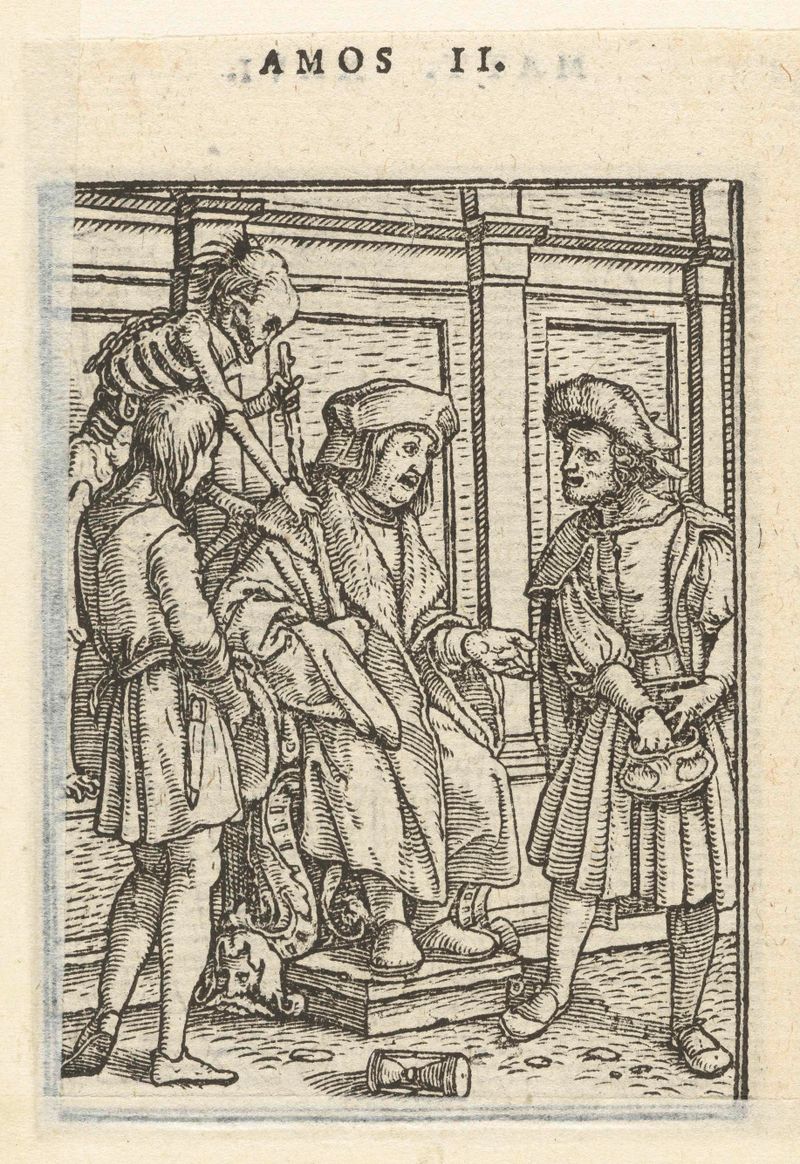
Rechter en de Dood
Hans Holbein (II)
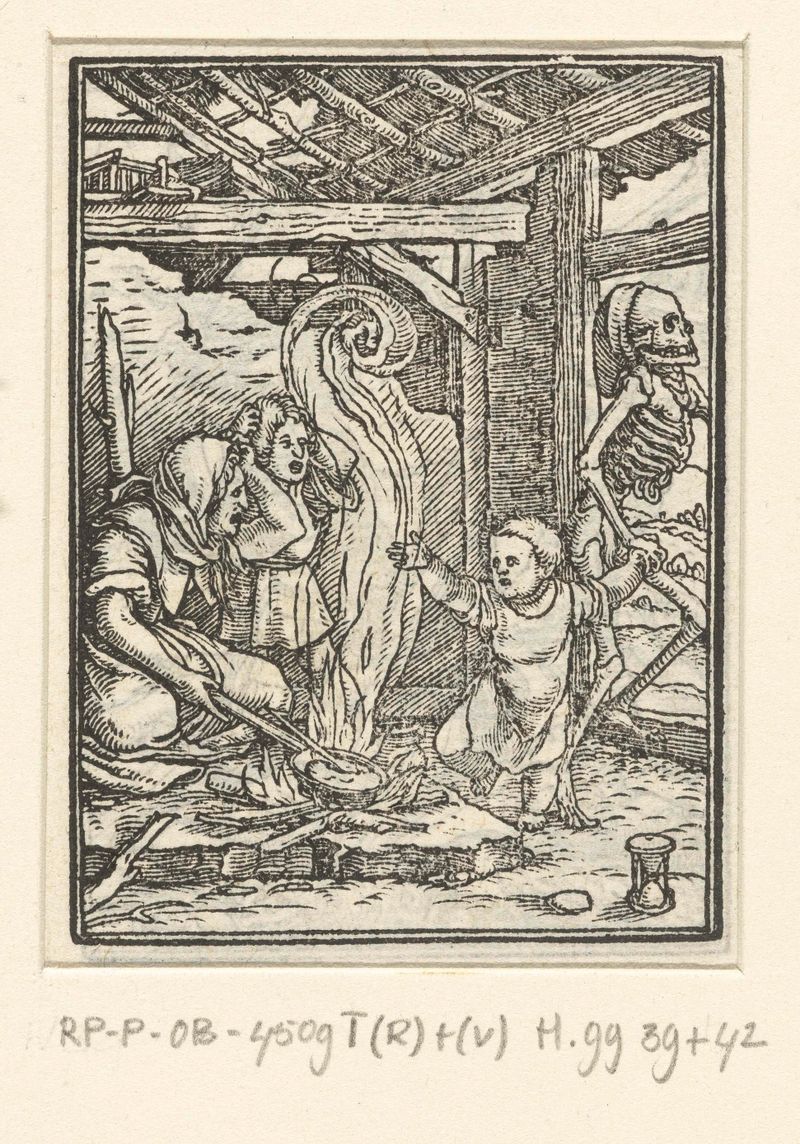
Kind en de Dood
Hans Holbein (II)
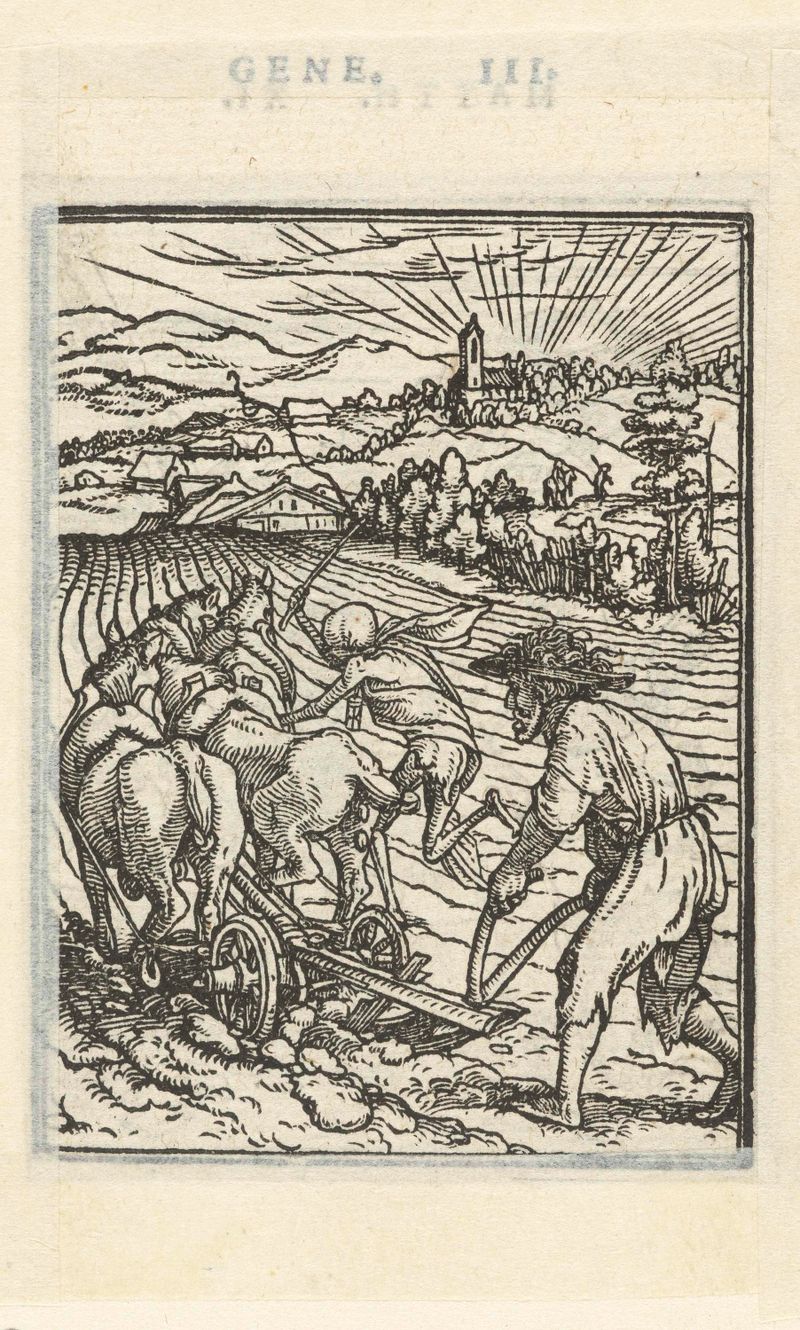
Boer en de Dood
Hans Holbein (II)
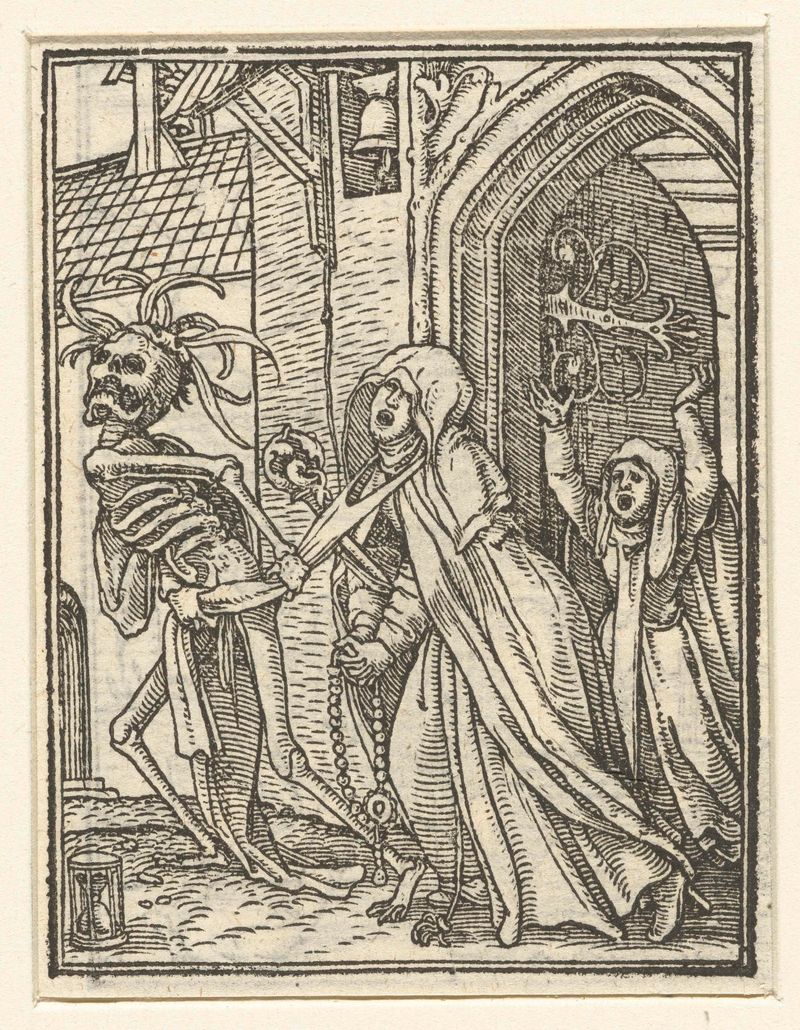
Abdis en de Dood
Hans Holbein (II)
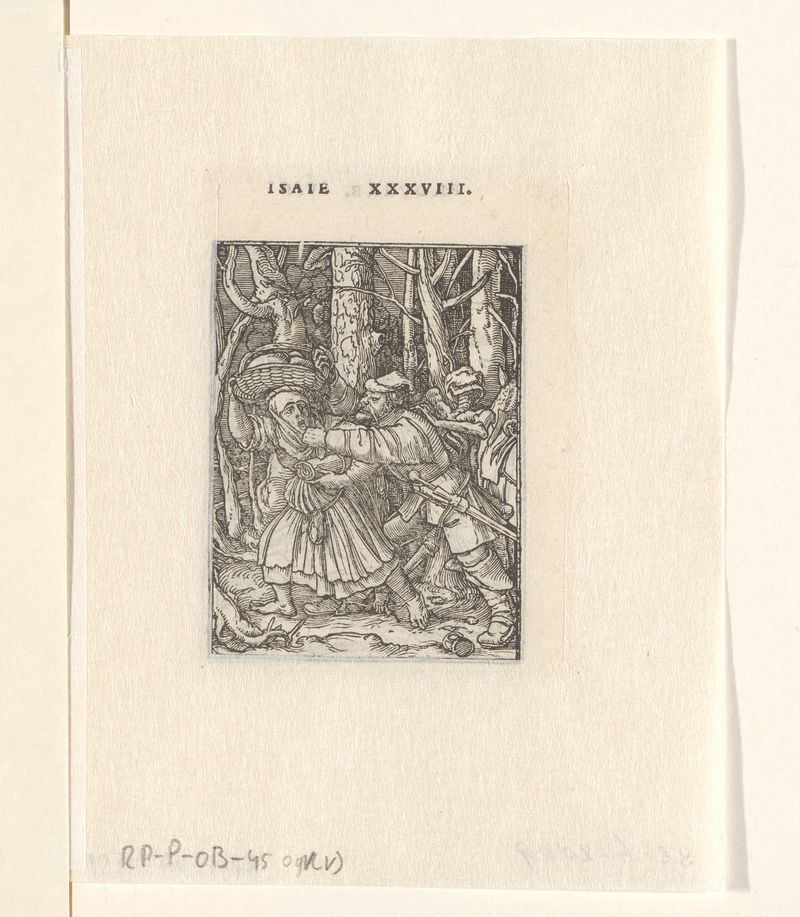
Dief en de Dood
Hans Holbein (II)
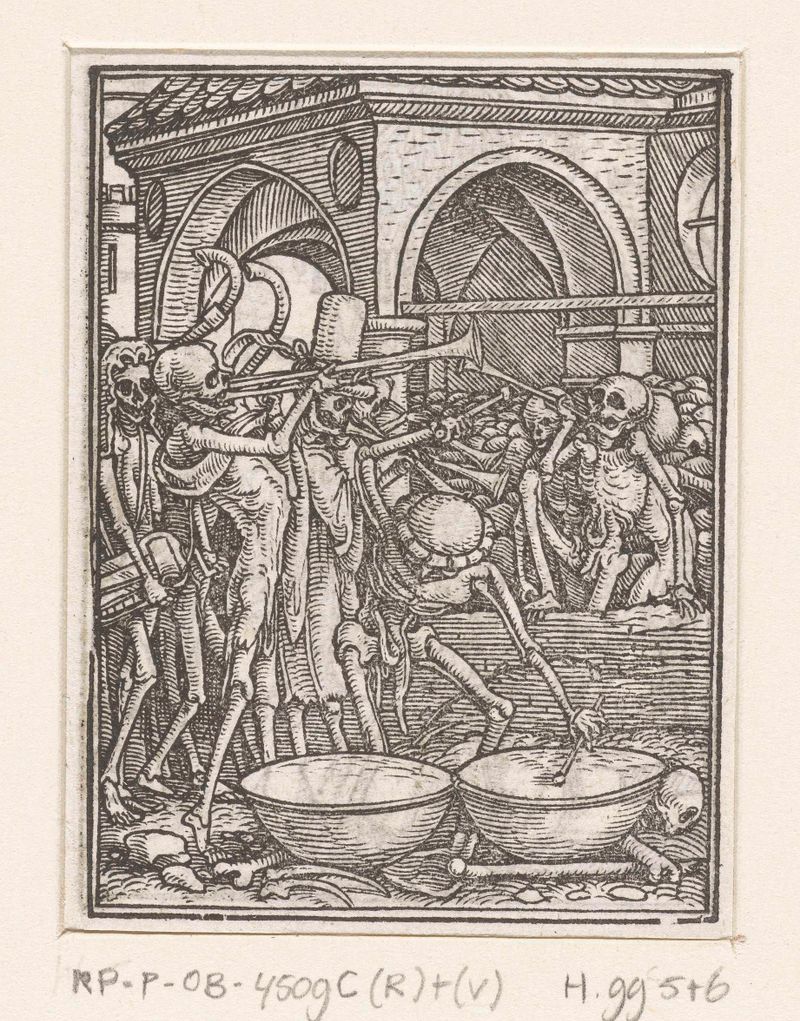
Skeletons Making Music from Dance of the Dead
Hans Holbein (II)
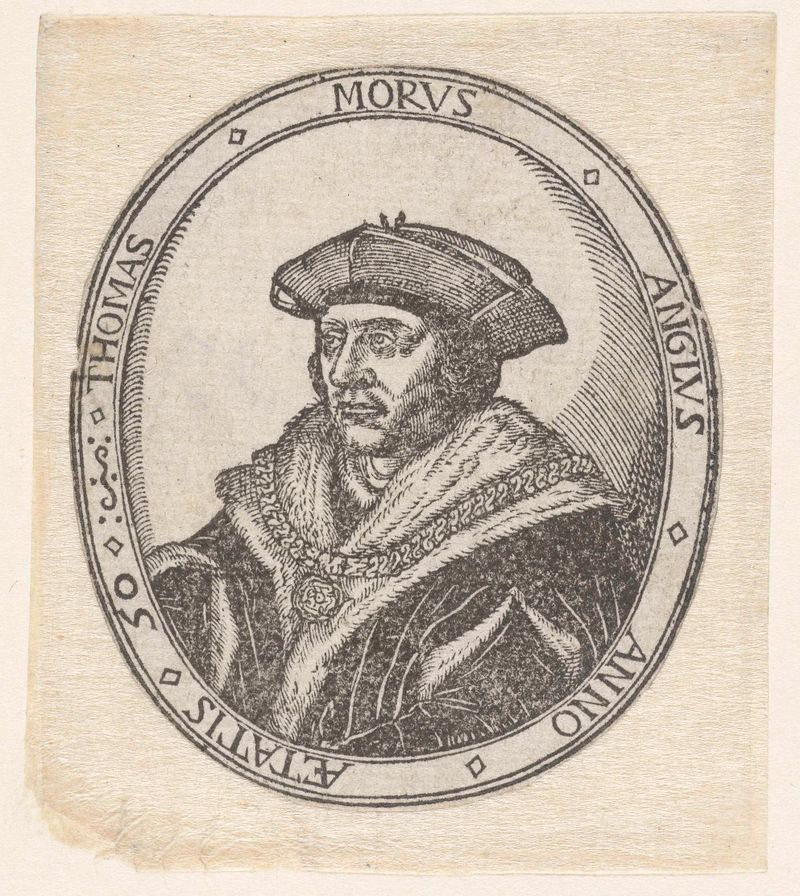
Portret van Thomas More
Hans Holbein (II)
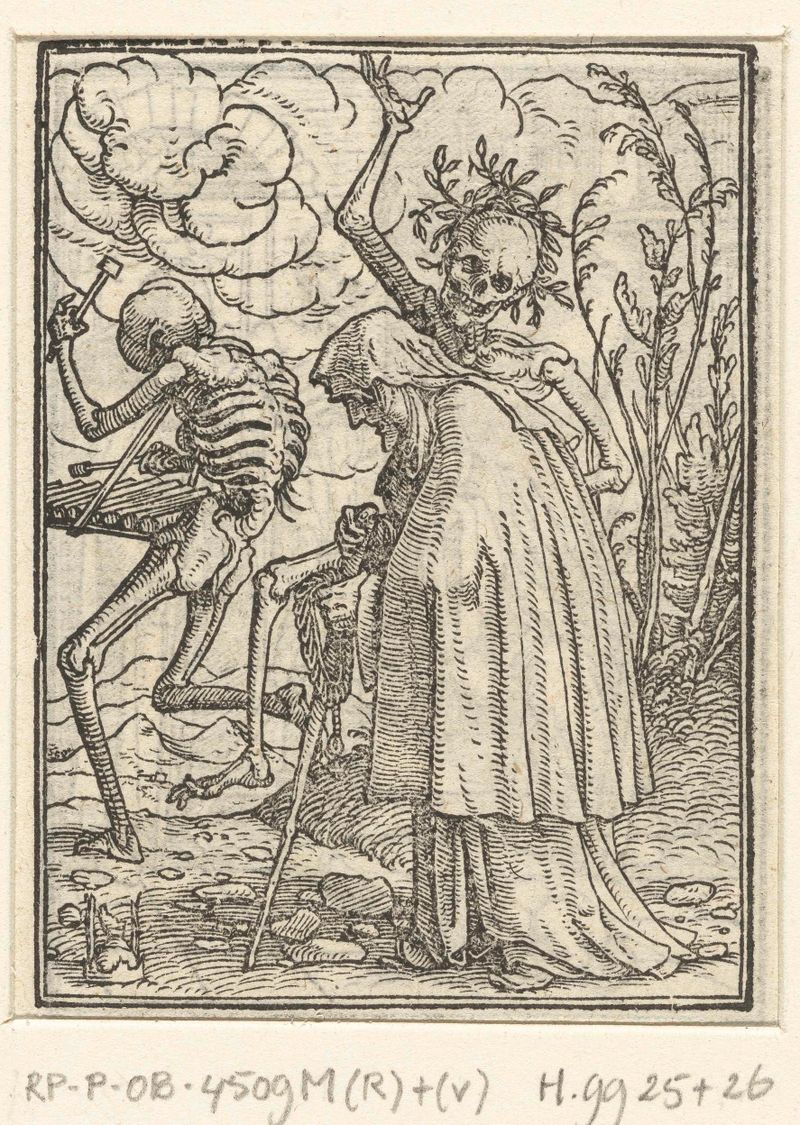
Oude vrouw en de Dood
Hans Holbein (II)
More Religious Art
Browse all →
The Return of the Prodigal Son
Rembrandt van Rijn

The Garden of Earthly Delights
El Bosco

Count Orgaz’ funeral
El Greco

The Hundred Guilder Print: the central piece with Christ preaching, the plate arched
Rembrandt van Rijn

The Descent from the Cross
Rogier van der Weyden

The return of the prodigal son
Rembrandt van Rijn