
San Biagio — History & Facts
In a world often consumed by chaos, the delicate balance of beauty and intention can offer a refuge for the heart and mind. Focus on the soft, ethereal hues of blue and gray that envelop the canvas, guiding your gaze toward the tranquil figure rising from the water. Notice how the gentle strokes create a serene interplay between light and shadow, allowing the architectural details of the church to emerge like whispers against the sky. The composition draws you in, inviting you to explore the relationship between the built environment and nature, a dance of harmony skillfully orchestrated. The painting embodies a deeper contrast between the sacred and the ephemeral.
The church, a symbol of permanence, stands resolute, while the rippling water beneath reflects the fleeting moments of life, shifting and changing with every ripple. This juxtaposition evokes a contemplative tension, urging the viewer to consider the balance between spiritual solace and the transient beauty of the world around it. Created in 1880, this work emerged during Whistler’s time in Venice, a city that captivated him with its unique interplay of light and architecture. At this point in his career, he was deeply influenced by the principles of harmony and color, moving away from traditional representational art toward a more expressive, personal approach.
The painting reflects not only his artistic evolution but also the broader shifts within the art world, as artists sought to convey emotion and atmosphere over strict realism.
More Artworks by James Abbott McNeill Whistler
Browse all →
Nocturne in Blue and Silver
James Abbott McNeill Whistler
Nocturne: Blue and Gold–Southampton Water
James Abbott McNeill Whistler
Nocturne
James Abbott McNeill Whistler
Nocturne in Blue and Silver
James Abbott McNeill Whistler
Nocturne in Blue and Silver- The Lagoon, Venice
James Abbott McNeill Whistler
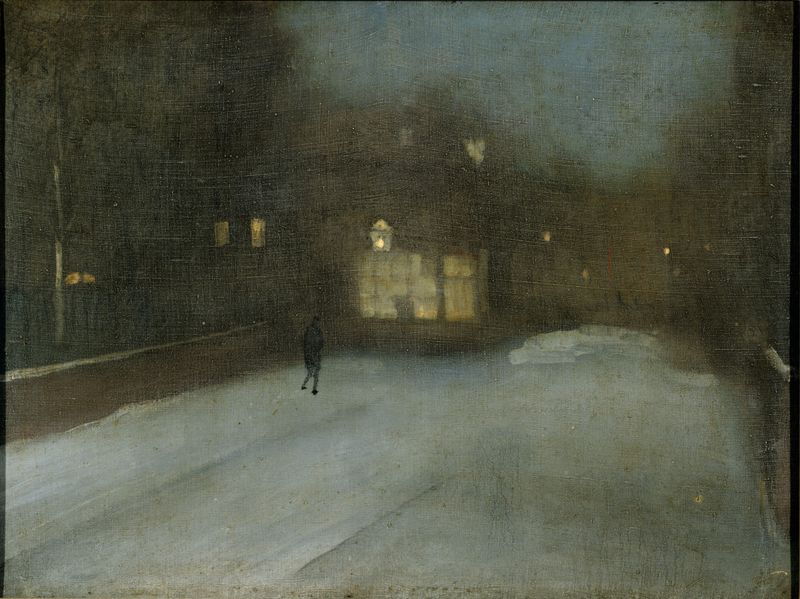
Nocturne in Grey and Gold: Chelsea Snow
James Abbott McNeill Whistler
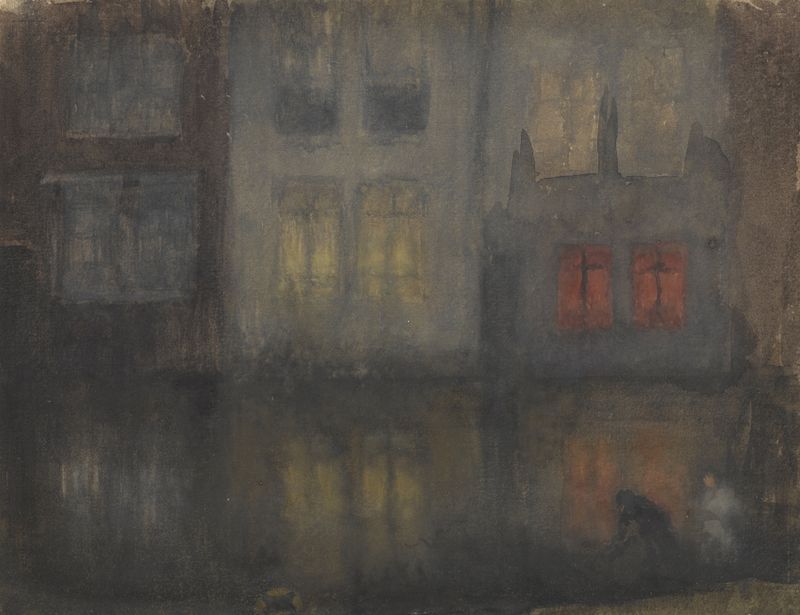
Nocturne: Black and Red—Back Canal, Holland
James Abbott McNeill Whistler
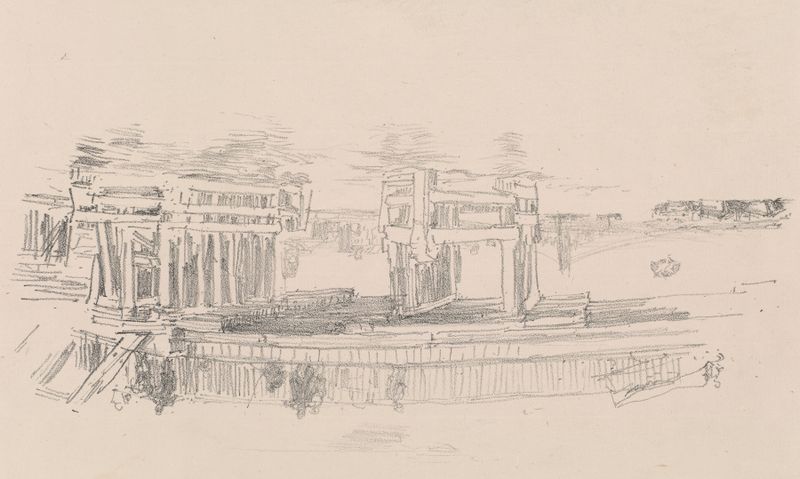
Old Battersea Bridge
James Abbott McNeill Whistler

Nocturne: Blue and Silver–Battersea Reach
James Abbott McNeill Whistler
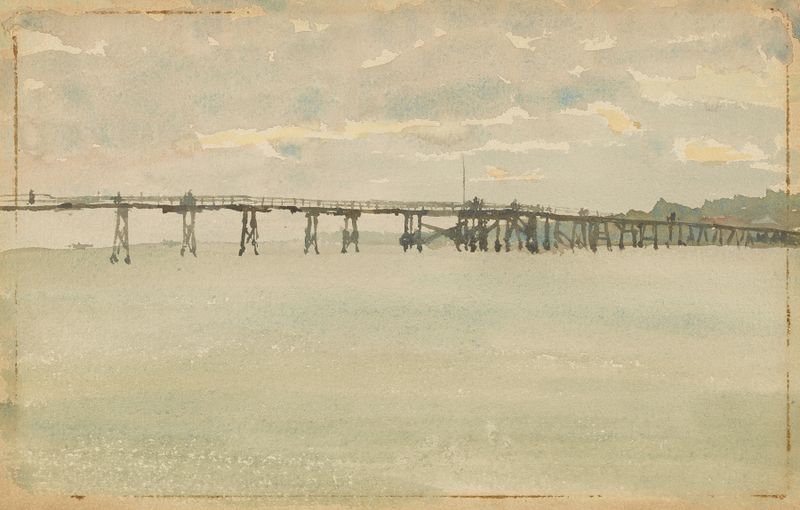
Grey and Silver–Pier, Southend
James Abbott McNeill Whistler





