
San Biagio — History & Facts
In the world of San Biagio, the chaos of urban life is transformed into a vision of transcendence, inviting us to see beyond the mundane. Look to the center of the composition, where the ethereal church steeple rises against a backdrop of softly muted colors. The delicate interplay of light and shadow envelops the structure, creating a sense of serenity amidst the bustling surroundings. Notice how Whistler’s deft brushwork captures the fleeting moments of twilight, with hues of violet and gold merging seamlessly, evoking a feeling of stillness.
The atmospheric quality draws the viewer into a contemplative state, as if time has slowed in reverence of the sacred. Beneath this serene facade lies a contrast between the dense, vibrant life of the city and the ethereal presence of the church. Each stroke suggests not only architectural solidity but also a spiritual aspiration, connecting earthly existence with the divine. The figures at the bottom of the canvas, dwarfed by the grand structure, symbolize the human longing for something greater, echoing themes of aspiration and faith in a tumultuous world. During the years 1879 to 1880, Whistler created San Biagio while living in Venice, a city that profoundly influenced his artistic vision.
This period marked a time of personal exploration for him, as he sought to transcend mere representation and instead express the emotional essence of his surroundings. At the same time, the art world was evolving, with movements like Impressionism gaining traction, challenging artists to abandon traditional constraints in pursuit of individual expression.
More Artworks by James Abbott McNeill Whistler
Browse all →
Nocturne in Blue and Silver
James Abbott McNeill Whistler
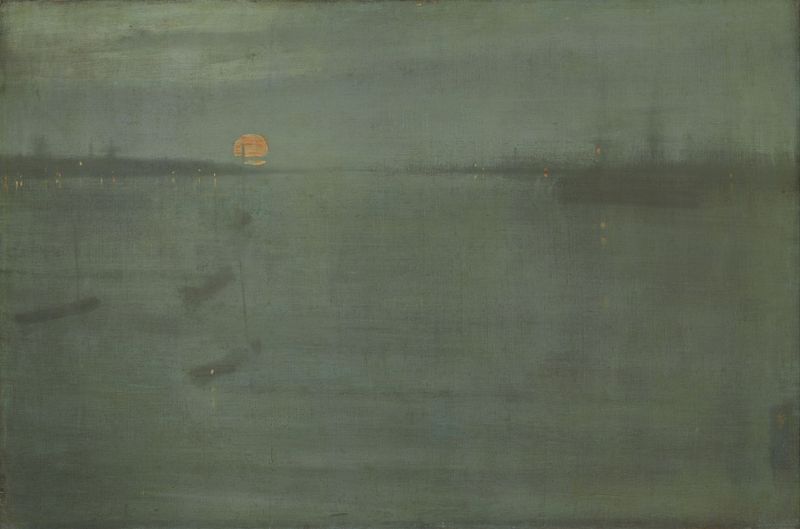
Nocturne: Blue and Gold–Southampton Water
James Abbott McNeill Whistler
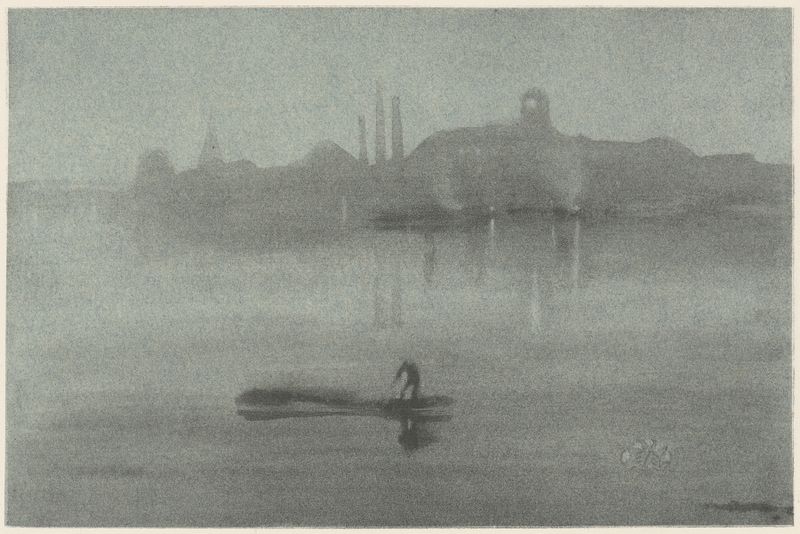
Nocturne
James Abbott McNeill Whistler
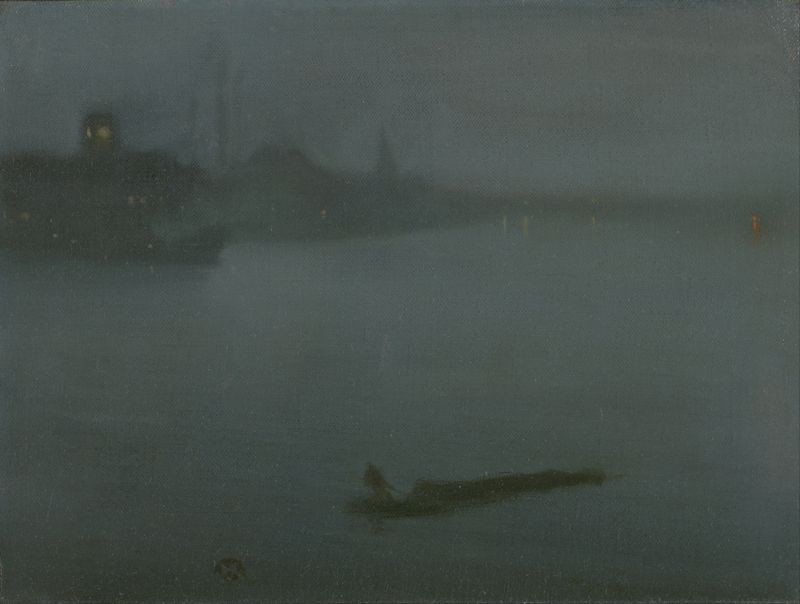
Nocturne in Blue and Silver
James Abbott McNeill Whistler
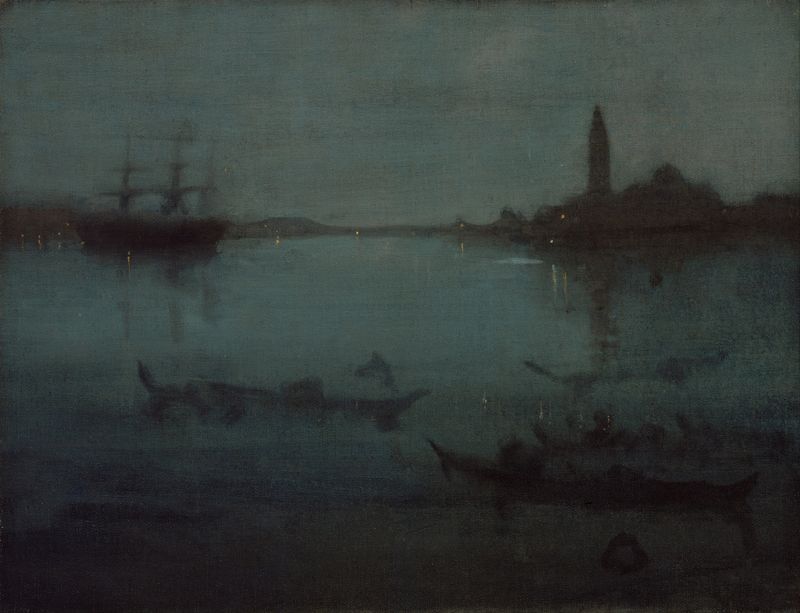
Nocturne in Blue and Silver- The Lagoon, Venice
James Abbott McNeill Whistler
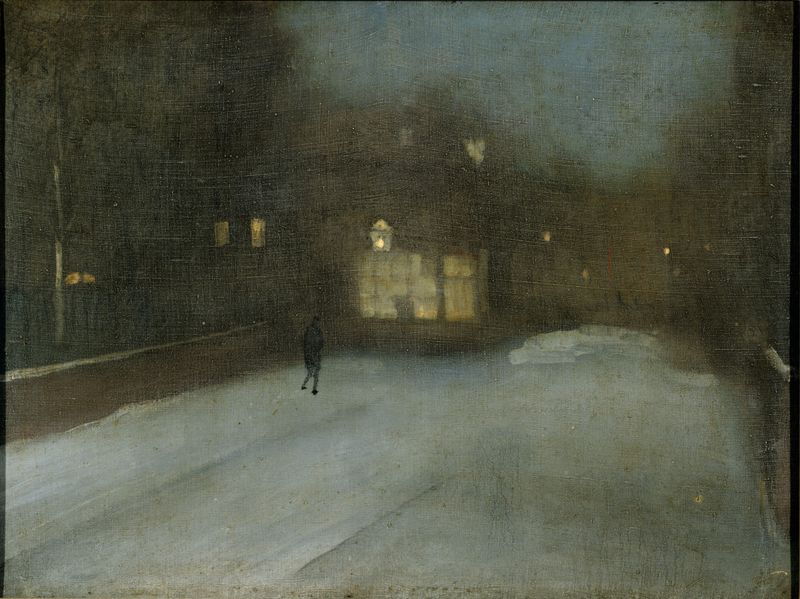
Nocturne in Grey and Gold: Chelsea Snow
James Abbott McNeill Whistler
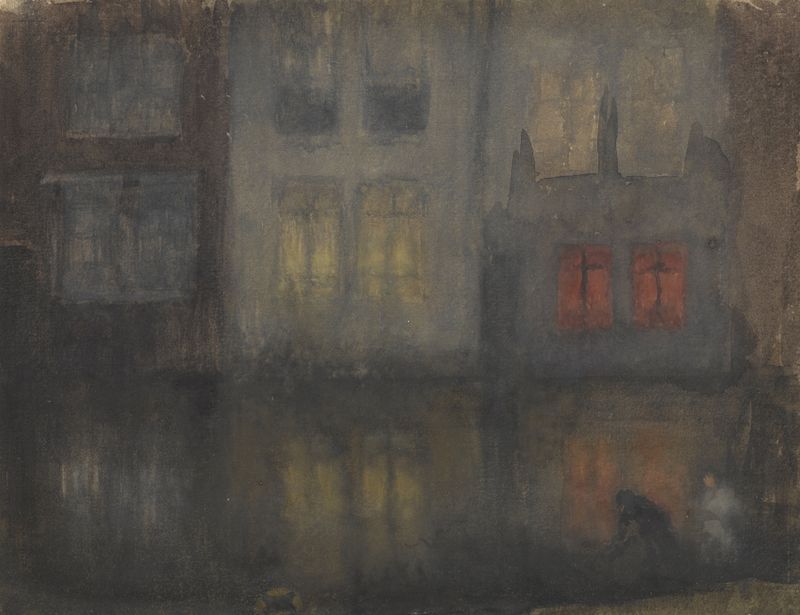
Nocturne: Black and Red—Back Canal, Holland
James Abbott McNeill Whistler
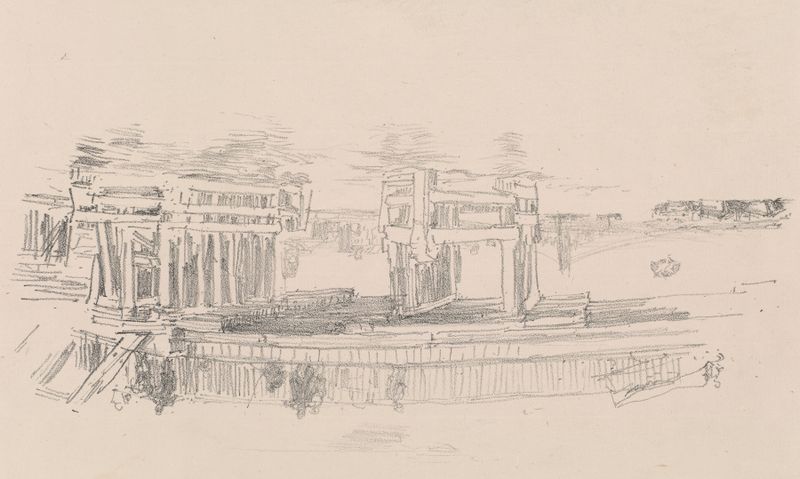
Old Battersea Bridge
James Abbott McNeill Whistler

Nocturne: Blue and Silver–Battersea Reach
James Abbott McNeill Whistler
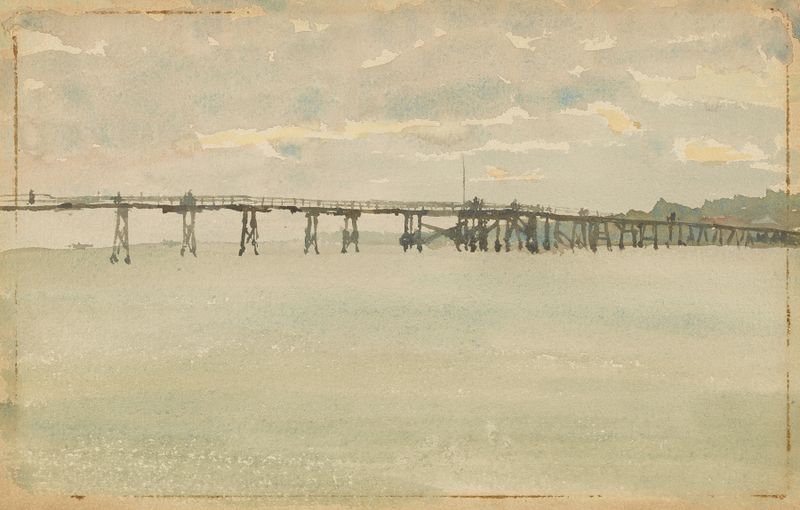
Grey and Silver–Pier, Southend
James Abbott McNeill Whistler
More Architecture Art
Browse all →
The statue of Liberty
Frédéric Auguste Bartholdi

View of Houses in Delft, Known as ‘The Little Street’
Johannes Vermeer

View of Houses in Delft, Known as ‘The Little Street’
Johannes Vermeer

The Cathedral in Rouen. The portal, Grey Weather
Claude Monet

The yellow house
Vincent van Gogh

The Church in Auvers-sur-Oise, View from the Chevet
Vincent van Gogh