
San Biagio — History & Facts
In the quietude of San Biagio, an unspoken dialogue unfolds, inviting us to explore the layers of revelation embedded within its delicate strokes. Look to the center of the composition, where the soft interplay of light and shadow creates a soothing ambiance that draws the eye. Whistler's deft application of muted colors—gentle blues, warm ochres, and tranquil whites—evokes a sense of calm, while the intricate details of the architecture reveal a masterful grasp of perspective. The serene setting seems to breathe, as if time has paused, inviting viewers to reflect upon the beauty of stillness. Yet, beneath this tranquil exterior lies a profound contrast.
The ethereal light that bathes the scene hints at the sacred, while the architecture itself conveys a sense of permanence and decay. This tension between the fleeting nature of life and the enduring quality of faith resonates deeply, suggesting a search for meaning amidst the passage of time. Each element, from the soft contours of the buildings to the distant figures, adds layers of emotion, encouraging introspection and personal revelation. In 1879, Whistler created San Biagio during a period of transition in Venice, where he sought solace and inspiration.
The city, a backdrop for his artistic explorations, was replete with cultural richness and decay, mirroring the themes of beauty and impermanence that permeate his work. This was a time when he was consolidating his style, aiming to evoke mood and atmosphere with less emphasis on narrative, setting a precedent for modern art's exploration of abstraction and emotional resonance.
More Artworks by James Abbott McNeill Whistler
Browse all →
Nocturne in Blue and Silver
James Abbott McNeill Whistler
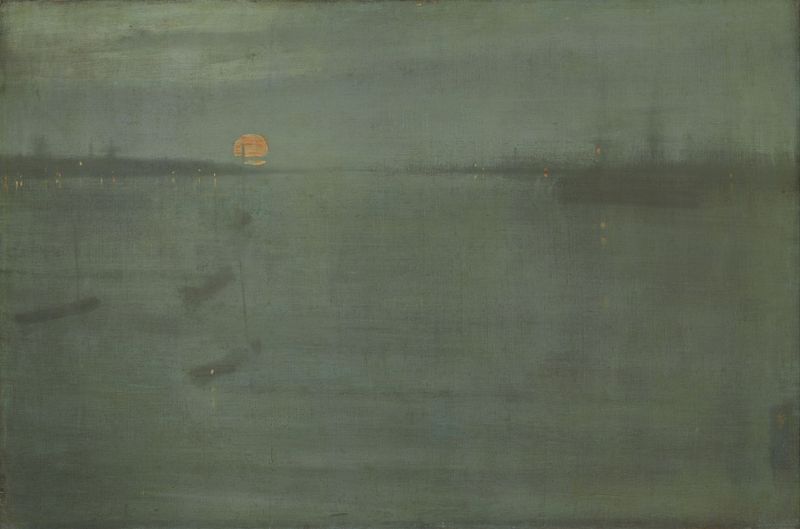
Nocturne: Blue and Gold–Southampton Water
James Abbott McNeill Whistler
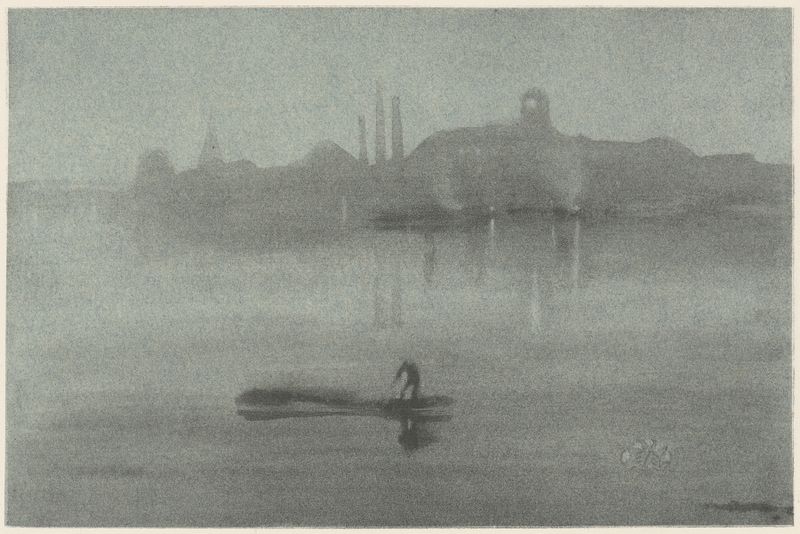
Nocturne
James Abbott McNeill Whistler
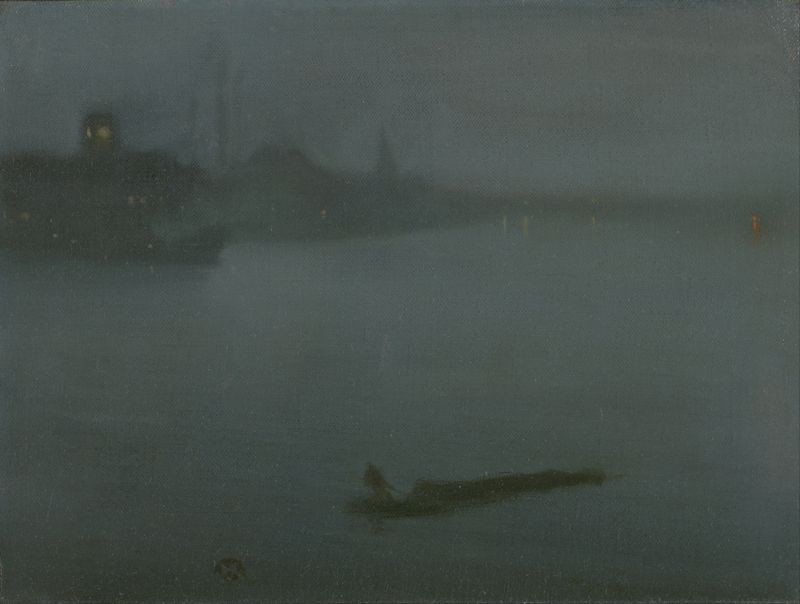
Nocturne in Blue and Silver
James Abbott McNeill Whistler
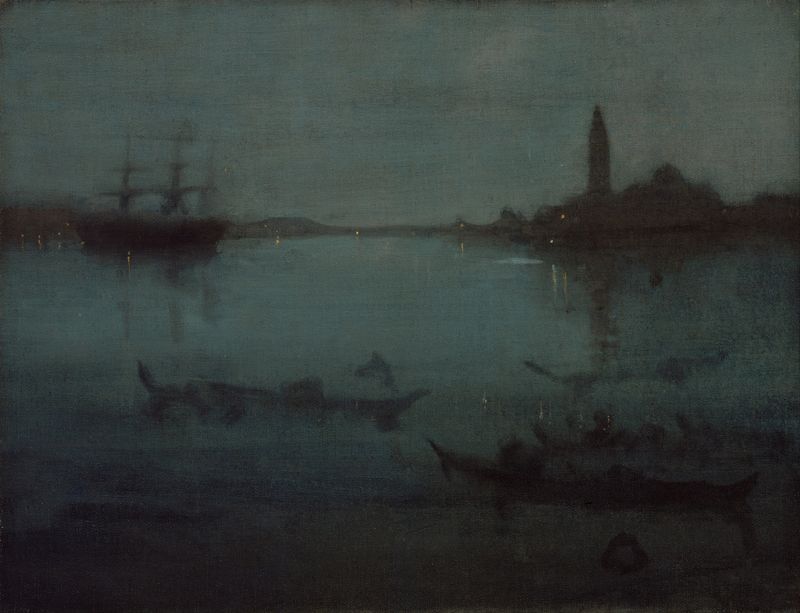
Nocturne in Blue and Silver- The Lagoon, Venice
James Abbott McNeill Whistler
Nocturne in Grey and Gold: Chelsea Snow
James Abbott McNeill Whistler
Nocturne: Black and Red—Back Canal, Holland
James Abbott McNeill Whistler
Old Battersea Bridge
James Abbott McNeill Whistler

Nocturne: Blue and Silver–Battersea Reach
James Abbott McNeill Whistler
Grey and Silver–Pier, Southend
James Abbott McNeill Whistler





