
San Giorgio — History & Facts
This thought may capture the essence of a world teetering on the brink of revolution, where whispers of change ripple through the quiet landscape. Look to the left, where a soft, muted palette of blues and greens envelops the canvas, drawing the viewer into a still, contemplative moment. The silhouette of San Giorgio stands resolutely against the horizon, a steadfast guardian amidst the placid waters. Light dances across the surface, casting gentle reflections that blur the line between reality and dream.
Notice how the delicate brushwork captures the ephemeral nature of dusk, where every stroke conveys a sense of tranquil beauty and impending transformation. The interplay of light and shadow reveals deeper tensions—a juxtaposition of serenity and the undercurrents of societal change. The calmness of the scene belies the tumultuous era in which it was painted, inviting the viewer to ponder the hidden forces at play. The tranquil setting contrasts sharply with the growing restlessness in Europe, hinting at the stirring passions beneath the surface of everyday life.
Such contrasts in the work remind us that beauty often coexists with latent upheaval. In the late 19th century, Whistler found himself in Venice, a city that enchanted him while reflecting a profound personal and artistic evolution. Between 1879 and 1880, he captured San Giorgio, seeking to express both the charm of the landscape and the complexities of an era marked by artistic experimentation and social change. It was a time when the Impressionist movement was gaining momentum, and Whistler, ever the innovator, was redefining the boundaries of art and perception.
More Artworks by James Abbott McNeill Whistler
Browse all →
Nocturne in Blue and Silver
James Abbott McNeill Whistler
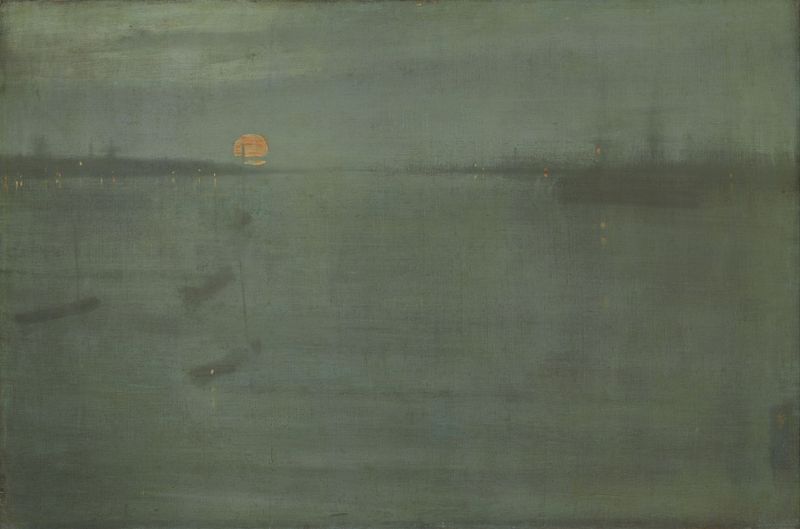
Nocturne: Blue and Gold–Southampton Water
James Abbott McNeill Whistler
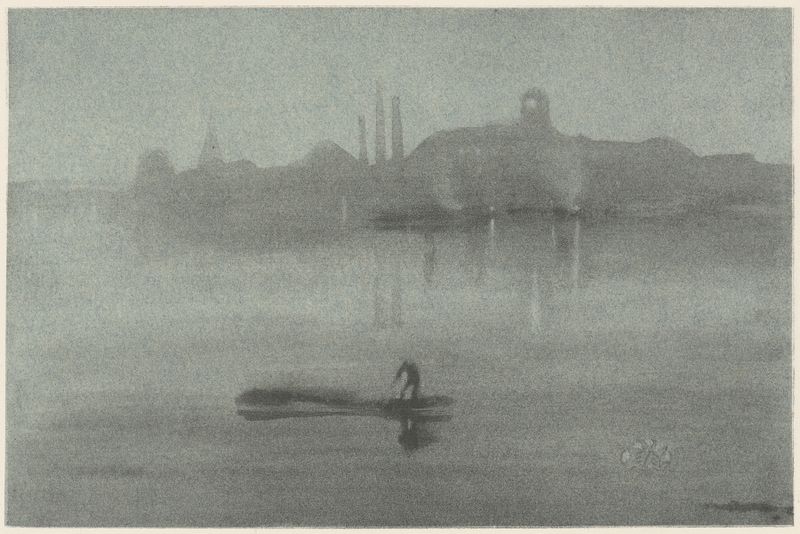
Nocturne
James Abbott McNeill Whistler
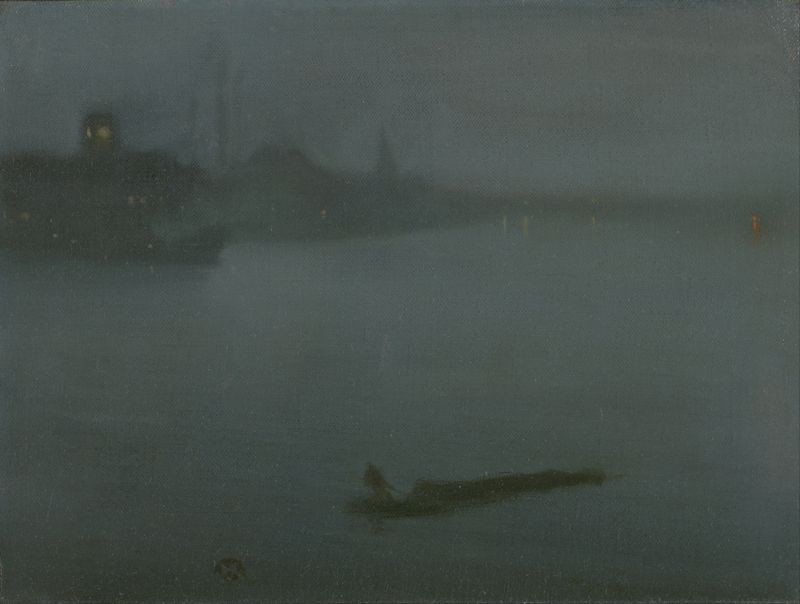
Nocturne in Blue and Silver
James Abbott McNeill Whistler
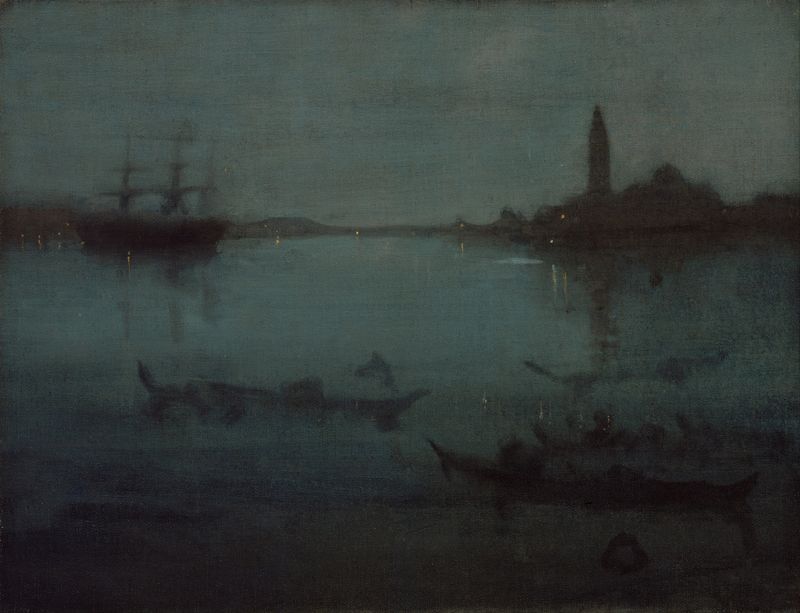
Nocturne in Blue and Silver- The Lagoon, Venice
James Abbott McNeill Whistler
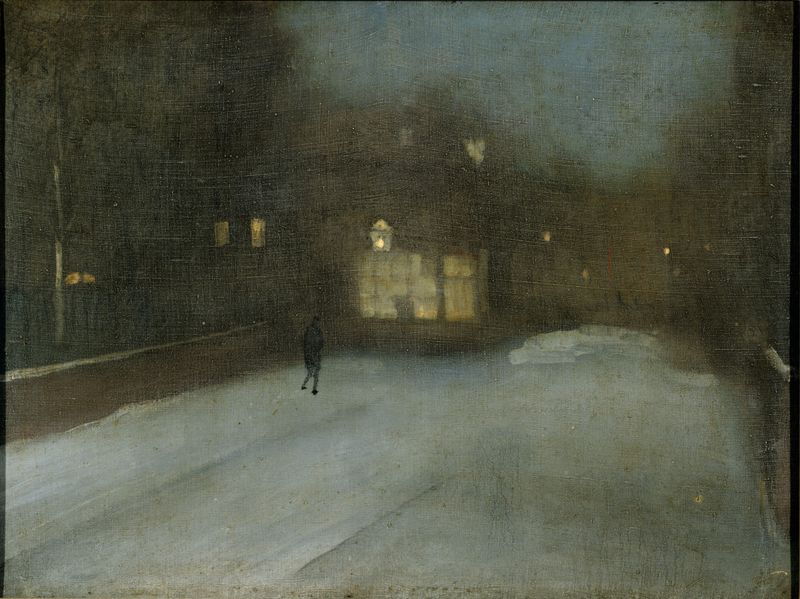
Nocturne in Grey and Gold: Chelsea Snow
James Abbott McNeill Whistler
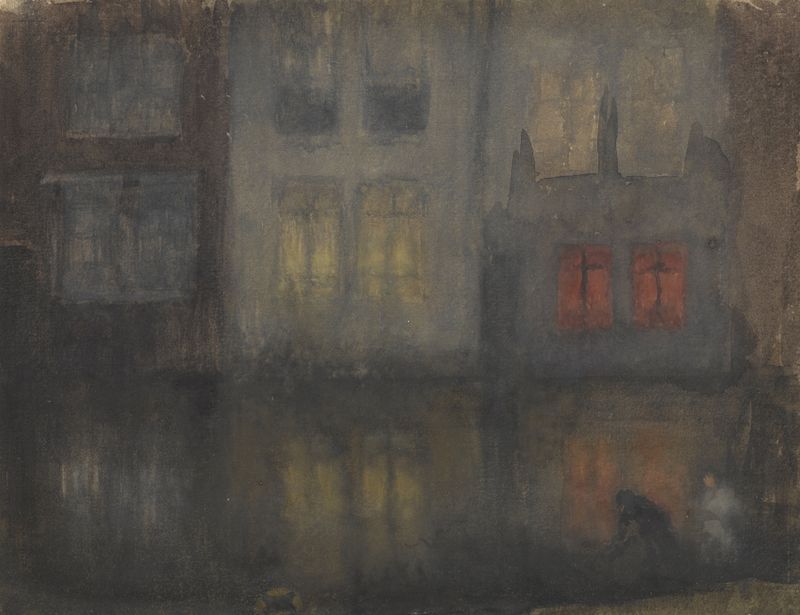
Nocturne: Black and Red—Back Canal, Holland
James Abbott McNeill Whistler
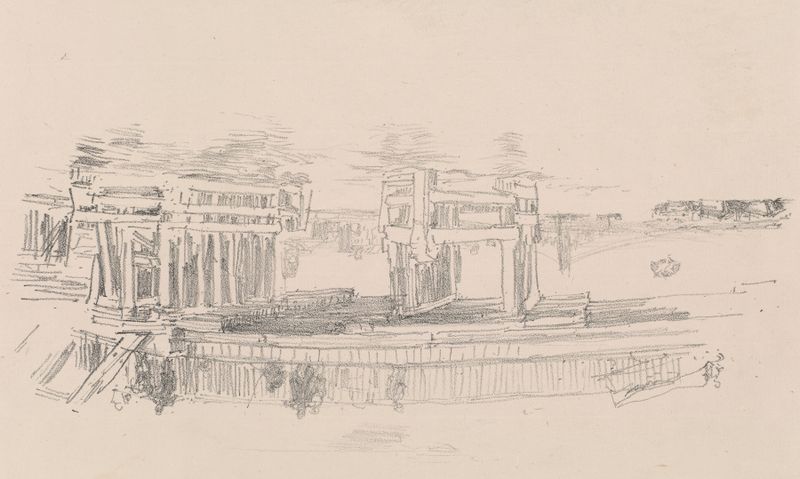
Old Battersea Bridge
James Abbott McNeill Whistler

Nocturne: Blue and Silver–Battersea Reach
James Abbott McNeill Whistler
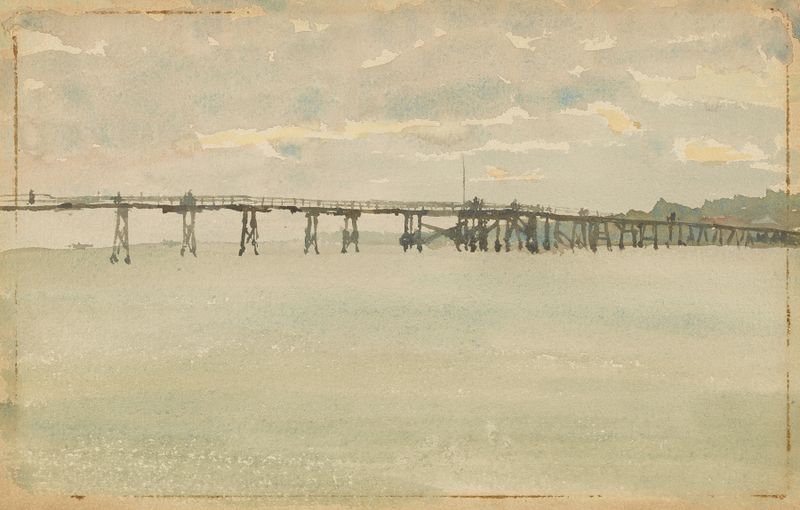
Grey and Silver–Pier, Southend
James Abbott McNeill Whistler





