
San Giorgio — History & Facts
Could a single brushstroke hold eternity? In San Giorgio, Whistler captures the essence of fear, a piercing vulnerability that seeps through the calm veneer of the Venetian landscape. Look to the center of the canvas where the imposing silhouette of San Giorgio Maggiore rises against the horizon. The soft hues of twilight blend seamlessly — deep blues and muted purples fusing with the warm ochre of the sky. Notice how the light illuminates the water's surface, creating a shimmering path that beckons yet eludes.
Each stroke, deliberate and fluid, invites the viewer into a realm that balances on the cusp of tranquility and foreboding. Beneath the serene facade lies a tension that manifests through contrasting elements. The stillness of the water, almost unnaturally peaceful, conceals an undercurrent of anxiety, as if the viewer is on the brink of an unseen storm. Shadows linger along the edges, whispering of the unknown, while the solitary church stands sentinel, evoking both solace and isolation.
This interplay suggests a deeper fear of the void, a reminder of the ephemeral nature of beauty. In 1879, Whistler painted this piece amid his explorations of color and light in Venice, where he sought to capture the city's fleeting moments. At the time, he was grappling with personal and professional challenges, including financial struggles and his ongoing pursuit of artistic recognition. The broader art world was experiencing shifts toward impressionism, which influenced his experimentation with atmospheric effects, making San Giorgio a significant stepping stone in his evolving style.
More Artworks by James Abbott McNeill Whistler
Browse all →
Nocturne in Blue and Silver
James Abbott McNeill Whistler
Nocturne: Blue and Gold–Southampton Water
James Abbott McNeill Whistler
Nocturne
James Abbott McNeill Whistler
Nocturne in Blue and Silver
James Abbott McNeill Whistler
Nocturne in Blue and Silver- The Lagoon, Venice
James Abbott McNeill Whistler
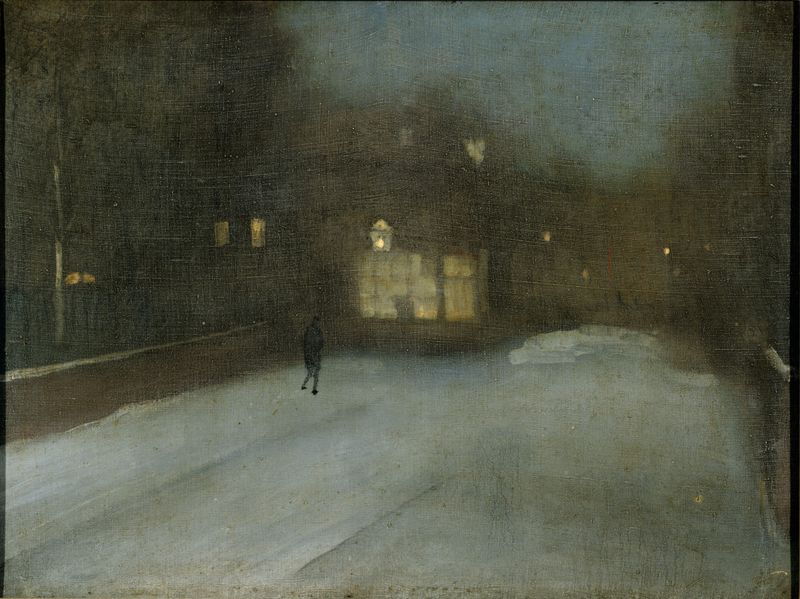
Nocturne in Grey and Gold: Chelsea Snow
James Abbott McNeill Whistler
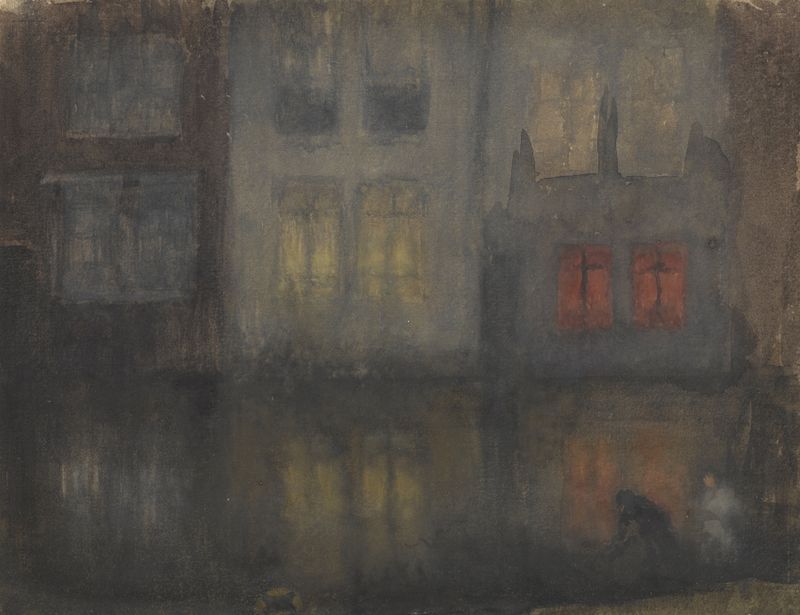
Nocturne: Black and Red—Back Canal, Holland
James Abbott McNeill Whistler
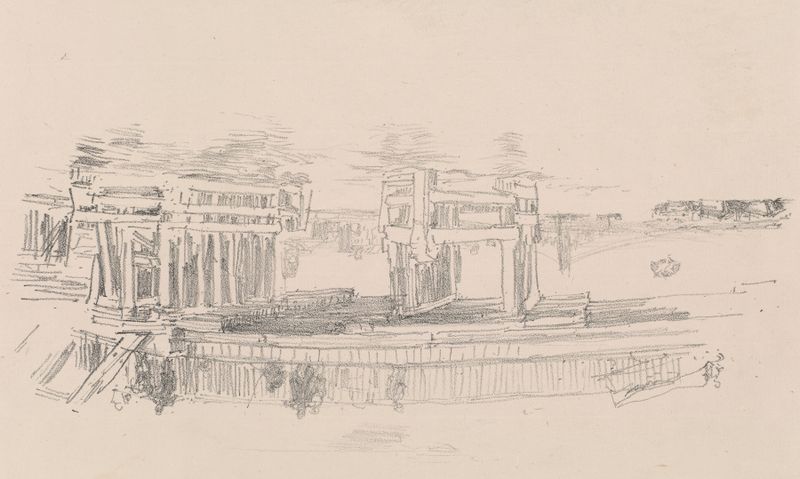
Old Battersea Bridge
James Abbott McNeill Whistler

Nocturne: Blue and Silver–Battersea Reach
James Abbott McNeill Whistler
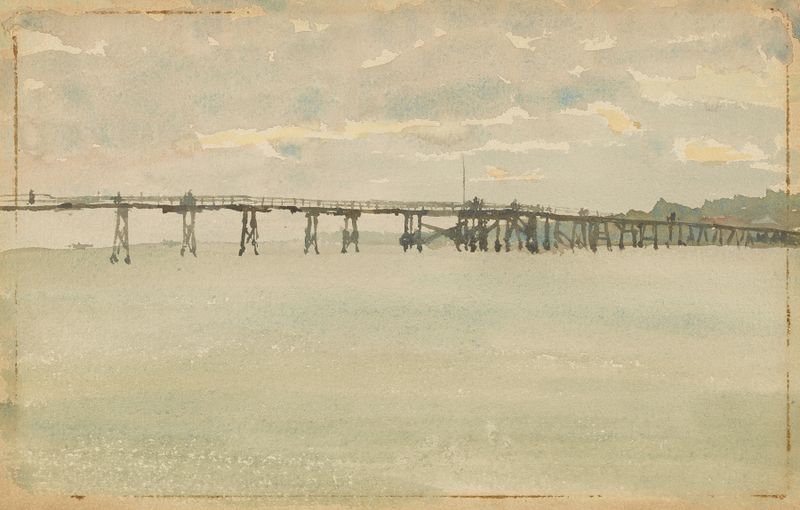
Grey and Silver–Pier, Southend
James Abbott McNeill Whistler





