
San Giorgio Maggiore, Venice — History & Facts
In San Giorgio Maggiore, Venice, the delicate interplay of light and shadow reveals the fragility that underpins the grandeur of the scene. Look to the right at the ethereal glow emanating from the church’s dome, where the sun kisses the architecture with a gentle warmth. Notice how the water reflects this brilliance, its surface a shimmering canvas of blues and golds, punctuated by soft brushstrokes that evoke a sense of movement. The painter’s precision and choice of muted colors contrast against the vibrancy of the sky, blending the tranquil with the tumultuous, creating a moment suspended in time. Beneath this serene surface lies a deeper narrative of impermanence.
The juxtaposition of the sturdy architecture against the ephemeral qualities of the water calls to mind the fleeting nature of beauty itself. Each brushstroke captures not just a moment in Venice but also the heartache that comes with its beauty—a reminder that even the most magnificent sights are transient. The painting tells a story of both admiration and melancholy, inviting the viewer to reflect on their own experiences of beauty and loss. In 1898, Cass Gilbert painted this work during a time when he was gaining recognition for his architectural designs, blending his interests in both landscape and structure.
Living in a period rich with artistic innovation, he sought to capture the essence of Venice, a city both revered and endangered, framing it amidst the waves of change in art and life. It was a moment of transition, both personally and globally, where the legacy of beauty intertwined with the awareness of fragility.
More Artworks by Cass Gilbert
Browse all →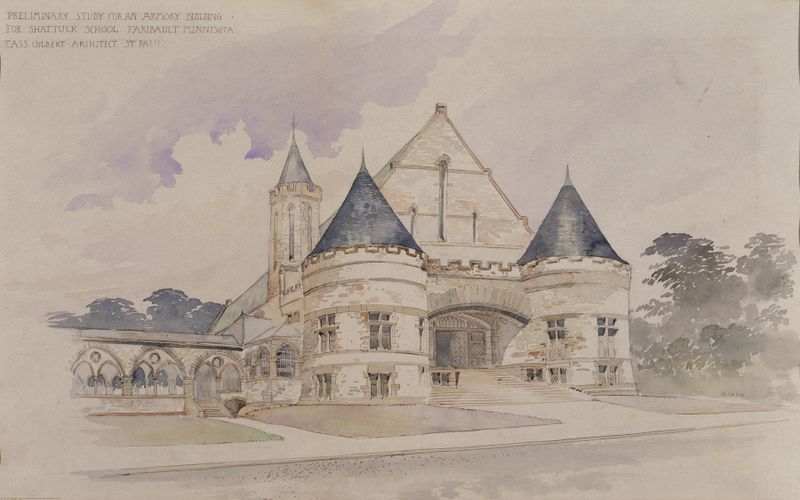
Preliminary study for an Armory Building for Shattuck School, Faribault, Minnesota
Cass Gilbert
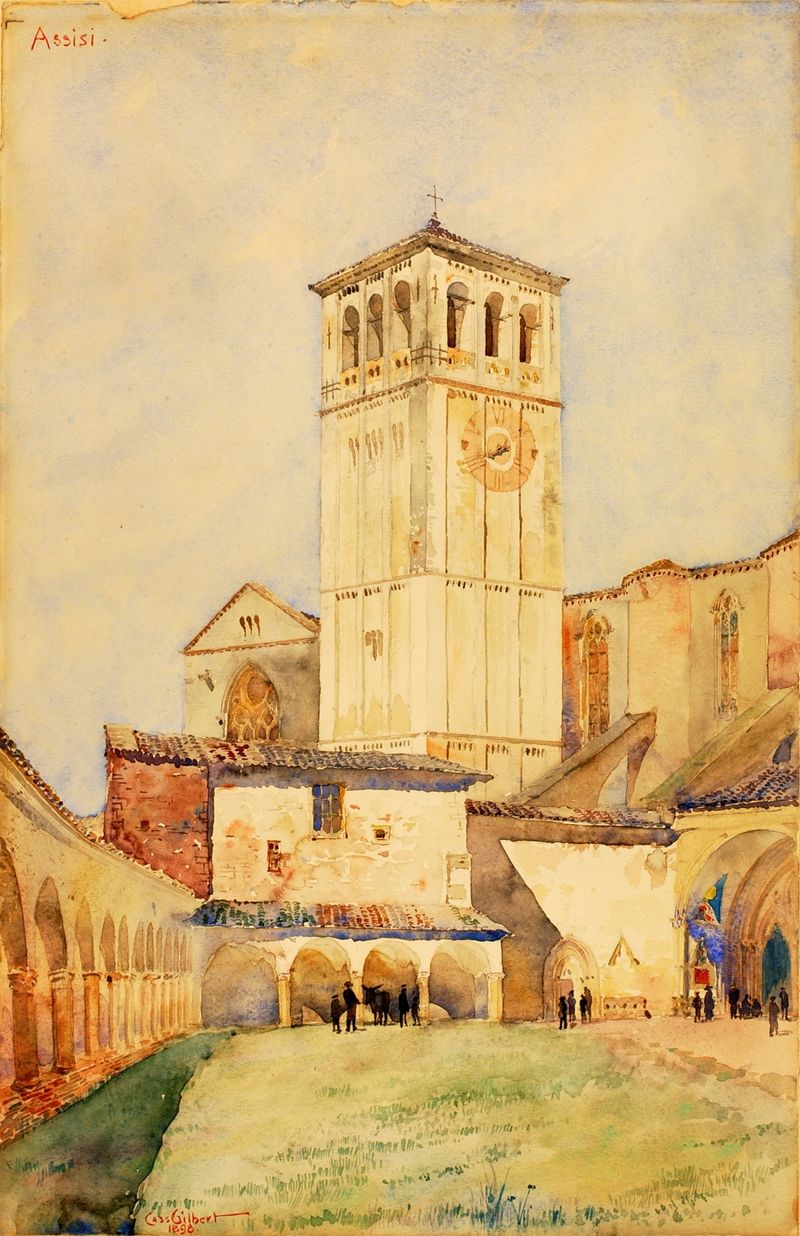
Church of St. Francis, Assisi
Cass Gilbert
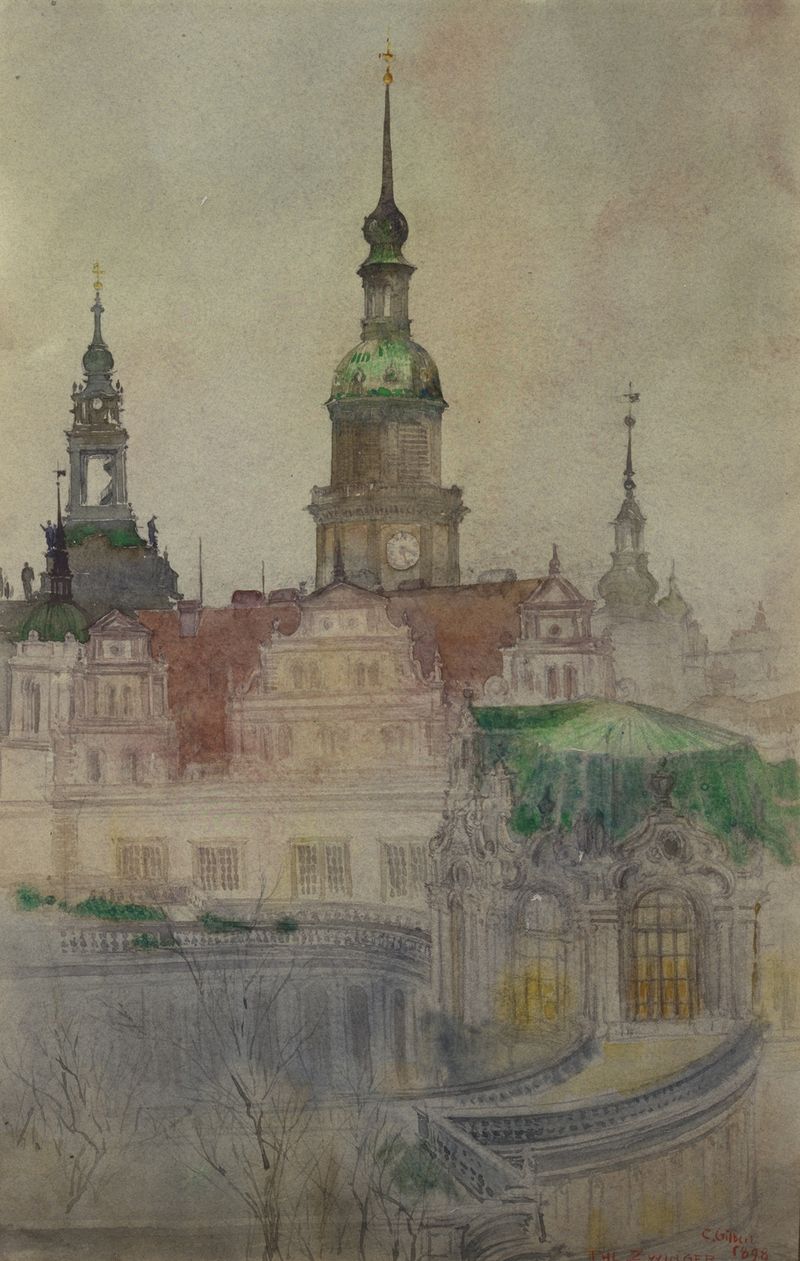
The Zwinger Towers, Dresden
Cass Gilbert

Towers from the City Wall, Nuremberg
Cass Gilbert
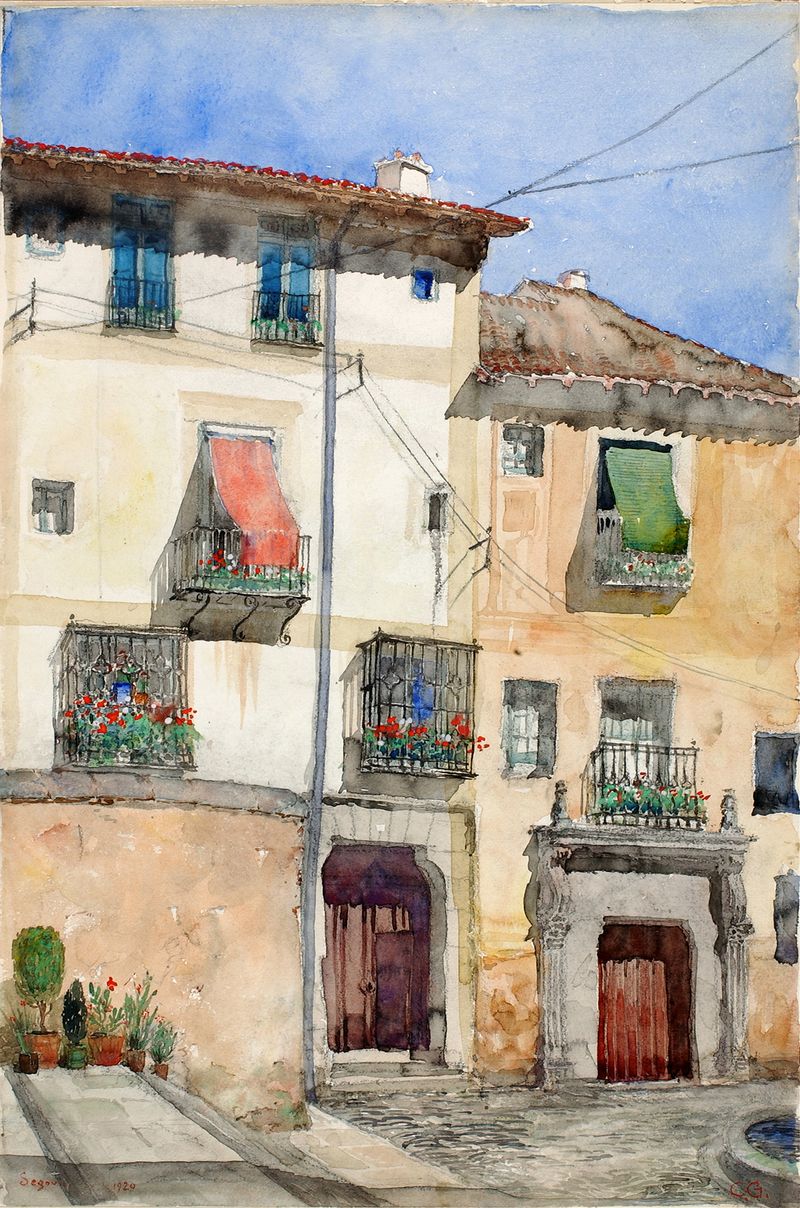
Old House at Segovia, Spain
Cass Gilbert
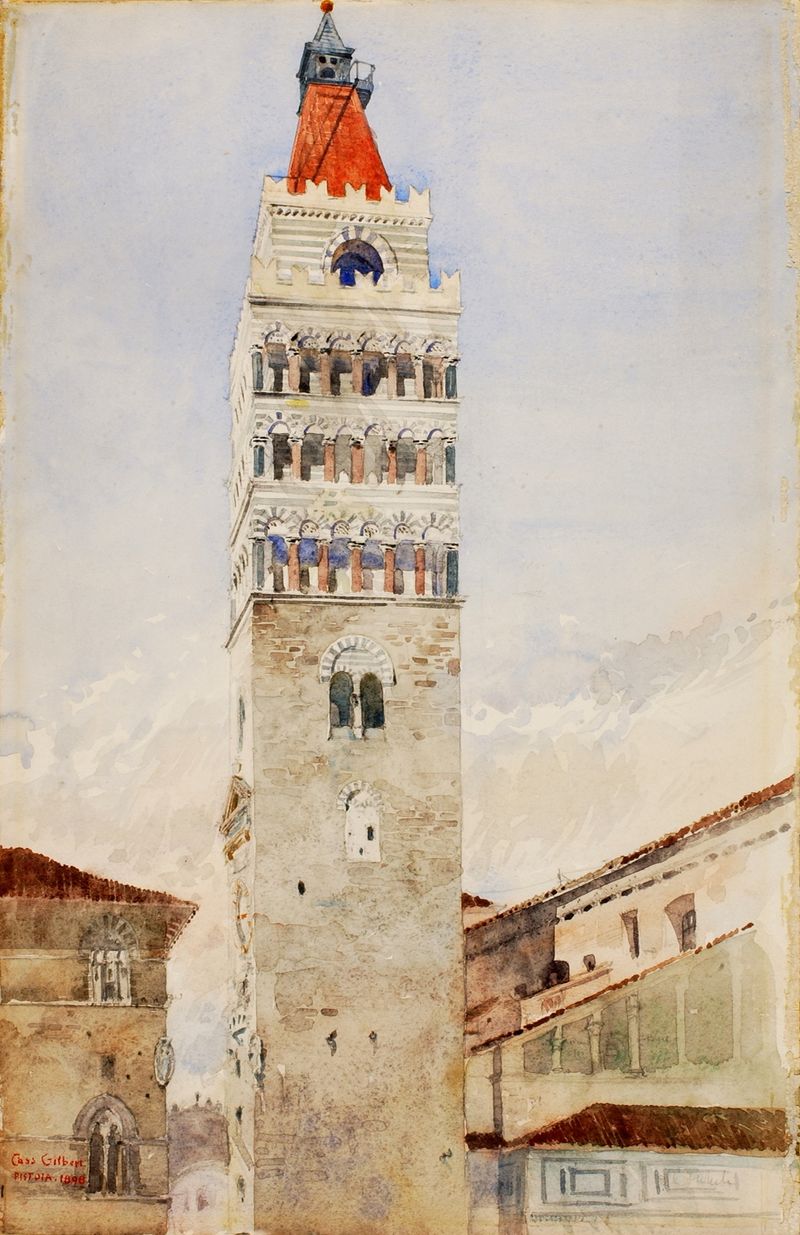
Cathedral Tower, Pistoia, Italy
Cass Gilbert

Cathedral at Monreale, Sicily
Cass Gilbert

Santa Maria Della Salute, Venice
Cass Gilbert
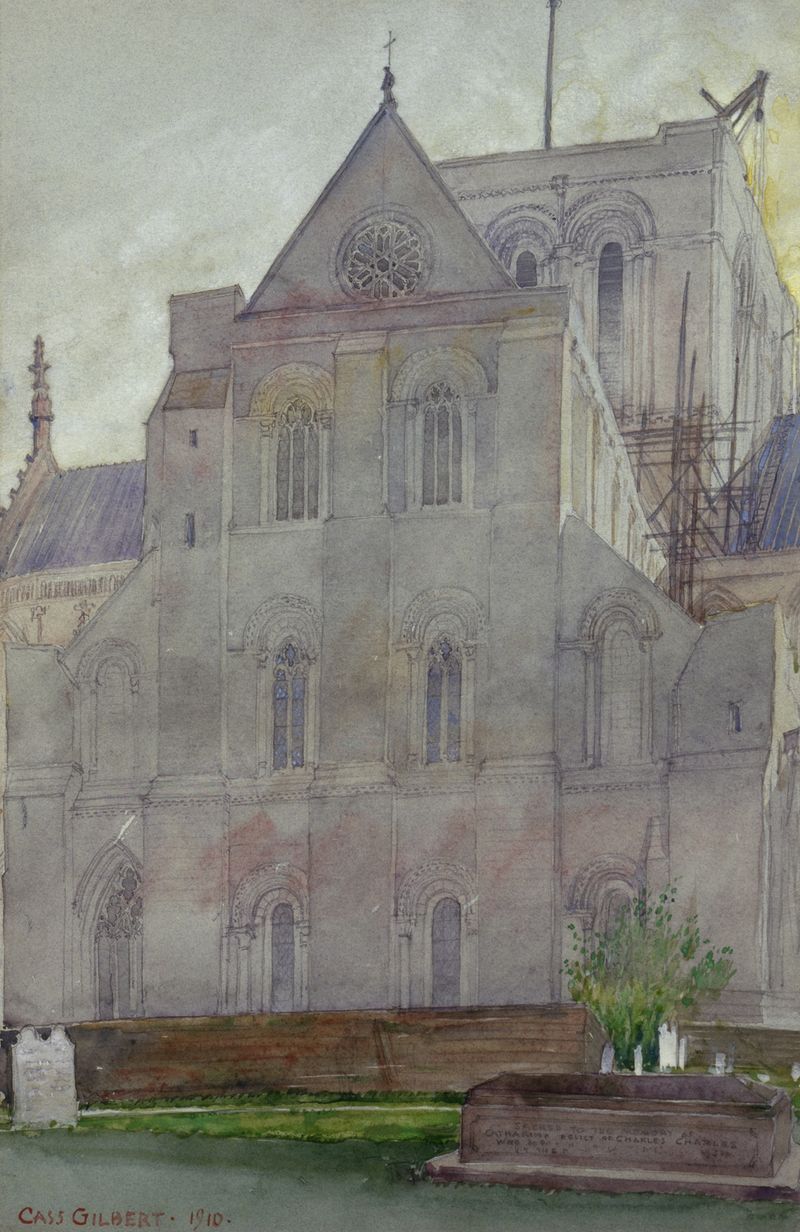
North Transept, Winchester Cathedral, England
Cass Gilbert

Tower of the Cathedral of Utrecht, Holland
Cass Gilbert





