
Sand Bank — History & Facts
A restless stretch of water commands the foreground, its surface broken by swift, energetic brushwork that suggests wind and movement rather than calm. The eye is drawn first to the churning green waves, then led along the line of the shore to a cluster of red-roofed buildings, sturdy and low against the sky. The buildings, rendered with rough, confident strokes, seem to brace themselves against the elements, a human foothold on the edge of nature’s domain.
Above, the vast sky is pale and open, its light diffused, giving the whole scene a sense of brisk clarity. The low horizon gives the sea and sky equal weight, inviting the viewer to linger in the space between them. Painted in 1882 by Axeli Gallen-Kallela, this work belongs to a moment when Nordic artists were turning their gaze outward, capturing the changing moods of their coastal landscapes. Such scenes were rarely grand commissions; more often, they were painted for study, for pleasure, or for sale to a growing middle class eager to bring the outside world into their homes.
In the late nineteenth century, artists across Europe were experimenting with looser brushwork and direct observation, seeking to capture fleeting effects of light and weather. While little is recorded about this specific painting’s journey, it now resides in a Finnish collection, a quiet testament to the era’s fascination with the meeting of land, water, and sky. The longer you look, the more the wind and salt seem to seep from the canvas.
More Artworks by Axeli Gallen-Kallela
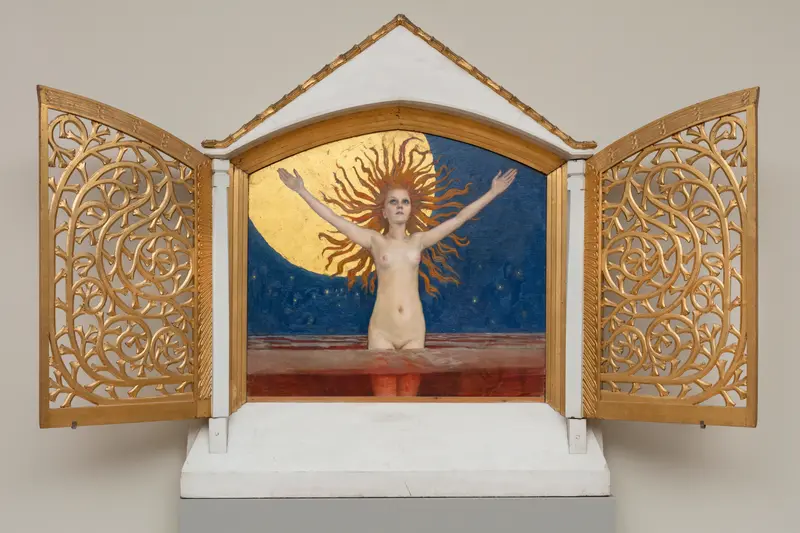
Ad Astra
Axeli Gallen-Kallela
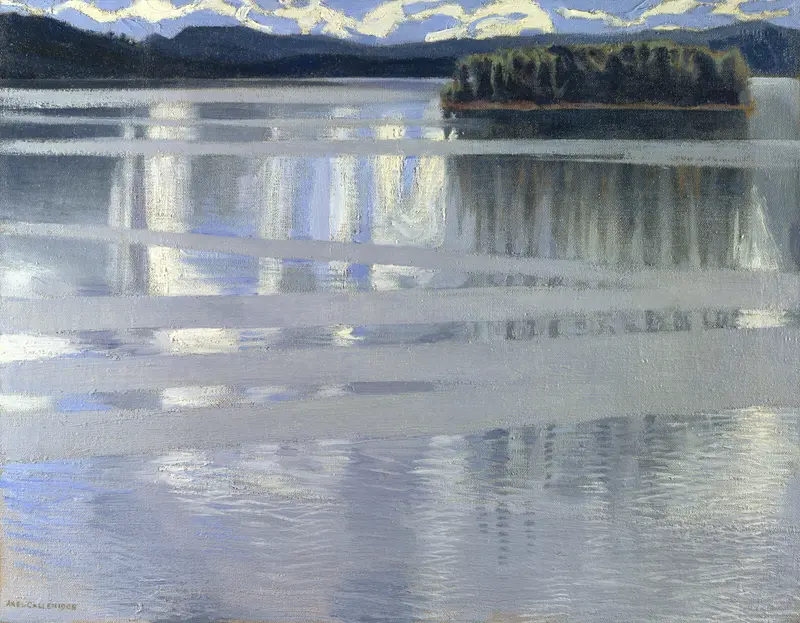
Lake Keitele
Axeli Gallen-Kallela
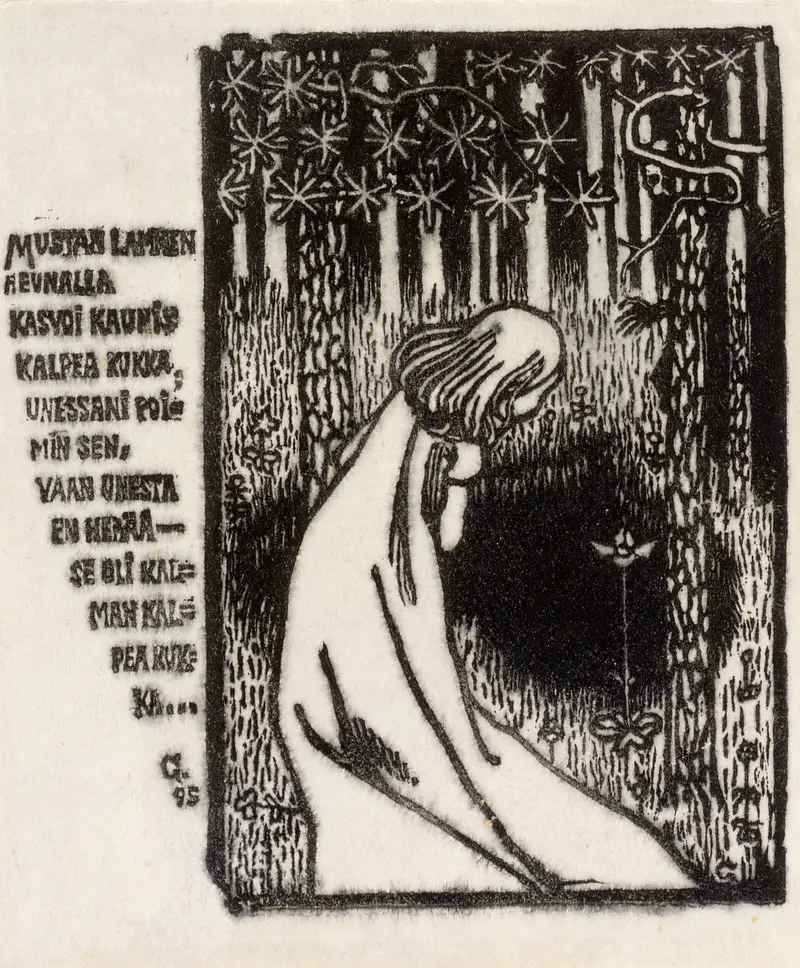
Flower of Death
Axeli Gallen-Kallela
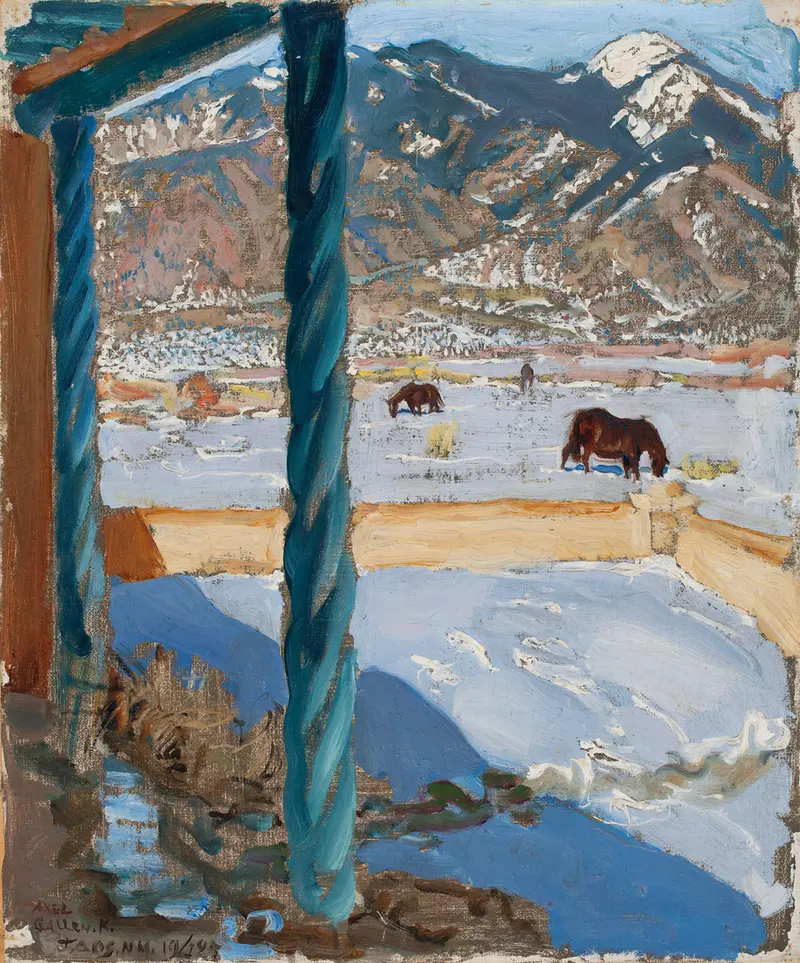
Taos Home in Sunlight
Axeli Gallen-Kallela
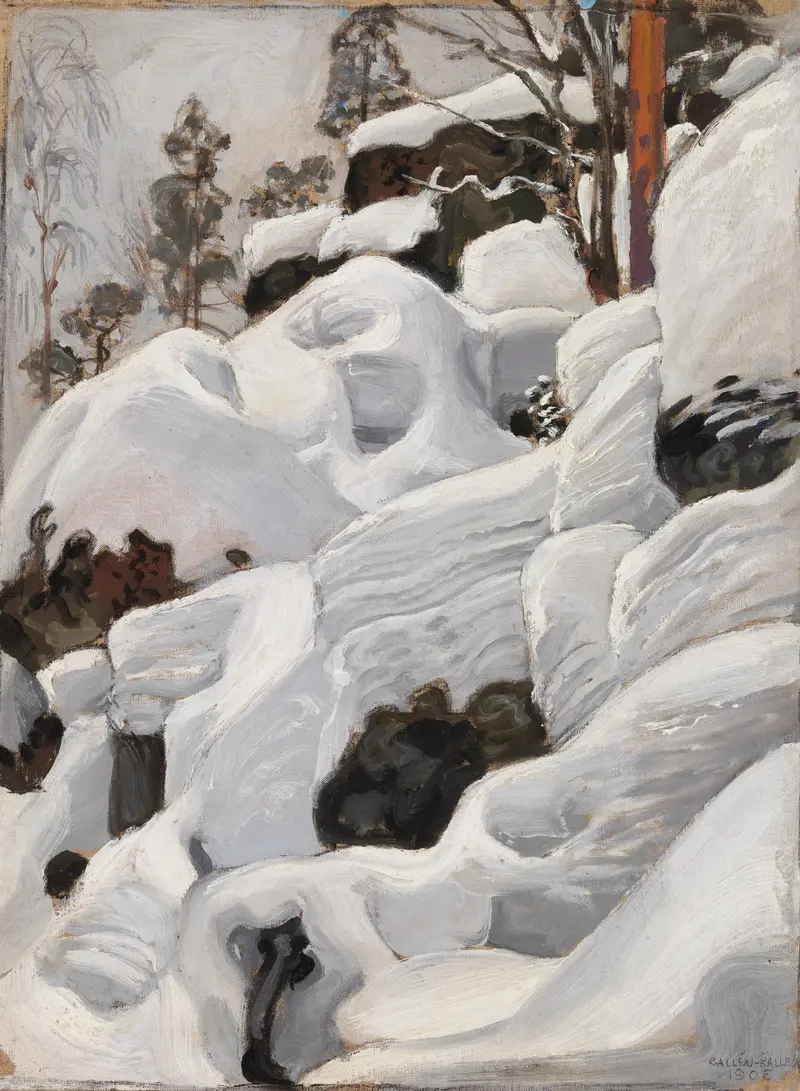
Lair of the Lynx
Axeli Gallen-Kallela
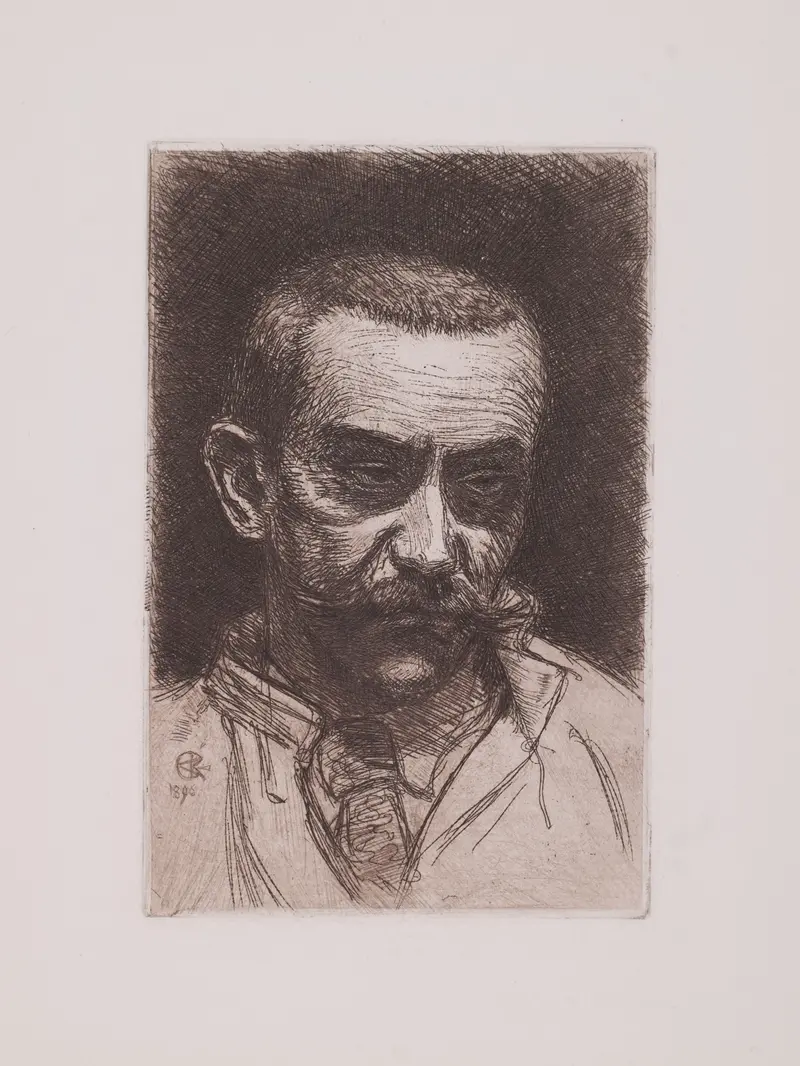
Louis Sparre
Axeli Gallen-Kallela
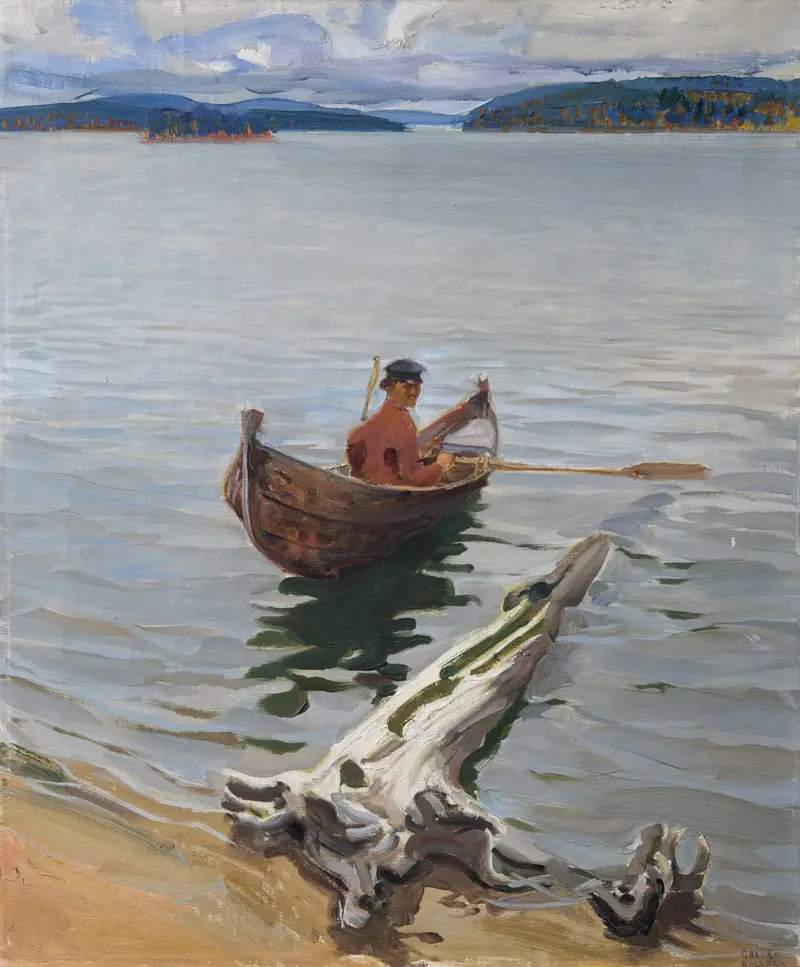
Rower on the Lake
Axeli Gallen-Kallela
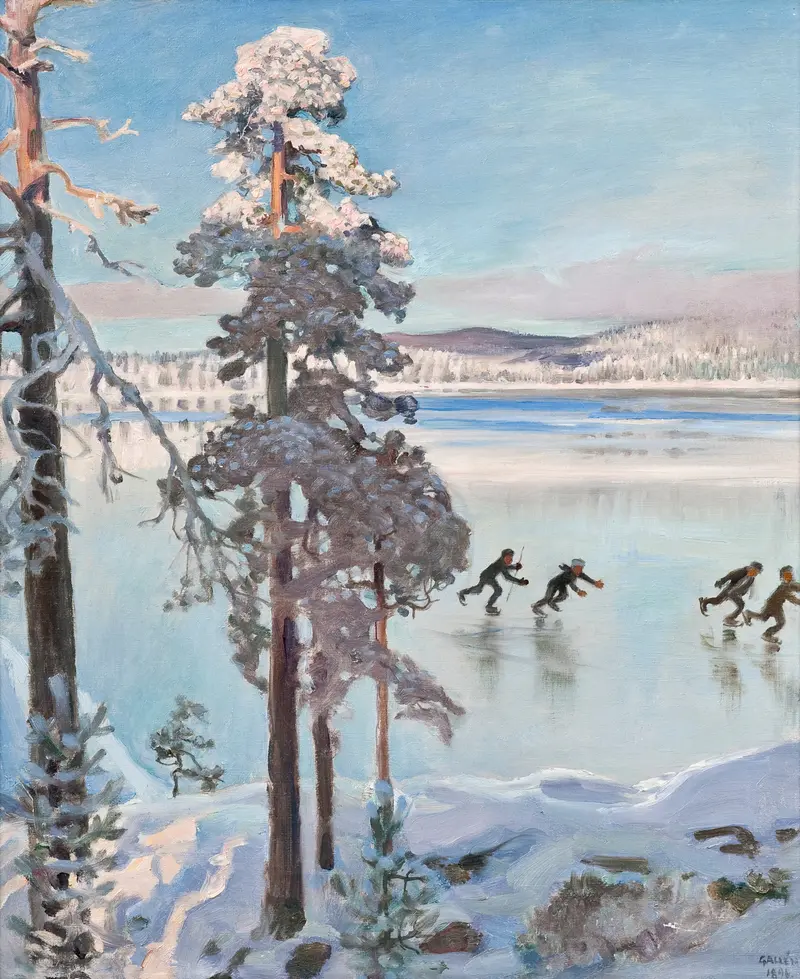
Skaters near the Shore of Kalela
Axeli Gallen-Kallela
The Building
Axeli Gallen-Kallela
The Hand of Christ
Axeli Gallen-Kallela





