
Santa Maria Della Salute From Across The Bacino, Venice — History & Facts
When did color learn to lie? In the delicate balance between memory and reality, Edward Lear invites us to question our perceptions through his portrayal of Venice. Look to the left at the soft strokes of azure and teal, where the water meets the ethereal sky. The domes of Santa Maria Della Salute rise majestically, framed by a symphony of muted pastels that beckon the viewer to linger. Notice how the gentle ripples of the Bacino reflect these colors, almost blurring the boundaries between sky and sea, creating an enchanting sense of ambiguity.
Each brushstroke is deliberate, yet spontaneous, leading the eye through a dreamlike landscape that feels both familiar and elusive. The painting encapsulates a juxtaposition of serenity and nostalgia. The vibrant blues evoke a sense of longing, inviting contemplation of the fleeting moments captured in memory, while the stillness of the water suggests a pause in time. There lies a tension between the vividness of the colors and the softness of the forms, hinting at the bittersweet nature of remembrance—how the past can sometimes feel more vibrant than the present. Lear painted this work during a period of extensive travels, capturing the essence of Venice, a city steeped in romance and history.
While the exact date remains unknown, it was likely created in the mid-19th century, a time when his artistic style was evolving. Lear's experiences of travel and the beauty of landscapes shaped his vision, positioning him within the Romantic movement that sought to convey emotion through nature’s spectacles.
More Artworks by Edward Lear
Browse all →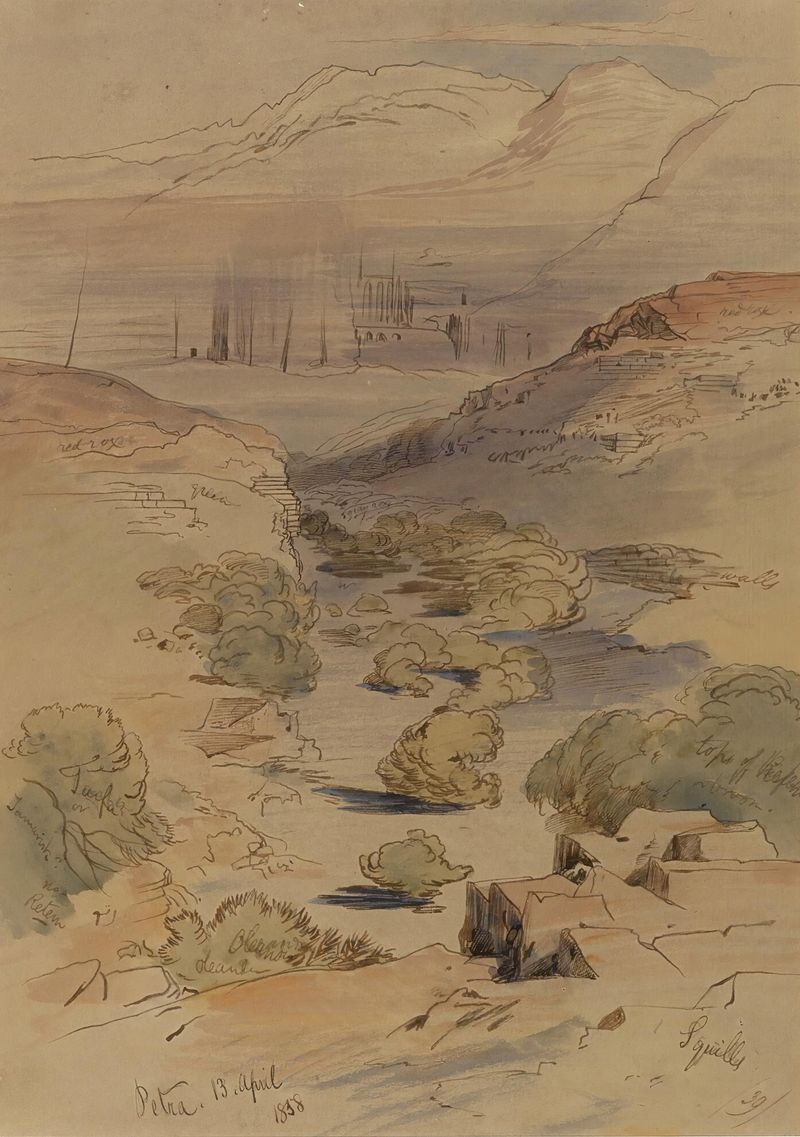
Petra
Edward Lear
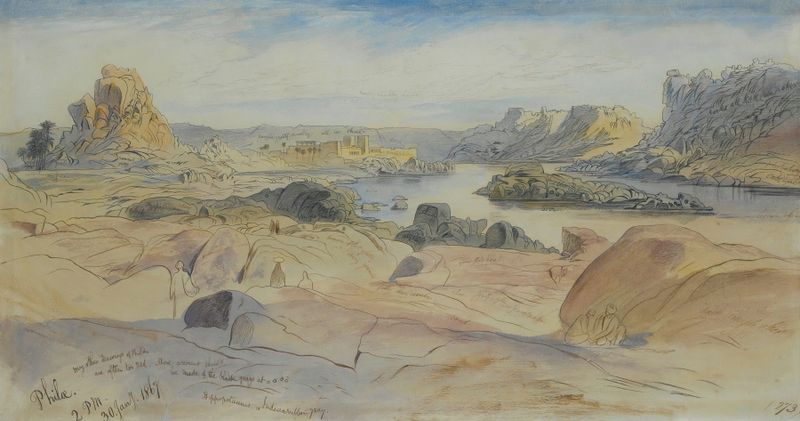
Philae, Egypt
Edward Lear
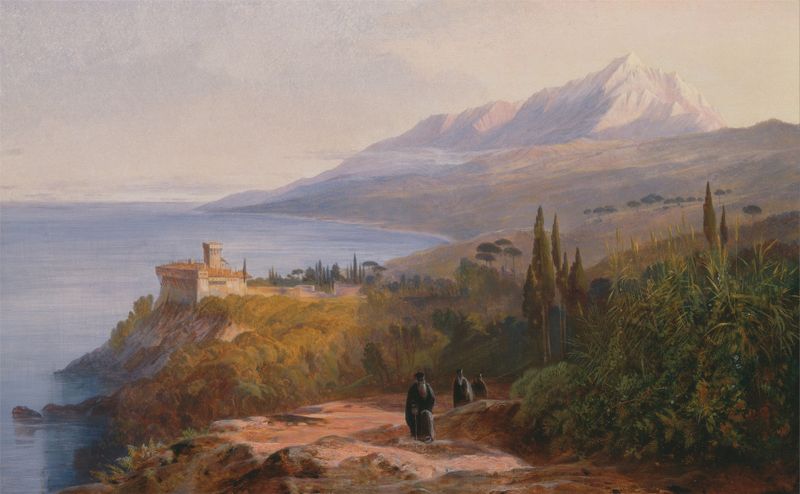
Mount Athos and the Monastery of Stavronikétes
Edward Lear
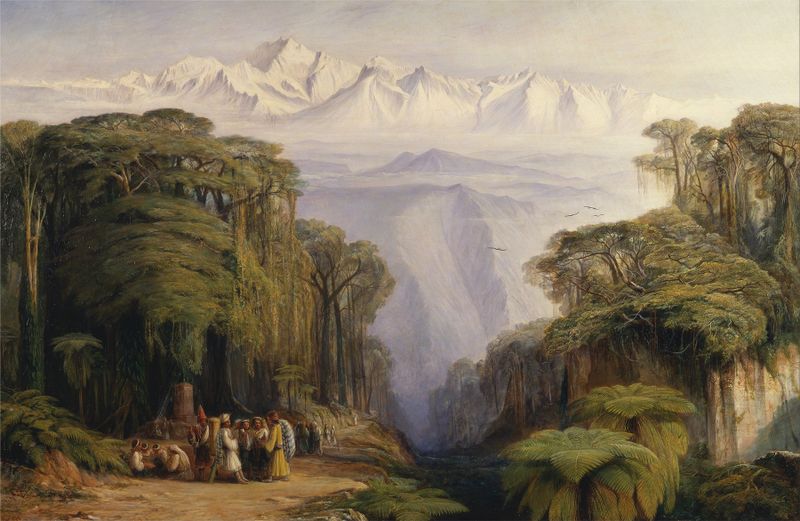
Kangchenjunga from Darjeeling
Edward Lear
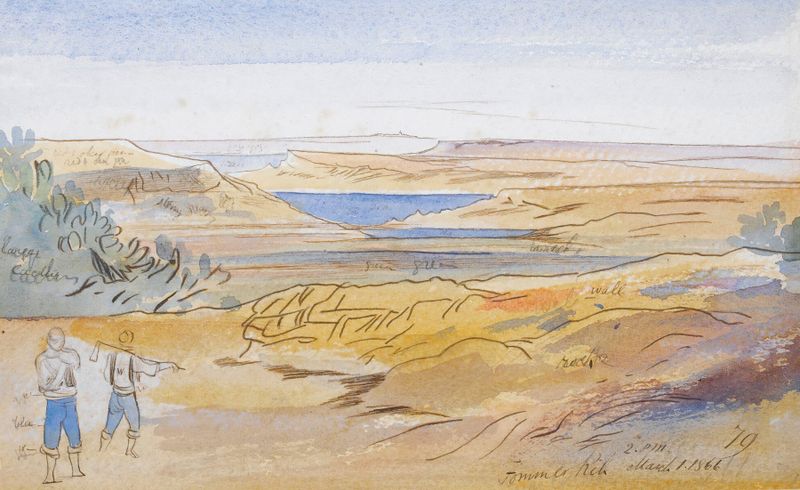
Fomm Ir-Rih, Malta
Edward Lear
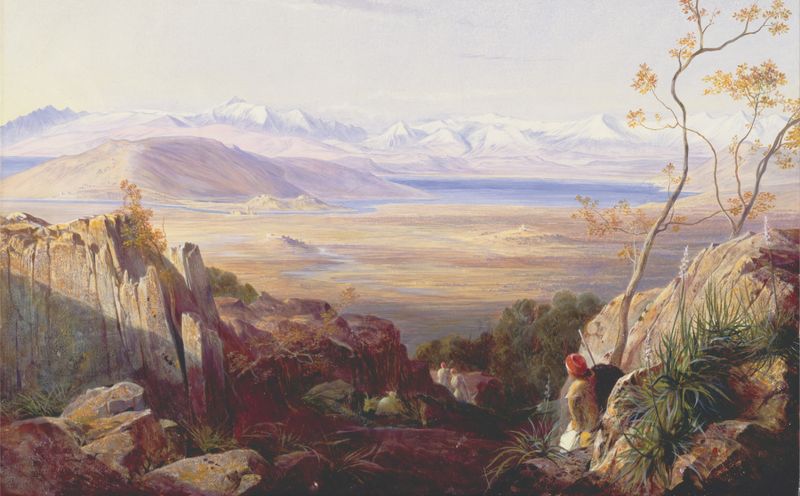
Butrinto, Albania
Edward Lear
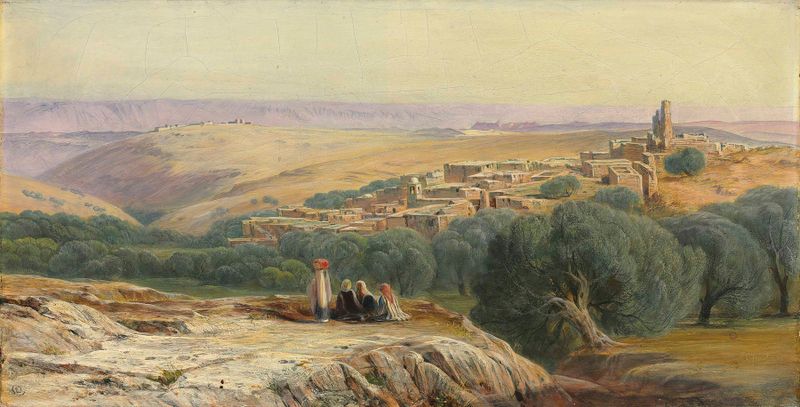
The Plains of Bethany
Edward Lear

Karnak, 9-30 pm, 22 January 1867
Edward Lear
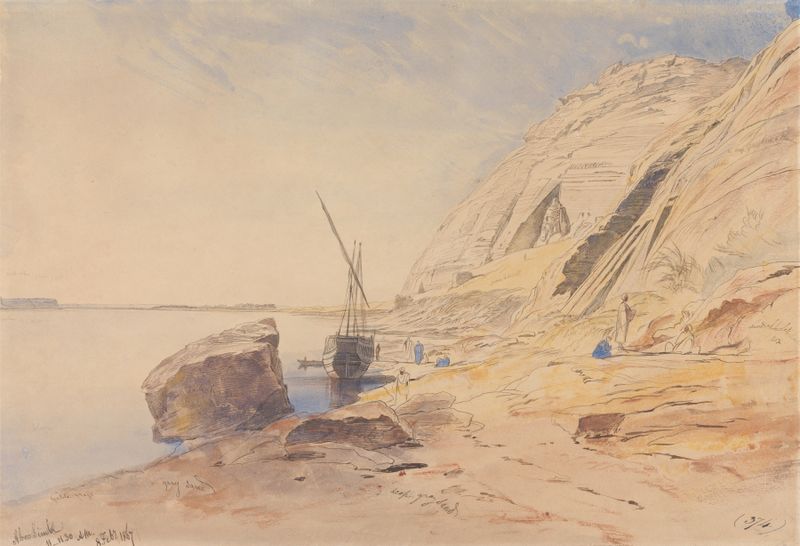
Abu Simbel, 11-11;30 am, 8 February 1867 (374)
Edward Lear

A View Of Mount Athos And The Pantokrator Monastery, Greece
Edward Lear





