
Santa Sabina on the Aventine Hill and Sant’Agnese fuori le Mura and Santa Costanza in Rome — History & Facts
Can paint confess what words never could? In the hands of Josephus Augustus Knip, beauty transcends mere description, becoming a dialogue between the viewer and the canvas. Look to the left, where the gentle arches of Santa Sabina rise against a vibrant Roman sky. The artist captures intricate architectural details, from the delicate columns to the soft shadows that dance across the stone facade, inviting the eye to explore further. Focus on the interplay of light and color: warm golden hues blend seamlessly with deep azure, lending a sense of warmth and intimacy to this sacred structure.
Each brushstroke seems to breathe life into the scene, rendering it both timeless and immediate. As you delve deeper, notice the subtle contrasts of the foreground and background. The tranquil figures wandering near the basilica embody a quiet reverence, while distant structures evoke a sense of history layered beneath the present. This duality—between the serenity of the present moment and the weight of the past—speaks volumes about the nature of beauty, resilience, and the sacred.
The lush greenery framing the buildings enhances the serene atmosphere, creating a sanctuary amid the bustling city. During the years 1809 to 1812, Knip created this artwork amidst the Romantic movement, which celebrated nature, history, and emotion. Living in Paris while visiting Italy, he sought inspiration from the Mediterranean landscape and its architectural wonders, reflecting a growing interest among artists to depict the sublime beauty of their surroundings. In a world increasingly defined by industrial progress, his work stands as a timeless tribute to the splendor of the historic and natural world.
More Artworks by Josephus Augustus Knip
Browse all →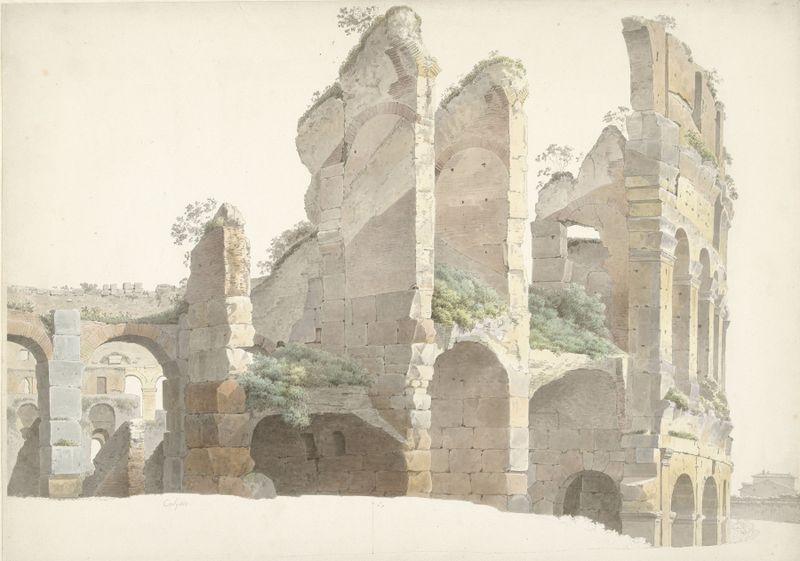
Het Colosseum te Rome
Josephus Augustus Knip
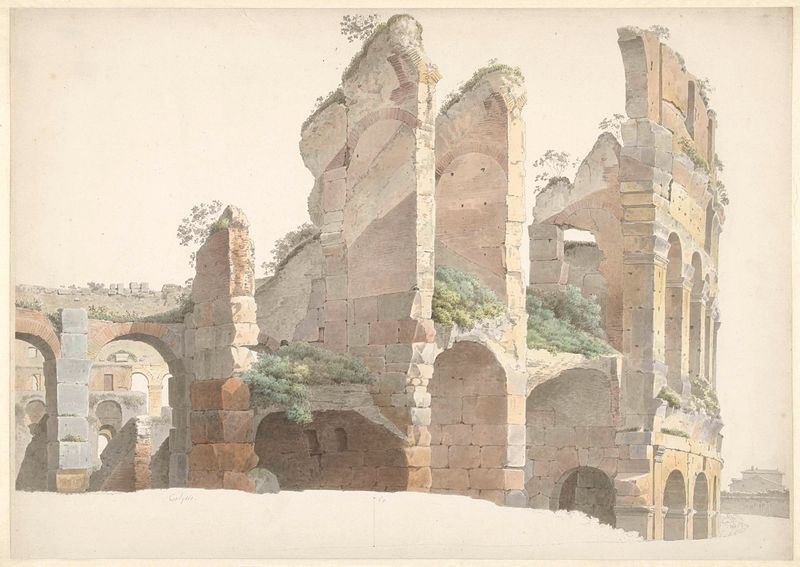
Het Colosseum te Rome
Josephus Augustus Knip
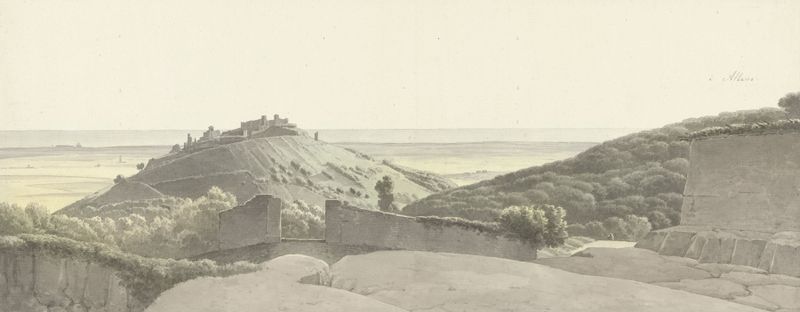
Landscape around Albano Laziale
Josephus Augustus Knip

View of Ariccia from Genzano
Josephus Augustus Knip
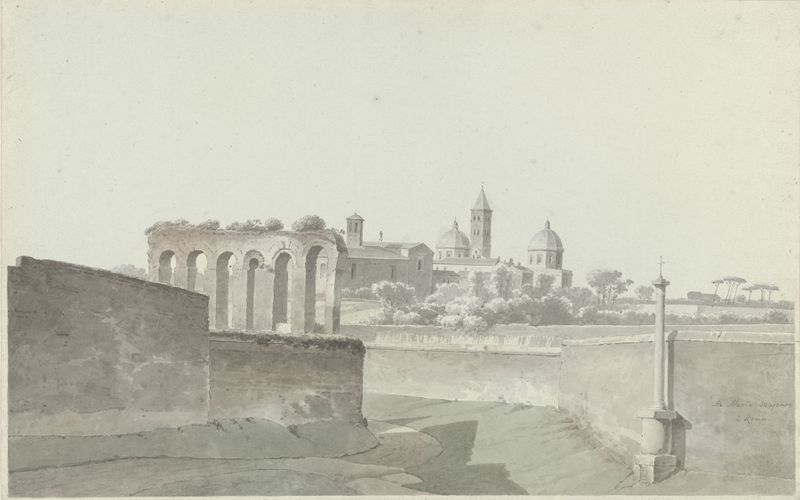
The Basilica of Santa Maria Maggiore in Rome
Josephus Augustus Knip
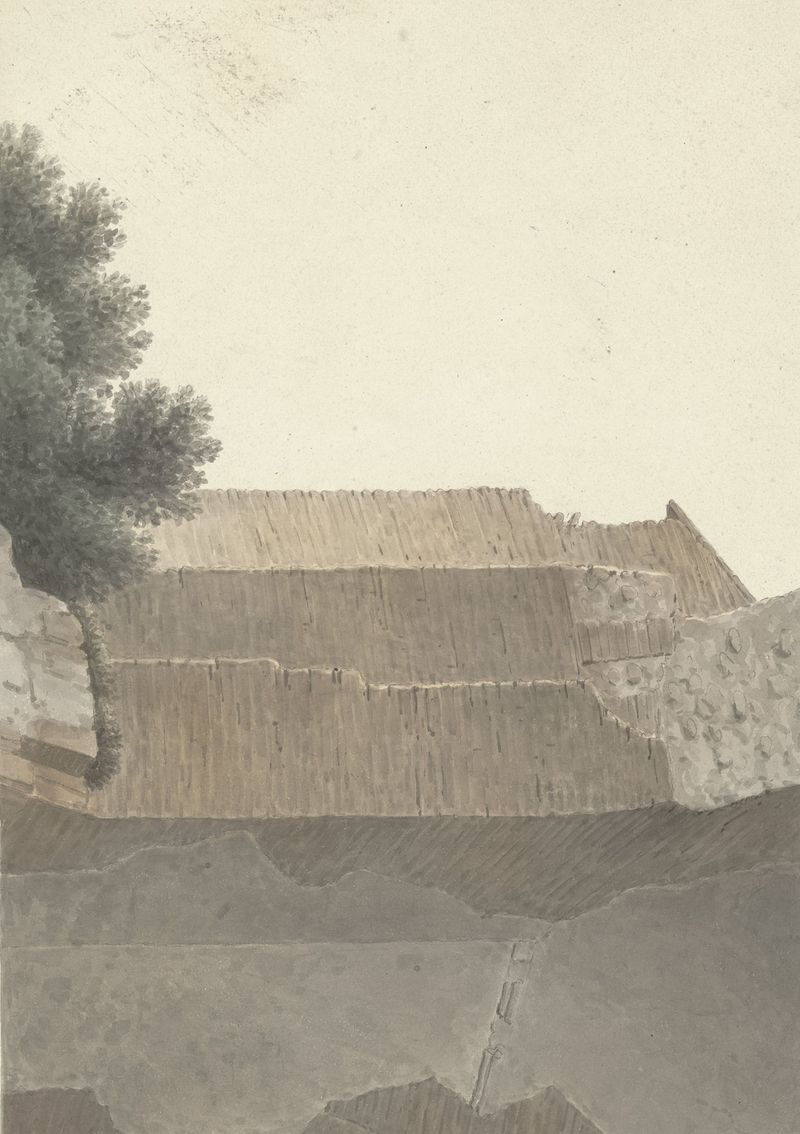
Part of the Vault of the Temple of Minerva Medica in Rome
Josephus Augustus Knip
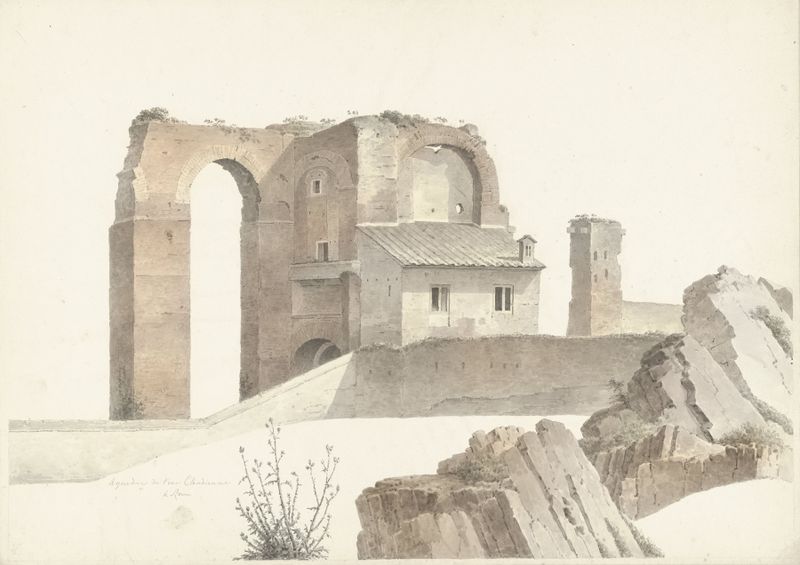
The Aqua Claudia in Rome
Josephus Augustus Knip
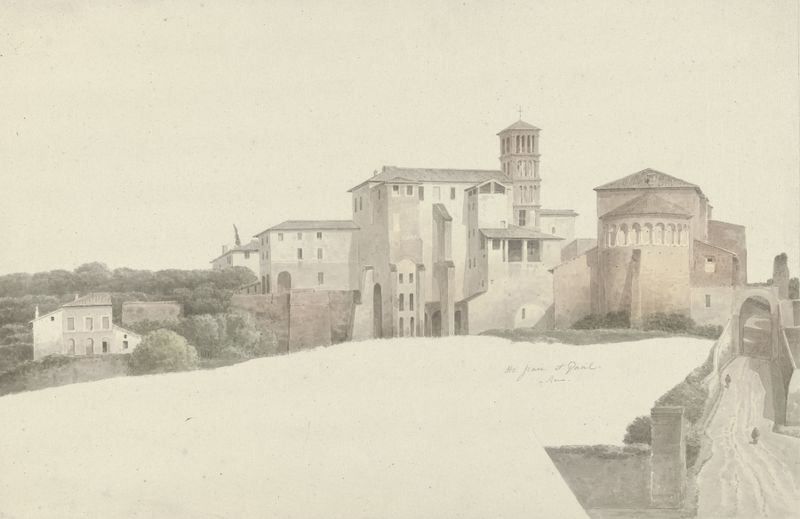
Basilica and Monastery of Santi Giovanni e Paolo in Rome
Josephus Augustus Knip
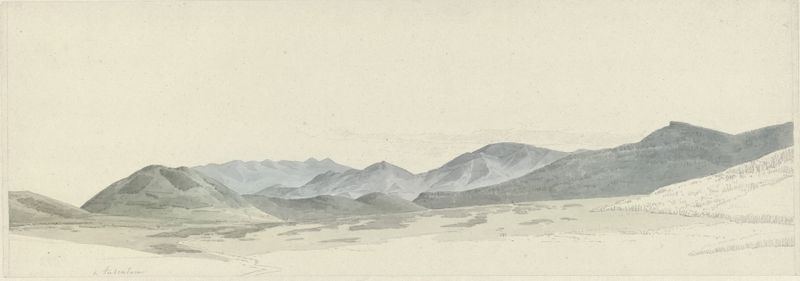
Mountain Landscape at Tusculum
Josephus Augustus Knip
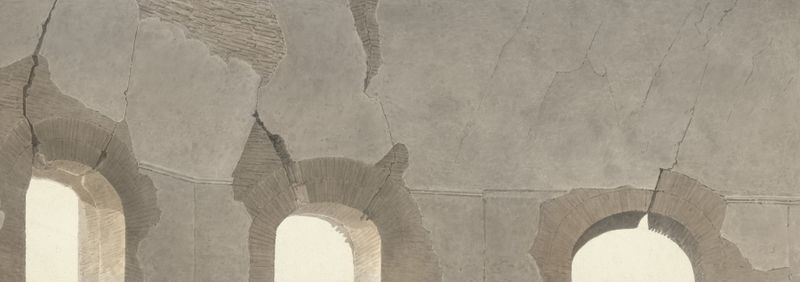
Part of the Vault of the Temple of Minerva Medica in Rome
Josephus Augustus Knip
More Architecture Art
Browse all →
The statue of Liberty
Frédéric Auguste Bartholdi

View of Houses in Delft, Known as ‘The Little Street’
Johannes Vermeer

View of Houses in Delft, Known as ‘The Little Street’
Johannes Vermeer

The Cathedral in Rouen. The portal, Grey Weather
Claude Monet

The yellow house
Vincent van Gogh

The Church in Auvers-sur-Oise, View from the Chevet
Vincent van Gogh