
Sater vrouw speelt op een doedelzak — History & Facts
This yearning for deeper connections often mirrors our own search for meaning in a world layered with distractions. Focus first on the rich tapestry of colors that envelop the figure—a satyr woman, captured in a moment of musical reverie. Her vibrant attire contrasts boldly against the muted background, drawing the eye to her expressive face and hands cradling the bagpipes. Notice the way light caresses the contours of her form, highlighting the curves of her body and the intricate details of her clothing.
Each brushstroke whispers a story, inviting the viewer to unravel the emotions woven into the fabric of the scene. Delve deeper into the image, and you'll find an interplay of solitude and intimacy. The satyr woman, often associated with untamed desire and nymph-like grace, embodies a tension between wildness and yearning for connection. Her gaze, half-lidded and distant, suggests a longing that transcends the mere act of playing; it evokes a sense of nostalgia, as if she is reminiscing about lost love or a fleeting moment of happiness.
The bagpipes, while a source of sound, paradoxically amplify her silence, creating an emotional echo that lingers in the viewer's heart. This artwork emerged during a time of artistic exploration in the late Renaissance, a period characterized by a resurgence of classical themes and human emotion. Though the artist remains unknown, the craftsmanship reflects the era's embrace of individuality and expressive depth. Painted between 1510 and 1599, it captures a moment that resonates with the complexities of the human experience, as artists navigated a world defined by both innovation and tradition.
More Artworks by Unknown Artist
Browse all →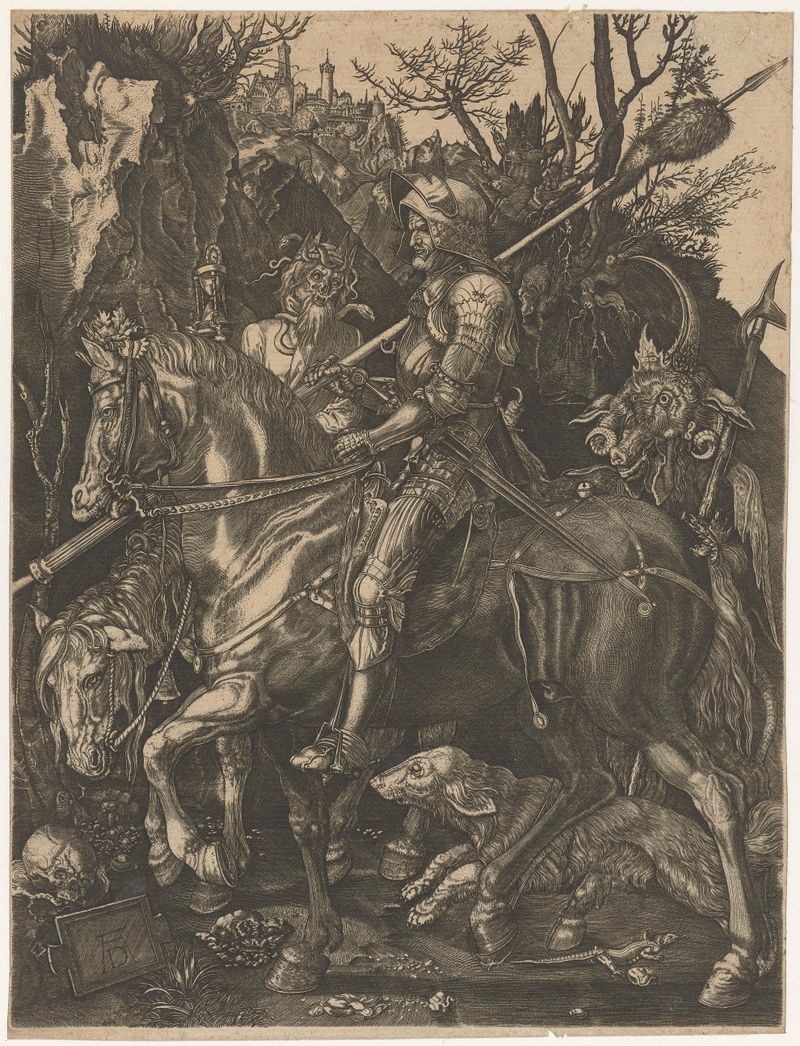
Ridder, Dood en Duivel
Unknown Artist
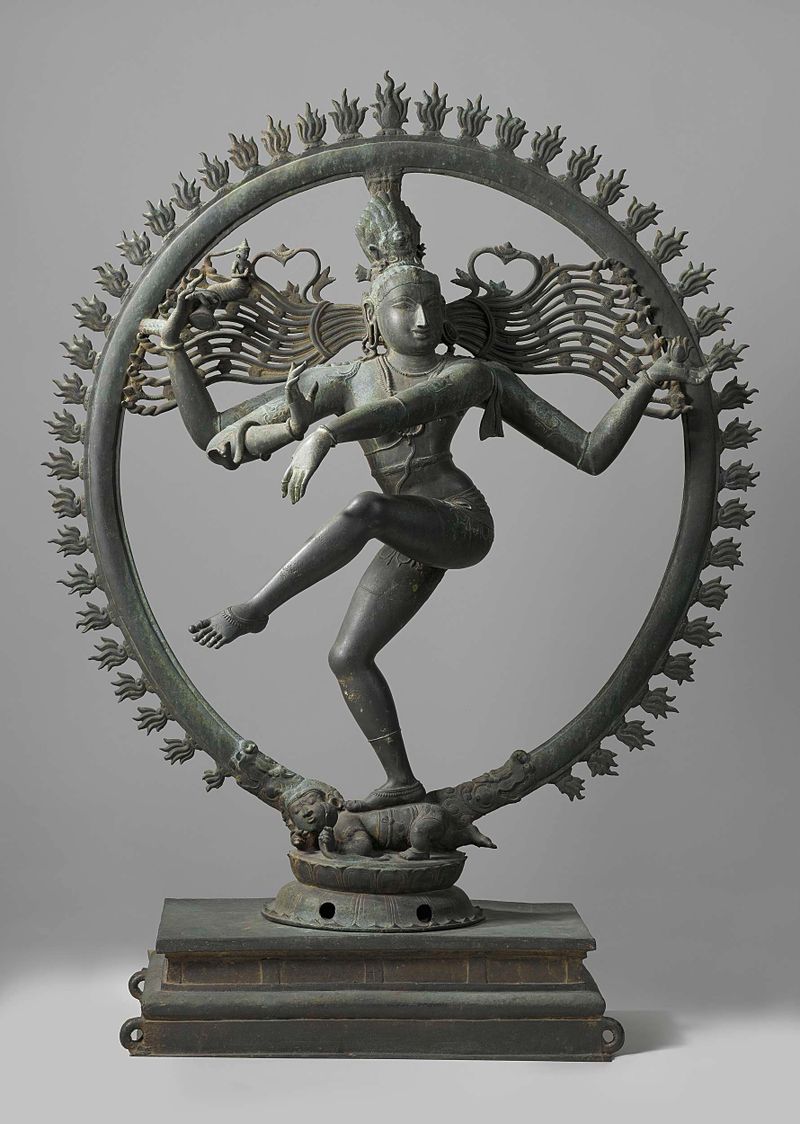
Shiva Nataraja
Unknown Artist
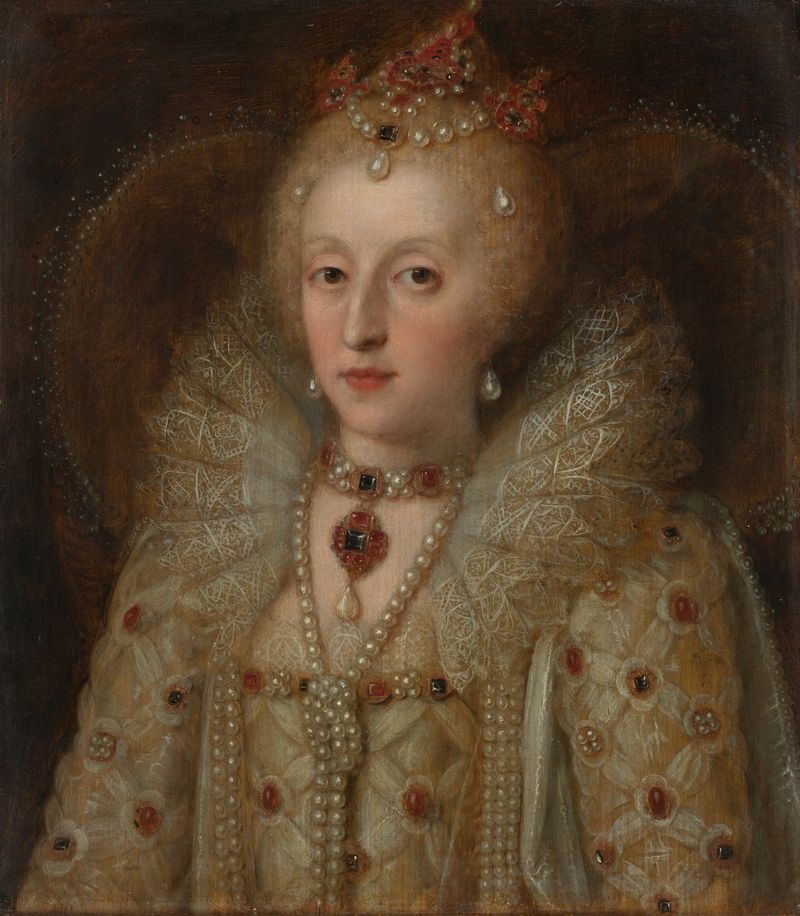
Portrait of Elizabeth I, Queen of England
Unknown Artist
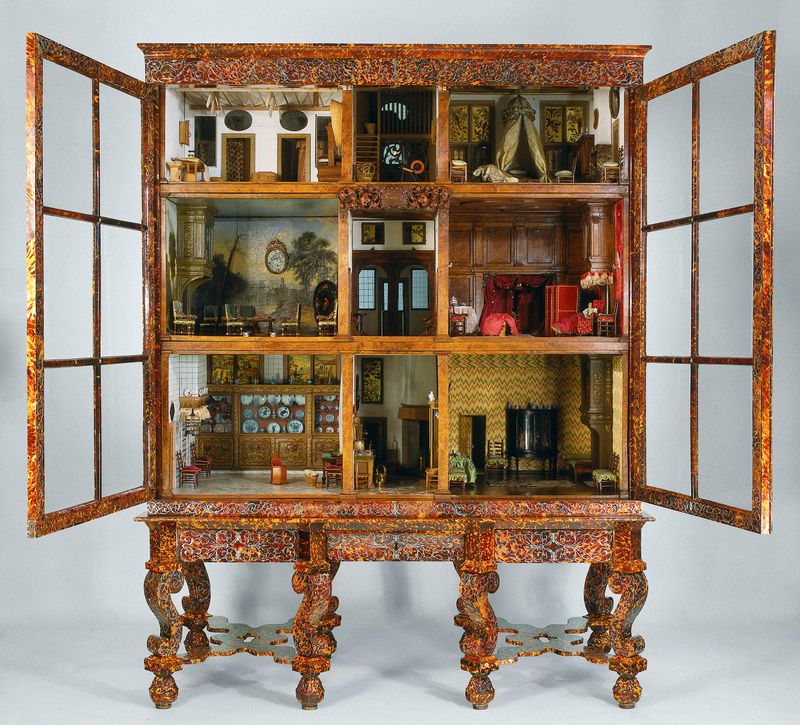
Dolls’ house of Petronella Oortman
Unknown Artist
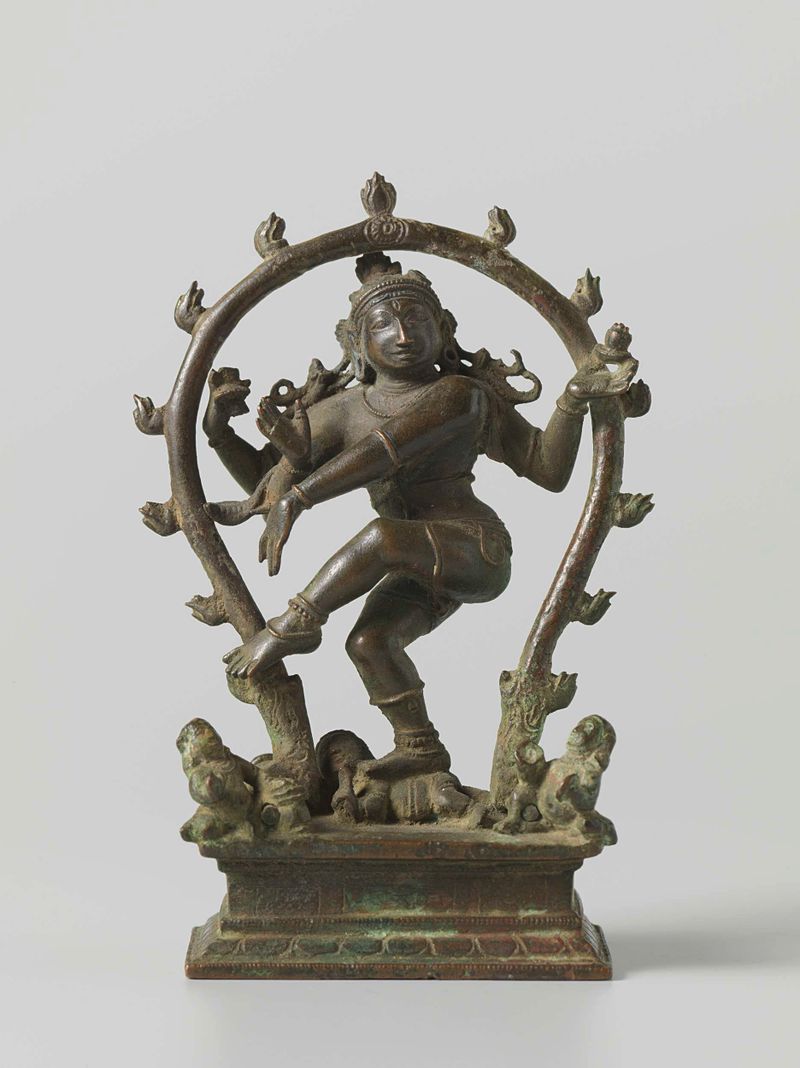
Shiva Nataraja
Unknown Artist

The Tale of Genji
Unknown Artist

The Tale of Genji
Unknown Artist

Cong
Unknown Artist
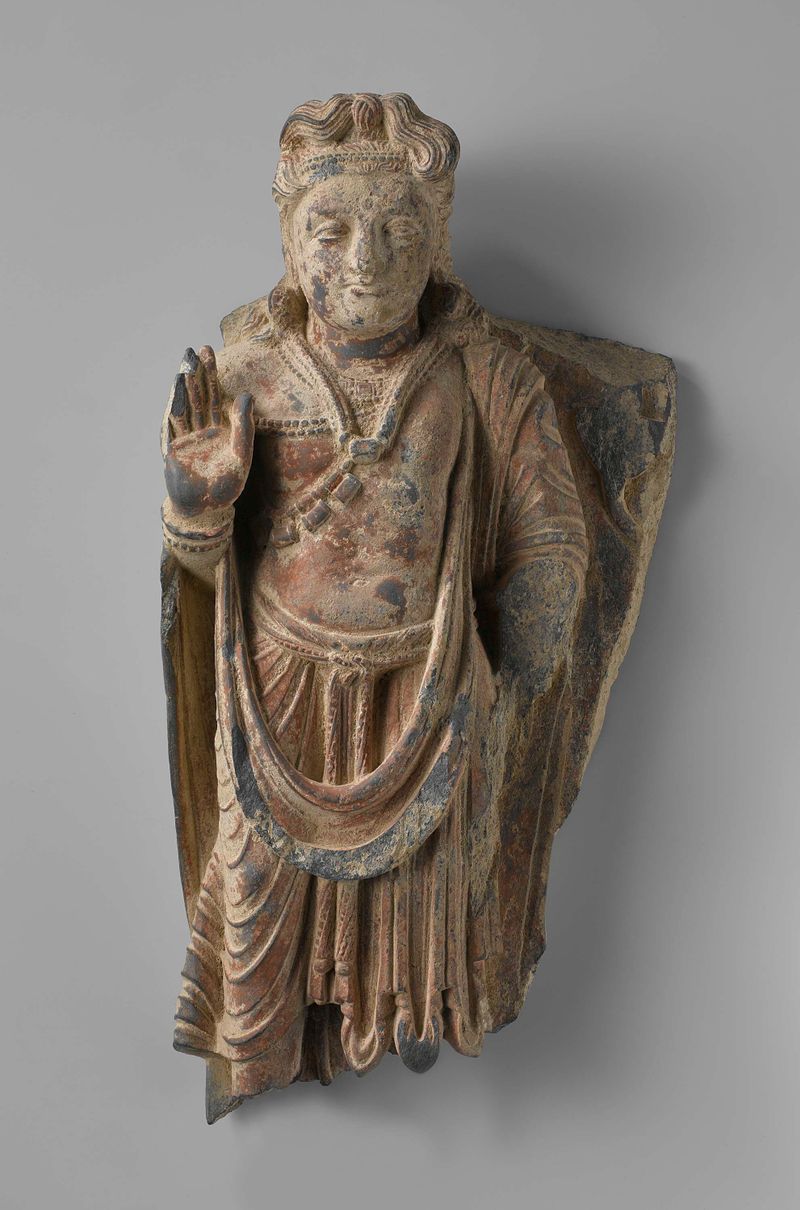
The bodhisattva Maitreya
Unknown Artist

Teabowl with a 'hare's fur' glaze
Unknown Artist





