Scène de cuisine — History & Facts
What draws the eye first in Scène de cuisine is the intimacy of the moment: two kitchen workers, a cook and a scullion, sit face to face, their bodies angled toward each other in a quiet exchange that feels both conspiratorial and tender. The subdued palette of ochres and browns, punctuated only by the white of their hats and aprons, seems to press the figures forward from the darkness, as if the world around them has faded to leave only this conversation. The cook’s hand gestures toward the younger man, who listens intently, his face half in shadow, half caught by the light that falls from above.
The pots and jugs at their feet are rendered with the same care as the faces, grounding the scene in the physical world of labor and daily routine. Painted in the mid-19th century, this work belongs to an era when artists like Augustin Théodule Ribot turned their attention to the realities of ordinary life, often focusing on the working class with a sense of dignity and empathy. In France, such genre scenes found favor among a public increasingly interested in the lives of those who fed, clothed, and served them. While history has kept few traces of this particular painting’s journey, we know it now resides in the Museum of Fine Arts of Reims, a testament to the enduring appeal of these quiet, human moments.
The next time you look, notice how the painter’s brushwork lingers over the folds of cloth and the glint of copper, inviting you to imagine the warmth and weight of the kitchen just beyond the frame.
More Artworks by Augustin Théodule Ribot

The Scullion
Augustin Théodule Ribot

The Artist's Daughter
Augustin Théodule Ribot
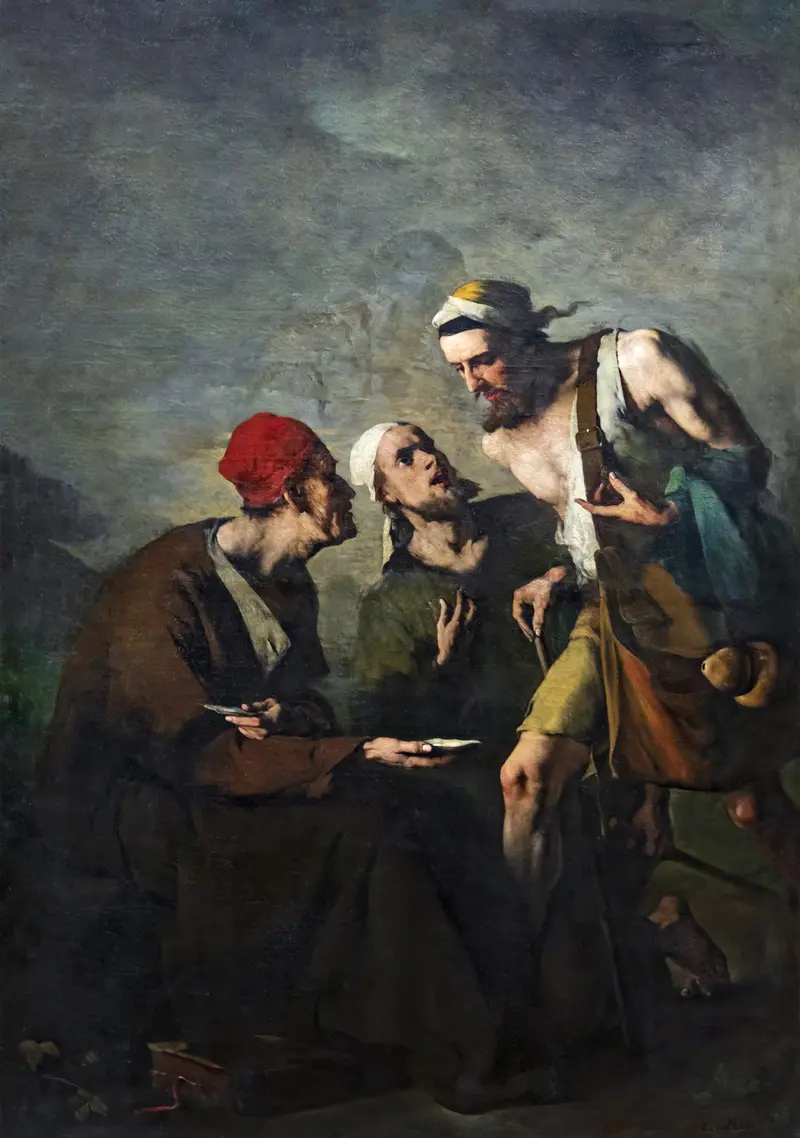
The oyster and the Litigant's
Augustin Théodule Ribot

The philosophers
Augustin Théodule Ribot

Singers
Augustin Théodule Ribot

Oyster and timbale
Augustin Théodule Ribot
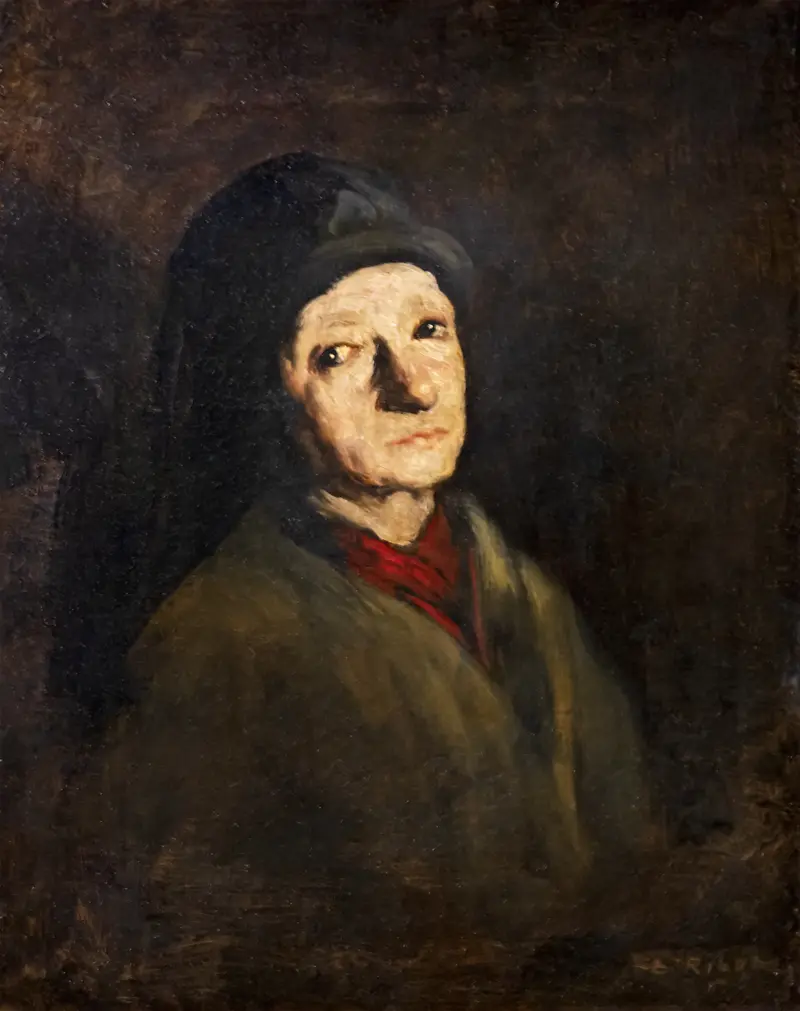
Portrait of the artist's mother
Augustin Théodule Ribot

Three old jews
Augustin Théodule Ribot

' Landscape ', known as ' La Maison de Corot in Ville-d'Avray '
Augustin Théodule Ribot
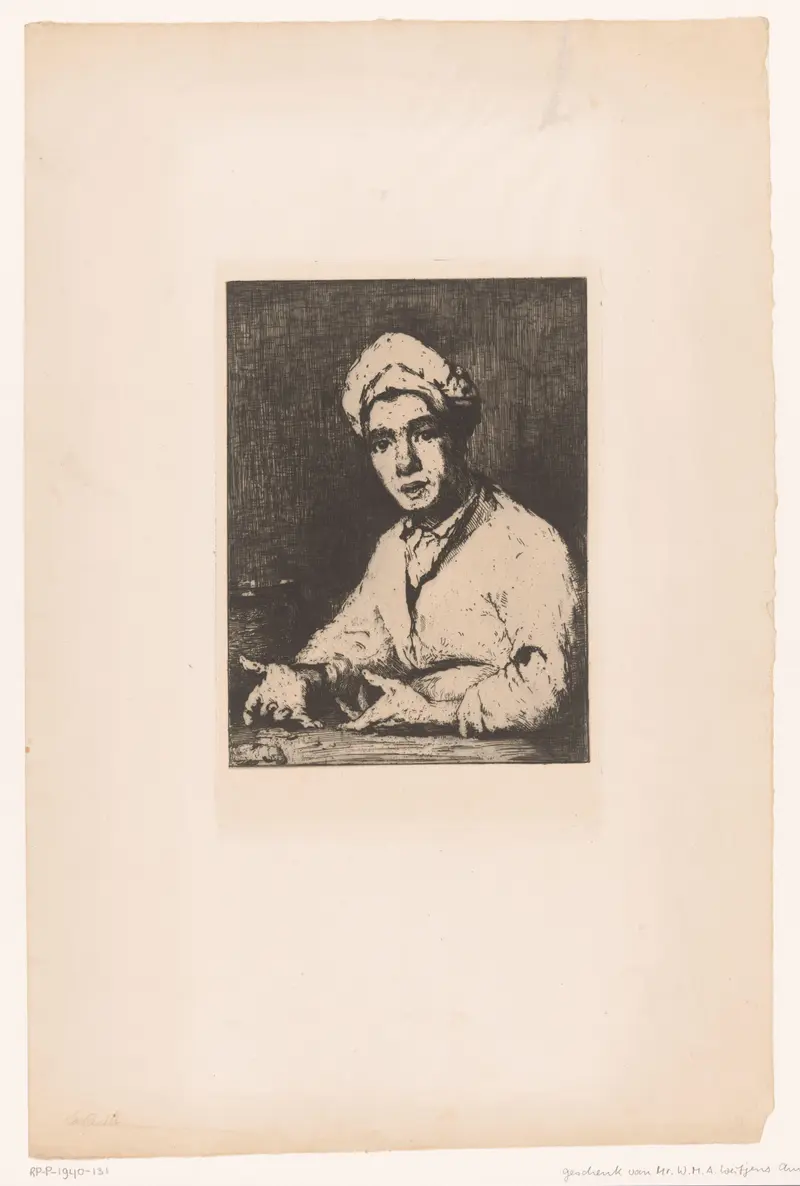
La recette du cuisinier
Augustin Théodule Ribot